Please click here to check who's online and chat with them.

Find Verified Processed Food Suppliers, Manufacturers and Wholesalers

Dec-02-20

Used Clothes/shoes

$2
MOQ: 5  Tons (US)
Supplier From Beijing, Beijing, China
Supplier Of Used Clothings   |   Jeans   |   Trousers   |   Skirts   |   Oats   |   Coats   |   Shoes
 Inquire Now  
* 95% New
*Trousers
*Jeans
*Skirts
*Coats
*T-Shirts
*Pants
*Shoes
*Men/Women/Kids
Mar-31-16

Quartz

MOQ: 100  Tons (UK)
Supplier From cairo, Egypt
Supplier Of Quartz   |   Oats   |   Carbon Black   |   Plasticizers   |   Coats   |   Bras   |   Ties
 Inquire Now  
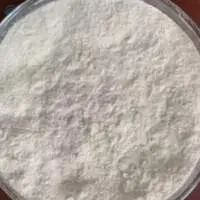
Also known as ground quartz and silica flour, is produced by grinding high-purity quartz, quartzite, sandstone, or silica sand to finer than 45 micron. Air separation is used as required to remove kaolin, mica, feldspar, or calcite impurities.
we can crush also reach 45 micron with magnetic separation
Uses:
1- glass industry
2- lenses industry
3- television, radio, computer, radar, transmission machine industry
4-pure quartz for photocells
5- semi conductor industry
6-Cleaners
7-Paint
8-cramics: Low-iron ground silica, typically -200 mesh, and calcined silica are used in whiteware formulations to facilitate drying of the body, to control expansion characteristics and compatibility between the body and glaze to prevent crazing, and to provide whiteness and acid resistance.
10-Coatings Ground quartz and novaculite are used as extender pigments because of their low binder demand, which allows high loadings.
11-Rubber Finer (<0.025 micrometer) precipitated silica is the only fully reinforcing alternative to carbon black for general rubber compounding. Most of the precipitated silicas used in rubber are reinforcing grades rather than the coarser extending grades. Precipitated silica is used in compounds designed to be translucent or colored, and in general compounding to promote abrasion resistance, cut growth resistance, tear strength, elastomer-to-textile adhesion, and resistance to heat aging.
12- Plastics: are used as thixotropes in unsaturated polyester resins and gel coats and in epoxy resins. Fumed and precipitated silicas are used as thixotropes in PVC plastisols. used as ant blocking and antislip agents by temporarily absorbing plasticizers that can cause tack and by providing an imperceptible surface roughness. They are used as matting or flatting agents and as plate-out agents in highly plasticized compounds.
GOLD Member
Jan-10-26
Supplier From Bengaluru, Karnataka, India
 Inquire Now
Apr-26-23

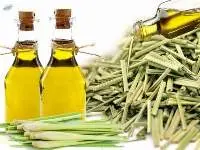
Lemongrass Oil

MOQ: Not Specified
Supplier From Noida, UP, India
Supplier Of Lemongrass Oil   |   Oils   |   Radish   |   Basil   |   Lemon   |   Ties
 Inquire Now  
Having botanical name Cymbopogon flexuosus, Lemongrass Oil offered has its origination in India and comes in pale yellow to radish brown color with a very strong and stimulating characteristic lemon odor. With solubility in alcohol and oils and insolubility in water, it has refractive index of 1.4785 - 1.4890 at 20 C and need to be stored in cool, dry and well ventilated area. Further, the packaging needs to be airtight with due protection provided from sources of ignition, heat and sunlight. With the oil extracted using CO2 extraction process from Cymbopogon citratus of Poaceae family, it is derived from fresh/partly dried leaves and is much in demand for its medicinal properties.

Also known by its common names of cymbopogon, Guatemala lemongrass, the oil blends well with coriander, geranium, basil, cedarwood, jasmine, lavender and tea tree and has main oil constituents of geranyl acetate, nerol, myrcene, citronellal, neral, geraniol. The oil is majorly used for rejuvenating the body and relieving it from stress. Further, it also helps in clearing headaches as well as in helping combat nervous exhaustion. The oil also helps in boosting nervous system and assists in quick recovery after illness. It is also an an effective cure for various respiratory infections.


Specifications :
Botanical Name : Cymbopogon flexuosus
Common Method of Extraction : Steam Distillation
Parts Used : Grass
Note Classification : Base
Aroma : Citrus
Chemical Composition :
The main chemical components of lemongrass oil are myrcene, citronellal, geranyl acetate, nerol, geraniol, neral and traces of limonene and citral
Jan-17-23

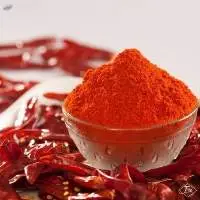
Red Chilly Powder

MOQ: Not Specified
Supplier From Nashik, Maharashtra, India
 Inquire Now  
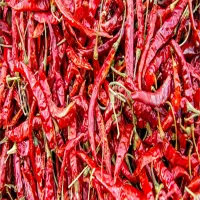
Chilli is a fruit which belongs to Capsicum genus. It has many varieties which are differentiated on its pungency measured on Scoville Scale. Chilli fruit when ripened and dried becomes red chilli, which is further grounded to form red chilli powder. These are categorized as hot pepper. Red chilli became famous all around the world because of its characteristics like pungency, taste and flavor matched black pepper, which was very expensive during old times and thus it became one of the most important and integral spices.

We supply the following dry red chilli varieties:
S4- Sannam red chilli
S17 -Teja red chilli
273- Semi wrinkled red chilli
Byadgi- Fully wrinkled red chilli
Guntur -Sannam red chilli
341- Long red chilli
Ramnad Mundu
Appearance : Bright Red color
Shu (ATSA Method) 20,000 - 90,000
Extraneous Matter : 1 %
Moisture ; 10 % Max
Colour (ATSA Method) : 40 - 160
Damanged & Discoloured : 4% Max
Loose Seeds : 4% Max

Product Specifications:

Product Name : Red chilli- 2013 New
Colour ; 80 ASTA - 100 ASTA
Moisture ; Below 12%
Pungency Heat : 15000 SHU to 20000 SHU
Capsaicin Content : 0.726%
Length : 9 to 11 Cms (without stem)
Skin Thick
Drying Process : 0.726%
Form ; Dried
Shelf Life : Long
Supply Ability : 5000 metric tons / month
Delivery Terms EX WORKS, FOB, CFR, CIF
Packaging Weight ; 4.00 Kgs / 4.50 Kgs / 5.00 Kgs / 10.00 Kgs / 15.00 Kgs / 25.00 Kgs / 35.00 Kgs or as per buyer's requirement
Physical Appearance ; S 273 is Semi wrinkle, long size, dark red in color & less seeds.
Packing ; New Jute Gunny Bags
Delivery terms : Prompt Delivery

Payment terms : 50% Advance Payment will be required to confirm order and Remaining 50 % after loading.
T/T or L/C at Sight

Minimum order quantity 14 Metric tons ( 1 x 40 FT Container)
374731 Processed Food Suppliers
Short on time? Let Processed Food sellers contact you.
GOLD Member
Mar-04-21
Supplier From Kyiv, Ukraine
 Inquire Now
VERIFIED
Oct-14-24
Supplier From Surat, Gujarat, India
 Inquire Now  
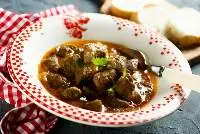
Meat Masala is a versatile spice blend commonly used in Indian cuisine to flavor various meat-based dishes, including curries, gravies, stir-fries, and kebabs. This aromatic and flavorful masala adds depth, richness, and complexity to meat dishes, enhancing their taste and aroma. The precise combination of spices used in Meat Masala may vary depending on regional preferences and personal taste, but it typically includes a mix of warming spices such as coriander, cumin, cardamom, cloves, cinnamon, black pepper, and nutmeg. The process of making Meat Masala involves dry-roasting whole spices to release their essential oils and intensify their flavors. The roasted spices are then ground into a fine powder, resulting in a fragrant and aromatic spice blend.

Meat Masala advantages
Nutritional Benefits
Culinary Creativity
Enhanced Flavor Profile
Convenience
mutton masla 2
Meat Masala usage
Curries and Gravies
Stir-Fries and Saut�©ed Dishes
Kebabs and Tikkas
Snacks and Appetizers
Grilled Meats
Soup and Stews
Each spice contributes its unique flavor profile, with some providing warmth and sweetness while others add pungency and depth. The balance of spices in Meat Masala is crucial to achieving a harmonious blend that enhances the natural flavor of the meat without overpowering it. One of the advantages of Meat Masala is its versatility. It can be used to flavor a wide variety of meat dishes, including chicken, lamb, beef, and goat. Whether used in traditional Indian recipes or creative culinary creations, Meat Masala adds depth, richness, and authenticity to every dish it flavors. Its bold and aromatic flavor profile makes it a staple ingredient in many kitchens, allowing cooks to create delicious and satisfying meat-based meals with ease.

Product type
blanded spices

Packaging Type
Standerd pack, pp bag, as per requirement

Packaging Size
50gm,100gm,250gm, 25kg

Country of Origing
India
VERIFIED
Oct-11-24
Supplier From Surat, Gujarat, India
 Inquire Now  
Shahi Paneer Masala

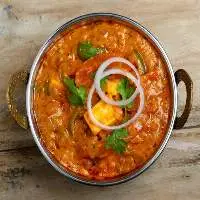
Shahi Paneer Masala is a rich and aromatic spice blend used in the preparation of Shahi Paneer, a popular North Indian dish known for its creamy and flavorful gravy. This masala typically consists of a blend of spices such as coriander, cumin, cardamom, cloves, cinnamon, nutmeg, mace, and saffron. Each spice contributes its unique flavor profile, resulting in a well-balanced and luxurious masala that elevates the taste and aroma of Shahi Paneer. The process of making Shahi Paneer Masala involves toasting whole spices to enhance their flavors before grinding them into a fine powder. This toasting step intensifies the aroma and taste of the spices, resulting in a more flavorful and aromatic masala. Ground spices like saffron and nutmeg are then added to the mix, providing a rich and exotic flavor to the masala.

Shahi Paneer Masala Advantages
Satisfaction Guaranteed
Culinary Creativity
Consistency
Authentic Flavor
panner butter masala 3
Shahi Paneer Masala usage
Shahi Paneer
Vegetarian Curries
Meat-based Dishes
Dip or Sauce
Stuffed Vegetables
Gravies and Sauces

One of the key advantages of using Shahi Paneer Masala is its ability to simplify the cooking process while still achieving authentic and delicious results. By using a pre-mixed spice blend, cooks can save time and effort in the kitchen while ensuring consistent flavor in their Shahi Paneer dishes. Shahi Paneer Masala can be used not only for Shahi Paneer but also for other rich and creamy curries, offering versatility and convenience in culinary preparations.

Product type : blended spices

Packaging Type : Standard pack, pp bag, as per requirement

Packaging Size : 50gm,100gm,250gm, 25kg

Country of Origin : India
VERIFIED
Oct-26-19

Frozen Vegetables Indonesia Origin

$6 - $10
MOQ: 5  Meters
Sample Available
Supplier From Dki Jakarta, Jakarta Timur, Indonesia
 Inquire Now  
Dear sirâ?¦ We as processing for export of FROZEN VEGETABLES Like of POTATO, CARROT, SPINACH, CHAYOTE , SNAPS, BROCCOLI, CORN, MIXED VEGETABLE READY TO EAT Indonesia origin and THIS VEGETABLE FOR EATING after Boiled and/or FRIED. We can supply you regularly and for long time, we are looking for serious and reliable buyer.
VERIFIED
Jun-08-21

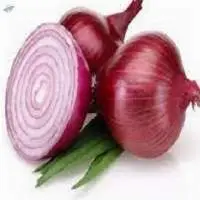
Onion

MOQ: Not Specified
Supplier From Pune, Maharashtra, India
Supplier Of Fresh Onion   |   Tomato Sauce   |   Onion   |   Tomato   |   Fig   |   Ties
 Inquire Now  
Description:An onion is a round vegetable with a brown skin that grows underground. It has many white layers on its inside which have a strong, sharp smell and taste. ... It is made with fresh minced meat, cooked with onion and a rich tomato sauce.
Key Feature:
Packed With Nutrients. Onions are nutrient-dense, meaning they're low in calories but high in vitamins and minerals. ...
May Benefit Heart Health. ...
Loaded With Antioxidants. ...
Contain Cancer-Fighting Compounds. ...
Help Control Blood Sugar. ...
May Boost Bone Density. ...
Have Antibacterial Properties. ...
May Boost Digestive Health.

Origin:India
Hs code :07031010
Minimum order :100 kg
Packaging Details: Importer Wish
VERIFIED
Dec-21-22

Apple

MOQ: Not Specified
Supplier From India
Supplier Of Apple   |   Oils   |   Tomato   |   Eggplant   |   Pumpkin   |   Cucumber
 Inquire Now  
An apple is an edible fruit produced by an apple tree. Apple trees are cultivated worldwide and are the most widely grown species in the genus Malus. The tree originated in Central Asia, where its wild ancestor, Malus sieversii, is still found today. Apples are an incredibly nutritious fruit that offers multiple health benefits. They're rich in fiber and antioxidants. Eating them is linked to a lower risk of many chronic conditions, including diabetes, heart disease, and cancer. Apples may also promote weight loss and improve gut and brain health. The apple is a pome (fleshy) fruit, in which the ripened ovary and surrounding tissue both become fleshy and edible. When harvested, apples are usually roundish, 5â??10 cm (2â??4 inches) in diameter, and some shade of red, green, or yellow in colour; they vary in size, shape, and acidity depending on the variety. Apples, pears, nashi and quince are pome fruits, grown from spring blossom and harvested from late summer through to late autumn. Ten attributes were selected to describe the apple characteristics: fruitiness, acidity, sweetness, juiciness, crispness, hardness, toughness, mealiness, vegetativeness, and astringency. apple, (Malus domestica), fruit of the domesticated tree Malus domestica (family Rosaceae), one of the most widely cultivated tree fruits. The apple is a pome (fleshy) fruit, in which the ripened ovary and surrounding tissue both become fleshy and edible. In Walter Isaacson's biography of Steve Jobs, Jobs reveals: On the naming of Apple, he said he was â??on one of my fruitarian diets.â?? He said he had just come back from an apple farm, and thought the name sounded â??fun, spirited and not intimidating.â?? An apple is an edible fruit produced by an apple tree (Malus domestica). Apple trees are cultivated worldwide and are the most widely grown species in the genus Malus. Most apples are a little sweet and a little tart, but neither characteristic overpowers the other.

Some types of these apples will taste mild, while others will have stand-out flavor. As usually, that depends on the weather and harvest conditions. The rotten apple injures its neighbours. 2 One rotten apple spoils the whole barrel. 3 Don't throw away the apple because of the core. 4 The apple never falls far from the tree. To a botanist, a fruit is an entity that develops from the fertilized ovary of a flower. This means that tomatoes, squash, pumpkins, cucumbers, peppers, eggplants, corn kernels, and bean and pea pods are all fruits; so are apples, pears, peaches, apricots, melons and mangos
VERIFIED
Dec-21-22

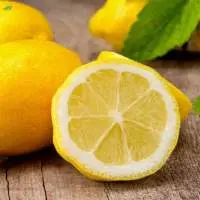
Lemon

MOQ: Not Specified
Supplier From India
Supplier Of Fresh Lemon   |   Seeds   |   Carrot   |   Broccoli   |   Lemon   |   Ties
 Inquire Now  
The lemon is a species of small evergreen trees in the flowering plant family Rutaceae, native to Asia, primarily Northeast India, Northern Myanmar or China. Lemons today are a widely cultivated citrus fruit, with a flavor used in cuisines of countries where no lemon tree would ever grow. Botanically speaking, lemons are classified as citrus fruits and bear little resemblance to traditional vegetables like carrots or broccoli. Scientifically, something is considered a fruit if it's a seed-bearing structure developing from the ovary of a flowering plant. Lemons contain a high amount of vitamin C, soluble fiber, and plant compounds that give them a number of health benefits. Lemons may aid weight loss and reduce your risk of heart disease, anemia, kidney stones, digestive issues, and cancer. Limes are small, round, and green, while lemons are usually larger, oval-shaped, and bright yellow. Nutritionally, they're almost identical and share many of the same potential health benefits. Both fruits are acidic and sour, but lemons tend to be sweeter, while limes have a more bitter flavor. The lemon (Citrus limon) is a species of small evergreen trees in the flowering plant family Rutaceae, native to Asia, primarily Northeast India (Assam), Northern Myanmar or China. Like all produce, lemons contain phytonutrients, which protect your body against disease. These phytonutrients have powerful antioxidant properties, which prevent cell damage from oxidation, the same mechanism that causes rust. Juice half a lemon into your water and you'll add a mere 6 calories to your diet. The true origin of lemons is not entirely known.

They are thought to have originated in north-western India. It is known that lemons were introduced to southern Italy around 200 AD and have been cultivated in Egypt and Iran since 700 AD. The lemon is a round, slightly elongated fruit, it has a strong and resistant skin, with an intense bright yellow colour when it is totaly ripe, giving off a special aroma when it is cut. The pulp is pale yellow, juicy and acid, divided in gores. Lemons are both a fruit and a berry because lemons contain an outer layer, in the form of peel and rind, the middle layer of the lemon, also known as the pulp, is fleshy instead of being hard, and the innermost layer consists of more than two seeds. So, lemon is a berry and a fruit!
VERIFIED
Jul-29-22

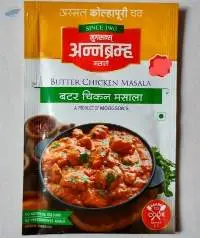
Butter Chicken Masala

$2.50 - $500
MOQ: 100  Kilograms
Sample Available
Supplier From Kolhapur, Maharashtra, India
 Inquire Now  
Ready to cook BUTTER CHICKEN MASALA with easy instructions for use.

Nutritional Information per 100gm (Approx)
Oil/ Fat: 16.10gm
Protein: 7.60gm
Carbohydrates: 40.45gm
Energy: 355.4kcal

Ingredients: Red chili powder, Onion, Ginger- garlic paste, Garam Masala, Cashew, Dried Melon Seeds, Salt.
VERIFIED
Jan-30-21

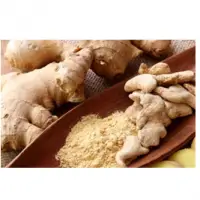
Ginger

MOQ: Not Specified
Supplier From Hubli, Karnataka, India
 Inquire Now  
Research shows that ginger contains hundreds of compounds and metabolites (a substance necessary for metabolism), some of which may contribute to health and healing.

It has long been associated with reducing nausea, pain and inflammation, and is known to enhance digestion of food.

Ginger is an essential ingredient in Indian cuisine, and can be found in dishes like chickpea stew, aloogobi (a dish of potatoes and cauliflower), matarpaneer (cheese and peas in tomato sauce), dal makhani (lentils cooked with butter) and more.
VERIFIED
Jan-30-21

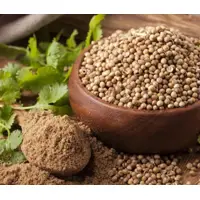
Coriander

MOQ: Not Specified
Supplier From Hubli, Karnataka, India
 Inquire Now  
The plant's seeds and leaves are often featured in Indian cooking as both spice and garnish, and is a key element in garam masala (a blend of ground spices).

This superfood claims to have anti-microbial and anti-fungal properties, and is known to help lower blood pressure, blood sugar levels and cholesterol levels.

You are likely to taste coriander in alootikki (the Indian version of croquette or hash brown) or samosa (a fried or baked triangular puff filled with potatoes, onions, peas or lentils).
VERIFIED
Jan-06-21

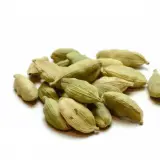
Cardamom Seeds

MOQ: Not Specified
Supplier From Budapest, Hungary
 Inquire Now  
Overview
Cardamom is indigenous to South India but is now cultivated and processed in North Africa and the Middle East, as well as other parts of the world. This is perhaps one of the costliest herbs to buy. The green pods contain small, black seeds that give of a strong lemon-like aroma and flavour.

Common Uses
Cardamom works well with both sweet and savoury dishes. Fruit and nut-based desserts are elevated by adding cardamom to the mix. Cardamom is also worthy replacement of allspice in dishes that require it. It is best accompanied in pumpkin, squash and sweet potato dishes. It also works wonders in tomato-based stews. In North Africa and the Middle East, people often add a handful of cardamom pods to a pot of stock while chicken or duck is cooked.

Recommended Storage
The most important point is that dried herbs and spices can never go bad if they are kept dry. Yes, the potency is lost, but it will still influence the flavor of your cooking.
Seeds, roots, leaves and flowers last longer than crushed or ground herbs and spices. When you are preparing to store your dry herbs and spices it is vital that they are completely dry. A good indication is to rub it with your finger to check if it crumbles. As oxygen degrades dried herbs and spices over time, you should store them in airtight containers. Glass jars with sealable lids are perfect, and so are metal tins. Plastic won't do for long terms storage. Sunlight also degrades dried herbs and spices; therefore, it should be stored in a dark cabinet that is both cool and dry. If your spice rack is near the stove or cooker, steam will degrade your herbs and spices each time you open the container while cooking. When buying in bulk, you should always store only some of the dried herbs and spices in a glass or metal container. Each time you open it, it is exposed to the elements. When buying in bulk it is useful to label your containers with the purchase date and discard date.
VERIFIED
Mar-16-19

Maggi Masala

$2.72K
MOQ: 500  Inches
Sample Available
Supplier From Ghaziabad, Uttar Pradesh, India
 Inquire Now  
The secret ingredients of Maggi Masala has intrigued us all since decades. There is something special about this delicious masala that adds taste to any dish that it is used in. But how is the masala made? Here is the secret recipe of Maggi Masala that you will surely thank us for!

2 teaspoons onion powder, 1 teaspoons garlic powder, 2 teaspoons coriander seeds, 2 red chilli, 1/4 teaspoon turmeric powder, 2 teaspoon cumin (jeera), 1/2 teaspoon pepper powder, 2 teaspoon fenugreek seeds, 1 teaspoon ginger powder, 1/2 teaspoon garam masala, 1 teaspoons sugar, 1/2 teaspoons red chilli flakes, 1 tablespoon corn flour 1/2 teaspoon aamchoor (dry mango) powder, 1/2 teaspoon salt, 1 teaspoon black pepper
May-08-17

Fresh Guava

$2
MOQ: 1500  Inches
Sample Available
Supplier From Khon Kaen, Thailand
Supplier Of Fruits   |   Seeds   |   Onion   |   Ginger   |   Green Chilli   |   Lemon   |   Lychee   |   Fresh Mango
 Inquire Now  
Thai Name: Farang
Scientific Name: Psidium Guajava
Season Availability: All around the year
Thai guavas are known as Farang in Thai, which is the same word used to denote a foreigner or an item that was a western import into Thai culture. The fruit derived its name because it originated from tropical America.The flesh is white with pale yellow seeds. Thai guavas are only midly sweet and have very little fragrance. The crunchy flesh and hard seeds are both edible. Guavas are an excellent source of vitamin C and potassium.
Price 2-3 Usd / Kilogram
Packing details 18 kg box
Below is a list of our available products
Fresh Vegetables
Fresh Ginger
Fresh Green Chilli
Fresh Lemon
Fresh Onions
Fresh Fruits
Fresh Bananas
Fresh Mangoes
Fresh Pineapples
Fresh Watermelon
Fresh Apricot
Fresh Avocado
Fresh Banana
Fresh Coconut
Jack fruit
Fresh Guava
Fresh Kiwifruit
Fresh Lemon
Fresh Lime
Fresh Longan
Durian
Rambutan
Pull-up Tab Coconut
Lychee
Pineapple Large
Sour tamarind with seed
Sweet Tamarind Seethong
Tropica starch food grade
Frozen Durian with Seed A
Frozen Durian with Seed B
Frozen baby pineapple
Green Husked Coconut
Dried fruits
Frozen fruits
Krunch king brand
Sour tamarind from thailand
GOLD Member
VERIFIED
Aug-03-26
Supplier From Mumabi, Maharashtra, India
 Inquire Now
Aug-31-23

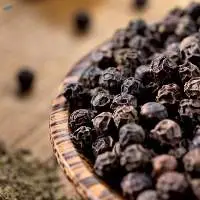
Black Peppers

$6
MOQ: 100  Grams
Supplier From London, United Kingdom
 Inquire Now  
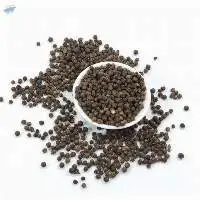
Black pepper (Piper nigrum) is a commonly used spice that comes from the berries of the pepper plant. It is one of the most widely used and traded spices in the world and is known for its pungent and spicy flavor. Here are some key points about black pepper:

Origin and Growth: Black pepper is native to India and has been cultivated for thousands of years. It is now grown in various tropical regions around the world.

Processing: Black pepper is produced by drying the unripe green berries of the pepper plant. These berries, known as peppercorns, are then cooked and dried, which causes them to turn black and develop their characteristic wrinkled appearance.

Flavor and Aroma: Black pepper has a sharp, spicy, and slightly woody flavor. It is often used to add heat and depth to a wide variety of dishes. The aroma is strong and distinctive.

Culinary Uses: Black pepper is a staple in kitchens around the world. It is used as a seasoning in both savory and sweet dishes. It's commonly used in marinades, sauces, soups, stews, and as a tabletop condiment.

Health Benefits: Black pepper is not just a flavorful spice; it also has potential health benefits. It contains a compound called piperine, which may have antioxidant and anti-inflammatory properties. Some studies suggest that piperine might enhance the absorption of certain nutrients in the digestive tract.

Varieties: Apart from black pepper, there are other varieties such as white pepper (where the outer layer is removed before drying), green pepper (unripe berries), and red pepper (ripe berries). Each variety has its own unique flavor profile.

Culinary Pairings: Black pepper pairs well with a wide range of foods, including meats, poultry, seafood, vegetables, and even certain fruits. It's often combined with other spices to create various seasoning blends.

Storage: To maintain its flavor and aroma, it's best to store black pepper in an airtight container in a cool, dark place.

Cultural Significance: Black pepper played a significant role in historical trade routes and was highly prized in ancient times. It's been used not only for culinary purposes but also for medicinal and preservation purposes.

Overall, black pepper is a versatile and essential spice in cooking, adding both flavor and a touch of warmth to dishes.
Jun-24-21
Supplier From Dubai, United Arab Emirates
 Inquire Now  
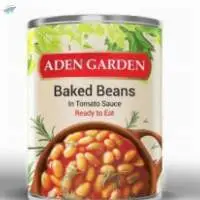
Product Name - Baked Beans In Tomato Sauce

Size - 24 X 400 G

Brand - Aden Gardens

Ingredients
Navy Beans, Water, Sugar, Tomato Paste, Modified Starch (E 1422), Thickener, Salt, Onion, Chili, Garlic, Cinnamon, White Pepper, Calcium Disodium EDTA(E385) for Color retention
Nutritional information
Net Weight : 400 g - Energy: 102 Kcal - Total Carbohydrate: 19.2g - Dietary Fiber: 7.7g - Added Sugar: 1.5 g - Protein: 4.5g - Sodium: 230mg
Jan-14-20

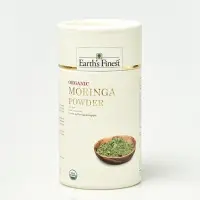
Moringa Powder

$0
MOQ: Not Specified
Sample Available
Supplier From Wellawatta, Colombo, Sri Lanka
Supplier Of Herbal Extracts   |   Milk   |   Carrot   |   Spinach   |   Fig   |   Acids   |   Ties
 Inquire Now  
Moringa Powder

Moringa, is a Superfood that has been used in ancient Sri Lankan Ayurveda remedies for thousands of years due to its many versatile benefits. The Moringa tree has been considered as one of the most nutritious plants ever discovered, with most of its benefits concentrated in its small green leaves.

Earth's Finest Moringa leaves are harvested from organically grown trees in Sri Lanka. The finest leaves are handpicked and sun dried to preserve its goodness. Every box contains organic leaves which are naturally dried and then powdered. Thereafter the powder is screened to remove any impurities and then immediately sealed in bags to retain freshness.

Do you know what Moringa contains

7X more Vitamin C than Oranges
4X more Vitamin A than Carrots
4X more Calcium than Milk
3X more Iron than Spinach
3X more Potassium than Banana
2X more Protein than Yogurt


In addition, Moringa also is a rich source of:

Vitamins and Minerals such as Vitamin A, B1, B2, B3, B6, B7, C, D, E, K
Contains over 20 types of Amino-Acids such as Isoleucine, Leucine, Tryptophan, Phenylalanine and more.
46 Antioxidants.
36 Anti-inflammatory compounds.
More than 90 nutrients.

Moringa is one of the best all-natural, all-inclusive, nutritional supplements. This powerful powder helps fights inflammation, protects the cardiovascular system, supports brain health and protects the liver amongst many other benefits. Moringa leaves consists of 25% Protein, which is unusually high for a plant which is why the dried leaf powder is preferred over fresh leaves because it is more nutritious. Sometimes it contains ten times more specific nutrients in comparison to fresh Moringa leaves.

Moringa powder is known to prevent and help treat over 300 diseases including:

Malnutrition
Diabetes
Cancer
Hepatitis
Impotency
Infertility
Acid Reflux
Ulcer
Tumors
Menstrual Problems
Parasitic infections
Constipation
Inflammation
Viruses
Prostate Problems
Arthritis
Osteoporosis
Hepatitis
Acne
There are other benefits as well as it:

Helps balance Hormones
Slows down the effects of Aging
Helps improve digestive health
Balances Blood Sugar levels
Helps fight Diabetes
Protects and nourishes the Skin
Helps stabilize your mood
Protects Brain health.
Jan-15-24

Black Pepper

$4.82 - $6.63
MOQ: Not Specified
Sample Available
Supplier From Belgaum, Karnataka, India
 Inquire Now  
Black pepper (Piper nigrum) is one of the most widely used and traded spices in the world. It comes from the berries of the pepper plant, and its culinary uses extend across various cuisines. Here are some key aspects of black pepper:

Origin: Black pepper is native to the Malabar Coast of India but is now grown in tropical regions around the world. India, Vietnam, Indonesia, and Brazil are among the largest producers.

Plant Description: Black pepper is obtained from the dried, unripe berries of the Piper nigrum vine. The berries are known as peppercorns.

Peppercorns: The peppercorns start as green berries and turn black during the drying process. They are then ground to produce black pepper powder. If the berries are harvested earlier and sun-dried, they retain a green color, resulting in green peppercorns. White pepper is made by removing the outer layer of the ripe berries before drying.

Flavour Profile: Black pepper has a pungent and mildly spicy flavor. Its heat comes from the compound piperine, which is responsible for the characteristic kick in black pepper.

Health Benefits: Besides its culinary uses, black pepper is believed to have potential health benefits. Piperine, the active compound in black pepper, has been studied for its antioxidant and anti-inflammatory properties. It is also thought to aid digestion and enhance nutrient absorption.

Grinding Fresh: For the best flavor, many chefs and home cooks prefer to grind black pepper freshly using a pepper mill. This helps preserve the volatile oils responsible for its aroma and taste.

Storage: Whole peppercorns retain their flavor for a longer time compared to ground pepper. It's recommended to store both whole and ground black pepper in a cool, dark place in airtight containers.
Dec-14-22
Supplier From Coimbatore, Tamilnadu, India
 Inquire Now  
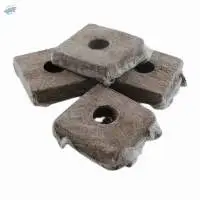
Coir propagation block is a culture media used in nurseries for plant propagation, the growth of flowers and vegetables, and the germination of 100% natural seeds. You can create air pockets in your growing media by adding coco fiber. Since the fiber isn't particularly absorbent, it aids in maintaining oxygen access to the roots of your plants. Our coir propagation blocks are made with utmost care while selecting raw materials since the Kalium level plays a significant role in the germination process.

Suitable Crops:
Cucumber
Chilli
Tomato
Strawberry
Brinjal
Ginger
Aug-16-23
Supplier From Hyderabad, Telangana, India
 Inquire Now  
Chicken Masala is a spice blend specifically crafted for seasoning and adding flavor to chicken dishes When exporting Chicken Masala from India its important to provide a comprehensive description Heres an overview

By exporting our authentic Chicken Masala you can introduce the authentic flavors of Indian cuisine to customers worldwide enhancing their chicken dishes with the exquisite blend of spices and herbs

Ingredients Our Chicken Masala is made from a carefully selected combination of spices and herbs that are known to complement the flavor of chicken The typical ingredients include coriander seeds cumin seeds turmeric red chili powder black pepper cinnamon cardamom cloves ginger garlic and other aromatic spices These ingredients are expertly blended to create a balanced and flavorful masala

Distinct Flavor and Aroma Chicken Masala offers a unique flavor profile that enhances the taste of chicken dishes It has a savory slightly spicy and aromatic taste with a hint of warmth from the spices The masala adds depth and complexity to the chicken making it more flavorful and enjoyable

Usage Chicken Masala is specifically designed for seasoning chicken dishes It can be used as a dry rub or a marinade for chicken pieces chicken breasts or whole chicken The masala can be applied to the chicken before grilling baking or panfrying to infuse it with the flavors It can also be added to chicken curries stews or biryanis during the cooking process to enhance the overall taste

Preparation To use Chicken Masala simply coat the chicken with the masala blend ensuring it is evenly distributed on all sides Allow the chicken to marinate for some time to absorb the flavors before cooking The cooking method can vary based on personal preferences and the type of chicken dish being prepared The masala can be adjusted according to desired spiciness levels
Aug-16-23
Supplier From Hyderabad, Telangana, India
 Inquire Now  
Fish Masala is a spice blend specifically formulated for seasoning and enhancing the flavor of fish dishes When exporting Fish Masala from India its important to provide a detailed description Heres an overview

By exporting our authentic Fish Masala you can introduce the flavors of Indian cuisine to customers worldwide and enhance their fish dishes with the rich and aromatic blend of spices

Ingredients Our Fish Masala is made using a carefully selected combination of spices and herbs that complement the delicate flavor of fish The typical ingredients include coriander seeds cumin seeds fennel seeds turmeric red chili powder black pepper ginger garlic cinnamon cardamom cloves and other aromatic spices These ingredients are expertly blended to create a balanced and flavorful masala

Distinct Flavor and Aroma Fish Masala offers a unique flavor profile that enhances the natural taste of fish It has a savory and slightly spicy taste with a hint of warmth from the aromatic spices The aroma is aromatic and enticing with the fragrant notes of the spices enhancing the overall sensory experience of the dish

Usage Fish Masala is specifically designed for seasoning fish dishes It can be used as a dry rub or a marinade for fish fillets steaks or whole fish The masala adds depth and complexity to the fish elevating its flavor and making it more enjoyable It can be used in various cooking methods such as grilling baking panfrying or even in fish curries and stews

Preparation To use Fish Masala simply coat the fish with the masala blend ensuring it is evenly distributed on all sides Allow the fish to marinate for some time to absorb the flavors before cooking The cooking method can vary based on personal preferences and the type of fish being used The masala can also be added to fish curries or stews during the cooking process to enhance the overall flavor

Packaging and Shelf Life Our Fish Masala is carefully packaged to maintain its freshness and aroma It is available in various packaging options including pouches jars or bulk containers to meet your export requirements Proper packaging ensures a longer shelf life preserving the quality and flavor of the masala

Exporting We can assist you in exporting our highquality Fish Masala ensuring that it meets the required quality standards and regulations Our expertise in export processes and documentation will help facilitate a smooth and reliable export experience
Aug-16-23

Rasam Powder

MOQ: Not Specified
Supplier From Hyderabad, Telangana, India
 Inquire Now  
Rasam Powder is a traditional spice blend used in South Indian cuisine to prepare Rasam a tangy and flavorful souplike dish When exporting Rasam Powder from India its important to provide a detailed description Heres an overview

By exporting our authentic Rasam Powder you can introduce the flavors of South Indian cuisine to customers worldwide Its unique taste and versatility make it a popular choice among those who appreciate the vibrant and diverse flavors of Indian spices

Ingredients Our Rasam Powder is crafted using a blend of aromatic spices and herbs carefully selected for their flavor and medicinal properties The typical ingredients include coriander seeds cumin seeds black pepper red chili fenugreek seeds turmeric curry leaves asafoetida and other spices These ingredients are skillfully combined to create a balanced and aromatic flavor profile

Distinct Flavor and Aroma Rasam Powder offers a unique blend of flavors including spicy tangy and slightly sour notes It has a rich aroma that is both appetizing and comforting The combination of spices gives Rasam its characteristic taste and makes it a popular dish in South Indian cuisine

Usage Rasam Powder is primarily used to prepare Rasam a traditional South Indian soup It can also be used as a flavor enhancer in other dishes like lentil soups stews and curries Rasam Powder adds depth warmth and complexity to the dish imparting its signature tanginess and spiciness

Preparation To make Rasam the Rasam Powder is typically mixed with tamarind pulp tomatoes lentils and other ingredients to create a flavorful broth The powder is added during the cooking process to infuse the dish with its distinct taste The preparation method may vary based on regional preferences and personal recipes

Packaging and Shelf Life Our Rasam Powder is carefully packaged to maintain its freshness and aroma It is available in various packaging options including pouches jars or bulk containers to meet your export requirements Proper packaging ensures a longer shelf life preserving the quality and flavor of the Rasam Powder

Nutritional Profile Rasam Powder is primarily a blend of spices and herbs which contribute to its flavor and aroma While it doesnt have significant nutritional value in terms of macronutrients the individual spices used in the blend may offer various health benefits due to their antioxidant antiinflammatory and digestive properties
Feb-07-22

White Pepper

$0.20
MOQ: 20  Metric Tonnes
Sample Available
Supplier From Bangalore, Karnataka, India
 Inquire Now  
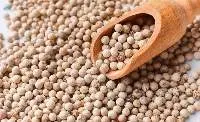
We offer premium quality White Pepper and white pepper Powder that can be used in pickling spices, marinades, sauces, soups, seasoning and salads. It is popular spice used in European cuisine as it adds taste and amazing aroma. Our White Pepper Powder and longer shelf life and high purity. The White Pepper is milder delicate flavor compared to black pepper as it contains lesser Pipeline, the volatile oil.Properties of White Paper Shape: Round, Size: 5 mm, Color: White, Taste: Sharp, Pungent and Earthy flavor.
Healthâ??s Benefits of White Pepper are Improve Digestion, Improve Skin, Cures Cough, Help Weight loss, Cure Bacterial Infection, Improve Hair Health, Promote Heart health, Control Blood Sugar, Cures Tooth Problem, Prevent CancerLower Blood Pressure, Improve Brain Function, Prevent Heart Diseases, Treat Liver ProblemCure Arthritis.
Apr-11-23

Coconut Powder

$5
MOQ: 100  Kilograms
Sample Available
Supplier From Xian, Shaanxi, China
 Inquire Now  
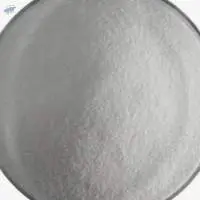
Product Name: Coconut juice powder,Coconut Powder
Latin name: Cocos nucifera L. cv.
Place of Origin: Hainan Province,China
Part of Used: Fruits
Appearance: White Fine Powder, no lumps, no visible impurities
Production Method: SD(Spraying Drying)
Specification: 50-400mesh according to customer requests

Product Introduction of Coconut Powder:
Coconut milk powderis a fine, white powder used inSoutheast Asianand other cuisines. Coconut milk powder is manufactured through the spray drying process of raw unsweetenedcoconut creamand is reconstituted withwaterfor use in recipes that call forcoconut milk. Many commercially available coconut milk powders listmilkorcaseinamong their ingredients
Feb-08-24
Supplier From Ahmedabad, Gujarat, India
 Inquire Now  
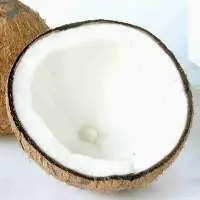
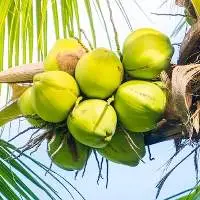
Water coconuts are also called young, green or immature coconuts. Cracked open, the liquid found inside is called coconut water which is not to be. confused with coconut milk. Coconut water has long been a popular drink in the tropics.
Aug-05-25

Brinjal, A- grade

$0.22 - $0.27 / Kilogram (FOB)
MOQ: 2  Metric Tonnes
Sample Available
Supplier From Dwarka, Gujarat, India
 Inquire Now  
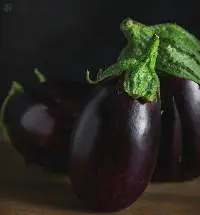
Brinjal, known as eggplant, is a versatile vegetable that can be used in various culinary styles. It is a fruit cultivated from the flowering portion of the plant and has seeds. Brinjal is part of the Solanaceae family, which includes potatoes, tomatoes, and peppers. It is commonly grown in India during the kharif season but can also be grown as rabi or zaid crops in hybrid polyhouses. Brinjal thrives in warm climates with temperatures between 25-30C and requires moderate humidity levels for optimal growth.
Aug-09-24
Supplier From New Delhi, Delhi, India
 Inquire Now  
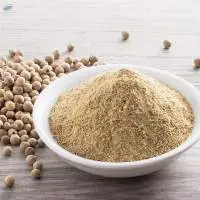
White pepper powder is a versatile spice derived from the dried berries of the Piper nigrum plant, the same vine that produces black pepper. However, white pepper is processed differently, resulting in its distinctive flavor profile and appearance.

Processing: To produce white pepper, ripe pepper berries are harvested and soaked in water to remove the outer skin. The berries are then dried, either under the sun or through mechanical drying methods. This process results in the removal of the outer layer, leaving behind the inner seed, which is then ground into a fine powder.
Appearance and Flavor:Unlike black pepper, which retains its outer skin, white pepper has a light beige to creamy white color. Its flavor is milder and less pungent compared to black pepper, with subtle earthy, floral, and spicy notes. White pepper powder is often preferred in dishes where a more delicate pepper flavor is desired, as it doesnâ??t visually detract from lighter-colored sauces or dishes.

Culinary Uses:White pepper powder is a versatile spice commonly used in a wide range of culinary applications. It adds a gentle warmth and depth of flavor to dishes without the dark specks associated with black pepper. White pepper is frequently used in creamy sauces, soups, stews, mashed potatoes, and dishes where a subtle pepper flavor is desired without the visual presence of black specks. Itâ??s also a popular choice for seasoning light-colored meats, poultry, seafood, and vegetables.

Health Benefits: Like black pepper, white pepper contains bioactive compounds such as piperine, which may offer potential health benefits. These include aiding digestion, improving nutrient absorption, and possessing antioxidant properties. Additionally, some traditional medicine systems suggest that white pepper may have anti-inflammatory and antimicrobial properties.

Storage: To preserve its flavor and potency, white pepper powder should be stored in an airtight container in a cool, dry place away from direct sunlight. Properly stored, it can maintain its quality for up to a year or more.

In summary, white pepper powder is a subtle yet flavorful spice that adds a gentle heat and depth of flavor to a wide variety of dishes, making it a valuable addition to any spice collection
May-08-25

1-Naphthaleneacetic Acid, AAA

$30 - $40 / Kilogram (FOB)
MOQ: 1  Kilograms
Sample Available
Supplier From Shijiazhuang City, China
 Inquire Now  
It is a broad-spectrum plant growth regulator. It can promote cell division and expansion, induce the formation of adventitious roots, increase fruit setting, prevent fruit drop, and change the ratio of female to male flowers, etc. Naphthylacetic acid can enter the plant body through the tender epidermis of leaves and branches and seeds, and be transported to the action site along with the nutrient flow. It is usually used for wheat, rice, cotton, tea, mulberry, tomato, apple, melon, potato, forest tree, etc., and is a good plant growth stimulant. When used to prevent fruit drop, the concentration should not be too high; otherwise, it may have the opposite effect, as high concentrations of naphthalene acetic acid can promote the production of ethylene in plants. When used for root promotion, it is advisable to mix it with indoleacetic acid or other agents that have root-promoting effects. Although the root-promoting effect of crops is good when naphthalene acetic acid is used alone, the growth of seedlings is not ideal. When spraying fruits and melons, it is advisable to evenly wet the leaf surface. For field crops, the general spraying amount of the liquid is about 7.5kg per 100 square meters, and for fruit trees, it is 11.3 to 19kg per 100 square meters. Treatment concentration: For fruits and melons, spray 10 to 30mg/L; for wheat, soak the seeds at 20mg/L for 6 to 12 hours; for cotton, spray 2 to 3 times during the full flowering period at 10 to 20mg/L. This product can be mixed with common insecticides, fungicides and fertilizers. The effect is better on sunny days without rain.
May-08-25

1-Naphthaleneacetic Acid, AAA

$1 - $20 / Kilogram (FOB)
MOQ: 1  Kilograms
Sample Available
Supplier From Shijiazhuang City, China
 Inquire Now  
Broad-spectrum plant growth regulator. It can promote cell division and expansion, induce the formation of adventitious roots, increase fruit setting, prevent fruit drop, and change the ratio of female to male flowers, etc. Naphthylacetic acid can enter the plant body through the tender epidermis of leaves and branches and seeds, and be transported to the action site along with the nutrient flow. It is usually used for wheat, rice, cotton, tea, mulberry, tomato, apple, melon, potato, forest tree, etc., and is a good plant growth stimulant. When used to prevent fruit drop, the concentration should not be too high; otherwise, it may have the opposite effect, as high concentrations of naphthalene acetic acid can promote the production of ethylene in plants. When used for root promotion, it is advisable to mix it with indoleacetic acid or other agents with root-promoting effects. Although the root-promoting effect of crops is good when naphthalene acetic acid is used alone, the growth of seedlings is not ideal. When spraying fruits and melons, it is advisable to evenly wet the leaf surface. For field crops, the general spraying amount of the liquid is about 7.5kg per 100 square meters, and for fruit trees, it is 11.3 to 19kg per 100 square meters. Treatment concentration: For fruits and melons, spray 10 to 30mg/L; for wheat, soak the seeds at 20mg/L for 6 to 12 hours; for cotton, spray 2 to 3 times during the full flowering period at 10 to 20mg/L. This product can be mixed with common insecticides, fungicides and fertilizers. The effect is better on sunny days without rain.
GOLD Member
VERIFIED
Dec-04-25
Supplier From Pune, Maharashtra, India
 Inquire Now
GOLD Member
Apr-06-18
Supplier From Huntersville, United States
 Inquire Now
VERIFIED
Nov-14-17

Dry Red Chillies

MOQ: 10  Inches
Sample Available
Supplier From Chennai, Tamil Nadu, India
Supplier Of Spices   |   Dry Red Chilli   |   Curry Powder   |   Caps   |   Sauces   |   Tomato   |   Green Chilli   |   Ties
 Inquire Now  
Dried Red Chilli

ed chilles, also known as Mirchi in India is believed to as old as 7000 B.C. Today, more than 400 different varieties of chillies are found all over the world. The world"s hottest chilli "Naga Jolokia" is cultivated in hilly terrain of Assam in a small town called Tezpur in India. Chillies have many medicinal properties that stimulate good digestion and endorphins and are natural pain killer that relieves pain.

Chilly has two important commercial varieties. Some varieties are famous for red colour because of the pigment capsanthin, others are known for biting pungency attributed by capsaicin. Dry chilly, produced by Shimla Hills is extensively used as spice in curried dishes. It is also used as an ingredient in curry powder and in seasonings. Dry red chillies are very rich in vitamin C and pro-vitamin A.

Single Strength Specification:

Varieties of Red Chillies :

S-4
Teja
Tomato Chilli
India Wrinkle Chilli
Naga Jolokia

Uses :

Dry chilly is extensively used as spice in curried dishes. It is also used as an ingredient in curry powder and in seasonings. Bird chilly is used in making hot sauces as pepper sauce and Tabsco sauce.

Medicinal Properties :

Red chillies are very rich in vitamin C and pro-vitamin A. Yellow and especially green chillies (which are essentially unripe fruit) contain a considerably lower amount of both substances. In addition, they are a good source of most B vitamins and vitamin B6 in particular. They are very high in potassium and high in magnesium and iron. Their high vitamin C content can also substantially increase the uptake of non-heme iron from other ingredients in a meal, such as beans and grains. Chillies are a vital source of vitamin C content i.e. 91 milligrams in 1/4 cup of fresh chillies. Though we don't eat chilli in large quantities, the amount of vitamin C is still significant. Red chillies are full of beta-carotene.
GOLD Member
VERIFIED
Jul-04-03
Supplier From Navi Mumbai, Maharashtra, India
 Inquire Now
Mar-18-19

Low Fat Dessicated Coconut

$0.50 - $0.90
MOQ: 14  Tons (UK)
Sample Available
Supplier From Ho Chi Minh, Ho Chi Minh, Viet Nam
 Inquire Now  
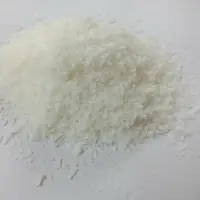
Desiccated coconut, sometimes referred to as Coconut Powder, is a dehydrated form of white coconut meat from freshly selected mature coconut kernels. It is prepared from substantially sound white kernel obtained from the whole nut of coconut (Cocos nucifera). Desiccated coconuts have to be processed in an appropriate manner, undergoing operations such as de-husking (the removal of the husk, leaving the shell intact), hatcheting (the removal of the shell), paring (the removal of the brown skin around the kernel), washing, comminuting, drying (to humidity level below 3%) and sifting. They can be produced without oil extraction or with partial oil extraction by appropriate physical means.
Preservatives are allowed for use in production of desiccated coconuts and the most common in practice is sulphur dioxide. Also citric acid is allowed for use as the antioxidant.
Table 1: Combined Nomenclature code for desiccated coconuts
Number Product
080111 Coconuts, desiccated
Product Specification
Quality
For detailed standard quality requirements please refer to Codex Alimentarius Standard for Desiccated Coconut
The basic quality requirements for desiccated coconuts are:
Colour: natural white to light creamy
Texture: free-flowing and free from yellow specks
Flavour: distinctive coconut flavour without off-flavours due to deterioration or absorption of extraneous substances.
Odour: The odour shall be characteristic of the product, shall not be mouldy, cheesy, smoky, fermented or rancid, and shall not possess any undesirable odour.
Oil content: According to the oil content, desiccated coconuts are in trade practice commonly divided into 2 categories:
1. High fat Desiccated Coconut (sometimes referred as 'full fat') with equal or more than 60% m/m of oil. It is dehydrated form of white coconut meat from freshly selected mature kernels.
2. Low fat Desiccated Coconut with less than 60% m/m of oil. It is a dehydrated form of white coconut meat after extraction of the Coconut milk. The fat content of this product can vary but is usually in the range of 45% - 55%.
Additional quality requirements
Mar-18-19

Desiccated Coconut Low Fat & High Fat

$0.50 - $0.90
MOQ: 14  Tons (UK)
Sample Available
Supplier From Ho Chi Minh, Ho Chi Minh, Viet Nam
 Inquire Now  
Desiccated coconut, sometimes referred to as Coconut Powder, is a dehydrated form of white coconut meat from freshly selected mature coconut kernels. It is prepared from substantially sound white kernel obtained from the whole nut of coconut (Cocos nucifera). Desiccated coconuts have to be processed in an appropriate manner, undergoing operations such as de-husking (the removal of the husk, leaving the shell intact), hatcheting (the removal of the shell), paring (the removal of the brown skin around the kernel), washing, comminuting, drying (to humidity level below 3%) and sifting. They can be produced without oil extraction or with partial oil extraction by appropriate physical means.
Preservatives are allowed for use in production of desiccated coconuts and the most common in practice is sulphur dioxide. Also citric acid is allowed for use as the antioxidant.
Table 1: Combined Nomenclature code for desiccated coconuts
Number Product
080111 Coconuts, desiccated
Product Specification
Quality
For detailed standard quality requirements please refer to Codex Alimentarius Standard for Desiccated Coconut
The basic quality requirements for desiccated coconuts are:
Colour: natural white to light creamy
Texture: free-flowing and free from yellow specks
Flavour: distinctive coconut flavour without off-flavours due to deterioration or absorption of extraneous substances.
Odour: The odour shall be characteristic of the product, shall not be mouldy, cheesy, smoky, fermented or rancid, and shall not possess any undesirable odour.
Oil content: According to the oil content, desiccated coconuts are in trade practice commonly divided into 2 categories:
1. High fat Desiccated Coconut (sometimes referred as 'full fat') with equal or more than 60% m/m of oil. It is dehydrated form of white coconut meat from freshly selected mature kernels.
2. Low fat Desiccated Coconut with less than 60% m/m of oil. It is a dehydrated form of white coconut meat after extraction of the Coconut milk. The fat content of this product can vary but is usually in the range of 45% - 55%.
Additional quality requirements
Mar-18-19

Desiccated Coconut Low Fat

$0.50 - $0.90
MOQ: 14  Tons (UK)
Sample Available
Supplier From Ho Chi Minh, Ho Chi Minh, Viet Nam
 Inquire Now  
Desiccated coconut, sometimes referred to as Coconut Powder, is a dehydrated form of white coconut meat from freshly selected mature coconut kernels. It is prepared from substantially sound white kernel obtained from the whole nut of coconut (Cocos nucifera). Desiccated coconuts have to be processed in an appropriate manner, undergoing operations such as de-husking (the removal of the husk, leaving the shell intact), hatcheting (the removal of the shell), paring (the removal of the brown skin around the kernel), washing, comminuting, drying (to humidity level below 3%) and sifting. They can be produced without oil extraction or with partial oil extraction by appropriate physical means.
Preservatives are allowed for use in production of desiccated coconuts and the most common in practice is sulphur dioxide. Also citric acid is allowed for use as the antioxidant.
Table 1: Combined Nomenclature code for desiccated coconuts
Number Product
080111 Coconuts, desiccated
Product Specification
Quality
For detailed standard quality requirements please refer to Codex Alimentarius Standard for Desiccated Coconut
The basic quality requirements for desiccated coconuts are:
Colour: natural white to light creamy
Texture: free-flowing and free from yellow specks
Flavour: distinctive coconut flavour without off-flavours due to deterioration or absorption of extraneous substances.
Odour: The odour shall be characteristic of the product, shall not be mouldy, cheesy, smoky, fermented or rancid, and shall not possess any undesirable odour.
Oil content: According to the oil content, desiccated coconuts are in trade practice commonly divided into 2 categories:
1. High fat Desiccated Coconut (sometimes referred as 'full fat') with equal or more than 60% m/m of oil. It is dehydrated form of white coconut meat from freshly selected mature kernels.
2. Low fat Desiccated Coconut with less than 60% m/m of oil. It is a dehydrated form of white coconut meat after extraction of the Coconut milk. The fat content of this product can vary but is usually in the range of 45% - 55%.
Additional quality requirements
GOLD Member
VERIFIED
Mar-14-26
Supplier From Sharjah, United Arab Emirates
 Inquire Now
GOLD Member
Jul-05-23
Supplier From Merkez Efendi, Denizli, Turkey
 Inquire Now
May-24-18

Billa Mix

$1.00K
MOQ: 25  Meters
Sample Available
 Inquire Now  
â??Micronutrients are elements which are essential for plant growth, but are required in much smaller amounts than those of the primary nutrients; nitrogen, phosphorus and potassium. The micronutrients are boron (B),copper (Cu), iron (Fe), manganese (Mn), molybdenum (Mo), zinc (Zn), and chloride (Cl). While chloride is a micronutrient, deficiencies rarely occur in nature, so discussions on supplying micronutrient fertilizers are confined to the other six micronutrients.

Deficiencies of micronutrients have been increasing in some crops. Some reasons are higher crop yields which increase plant nutrient demands, use of high analyses NPK fertilizers containing lower quantities of micronutrient contaminants, and decreased use of farmyard manure on many agricultural soils. Micronutrient deficiencies have been verified in many soils through increased use of soil testing and plant analyses.

The most common method of micronutrient application for crops is soil application. Recommended application rates usually are less than 10 lb./acre (on an elemental basis), so uniform application of micronutrient sources separately in the field is difficult. Therefore, both granular and fluid NPK fertilizers are commonly used as carriers of micronutrients. Including micronutrients with mixed fertilizers is a convenient method of application and allows more uniform distribution with conventional application equipment. Costs also are reduced by eliminating a separate application.

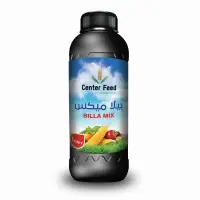
Product name : Billa Mix
Chemical Properties :
1-Zinc (Zn):0.5%w/v
2-Iron (Fe):5%w/v
3-Copper (Cu):1%w/v
4-Sulfur (S):5%w/v
5-Molybdenur (Mo):0.85%w/v
6-Citric Acid:1%w/v
7-Scorbic Acid:0.5%w/v
Physical Properties Form : Liquid
Solubility Fully Water Soluble : Fully Water Soluble
PH (1g /100ml ): 5-6
TDS 10 g / L: 900 ppm
Color:  Yellow
Package: plastic bottle Drum
Size: 1 Liter, 20 Liter, 200 Liter, 1000 Liter
Place of Origin: Egypt
Oct-22-22
Supplier From Bandung, , Indonesia
 Inquire Now
Aug-23-22
Supplier From Trinidad and Tobago
 Inquire Now
Jul-29-22
Supplier From Tiruppur, Tamil Nadu, India
 Inquire Now
Apr-20-22
Supplier From Belgaum, karnataka, India
 Inquire Now
Jan-20-22
Supplier From Bharatpur, Rajasthan, India
 Inquire Now
Apr-01-11
Supplier From Cochin, Kerala, India
 Inquire Now
374731 Processed Food Suppliers
Short on time? Let Processed Food sellers contact you.
See what buyers and suppliers are discussing in Processed Food import export community