
Please click here to check who's online and chat with them.

Find Verified Vegetable Seeds Suppliers, Manufacturers and Wholesalers

May-12-17

Taro Root

$1.70 - $2
MOQ: 1000  Inches
Supplier From Khon Kaen, Thailand
 Inquire Now  
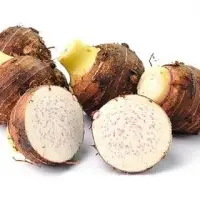
Tard Root (scientific name: Colocasia esculenta var. Esculenta) is a biennial plant in the family Araceae outlived their match without the wood. A tuberous root Inflorescences gradually reduced Big plump stalks The shorter the stem Male and female flowers on separate cores are smaller bouquet. Female flowers are green cone The male flowers are white The texture is dense tufts with seeds 1-10.
Taro is a plant that is native to Southeast Asia. Or southern Central Asia Current use of food crops grown in the islands of the West Indies posted. Africa and Asia The main islands in the Pacific. Papua New Guinea The islanders in Indonesia Taro eat several small head by the leaves and stems can be eaten when cooked. Taro flour from eating the food and snacks. Wrapped in taro leaves and steamed salted fish or other food before. Bring to boil taro in Hawaii lower profile, allowing the marinade. Food becomes a "lock"
Jun-17-22
Supplier From Amphoe Bang Phli, Samut Prakarn, Thailand
 Inquire Now  
PRODUCT INFO
Lotus leaves is a plant that Thai people have been using for a long time. In addition to bringing lotus seeds, lotus seeds to eat and used lotus flowers to worship the Buddha There is also the use of lotus leaves. Lotus is a plant that Thai people have been using for a long time. In addition to bringing lotus seeds, lotus seeds to eat and flowers to worship the Buddha image. Lotus leaves is an interesting herb, easy to find, economical and suitable for people in modern times who want beauty and health. It helps adjust the mechanism of separating the good parts of digested food onto and the separation of food waste into the lower part causing no accumulation of sputum, moisture.

USES
Thai people in the past and some areas in the present The lotus leaves is used as a medicine for various diseases such as the lotus leaves, which contains many alkaloids. to improve medicinal uses To reduce high blood pressure, bring fresh or dried leaves, cut into shreds, boil with enough water until boiling for 10-15 minutes, drink 1 glass 3 times a day for at least 20 days in a row. Used to suppress cold symptoms. and help reduce phlegm The lotus leaves are cut into shreds and dried in the sun to make smokers to relieve nasal congestion, etc. And there is also the use of lotus leaves. in many ways Wrap fresh vegetables in the refrigerator to preserve their freshness for longer. made into lotus leaves rice make the fragrant rice appetizing


SEASONS
Lotus Leaves are available year-round.
Jun-17-22

Young Kratin

MOQ: Not Specified
Supplier From Amphoe Bang Phli, Samut Prakarn, Thailand
 Inquire Now  
PRODUCT INFO
Young kratin can be classified as vegetables, herbs, and economic plants. Because the tops, flowers and pods can be eaten as food. used in medicinal used as a feed ingredient including wood that can be used as a raw material for paper production in the industry Making crutches, used wood, and used as fuel

USES
Young kratin, young pods and seeds are edible as vegetables. The top leaves are eaten with chili paste, papaya salad or oyster salad. The young Isan seeds are used to mix in papaya salad or eat with papaya salad. Southerners use young seeds and young leaves to eat with oysters.

Season
Young kratin is available year-round.
Jun-17-22
Supplier From Amphoe Bang Phli, Samut Prakarn, Thailand
 Inquire Now  
PRODUCT INFO
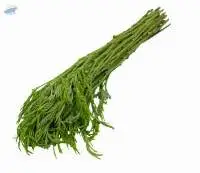
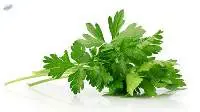
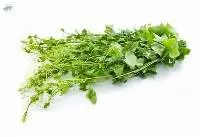
People use cilantro as a flavorsome addition to soups, salads, curries, and other dishes. In some parts of the world, cilantro refers to the leaves, and coriander refers to the seeds. Its nutritional content may provide a range of health benefits. It is a good source of antioxidants. Using cilantro to flavor food may encourage people to use less salt and reduce their sodium intake.
All parts of the plant are edible, but people most commonly use the fresh leaves and dried seeds in cooking.

SEASONS
Coriander is available year-round.
Jun-17-22
Supplier From Amphoe Bang Phli, Samut Prakarn, Thailand
 Inquire Now  
PRODUCT INFO
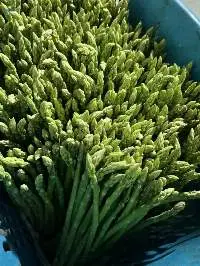
Asparagus grow to about 22 centimeters in length and 16 millimeters in diameter. Its deep pistachio-green stalks are tender at the tip and slightly woody and thick towards the end, and a slight purple blush often occurs around the stalk and throughout the conical tip. Asparagus' mildly grassy and sweet flavor matches that of its larger and smaller counterparts. Asparagus, botanically known as Asparagus officinalis, is a member of the Liliaceae family. Considered a perennial herb, asparagus has an underground rhizome from which its edible young stems, known as spears, emerge during the spring and summer months. Asparagus plants are either male or female, the females volunteer seeds while males do not. Having less energy spent on producing seeds creates a thicker, more flavorful stalk, driving higher demand for male asparagus. This demand for male asparagus has put new cultivars on the market bred to produce only male plants. These cultivars include Jersey Giant, Jersey Supreme and Jersey Knight and all are cost efficient.

Season
Asparagus is available year-round, with a peak season in spring.
116 Vegetable Seeds Suppliers
Short on time? Let Vegetable Seeds sellers contact you.
Jun-17-22
Supplier From Amphoe Bang Phli, Samut Prakarn, Thailand
 Inquire Now  
PRODUCT INFO
Ivy gourd is a local vegetable with very high nutritional value. and what you see will be pleasing A health lover for sure is that ivy gourds contain beta-carotene. that reduces the rate risk of developing cancer and ischemic heart disease also provide calcium as well For those who have problems driving It's worth trying to eat because gourds contain fiber that helps the digestive system work well. Young shoots and young leaves of ivy gourds It is blanched and steamed as a dipping sauce with chili paste and used to cook as curry, vegetable soup. Some local villagers bring the young fruit of ivy gourds to pickle and eat it with chili paste or cook it as a curry. The young shoots of ivy gourds are a popular vegetable that Thai people eat. Available in fresh markets in every region of Thailand.

USES
The ivy gourds are also useful as follows: leaves, quenching heat poisoning, neutralizing fever, relieving heat, quenching boils, relieving burning pain, relieving itching, flowers, relieving itching, seeds, pounding mixed with coconut oil to cure scabies, vines, use the juice from the vine to drop the eyes to cure hay fever, red eyes, bruised eyes, watery eyes, eye inflammation. Detoxification, anti-inflammatory, brew with dizzy glass drinking water, roots, quench all poisons, cure blemish eyes, reduce fever, cure vomiting, latex, stem, leaf, root Cure diabetes, headache, eliminate all toxins

SEASON
Ivy gourd is available year-round.
Jun-17-22
Supplier From Amphoe Bang Phli, Samut Prakarn, Thailand
 Inquire Now  
PRODUCT INFO
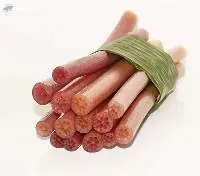
Lotus stem (Sai Bua) are the edible parts of the lotus flower which is found under water. It is usually crunchy and is fairly sweet and has a flavor like water chestnut. It has a delicate flavor. Almost all parts of the plant like the root, young flower stalks, seeds, etc. are edible. The stem is lime green in color with a whitish flesh. Store it in the refrigerator; it lasts for about a week.
Lotus stem is very healthy being a great source of dietary fiber. It contains minerals like copper, iron, zinc, magnesium and manganese. It boosts the production of red blood cells. It has a high content of vitamin C which helps to protect our body from scurvy and increases immunity.

USES
Lotus stem is eaten raw when added in salads. Its salad along with pork and prawns is a delicacy in many popular cultures. Lotus stem curry is prepared by boiling or stir-frying the stem. The curry is a good accompaniment for rotis and rice.

SEASONS
Lotus stem is available year-round.
Jun-17-22
Supplier From Amphoe Bang Phli, Samut Prakarn, Thailand
 Inquire Now  
PRODUCT INFO
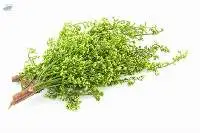
Neem plant (dok sa-dao) are local herbs and vegetables. It is a large protruding plant with a bouquet of flowers with a long peduncle. out at the tip of the branch with small flowers on the stem It is spherical, small, the petals are 5 petals, are off-white, with a long tube in the center. short peduncle It has a sweet, slightly bitter taste. Neem plant bloom in early winter. Native to India a tropical plant It has been cultivated in many countries in general. Many parts are used for use and medicinal properties. Used to treat many diseases. It has a bitter taste that many people like to use leaves, young shoots and flowers to eat.

USES
It has a bitter and oily taste is eaten as food. Contains nutrients that help the body's immune system Resist pathogens that exist around the body especially the flu. In addition to the benefits of food Almost every part of neem is still popularly used as medicine. The bark, leaves, branches, stems, flowers, fruits, seeds and even the roots of neem.

SEASONS
Neem plant (dok sa-dao) is available between Jan - Mar each year.
Jun-17-22

Winter Melon

MOQ: Not Specified
Supplier From Amphoe Bang Phli, Samut Prakarn, Thailand
 Inquire Now  
PRODUCT INFO
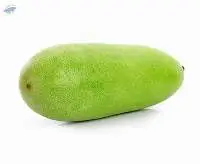
Winter melon are large fruits, averaging 15 to 80 centimeters in length, and have a bulbous, round to oblong shape with blunt, curved ends. The melons are covered in a thin but tough, light to dark green skin, often enveloped in a textured, chalky layer of wax, depending on the variety. Young Winter melons also bear a pale, fuzzy coating of hair that disappears as the fruit matures. Underneath the hard surface, the flesh is thick, firm, aqueous, and white, encasing a large central cavity filled with pithy membranes and cream-colored oval seeds. The seeds are edible once cooked and have a nutty, neutral taste. Winter melons are not typically consumed raw and contain a mild, vegetal, and subtly grassy flavor reminiscent of a watermelon rind or cucumber. When cooked, the flesh becomes transparent and softens, absorbing accompanying flavors.

USES
Winter melons are an excellent source of vitamin C to strengthen the immune system and fiber to stimulate and regulate the digestive tract. The fruits also provide antioxidants to protect the body against environmental aggressors, magnesium to maintain healthy nerve functioning, phosphorus and calcium to promote strong bones and teeth, and contain lower amounts of folate, zinc, and iron. In Traditional Chinese Medicine, Winter melons are viewed as a cooling or yin ingredient and are used to reduce inflammation and balance the body through their alkaline properties.

SEASON
Winter melons are available year-round, with a peak harvest in the late summer through fall.
Jun-17-22
Supplier From Amphoe Bang Phli, Samut Prakarn, Thailand
 Inquire Now  
PRODUCT INFO
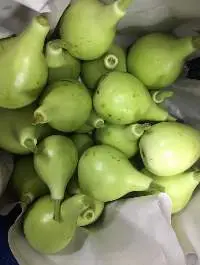
Bottle Gourds are creeping vines. The dried mature fruit is used to make shake instruments. Young gourds have light green rinds, white flesh, soft, because they contain up to 96.8 percent of water. Young gourds can be eaten with the peel. If it's a bit older, it needs to be peeled off before cooking. and if you don't want the cut gourds to be dark Soak in salt water Young gourds are usually blanched to eat with chili paste. Add to kaeng liang, som kang, or stir-fry with meat. But should not be boiled or fried for a long time because the meat will be messy.

USES
The old gourds have a thick peel. The outer bark turns creamy white and hard. The flesh is dry until hollow, light weight, cut off the pole and remove the seeds for planting. The hard bark also has many uses, including: The Chinese use it as a portable water container. It is also considered as a symbol of auspiciousness. It is believed that it will help money grow, have good fortune, and that the gourd is shaped like the number eight. Therefore used to solve feng shui as well. Some African tribes cut it in half and use it as a food container.

SEASONS
Bottle Gourd is available year-round.
Jun-17-22
Supplier From Amphoe Bang Phli, Samut Prakarn, Thailand
 Inquire Now  
PRODUCT INFO
Pea eggplant are small and round, about the size of a pea and one centimeter in diameter. These tiny fruits are arranged in clusters of ten to fifteen bunched together in a fashion similar to grapes and as the fruits ripen their thin skin will turn from light green to yellow. The fruits grow on shrubs that can reach up to sixteen feet in height. The stems and leaves of the pea eggplant are covered in fine hairs, and small hooked thorns and the flowers of the plant are most often white. Each fruit can contain up to two hundred tiny, flat, brown, and edible seeds. pea eggplant range in flavor from bitter to tart when raw, and their texture is exceptionally crunchy. Once cooked they will take on a soft quality and the bitter flavor is minimized.


USES
Pea eggplant are used in both raw and cooked preparations. When fresh they are popularly used in nam prik kapee, a chili and shrimp paste blend commonly made in Thailand. They can also be pickled, dried, or served raw with dipping sauces. Pea eggplant can be grilled, braised, added to curries, soups, and stews, or tossed whole or chopped into stir-fries. To cut the bitterness, Pea eggplant can be boiled briefly before use. Pea eggplant pair well with mint, turmeric, cumin, cardamom, curry paste, rice, yams, and meats such as poultry and beef. Pea eggplant will keep up to three days when stored in a cool and dry place.

SEASONS
Pea eggplants are available year-round with peak season during the summer months.
Jun-17-22
Supplier From Amphoe Bang Phli, Samut Prakarn, Thailand
 Inquire Now  
PRODUCT INFO
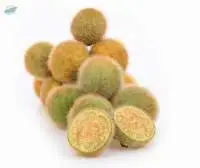
Bolo Maka (Ma-Uek) is small and round, approximately 1-2 centimeters in diameter. The tiny outer skin is initially green when immature, but then ripens to a yellow or orange and is covered in a fine layer of prickly hair. The inner pulp has many edible seeds and is also yellow or orange. Bolo maka is tangy and have a tropical, floral taste with a crunchy bite. Bolo maka grow in small clusters on a stout, vining perennial bush that reaches heights of just over one meter. The stems, leaves, and branches are also hairy, much like the fruit's outer skin. Bolo maka can be consumed in both raw and cooked applications. The thin exterior skin is edible once the hairy layer is shaved off and they are popularly eaten raw as an appetizer or snack. Many recipes may call just for the juicy, seedy pulp to add a touch of piquant sweet and sourness in sauces and curries. The fruit can be sliced in half and squeezed to release the inner pulp. Bolo maka is often used as a finishing condiment and paired with nam prik kapi, which is a Thai chili sauce made with shrimp paste and lime. Its sweet and sour flavor profile also compliments curries rich in coconut milk or a simple plate of rice. Bolo maka will keep up to a week when stored in the refrigerator.

USES
Bolo maka can be consumed in both raw and cooked applications. The thin exterior skin is edible once the hairy layer is shaved off and they are popularly eaten raw as an appetizer or snack. Many recipes may call just for the juicy, seedy pulp to add a touch of piquant sweet and sourness in sauces and curries. The fruit can be sliced in half and squeezed to release the inner pulp. Bolo maka is often used as a finishing condiment and paired with nam prik kapi, which is a Thai chili sauce made with shrimp paste and lime. Its sweet and sour flavor profile also compliments curries rich in coconut milk or a simple plate of rice.Bolo maka will keep up to a week when stored in the refrigerator.

SEASONS
Bolo maka is available year-round.
Jun-17-22
Supplier From Amphoe Bang Phli, Samut Prakarn, Thailand
 Inquire Now  
PRODUCT INFO
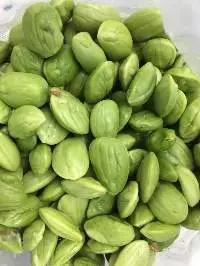
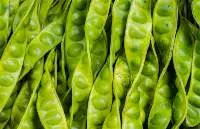
Peteh beans (sator seed) it flat edible beans with bright green seeds the size and shape of plump almonds which have a rather peculiar smell, similar to, but stronger than that of the shiitake mushroom, due to sulfur-containing compounds also found in shiitake, truffles and cabbage. In Thailand it is called sah-taw look like broad beans. Like mature broad beans, they may have to be peeled before cooking. Peteh bean has earned its nickname 'stink bean' because its strong smell is very pervasive. It lingers in the mouth and body. Like asparagus, it contains certain amino acids that give a strong smell to one's urine, an effect that can be noticed up to two days after consumption. Like other beans, their complex carbohydrates can also cause strong-smelling flatulence.

USES
Peteh beans (sator seed) are best when combined with other strong flavoured foods such as garlic, chilli peppers, and dried shrimp, as in sambal petai or added to a Thai curry such as Thai Green Curry of Duck. When young the pods are flat because the seeds have not yet developed, and they hang like a bunch of slightly twisted ribbons, pale green, almost translucent. At this stage they may be eaten raw, fried or pickled. Young tender pods with undeveloped beans can be used whole in stir fried dishes. In North-eastern India, the seeds or the bean as a whole are eaten by preparing a local delicacy call Iromba or Yongchak singju. Seeds are also dried and seasoned for later consumption. When dried the seeds turn black. In Indonesia, petai is very popular in the highlands of Java.

SEASON
Peteh beans (sator seed) are available between Jun - Jul each year.
GOLD Member
Aug-04-25
Supplier From Chiang Rai, Province Chiang Rai, Thailand
 Inquire Now
Jun-17-22
Supplier From Amphoe Bang Phli, Samut Prakarn, Thailand
 Inquire Now  
PRODUCT INFO
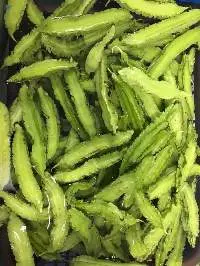
Wing beans are lime green and elongated with a square shape and four feathery, winged accents running from tip to end like the tail of an arrow. The pods are straight or curved with a smooth and waxy surface. They can grow up to 30 centimeters long but are usually harvested at 10 and 15 centimeters, before the peas have fully developed. Wing beans are sweet, like many pea varieties, and offer an asparagus-like flavor and crunchy texture. Wing beans are an excellent source of copper, iron, manganese, tryptophan, and the essential amino acid isoleucine. They are also rich in protein, fiber, complex carbohydrates, all of the essential B-complex vitamins, calcium, phosphorus, magnesium, zinc, and potassium. The pods, leaves and roots all contain a similar nutrient makeup.


USES
Wing beans are most often cooked. Young pods can be eaten raw in salads, sliced very thinly, or lightly blanched. They are prepared like French beans or snap peas by pinching off the ends and cutting into bite-sized sections. Use in stir-frys, sautes or add to soups and stews towards the end of the cooking process. The delicate pods pick up the bold flavors of chiles, garlic and spices. Young pods can be pickled. Mature beans are halved, and their seeds prepared and eaten like soybeans. Dried seeds can be ground and used as a flour substitute. Store Wing beans in a bag or airtight container in the refrigerator for up to 5 days.

SEASON
Wing beans are available in the late spring and through the fall months.
Jun-17-22

Lettuce

MOQ: Not Specified
Supplier From Amphoe Bang Phli, Samut Prakarn, Thailand
 Inquire Now  
PRODUCT INFO
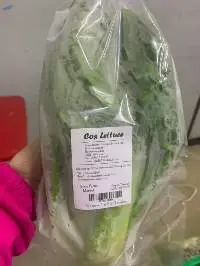
Lettuce (Lactuca sativa) is an annual plant of the family Asteraceae. It is most often grown as a leaf vegetable, but sometimes for its stem and seeds. Lettuce is most often used for salads, although it is also seen in other kinds of food, such as soups, sandwiches and wraps; it can also be grilled. One variety, the celtuce (asparagus lettuce), is grown for its stems, which are eaten either raw or cooked. In addition to its main use as a leafy green, it has also gathered religious and medicinal significance over centuries of human consumption. Europe and North America originally dominated the market for lettuce, but by the late 20th century the consumption of lettuce had spread throughout the world. As of 2017, world production of lettuce and chicory was 27 million tonnes, 56% of which came from China. Lettuce was originally farmed by the ancient Egyptians, who transformed it from a plant whose seeds were used to obtain oil into an important food crop raised for its succulent leaves and oil-rich seeds. Lettuce spread to the Greeks and Romans; the latter gave it the name lactuca, from which the English lettuce is derived. By 50 AD, many types were described, and lettuce appeared often in medieval writings, including several herbals. The 16th through 18th centuries saw the development of many varieties in Europe, and by the mid-18th century, cultivars were described that can still be found in gardens.

USES
Generally grown as a hardy annual, lettuce is easily cultivated, although it requires relatively low temperatures to prevent it from flowering quickly. It can be plagued by numerous nutrient deficiencies, as well as insect and mammal pests, and fungal and bacterial diseases. L. sativa crosses easily within the species and with some other species within the genus Lactuca. Although this trait can be a problem to home gardeners who attempt to save seeds, biologists have used it to broaden the gene pool of cultivated lettuce varieties. Lettuce is a rich source of vitamin K and vitamin A, and a moderate source of folate and iron. Contaminated lettuce is often a source of bacterial, viral, and parasitic outbreaks in humans, including E. coli and Salmonella.

SEASON
Lettuce is available year-round.
Jun-17-22
Supplier From Amphoe Bang Phli, Samut Prakarn, Thailand
Supplier Of Fresh Vegetables   |   Milk   |   Seeds   |   Onion   |   Garlic   |   Lemon   |   Coconut Milk
 Inquire Now  
PRODUCT INFO
Peteh beans (Sator) pods are medium to large in size, averaging 30-45 centimeters in length, and are long, wide, ribbon-like, and sometimes twisted in shape. The green pods grow in clusters on tall trees, and when immature, the pods are flat and almost translucent. As they mature, the seeds begin to form within the pod causing protrusions, and the pod becomes tough, hard, and vibrant green. Inside the pod, there is a cream-colored, slippery film that encases the seeds and each pod can hold 15-20 seeds. The seeds are pale green and are similar in size to almonds. Peteh beans have an unusual smell, often compared to natural gas, and are crisp, soft, and tender with a rich and pungent flavor. Peteh beans (Sator) contain fiber, iron, calcium, potassium, vitamin C, riboflavin, and thiamin.

USES
Peteh beans (Sator) are best suited for cooked applications such as roasting, stir-frying, deep-frying, and sauteing. When young, the pods do not contain fully developed seeds and can be used whole in stir-fries or consumed raw, pickled, or fried. When mature, Peteh beans must be peeled before cooking and can be boiled in coconut milk or stir-fried with shrimp, curry paste, garlic, and chilies. It can also be roasted in the pods and eaten similar to edamame. To remove the seeds, carefully use a sharp knife to cut the pod or scrape the outer layer off into a bowl. Peteh beans can be dried, causing the seeds to turn black, and stored for extended use, or the beans can be pickled in a sour brine, creating a slightly rubbery texture without the loss of flavor. Peteh beans pairs well with chilies, garlic, onions, turmeric, lemongrass, kaffir lime leaves, shrimp paste, oyster sauce, shrimp, beef, pork, or poultry, and rice. The beans will keep for a week when stored in a cool and dry place and will keep for a couple of months when fermented.

SEASON
Peteh Bean is available year-round.
May-13-17

Snow Pea

$2 - $3
MOQ: Not Specified
Supplier From Khon Kaen, Thailand
Supplier Of Vegetables   |   Seeds   |   Carrot   |   Broccoli   |   Eggplant   |   Okra   |   Basil   |   Lemon   |   Jackfruit   |   Prunes
 Inquire Now  
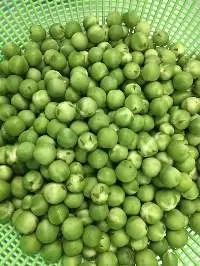
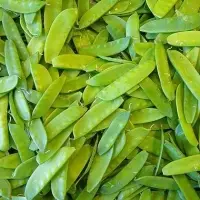
Thanh generic peas Sugar pea, Sweet peas, Garden pea, Pea
The scientific name Pisum sativum L. peas arranged in Fabaceae (FABACEAE or LEGUMINOSAE) and in faboideae FABOIDEAE (PAPILIONOIDEAE or PAPILIONACEAE)
Peas are other local names as peas, beans, peas, sweet peas, shell thickness (Thailand), a few nuts (west), etc. Peas or peas as the vegetable world is well known. It is cultivated for use as food for thousands of years. It is believed that beans, peas, originally a forest. Originated in Central Asia. Or perhaps India And scholars have recognized that the strain of the oldest in the Thailand Burma border itself. Because there is evidence dating back over a thousand years.
Name of peas from the Chinese called. "Wrap-tiered burner," which means the Dutch word "barbecue" in Chinese, it means that the beans. The peas are peas from Holland. The plant is classified as broccoli, Chinese fried vegetables are indispensable
Below is a list of our available products

Fresh Vegetables
Red Chilli , Green Chilli , Aspargus , Baby Corn , Lemongrass , Galanga , Long Bean
Hot Basil , Eggplant , Peaeggplant , Botte Gourd ( Nm Tao ) , Kale , Taro Root , Baby Carrot,
Snow Pea , Green Peper , Young Okra , Bambo , Dill
Fresh Fruit
Fresh Mango R2e1 , Fresh Avocado , Passion Fruit , Lady Finger Banana , Pineapple , Yellow
Mango , Young Coconut With Pull-tab , Holland Ppaya , Mangosteen , Longn , Rambutan
Dragon Fruit , Guava , Baby Pineapple ( Phu Lae ) , Jujube , Sapodill , Salak , Watermelon
Sweet Corn , Coconut Fruit , Jack Fruit , Sweet Tamrind , Durian Cavedish Banana
Fresh Coconut , Fresh Green Cococnut
Dried Fruits
Freeze Dried Longan , Stufed With Durian , Freeze Dried Mangosteen , Freeze Dried Mango ,
Dehydrated Papaya , Dehydrated Pineapple , Tidbite , Sour Tamarind , Dehy Drated Straw Berry
Dehydrated Coconut Slice , Dehydrated Kiwi , Dehydrted Mango Full Slice ,dehydrated Papaya
Slice , Dehydrated Papy Short Stick , Dehydrated Cherry , Dried Black Prunes , Crispy Monthong Durin Chips , Freeze Dried Durian Monthong , Freeze Dried Longan , Freeze Dried Jackfruit
Frozen Fruit
Frozen Peeled Jackfruit , Frozen Passion Fruit Puree With Seeds , Frozen Peeled Baba Pinepple
Frozen Mango Without Seed , Frozed Monthong Durian Paste , Premium Grade Frozen Monthong Durian Without Seed , Aplus Grad Frozed Monthong Durian Witnout Seed ,
Frozen Monthong Durian Seed
Jun-17-22

White Eggplant

MOQ: Not Specified
Supplier From Amphoe Bang Phli, Samut Prakarn, Thailand
Supplier Of Fresh Vegetables   |   Milk   |   Seeds   |   Tomato   |   Garlic   |   Ginger   |   Eggplant   |   Basil   |   Ties
 Inquire Now  
PRODUCT INFO
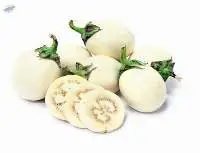
White eggplants are slightly curved and oblong, averaging 10-17 centimeters in length. The outer skin is smooth and bright white with one bulbous end that tapers slightly to a green calyx. The cream-colored inner flesh is dense with many, edible white seeds. When cooked, White eggplants are creamy and mild with a light sweet flavor.

USES
White eggplants are best suited for cooked applications such as sauteing pan-frying, deep-frying, grilling, and baking. Their skins are firmer than purple varieties and should be peeled before cooking. They can be sliced and grilled, used in stir-fries, or sauteing with other vegetables as a side dish. They can also be sliced and used as a substitute for meat in pasta dishes such as parmigiana bianca. White eggplants pair well with chilies, tomatoes, squash, stewed meats, grilled and baked fish, chicken, chickpeas, lentils, herbs such as basil, mint, cilantro, and parsley, cheeses such as fresh cow's milk, parmesan, and aged sheep's cheese, miso, ginger, yuzu, garlic, and allspice. White eggplants will keep up to three days when stored in a cool and dry place.

SEASONS
White eggplants are available during the summer months.
Jun-17-22

Yardlong Bean

MOQ: Not Specified
Supplier From Amphoe Bang Phli, Samut Prakarn, Thailand
 Inquire Now  
PRODUCT INFO
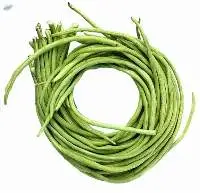
Yardlong bean should be picked young while it is at its most crisp, sweet and tender. Young beans develop within sixty days of cultivation, and the long pods grow in pairs from the stem. Known for their extraordinary length beans can grow up to thirty inches in length but for best flavor and texture should be harvested when between twelve and eighteen inches. The bean pods have a spindly, cylindrical form with a smooth, grooved, firm texture and green-colored shell. The bean pod's flesh contains succulent, pale, lime green peas (the plant's seeds) with eyes similar in shape to black eyed peas. If beans are allowed to fully mature, they can be shelled and the seeds used as other shelled beans and peas. The flavor of China Long beans is grassy and slightly sweet with a more intense bean flavor than traditional green beans. Of all the China Long bean varieties the green is known to be the sweetest and most tender. Yardlong bean are an incredible vegetarian source for nutrition. They are rich in vitamin A, vitamin C, protein, fiber, folate, magnesium, thiamin, potassium, and iron.

USES
Yardlong bean should be very fresh when purchased. When young and tender they can be used raw and are a welcome addition to green and grain salads. Unlike conventional green beans China Long beans tend to get waterlogged when boiled or steamed so when preparing in this method be sure to only do so for a short duration. Their texture will be most favorable when they are stir-fried, sauted, grilled, dry-fried, or deep-fried. China Long beans can also be preserved and pickled. Pair with soy sauce, garlic, ginger, bitter or spicy Asian greens, Sichuan peppercorns, black bean sauce, hot peppers, oyster sauce, curry spice, beef, pork and chicken. China Long beans will keep, dry and refrigerated. For best flavor and texture use within three to four days before beans become wilted and floppy.

SEASON
Yardlong beans are available year-round with a peak season in the summer and fall months.
Nov-23-20
Supplier From Amphoe Bang Phli, Samut Prakarn, Thailand
Supplier Of Fresh Vegetables   |   Seeds   |   Onion   |   Tomato   |   Garlic   |   Okra   |   Turnip   |   Basil   |   Lemon
 Inquire Now  
SKU: 364115376135191
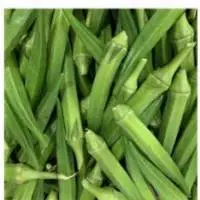
Green okra has a torpedo-shaped pod ranging in length of five to six inches when harvested mature. The pods are pale lime to lime green color, their exterior has furrowed lengthwise grooves. The skin can often be fuzzy to prickly, which can cause an allergic reaction to sensitive skin. The flesh bears a tender spongy membrane with many small white seeds. Okra is known less for its lean flavor and more for its sticky sap that creates the flesh's gelatinous texture.

PRODUCT INFO
Green Okra is a member of the mallow family along with cotton, cocoa and hibiscus. The okra plant produces broad oak-shaped leaves with bold yellow and white hibiscus-like blossoms. The fruits sprout in vertical patterns from the plant's stems. The sign of a plant flowering indicates fruits will develop quickly within 3-5 days. Young fruits must be harvested daily as the fruits are known to grow so fast you can almost see them growing in front of your eyes. One plant can produce up to 100 okra. Okra left on the stem too long will become tough and essentially unfit for use. Okra is grown for fresh-eating but it also has many other purposes. Okra plants are grown commercially for pickling and canning alone or as a canned soup ingredient, while the seeds are also harvested for making oil and in some cultures are ground and used as a coffee substitute or supplement.

USES
With okra, harvesting young tender fruits and knowledge of how to cook it are two key ingredients. Okra is historically not eaten alone, rather paired in a multitude of recipes alongside ingredients with bold, complex flavors and varying textures. Okra is most often used as a soup or stew ingredient, though its textures and flavors are truly enhanced when fried and grilled. Okra pairs well with basil, bacon, beet greens, butter, cream, garlic, ham, lemon, kale, onions, parsley, olive oil, pickled vegetables, chile peppers and peppercorns, paprika, tomatoes and turnips.

SEASONS
Okra is available year-round
Jun-17-22
Supplier From Amphoe Bang Phli, Samut Prakarn, Thailand
Supplier Of Fresh Vegetables   |   Sauces   |   Soy Sauce   |   Seeds   |   Potato   |   Cucumber   |   Celery   |   Asparagus
 Inquire Now  
PRODUCT INFO
Lotus root is an oblong, tubular rhizome or stem that grows underground in bodies of water, averaging 5-10 centimeters in diameter and 10-20 centimeters in length. Appearing like underwater sausage links, the rhizomes are connected to other rhizomes via smaller roots creating groupings of 3 to 5 and can grow to be over one meter in length as a whole. When young, Lotus root has a firm texture with light purple to white skin that transforms into a brown-beige hue with darker brown speckling when mature. Underneath the thin skin, the flesh ranges in color from ivory to white and is crisp, light, and starchy. There are also numerous, symmetrical, air pockets patterned into a pinwheel shape in the flesh that extend the entire length of the rhizome. Lotus root has a dense and crunchy texture with a nutty and sweet flavor, similar to that of a water chestnut or taro root. The younger roots are more tender and used for fresh culinary purposes, whereas mature roots are used in extended cooking applications to develop a tender, potato-like texture. Considered a good source of energy as it is high in carbohydrates. It also contains vitamin C, manganese, zinc, iron, copper, vitamin B, potassium, and magnesium.

USES
Lotus root is best suited for cooked applications such as steaming, frying, braising, stir-frying, and boiling. After peeling the root, it should be immersed in acidulated water using vinegar or citrus to prevent discoloration. Lotus root can be blanched just slightly to remove any bitterness, cooled, and added to salads or crudite. It can also be sliced and braised until tender in soups, stir-fried, battered and fried into tempura, or thinly sliced and baked into chips. In India, Lotus root is boiled, mashed, and added to vegetarian kofta, which is a dumpling dish paired with spicy sauces. A traditional Korean dessert also utilizes Lotus root with soy sauce, honey, and sesame seeds called yeongun bokkum. Lotus roots pair well with mushrooms, peppers, snap peas, snow peas, asparagus, corn, celery, cucumber, oyster sauce, peanuts, red beans, and sesame seeds. Lotus root will keep up to two weeks when stored whole, wrapped in damp paper towels, and placed in a plastic bag in the refrigerator. Sliced Lotus root can be stored in an acidulated water solution for a couple of days, or it can be frozen for long-term storage.

SEASON
Lotus root is available year-round, with a peak season in the fall.
Jun-17-22

Snake Gourd

MOQ: Not Specified
Supplier From Amphoe Bang Phli, Samut Prakarn, Thailand
Supplier Of Fresh Vegetables   |   Seeds   |   Potato   |   Onion   |   Tomato   |   Garlic   |   Pumpkin   |   Cucumber   |   Zucchini   |   Ties
 Inquire Now  
PRODUCT INFO
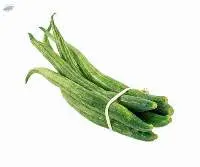
Snake gourds range from small to very large in size and are elongated, slender, curved, or straight. There are two different categories of Snake gourds. One type is extremely long with hard skin and is grown for ornamental purposes, and the other type ranges in size and is grown for eating and medicinal purposes. Snake gourds that are used for consumption have waxy green skin and are often speckled or striped with a lighter shade of green. The fruit is typically consumed when young, with longer varieties averaging 40-45 centimeters in length and smaller varieties 15-20 centimeters in length. The gourd may grow straight or in twisted curls and spirals. When Snake gourds are young, the seeds are fairly non-existent, the pulp around the seed mass is firm, and the flavor is mild and similar to a cucumber. As it matures, the rind becomes hard, turns red, and the flavor becomes bitter and gelatinous with many seeds. Snake gourds contain iron, magnesium, potassium, manganese, vitamins A, B, and C, fiber, calcium, and phosphorus.

USES
Snake gourds are best suited for cooked applications such as stir-frying, baking, stuffing, and boiling. They can be prepared and used like zucchini, sauteed and served as a side dish or added to dishes with other sauteed vegetables. They can also be added to sabzi, chopped into curries, stuffed and grilled, made into a chutney, fried, blended into soups, sliced into stir-fries, or pickled for extended use. When the gourd is mature, the seed mass within is scraped out and used like tomato paste in various Indian dishes. Snake gourds pair well with turmeric, cumin, coriander, mustard, red chiles, curry leaves, coconut, onion, garlic, potatoes, tomatoes, pumpkin, lentils, tofu, poultry, pork, and beef. They will keep for 2-3 weeks when stored in an airtight container in the refrigerator.

SEASONS
Snake gourds are available in the late summer through fall.
Jun-17-22
Supplier From Amphoe Bang Phli, Samut Prakarn, Thailand
Supplier Of Fresh Vegetables   |   Black Pepper   |   Cakes   |   Seeds   |   Eggs   |   Tomato   |   Garlic   |   Eggplant   |   Zucchini   |   Basil
 Inquire Now  
PRODUCT INFO
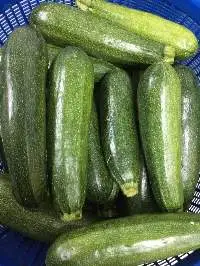
The Zucchini squash has a uniformly cylindrical shape with little to no taper from its stem to blossom end. It can be harvested when it is at its baby stage or when more mature at up to six to eight inches long. Many growers and chefs note that Zucchini will be at its peak flavor and texture when five to six inches in length. The exterior glossy skin of the Zucchini is vibrant to dark green in color and delicate enough to consume. Summer squash such as Zucchini are harvested when immature for best flavor, as a result their skin is delicate and prone to easily bruising and scratching. Its flesh is creamy white in color with a spongy yet firm texture and faint traces of edible seeds. It offers a sweet summer squash flavor with nuances of black peppercorn and nutty undertones. In addition to the fruit of the Zucchini plant the flower blossoms of Zucchini are also edible and offer a mild, squash like flavor. Zucchini squash are a low caloric food and are nearly 94% water. Additionally they offer some vitamin A, vitamin C, calcium and iron.


USES
Zucchini squash are mild in flavor, extremely versatile and can be prepared in sweet or savory recipes. Grate Zucchini and add squash to muffin or bread batter, or use to make vegetable pancakes and fritters. Thinly sliced Zucchini works well in salads or as part of a fresh (raw) appetizer such as vegetarian carpaccio. When sliced thinly lengthwise Zucchini squash can be an excellent substitute for conventional noodles in pasta preparations. Sliced Zucchini squash can be grilled, steamed, sauteed or battered and fried. Larger more mature squashes are perfectly sized for hollowing and baking when stuffed with meats, cheeses and grains. The Zucchini blossoms additionally can be stuffed with soft cheeses and herbs then battered and fried. The flavor and texture of Zucchini will complement a variety of ingredients such as tomatoes, garlic, corn, eggplant, fresh herbs such as parsley, basil and oregano, olive oil, pine nuts, eggs, citrus juice, sausage, roasted chicken and cheeses such as ricotta, mozzarella and parmesan. Zucchini squash will keep best when kept dry and refrigerated, for one to two weeks.

Season
Originally grown as a summer vegetable, Zucchini squash is suitable to forced cultivation in temperate climates and is available for harvest year-round.
Jun-17-22
Supplier From Amphoe Bang Phli, Samut Prakarn, Thailand
Supplier Of Fresh Vegetables   |   Milk   |   Sauces   |   Dips   |   Seeds   |   Onion   |   Tomato   |   Garlic   |   Ginger   |   Eggplant   |   Lemon   |   Coconut Milk
 Inquire Now  
PRODUCT INFO
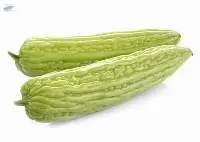
Bitter melons are small to medium gourds, averaging 6 to 30 centimeters in length, and have a long and slender, oblong shape with slightly tapered ends. The gourd's surface will vary depending on the specific type, ranging from deeply creased, smooth, pale green, and ridged to rough, dark green, and heavily textured with warts and bumps. The gourd's skin may also exhibit a waxy layer, and some rarer types of Bitter melon showcase a white hue. Underneath the thin skin, the flesh is crisp, watery, and pale green, encasing a central cavity filled with spongy pith and large, cream-colored seeds. Bitter melons are harvested when they are young and green, containing a sharp, astringent, and vegetal flavor. The gourds are also selected when they display a green coloring with a faint yellow hue, an indication of further maturity, rumored to contain a slightly milder, bitter, and acidic flavor.


USES
Bitter melons have an astringent, bitter flavor well suited for cooked preparations, including stir-frying, baking, saut�©ing, steaming, boiling, braising, and stewing. The melon's sharp flavor complements rich, fatty, and spicy ingredients and is often utilized in different culinary styles found within Asian cuisine. Bitter melons can be consumed raw, but the gourds should be deseeded, salted, and left for approximately 30 to 45 minutes to draw excess moisture and bitterness. Once the bitter flavor is lessened, the melons can be sliced for salads, chopped into dips and spreads, or blended into juices. Bitter melons are also traditionally blanched before use or salted to tame the astringent notes before cooking. The melons can be stirred into soups and curries, stuffed and baked as a main dish, stir-fried with vegetables and meat, or cooked and coated in rich sauces. Bitter melons can also be sliced and roasted as a simple side dish, cut and fried as a rice accompaniment, or pieces of the flesh can be dried and steeped as a healing and cleansing tea. In addition to the melons, the young leaves and shoots of the plants are edible and share the characteristic bitter flavor, used as an accent in salads and soups. Bitter melon pairs well with coconut milk, aromatics including lemongrass, ginger, garlic, and onions, chile peppers, tomatoes, green beans, eggplant, black beans, yogurt, pork, beef, and poultry, and seafood including fish, shrimp, crab, and scallops. Whole, unwashed Bitter melons will keep 3 to 5 days when wrapped in plastic or placed in a sealed container in the refrigerator's crisper drawer.

SEASONS
Bitter melons are available year-round, with a peak season in the summer.
Jun-17-22
Supplier From Amphoe Bang Phli, Samut Prakarn, Thailand
Supplier Of Fresh Vegetables   |   Seeds   |   Onion   |   Tomato   |   Garlic   |   Carrot   |   Cucumber   |   Radish   |   Cherry Tomatoes   |   Shallots   |   Green Onions   |   Ties
 Inquire Now  
PRODUCT INFO
Green Thai papayas widely vary in size, ranging from 15-50 centimeters in length and 10-20 centimeters in diameter, and are oval and elongated in shape. The thin skin is smooth, slightly waxy, firm, and green. Underneath the surface, the flesh is crisp, white with pale green edging, and dense with a central seed cavity filled with white pith and many inedible seeds. When raw, Green Thai papayas are crunchy with a very mild and neutral taste similar to the flavor of jicama or cucumber. Green Thai papayas are a good source of vitamins A and C and also contain folate, magnesium, manganese, and potassium. Green Thai papayas are best suited for both raw and cooked applications such as boiling or sauteing. The fruits are most well-known for their use in som tan, which is a Thai salad that mixes Green Thai papaya with fish sauce, lime, chile, garlic, and varying vegetables. Green Thai papaya can also be added to stews, pickled for extended use, grated, fried, and mixed with small shrimp to make okoy, or cooked into sour curries such as gaeng som. In Thailand, Green papaya is also blended into soups and is heavily spiced with chiles as the fruit has minimal flavor and showcases other spices. Green Thai papaya pairs well with long beans, carrots, daikon radish, chiles, cherry tomatoes, cilantro, green onions, shallots, turmeric, and peanuts. The unripe fruits will keep for a couple of days at room temperature but will then begin to ripen. Once ripe, papayas will keep up to one week when stored in the refrigerator.

USES
In Thailand, papaya is believed to have anti-inflammatory properties and is used medicinally to help cleanse the digestive system. The leaves and sap are also used in traditional medicine to reduce the itchiness of insect bites and general swelling in the body. In addition to topical use, dried leaves are commonly steeped into a tea and are believed to stimulate digestion. Elongated papaya varieties are often seen in markets sold in slender pieces, stored over ice, so locals can buy the pieces daily as needed. Many Thai families also grow papaya in their home gardens to utilize the fruits, leaves, and sap year-round in medicinal and culinary applications.

Season
Green Thai papayas are available year-round in tropical climates.
Mar-30-15

Moringa Seeds

MOQ: Not Specified
Supplier From Bangkok, Thailand
 Inquire Now  
We are ability to supply good quality thai moringa seeds

Weight
Jul-28-08
Supplier From Pathumthani, Thailand
 Inquire Now
Mar-30-15
Supplier From Bangkok, Thailand
 Inquire Now
Mar-18-11
Supplier From Bangkok, Thailand, Thailand
 Inquire Now
Jun-17-22
Supplier From Amphoe Bang Phli, Samut Prakarn, Thailand
Supplier Of Fresh Vegetables   |   Curry Powder   |   Milk   |   Dips   |   Seeds   |   Onion   |   Garlic   |   Carrot   |   Artichoke   |   Lemon   |   Shallots   |   Coconut Milk   |   Coconut Water   |   Ties
 Inquire Now  
PRODUCT INFO
Banana flowers have a starchy, fibrous consistency and a neutral, subtly bitter, and fruity flavor well suited for fresh and cooked preparations. The outer, dark-hued bracts should not be consumed, but they can be used as a decorative serving vessel. As each bract is removed, the small florets can be separated from their tough stamens and set aside for use with the flower's heart. Once the bracts have been peeled away to reveal a yellow-white hue, the heart can be sliced into pieces and incorporated into recipes. It is recommended to immerse slices of the Banana flower in salted lemon water or vinegar water for at least 20 to 30 minutes to extract some of the bitterness. Banana flowers can be added to fresh fruit and green salads, and younger flowers will have a sweeter flavor for raw preparations. They can also be minced into dips, dumplings, and pastes.

USES
Beyond fresh preparations, Banana flowers can be lightly steamed and served with dips, similar to an artichoke, boiled in coconut water and stir-fried, or incorporated into curries and soups. The flowers can also be fried into patties, soaked in flavoring, cooked like fish fillets, or sauteed into vegetable, rice, and noodle dishes. In Thailand, young Banana flowers are commonly served raw on the side with pad Thai. In Indonesian cuisine, Banana flowers are mixed with pork and hot sambal, cooked in a section of bamboo, and served as a festival or wake appetizer. In Brazil, Banana flowers are incorporated into pies, quiches, and cooked into various sweet and savory goods. There is also a famous pastry in the Brazilian state of Minas Gerais known as pastel de agnu that has its own festival. The festival annually occurs in the city of Itabirito and features food vendors, local growers, restaurants, and arts and crafts vendors, all centered around the famous pastry of the region. Pastel de agnu is comprised of Banana flowers stewed with meat and then fried into a dough-like puff. Banana flowers pair well with spices such as turmeric, curry powder, mustard seeds, cumin, and chile powder, aromatics including garlic, shallots, onions, lemongrass, and galangal, coconut milk, macadamia nuts, lime leaves, papaya, and carrots. Whole, raw Banana flowers should be immediately consumed for the best quality and flavor. The flowers can also be wrapped in plastic and stored in the refrigerator, or cut pieces can be placed in a sealed container in the fridge for 2 to 3 days. In addition to fresh Banana flowers, the buds can also be found canned or frozen for extended use.

SEASONS
Banana flowers are found year-round, varying in availability depending on climate, region, and hemisphere.
Oct-04-06
Supplier From Pathumthani, Thailand
 Inquire Now
Aug-28-23
Supplier From Bangkok, Thailand
 Inquire Now
Mar-24-08
Supplier From Bangkok, , Thailand
 Inquire Now
Aug-29-05
Supplier From Bangkok, Thailand
 Inquire Now
Sep-09-25
Supplier From Bangkok, Thailand
 Inquire Now
Dec-06-21
Supplier From Mueangloei, Loei, Thailand
 Inquire Now
Aug-05-20
Supplier From Kanchanaburi, Saiyok, Thailand
 Inquire Now
Feb-05-20
Supplier From Phetchabun, Thailand
 Inquire Now
Jun-25-24
Supplier From Mae Sot, Tak, Thailand
 Inquire Now
Feb-03-20
Supplier From Siracha, Chonburi, Thailand
 Inquire Now
Jul-12-22
Supplier From Mae Sot, Thailand
 Inquire Now
Mar-29-19

Salted And Roasted Pumpkin Seeds

$900 - $1.20K
MOQ: Not Specified
Supplier From Yala, Bangkok, Thailand
 Inquire Now  
we are the factory, offer high quality pumpkin seeds, including snow white pumpkin seeds, shine skin pumpkin seeds, roasted and salted pumpkin seeds, with competitive price, the detail information is as below:

Name Specification Port Moisture MOQ Packing
A Grade 20kg or 25kg
pp or paper bag
(paper bag
GWS AA GRADE Thailand 7% 22ton each ton add 35usd )

AAA GRADE
Jan-24-23
Supplier From Khan Na Yao, Bangkok, Thailand
 Inquire Now
Jul-15-17
Supplier From Phuket, Thailand
 Inquire Now
Apr-24-26
Supplier From Thailand
 Inquire Now
Dec-07-20
Supplier From Bangkok, Thailand
 Inquire Now
Supplier Of Fresh Meat   |   Fresh Chicken   |   Fish   |   Fresh or Chilled Fish   |   Seafood   |   Fresh or Chilled Seafood   |   Fresh Crabs   |   Grains & Cereals   |   Rice   |   Basmati Rice   |   Jasmine Rice   |   Thai Rice   |   White Rice   |   Sella Basmati Rice   |   Long Grain Rice   |   Medium Grain Rice   |   Pulses   |   Lentils   |   Wheat   |   Maize   |   Barley   |   Corn   |   Millet   |   Sorghum   |   Ginger, Garlic, Onion, Potato   |   Fresh Vegetables   |   Fresh Bitter Gourd   |   Fresh Brinjal   |   Fresh Cabbage   |   Fresh Carrot   |   Fresh Cucumber   |   Fresh Garlic   |   Fresh Ginger   |   Fresh Lemon   |   Fresh Onion   |   Fresh Potato   |   Fresh Tomato   |   Fresh Broccoli   |   Fresh Cauliflower   |   Fresh Drumsticks   |   Dry Fruits & Nuts   |   Cashew Nuts   |   Peanuts   |   Hazelnuts   |   Chestnuts   |   Cacao Nuts   |   Fox Nuts   |   Ginkgo Nuts   |   Macadamia Nuts   |   Pecan Nuts   |   Fruits   |   Apple, Banana, Orange, Mango, Grape   |   Apple   |   Grapes   |   Orange   |   Papaya   |   Pineapple   |   Pomegranate   |   Agriculture Seeds   |   Fruit Seeds   |   Spice Seeds   |   Grape Seed   |   Vegetable Seeds   |   Pumpkin Seeds   |   Herbs   |   Aloe Vera   |   Mint   |   Peppermint   |   Tea   |   Assam Tea   |   Black Tea   |   Flavored Tea   |   Ginger Tea   |   Hibiscus Tea   |   Masala Tea   |   Coffee   |   Arabica Coffee   |   Coffee Powder   |   Green Coffee   |   Organic Coffee   |   Flour   |   All Purpose Flour   |   Corn Flour   |   Rice Flour   |   Wheat Flour   |   Dairy & Milk Products   |   Milk & Milk Products   |   Milk Powder   |   Seeds
May-05-24
Supplier From Thailand
 Inquire Now
Oct-27-15
Supplier From Sampran, Nakornpathom, Thailand
 Inquire Now
Apr-12-20
Supplier From Bangkok, Thailand
 Inquire Now
116 Vegetable Seeds Suppliers
Short on time? Let Vegetable Seeds sellers contact you.
See what buyers and suppliers are discussing in Vegetable Seeds import export community