Please click here to check who's online and chat with them.

Find Verified Fruit Plants Suppliers, Manufacturers and Wholesalers

Jan-12-16
Supplier From Sampran, Nakornpathom, Thailand
 Inquire Now  
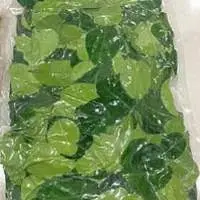
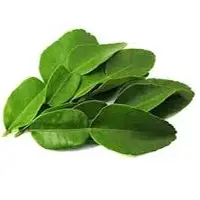
Fresh Lemon Leaves

Quality control: Our farming has GAP certificate (Good Agricultural Practice), our factory has received the GMP (Good Manufacturing Practice) and HACCP certificate.

If you have a big order quality , we can negociate on reduce pricing and term of payment.
May-12-17

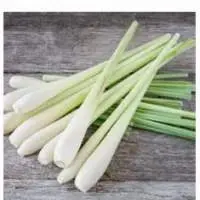
Lemongrass

MOQ: 1000  Inches
Supplier From Khon Kaen, Thailand
 Inquire Now  
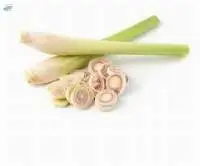
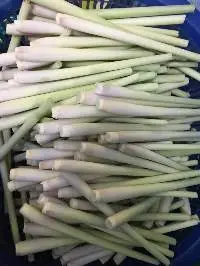
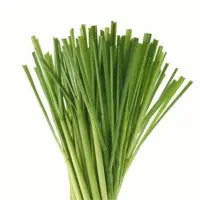
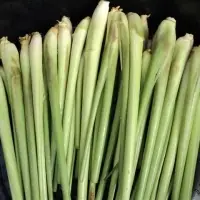
Lemon grass is a fragrant herb. Widely used in cooking in many countries in Asia.
Such as Thailand, Philippines, Malaysia, Vietnam, etc., which are planted in the garden. Easy to apply for cooking.
Lemongrass has a wide variety of ingredients such as curry, spicy soup, Tom Kha etc. many.
Lemongrass helps calm Solve the problem of insomnia Or reduce stress Insect Protection Mild
The aroma of lemongrass and A report on the health benefits of grass on which there are many.
Lemongrass has an anti-bacterial and fungi. It is used in combination with lemon pepper.
To solve the problem during the period, and nausea. Lemon grass is a diuretic
Lemon grass is a good cleaner is said to help detoxify the liver, pancreas, kidney, bladder. And gastrointestinal
Lemongrass species exported Agricultural name
May-03-17

Fresh Lemon Grass

$25 - $27.55
MOQ: 500  Inches
 Inquire Now  
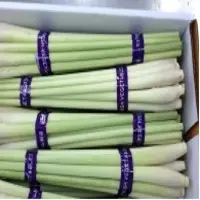
Fresh Lemon Grass Serve Our Customer As High Quality And Best Price. Color Is Natural And Clean. Packing 200x 500 grams in BOX. Net Weight 10 KG. The Product Origin Is: Thailand.
Jul-18-23

Lemongrass

MOQ: Not Specified
Sample Available
Supplier From Buengkum, Bangkok, Thailand
 Inquire Now  
Product Origin : Thailand
Packing : 100g, 200g., or customize
May-12-17

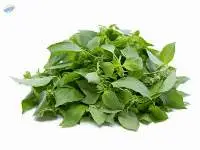
Hot Basil

$2 - $2.50
MOQ: 500  Inches
Supplier From Khon Kaen, Thailand
 Inquire Now  
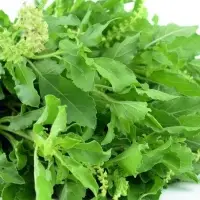
Basil is a plant family Lamiaceae or Labiatae are annual crops. stems squares (Characteristic of this plant family), hairy stems with many branches 12-24 inches high.
Oval leaves with serrated leaf edge. Arranged opposite A green or purple. And a strong fragrance
Purple flower bouquet is a class frequently. Small flowers are purplish pink Short flowering bloom buds from the base to the tip.
Basil is native to tropical residence in the Old World. The tropical areas of Asia and Africa. The deliberately cultivated and spontaneously. Basil crop is going to use. Both the religious and medical
181 Fruit Plants Suppliers
Short on time? Let Fruit Plants sellers contact you.
Jun-17-22
Supplier From Amphoe Bang Phli, Samut Prakarn, Thailand
 Inquire Now  
PRODUCT INFO
Also known as lemongrass, barbed wire grass, silky heads, Cochin grass, Malabar grass, oily heads or fever grass, is a genus of Asian, African, Australian, and tropical island plants in the grass family. Some species (particularly Cymbopogon citratus) are commonly cultivated as culinary and medicinal herbs because of their scent, resembling that of lemons (Citrus limon). The name cymbopogon derives from the Greek words kymbe (�º�?�¼�²�·, 'boat') and pogon (�?�?�³�?�½, 'beard') "which mean [that] in most species, the hairy spikelets project from boat-shaped spathes.

USES
If using fresh lemongrass, use only the lower bulbous portion of the stem. It can be pounded and used whole or cut in slices. When using the ground powder (sereh) use one teaspoon as an equal to one stalk of fresh. It is advisable to soak dried sliced lemon grass for two hours before using. When wrapped in a paper bag, lemon grass stems can last 2 to 3 weeks in the refrigerator. The stems can also be frozen for several months. Always wrap and store separately, as lemon grass will impart its flavour to other foods.

SEASON
Lemongrass is available year-round.
Nov-23-20

Lemongrass

MOQ: Not Specified
Supplier From Amphoe Bang Phli, Samut Prakarn, Thailand
 Inquire Now  
Lemongrass
also known as lemongrass, barbed wire grass, silky heads, Cochin grass, Malabar grass, oily heads or fever grass, is a genus of Asian, African, Australian, and tropical island plants in the grass family. Some species (particularly Cymbopogon citratus) are commonly cultivated as culinary and medicinal herbs because of their scent, resembling that of lemons (Citrus limon). The name cymbopogon derives from the Greek words kymbe and pogon "which mean [that] in most species, the hairy spikelets project from boat-shaped spathes."

PRODUCT INFO
If using fresh lemongrass, use only the lower bulbous portion of the stem. It can be pounded and used whole or cut in slices. When using the ground powder (sereh) use one teaspoon as an equal to one stalk of fresh. It is advisable to soak dried sliced lemon grass for two hours before using. When wrapped in a paper bag, lemon grass stems can last 2 to 3 weeks in the refrigerator. The stems can also be frozen for several months. Always wrap and store separately, as lemon grass will impart its flavour to other foods.

USES
The stalks (leaf bases) of the plant are commonly used to flavor dishes in Southeast Asian cooking. The heart of young shoots may be cooked and consumed as a vegetable. The tougher leaves are used to flavor dishes but are typically removed before serving. Leaves may also be used to make lemon grass tea. The essential oil extracted from the leaves is commonly used in insect repellents, perfumes and soaps.

SEASONS
Lemongrass is available year-round.
Jul-24-25

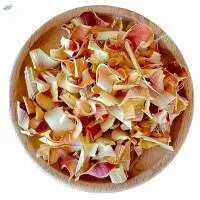
Dried Lemongrass Usda Certified, Food Grade

$14.50 - $15.50 / Kilogram (FOB)
MOQ: 10  Kilograms
Supplier From Bangkok, Thailand
 Inquire Now  
Key Specifications

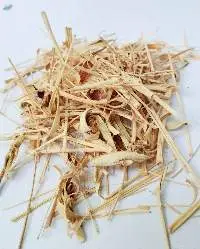
Dried Lemongrass
100% Natural USDA Certified
Hand-Picked
Packing 0.25-1KG

Other dried flowers and dried herbs are available*"
VERIFIED
Feb-23-18

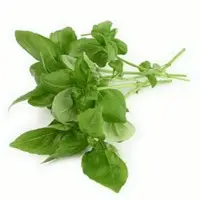
Lemon Basil

MOQ: Not Specified
Supplier From Bangkok, Thailand
 Inquire Now  
Lemon Basil :

1 x 20' container, specified to buyers requirements.
Jun-21-25

Ginger Extract Powder, Food Grade

$31.50 - $33 / Kilogram (FOB)
MOQ: 10  Kilograms
Supplier From Bangkok, Thailand
 Inquire Now  
Key Specifications - 100% Natural

Sprayer Powder

No artificial additives

Packing 0.25-1KG

Other Extract Powder is available
Jun-17-22
Supplier From Amphoe Bang Phli, Samut Prakarn, Thailand
 Inquire Now  
PRODUCT INFO
Hairy Basil leaves are small to medium in size, averaging five centimeters in length, and have an elliptical to elongated, oval shape tapering to a distinct point on the non-stem end. The leaves are smooth, flat, and green, containing some veining across the surface with lightly serrated edges. The leaves also grow in pairs on either side of the square, fuzzy stalks, and have a crisp and succulent consistency with a sweet, citrus-forward aroma. Hairy Basil has a unique herbal, sweet, and tangy flavor with notes of lemon mixed with anise. In the late summer, the plants also produce lemon-scented, small white flowers that bloom on long, light green bracts.

SEASONS
Hairy Basil is available year-round.
Jun-21-22
Supplier From Bangbo, Samutprakan, Thailand
 Inquire Now  
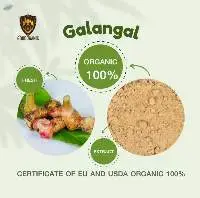
We are sending from Goodganic Co., Ltd. (Thailand), we provide and export Organic herbals, Fruits and Vegetables such as 100% Organic Galangal, Mulberry, Bitter Gourd grade A. We have certification of EU Equivalent and USDA organic regulations.
Jun-21-22
Supplier From Bangbo, Samutprakan, Thailand
 Inquire Now  
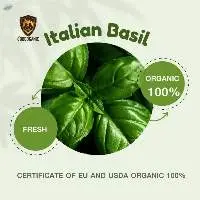
We are sending from Goodganic Co., Ltd. (Thailand), we provide and export Organic herbals, Fruits and Vegetables such as 100% Organic Italian Basil, Kale, Lemon grade A. We have certification of EU Equivalent and USDA organic regulations.
Jun-21-22
Supplier From Bangbo, Samutprakan, Thailand
 Inquire Now  
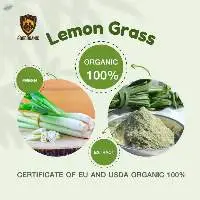
We are sending from Goodganic Co., Ltd. (Thailand), we provide and export Organic herbals, Fruits and Vegetables such as 100% Organic Lemon Grass, Lettuce, Longan grade A. We have certification of EU Equivalent and USDA organic regulations.
Jun-17-22

Chinese Chive

MOQ: Not Specified
Supplier From Amphoe Bang Phli, Samut Prakarn, Thailand
 Inquire Now  
PRODUCT INFO
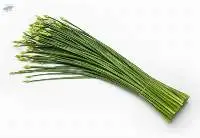
Chinese Chive Leaves present a straw-like stem. It is tubular, have onion taste and a subtle taste of garlic, hollow and dark green with pointy end. Each stem can grow up to 20 inches (half a meter). Moreover, such stems are of a lighter green than its onion counterpart. The flowers are really small and altogether creates a spherical bunch at the top. Each tiny flower has 6 petals, and it is pink/purple.

USES
You'll mainly use the leaves of your Chinese chives, but if you don't cut too much, the plants will produce edible flowers too. Since they're perennial, you'll get harvests for years to come. Eat the leaves fresh, or add them to your cooking for a light garlic flavour. The clump-forming plants are quite attractive, so this perennial will look good in your flower garden too! And unlike many other edibles.

SEASON
Chinese Chive are available year-round.
Jun-17-22
Supplier From Amphoe Bang Phli, Samut Prakarn, Thailand
 Inquire Now  
PRODUCT INFO
Holy, or Sacred basil, is a stiff, leafy, perennial herb. The plant can reach up to 18 inches in height, and develops small pink, fragrant blossoms when mature. With thicker stems, ranging in color from green to a dark purple, Holy basil has a bushy appearance and can grow quite large. Holy basil's narrow, oval leaves range from a light green to deep purple color and are very aromatic. The taste does vary between types, however, it is often likened to cloves (anise) or licorice with a hint of mint and a bit of peppery spice. The pungent pink flowers are also edible.

USES
Holy basil in Thailand, it is a very popular culinary ingredient. Holy basil is an important ingredient in one of the more famous Thai street dishes, chicken with Holy basil or 'gai pad grapow'. In many Thai stir fry dishes, Holy basil is used as an aromatic with garlic, fish sauce and chilies to impart flavor into meat, fish, or chicken. Holy basil is best used fresh, as its leaves cannot maintain their aroma after a few days in the refrigerator.

SEASONS
Holy basil is available year-round.
GOLD Member
Sep-14-24
Supplier From Bangkok, Thailand
 Inquire Now
Jun-17-22
Supplier From Amphoe Bang Phli, Samut Prakarn, Thailand
 Inquire Now  
PRODUCT INFO
The most popular and widely used culinary herb. It is a tender annual, aromatic plant with a spicy odor and flavor. It grows 12-18 inches tall and foliage color can range from green to purple. Foliage size can vary from large lettuce-like leaves to very small leaves, half inch in size.

USES
Sweet Basil picked for use in the kitchen is best held in a glass of water at room temperature. Putting basil in the refrigerator results in discolored and unattractive leaves. Basil is easily dried for storing and future use. It is used to flavor soups, stews, tomato dishes, meat, game, fish, egg dishes, herb butters and herb vinegars.

SEASON
Sweet Basil is available year-round.
Jun-17-22
Supplier From Amphoe Bang Phli, Samut Prakarn, Thailand
 Inquire Now  
PRODUCT INFO
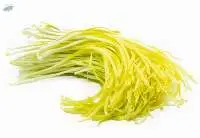
Yellow chinese chive Leaves grow in clumps of slender, elongated leaves averaging 15 to 20 centimeters in length and have a cylindrical appearance ending in a curved tip. The leaves are thin, delicate, and flat, notably solid and not hollow. Yellow chinese chive Leaves are wider than common garden chives and showcase pale shades of yellow and white, the coloring dependent on the growing conditions. Each leaf has a crisp, succulent, and tender consistency and is easily damaged as they are fragile in nature. Yellow chinese chive Leaves are known for their robust, garlic-like aroma and have a clean, vegetal flavor mixed with mildly sweet nuances of garlic and onions.

USES
Yellow chinese chive leaves and peppery, Chinese celery tastes similar to regular celery, only much stronger - it is rarely eaten raw. Toss in stir-fries, fried rice dishes or vegetable sautes. Pair with ham, lamb, chicken, turkey or game entrees. To store, place in a perforated plastic bag refrigerate. Do not wash until ready to use. To clean, rinse quickly under water. Gently shake off excess water pat dry.

SEASONS
Yellow chinese chive leaves are available year-round, with peak seasons in the spring and summer.
VERIFIED
Feb-23-18

Lemongrass

MOQ: 17  Square Yards
Supplier From Bangkok, Thailand
 Inquire Now  
Lemon grass is a tall leafy plant having large striped leaves with a jagged edge. It is renowned for its sweet, herbaceous, smoky and lemony aroma and is widely used in preparing teas, soups, and curries. This lemon scented herb contains anti-inflammatory and sedative properties and is also believed to be a natural mosquito repellent. Its digestive nature stimulates appetite, while its vasodilative properties lifts the spirit of the mind.

Besides being widely used as eatables, lemon grass is also suitable for poultry, fish, and seafood. This aromatic grass is often used as tea in African and Latino-American countries.

Our Lemongrass is sourced from growers in Thailand, Vietnam and India.
Feb-15-23

Lemon Grass

$4.44
MOQ: 300  Kilograms
Sample Available
Supplier From Bangkok, Thailand
 Inquire Now  
Important substances
In lemongrass, there is eugenol, which has an antioxidant effect, destroys fungi and bacteria that cause food spoilage. including many types of pathogenic microorganisms

properties

- Helps relieve anorexia cause good appetite
- Help digestion make the digestive system cleaner and work efficiently
- Help detoxify the body Because lemongrass has diuretic properties. makes us urinate more often Toxins and uric acid are excreted from the body.
- Helps strengthen and repair the nervous system.
- Helps to cure and relieve cold symptoms
- Helps treat high blood pressure asthma treatment
Sep-24-18

Lemon Grass (Or Lemongrass, Cymbopogon)

$0.99 - $3.50
MOQ: 5000  Inches
Sample Available
Supplier From Lansak, Uthai Thani, Thailand
 Inquire Now  
Lemongrass is widely used as a culinary herb in Asian cuisines and also as medicinal herb in India. It has a subtle citrus flavor and can be dried and powdered, or used fresh. It is commonly used in teas, soups, and curries. It is also suitable for use with poultry, fish, beef, and seafood. It is often used as a tea in African countries such as Togo, south eastern Ghana Volta Region and the Democratic Republic of the Congo and Latin American countries such as Mexico. Lemongrass oil is used as a pesticide and a preservative. Research shows that lemongrass oil has antifungal properties.
Jun-28-24

Dried Lemongrass

MOQ: 1  Metric Tonnes
Supplier From Bangkok, Thailand
 Inquire Now  
Concentration of flavor and aroma: while it is primarily used as a culinary herb to add citrusy notes to dishes, it also offers some nutritional benefits. Lemongrass contains essential oils such as citral, which has antibacterial and antifungal properties, as well as antioxidants like chlorophyll. Additionally, it provides small amounts of vitamins and minerals such as vitamin C, vitamin A, folate, potassium, and magnesium. Incorporating dried lemongrass into your diet can enhance the flavor of your meals while potentially offering some health benefits.
Jun-17-22

Galangal (Kha)

MOQ: Not Specified
Supplier From Amphoe Bang Phli, Samut Prakarn, Thailand
 Inquire Now  
PRODUCT INFO
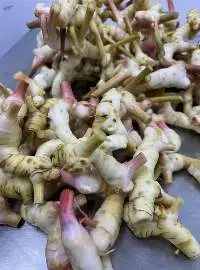
Galangal rhizomes widely vary in size and shape and have a cylindrical, branched appearance with many shoots and bulbous knobs. The semi-smooth skin is light brown to tan, firm, hard, and is covered in darker brown rings. Underneath the woody skin, the flesh is pale yellow to ivory and is fibrous, dense, and aqueous with a spicy, floral aroma. Galangal is crisp and has a pungent, earthy, woodsy, and mustard-like flavor with subtle citrus undertones.

USES
Galangal, botanically classified as Alpinia officinarum, is the underground rhizome of a tropical shrub that belongs to the Zingiberaceae family. Also known as Siamese ginger and Thai ginger, there are two main species of Galangal known as Greater Galangal and Lesser Galangal, varying in size, shape, and taste, but both species are used to flavor culinary dishes. Galangal has been utilized for its medicinal properties in Asia for thousands of years and is predominately used today to flavor Southeast Asian cuisine. Galangal adds a warm, sweet, and pungent flavor to dishes, similar to ginger but stronger in flavor, and can be found in fresh, dried, and powdered form.

SEASONS
Galangal is available year-round.
Jun-17-22
Supplier From Amphoe Bang Phli, Samut Prakarn, Thailand
Supplier Of Herbs   |   Milk   |   Brown Sugar   |   Oils   |   Lemon
 Inquire Now  
PRODUCT INFO
Pandan leaves are medium to large in size and are elongated, narrow, and oblong in shape. There are two distinct Pandan plant shapes. If the plant is left undisturbed and the leaves are not harvested, it will develop into a small tree with large, long, and thin green leaves that can reach up to two meters in length. If the leaves are continuously harvested, the plant will stay low to the ground forming a shrub-like appearance with smaller, narrow green leaves growing up to one meter in length. The upright green leaves taper to a point at the tip, and when attached to their stems, Pandan leaves resemble the top of a pineapple plant. Pandan leaves have a unique and distinct grassy aroma when first crushed that mellows out to a subtle, herbal, and floral aroma. When cooked, Pandan leaves have a nutty, almond, rose-like, and slightly sweet flavor. Pandan leaves are rich in essential oils, glycosides, and alkaloids, and also contain traces of tannin and isoprene esters. They are traditionally used to reduce symptoms of pain and fevers and are used as a laxative.

USES
Pandan leaves are best suited for cooked applications such as boiling, steaming, sauteing and frying. They are used in both sweet and savory dishes and are boiled, pounded, bruised, or raked to bring out the flavor. Pandan leaves are often used to wrap meats or sticky rice and are cooked to add a sweet and nutty flavor. They are also wrapped and deep fried to create a crunchy exterior. In addition to savory preparations, Pandan leaves are also used to make desserts and drinks. They can be made into a paste with the juice extracted to make the well-known chiffon cake, and they can be cooked to make Kaya, or pandan-flavored coconut egg jam, which is a traditional Pandan dish still found today in Malaysia and Singapore. Pandan leaves can also be cooked with coconut to make nasi lemak rice or are tied into knots and used for flavoring. Pandan leaves pair well with turmeric, lemongrass, brown sugar, milk, meats such as fish, chicken, beef, and pork, and rice. They will keep for a couple of days when stored unwashed, wrapped in a damp paper towel and sealed in a plastic bag in the refrigerator. Pandan leaves can also be frozen for up to two months.

SEASON
Pandan leaves are available year-round.
Jun-17-22
Supplier From Amphoe Bang Phli, Samut Prakarn, Thailand
Supplier Of Chives   |   Milk   |   Onion   |   Garlic   |   Ties
 Inquire Now  
PRODUCT INFO
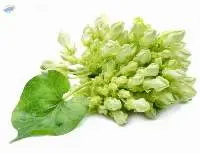
Chinese chives flower (Dok-Kui-Chai) is a biennial plant. in the same circle as the onion There is a rhizome underground. The rhizome is small and clumping, looks round, the stem is wrapped. With the surrounding leaf sheaths are green, the leaves are single, arranged alternately, the leaves look like garlic leaves. long flat leaves with parallel edges The base of the leaves is covered with interlacing interlaces. At the base of the stem, it is green with a spicy taste. strong odor bouquet looks like an umbrella round and then bloom There are small flowers on the stem. The flower stalks are long, round and stump. The petals are white, fragrant, the stem is green. has a sweet, crispy taste bring to cook There are many different menus. Thailand has many varieties planted.

USES
Help nourish milk Helps to treat gonorrhea, helps to nourish sex, helps to nourish the kidneys, helps to treat hives helps maintain bones help prevent cancer Help reduce cholesterol levels in the blood. help prevent diabetes help treat diabetes Help cure tuberculosis, cure colds, help cure otitis media. Helps to cure nosebleeds, cure vomiting, cure diarrhea, cure flatulence, cure indigestion, help drive parasites, help heal hemorrhoids, cure gallstones, help cure urinary congestion, help disinfect, cure poisonous insect bites. help heal purulent wounds Helps heal black and green bruises, relieve pain, heal inflamed wounds, help build red blood cells Helps reduce intestinal inflammation Help prevent colon cancer.

SEASONS
Chinese chives flower is available year-round.
Jun-17-22
Supplier From Amphoe Bang Phli, Samut Prakarn, Thailand
Supplier Of Fresh Cut Flowers   |   Cakes   |   Eggs   |   Garlic   |   Ginger   |   Eggplant   |   Basil
 Inquire Now  
PRODUCT INFO
Cowslip Creeper flowers grow on long and slender, vining plants that bear dark green, heart-shaped leaves averaging 4 to 8 centimeters in diameter. The vines are tough, maturing from green to brown, and alongside each leaf node, a cluster of 10 to 20 flowers appear seasonally. Each flower averages 1 to 2 centimeters in diameter and bears five angular petals, forming a star shape. When young, the flowers are green, eventually developing a yellow-green hue at the base with solid yellow petals once the bud opens. The flowers also emit a strong and pleasant, citrus-like fragrance that is especially pungent in the evening when in bloom. Cowslip Creeper flowers are crisp, succulent, and tender with a mild, vegetal, subtly sweet, and earthy flavor.

USES
Cowslip Creeper flowers are a seasonal ingredient used in Filipino, Vietnamese, Chinese, Thai, and Indian cuisine. The flowers can be consumed raw, incorporated into salads for added texture, or utilized as an edible garnish to decorate cakes, desserts, and main dishes. In addition to fresh preparations, Cowslip Creeper flowers can withstand cooking and readily absorb accompanying flavors, providing a mild earthiness and subtle crisp consistency to dishes. The flowers can be battered and fried, tossed into soups and curries, or stir-fried with oyster sauce. In Thailand, Cowslip Creeper flowers are popularly boiled and dipped in chile paste. In the Philippines, the flowers are cooked into a vegetable dish known as pinakbet and frequently mixed into omelets. Cowslip Creeper flowers pair well with noodles, rice, meats such as pork, beef, and fish, shrimp, eggs, tofu, aromatics such as garlic, ginger, and holy basil, pandan juice, coconut, and vegetables such as mushrooms, long beans, squash, eggplant, and mung beans. The flowers should be immediately consumed for the best quality and flavor.

SEASONS
Cowslip Creeper flowers are available in the late spring through early fall.
Nov-23-20
Supplier From Amphoe Bang Phli, Samut Prakarn, Thailand
Supplier Of Herbs   |   Cakes   |   Milk   |   Ice Cream   |   Soy Sauce   |   Garlic   |   Ginger   |   Basil   |   Lemon   |   Mandarin   |   Coconut Milk
 Inquire Now  
Kaffir lime leaves are small to medium in size and oblong in shape, averaging 3-5 centimeters in diameter and 8-12 centimeters in length. The top of the thick leaves is glossy and deep green, while the underside of the leaves is porous and a pale, matte green. Kaffir lime leaves grow in pairs and grow in a double leaf formation, which means two leaves grow on either side of the stem and appear to mirror each other. There is a prominent central midrib or vein and the tips of the leaves can be slightly rounded or very pointed. Kaffir lime leaves have a strong citrus taste and aroma that is said to be a blend of mandarin orange, lemon, and lime.

PRODUCT INFO
Kaffir lime leaves, botanically classified as Citrus hystrix, grow on a thorny bush that can grow to be 1-10 meters in height and belong to the Rutaceae, or citrus family along with oranges, lemons, pomelos, and grapefruit. The kaffir lime plant is valued for its fragrant leaves and its fruit's peel and is popularly used in culinary and medicinal applications in Southeast Asia. Also known as the Kieffer lime, Bai Magrood, Thai lime, Limau Puru, and Makrut limes, Kaffir limes have been given new names in various cultures to respect and avoid the use of derogatory words. In South Africa, kaffir is an offensive slang word used in racist connotations, so many retailers have taken to calling the fruit by its scientific name, while others prefer the Thai word for the fruit, Makrut lime.

USES
Kaffir lime leaves can be used in both raw and cooked preparations such as boiling, steaming, and saut�?�©ing. They can be used fresh, dried, or from a frozen state and the thick leaves are never consumed whole, but rather steeped and later removed, or sliced very thinly. Kaffir lime leaves can be sliced and used in salads or shredded and used in fish cakes. They are also widely used in soups such as tom yum and hot and sour shrimp, curries, fried rice, pastes, and stir-fries. Their herbal citrus flavor can be used to infuse desserts such as custard and ice cream. Kaffir lime leaves pair well with lemongrass, basil, cardamom, curry leaves, mint, tamarind, turmeric, cumin, galangal, ginger, garlic, soy sauce, sesame oil, jasmine rice, meats such as lamb, chicken and pork, mussels, and coconut milk. They will keep up to two weeks when stored fresh in the refrigerator and up to one year when stored in a sealed container in the freezer.

SEASONS
Kaffir Lime Leaves is available year-round.
Nov-23-20
Supplier From Amphoe Bang Phli, Samut Prakarn, Thailand
Supplier Of Herbs   |   Cakes   |   Milk   |   Ice Cream   |   Soy Sauce   |   Garlic   |   Ginger   |   Basil   |   Lemon   |   Mandarin   |   Coconut Milk
 Inquire Now  
Kaffir lime leaves are small to medium in size and oblong in shape, averaging 3-5 centimeters in diameter and 8-12 centimeters in length. The top of the thick leaves is glossy and deep green, while the underside of the leaves is porous and a pale, matte green. Kaffir lime leaves grow in pairs and grow in a double leaf formation, which means two leaves grow on either side of the stem and appear to mirror each other. There is a prominent central midrib or vein and the tips of the leaves can be slightly rounded or very pointed. Kaffir lime leaves have a strong citrus taste and aroma that is said to be a blend of mandarin orange, lemon, and lime.

PRODUCT INFO
Kaffir lime leaves, botanically classified as Citrus hystrix, grow on a thorny bush that can grow to be 1-10 meters in height and belong to the Rutaceae, or citrus family along with oranges, lemons, pomelos, and grapefruit. The kaffir lime plant is valued for its fragrant leaves and its fruit's peel and is popularly used in culinary and medicinal applications in Southeast Asia. Also known as the Kieffer lime, Bai Magrood, Thai lime, Limau Puru, and Makrut limes, Kaffir limes have been given new names in various cultures to respect and avoid the use of derogatory words. In South Africa, kaffir is an offensive slang word used in racist connotations, so many retailers have taken to calling the fruit by its scientific name, while others prefer the Thai word for the fruit, Makrut lime.

USES
Kaffir lime leaves can be used in both raw and cooked preparations such as boiling, steaming. They can be used fresh, dried, or from a frozen state and the thick leaves are never consumed whole, but rather steeped and later removed, or sliced very thinly. Kaffir lime leaves can be sliced and used in salads or shredded and used in fish cakes. They are also widely used in soups such as tom yum and hot and sour shrimp, curries, fried rice, pastes, and stir-fries. Their herbal citrus flavor can be used to infuse desserts such as custard and ice cream. Kaffir lime leaves pair well with lemongrass, basil, cardamom, curry leaves, mint, tamarind, turmeric, cumin, galangal, ginger, garlic, soy sauce, sesame oil, jasmine rice, meats such as lamb, chicken and pork, mussels, and coconut milk. They will keep up to two weeks when stored fresh in the refrigerator and up to one year when stored in a sealed container in the freezer.

SEASON
Kaffir Lime Leaves is available year-round.
Nov-23-20

Galangal

MOQ: Not Specified
Supplier From Amphoe Bang Phli, Samut Prakarn, Thailand
Supplier Of Herbs   |   Onion   |   Garlic   |   Ginger   |   Bell Pepper   |   Lemon   |   Green Onions   |   Ties
 Inquire Now  
Galangal rhizomes widely vary in size and shape and have a cylindrical, branched appearance with many shoots and bulbous knobs. The semi-smooth skin is light brown to tan, firm, hard, and is covered in darker brown rings. Underneath the woody skin, the flesh is pale yellow to ivory and is fibrous, dense, and aqueous with a spicy, floral aroma. Galangal is crisp and has a pungent, earthy, woodsy, and mustard-like flavor with subtle citrus undertones.

PRODUCT INFO
Galangal, botanically classified as Alpinia officinarum, is the underground rhizome of a tropical shrub that belongs to the Zingiberaceae family. Also known as Siamese ginger and Thai ginger, there are two main species of Galangal known as Greater Galangal and Lesser Galangal, varying in size, shape, and taste, but both species are used to flavor culinary dishes. Galangal has been utilized for its medicinal properties in Asia for thousands of years and is predominately used today to flavor Southeast Asian cuisine. Galangal adds a warm, sweet, and pungent flavor to dishes, similar to ginger but stronger in flavor, and can be found in fresh, dried, and powdered form.

USES
Galangal is primarily used in Southeast Asian cooking, lightly crushed or pounded as an aromatic to add an earthy and pungent flavor. The rhizome can be thinly sliced and added to stir-fries, boiled into curries, cooked into satay, mixed in applesauce, lightly tossed into salads, or used to flavor soups such as tom kha gai, a Thai coconut soup, or samlor kor ko, which is a Cambodian vegetable soup. It can also be used in stews, rice, and noodle dishes. Galangal is often mixed into seafood dishes as it has a flavor that can mask fishiness and is also commonly boiled into a tea. The rhizome can be found fresh or in dried and powdered form, and when ground, the flavor becomes milder but earthier. Galangal root pairs well with meats such as poultry and fish, shellfish, garlic, onions, tamarind, chiles, lemongrass, bell peppers, and green onions. The fresh rhizome will keep 1-2 weeks when stored in the refrigerator, and ground Galangal will keep up to one year when stored in a cool, dry, and dark place.

SEASONS
Galangal is available year-round.
Apr-09-21

Dried Kaffir Lime Leaves

MOQ: 100  Kilograms
Sample Available
Supplier From Amphoe Bang Phli, Samut Prakarn, Thailand
Supplier Of Herbs   |   Cakes   |   Milk   |   Ice Cream   |   Soy Sauce   |   Oils   |   Garlic   |   Ginger   |   Basil   |   Lemon   |   Mandarin   |   Coconut Milk   |   Ties
 Inquire Now  
The kaffir lime tree is native to tropical Southeast Asia and was spread to neighboring regions via exporters and trade routes. Today Kaffir lime leaves are available in fresh markets and frozen in specialty grocers in Asia, Southeast Asia, Africa, the United States.

PRODUCT INFO
Kaffir limes are widely used in Thailand as a household ingredient. Essential oils are extracted from the fruit's peel and are used for cleaning products, shampoos, and as a method to kill lice. The fruit's zest is used to flavor curries and soups, and the leaves are also crushed and used as potpourri or placed in a hot bath for a citrus aroma. Kaffir lime plants are so common and frequently used in Thailand that the majority of rural households have their own trees growing in their backyards.

Kaffir lime leaves are small to medium in size and oblong in shape, averaging 3-5 centimeters in diameter and 8-12 centimeters in length. The top of the thick leaves is glossy and deep green, while the underside of the leaves is porous and a pale, matte green. Kaffir lime leaves grow in pairs and grow in a double leaf formation, which means two leaves grow on either side of the stem and appear to mirror each other. There is a prominent central midrib or vein and the tips of the leaves can be slightly rounded or very pointed. Kaffir lime leaves have a strong citrus taste and aroma that is said to be a blend of mandarin orange, lemon, and lime.

USES
Kaffir lime leaves contain some antioxidants. They also contain limonene and citronella, which both contribute to the flavor and fragrance of the leaves and have been shown to have antimicrobial properties.
Kaffir lime leaves can be used in both raw and cooked preparations such as boiling, steaming, and saut�©ing. They can be used fresh, dried, or from a frozen state and the thick leaves are never consumed whole, but rather steeped and later removed, or sliced very thinly. Kaffir lime leaves can be sliced and used in salads or shredded and used in fish cakes. They are also widely used in soups such as tom yum and hot and sour shrimp, curries, fried rice, pastes, and stir-fries. Their herbal citrus flavor can be used to infuse desserts such as custard and ice cream. Kaffir lime leaves pair well with lemongrass, basil, cardamom, curry leaves, mint, tamarind, turmeric, cumin, galangal, ginger, garlic, soy sauce, sesame oil, jasmine rice, meats such as lamb, chicken and pork, mussels, and coconut milk. They will keep up to two weeks when stored fresh in the refrigerator and up to one year when stored in a sealed container in the freezer.

SEASON
Kaffir Lime Leaves is available year-round.
Jun-23-22
Supplier From Amphoe Bang Phli, Samut Prakarn, Thailand
Supplier Of Mint   |   Cakes   |   Mints   |   Sauces   |   Oils   |   Potato   |   Garlic   |   Yam   |   Currants   |   New Potatoes
 Inquire Now  
PRODUCT INFO
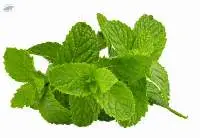
Kitchen Mint (Bai Saranae) it is a ground cover plant. Leaves are fortified, green, leaf margins wrinkled, prefer loamy soil, easy to grow, grow quickly. if well cared for The leaves will be beautiful and the leaves will be collected faster. It is used to cook spicy salads, larb, and tom yam dishes. And help flavor to make it more appetizing. In addition, it is also used to make medicine and extract essential oils that are used in many industries.

USES
Mint (English: Kitchen Mint) can be used both in sweet and savory dishes. Add mint to new potatoes or to a garlic and cream cheese dip. Mix mint with chocolate cakes or bake with raisins and currants in pastry. Mints are an excellent addition to sauces, syrups, vinegars, and teas.


SEASONS
Kitchen Mint is available between July - Oct each year.
Feb-26-21

Fruit Plants

$5 - $10
MOQ: Not Specified
Supplier From Bangklolem, Thailand
 Inquire Now  
We are supplier and exporter are fruit plants. ; Guava , Rose apple , Mango , Lemon , Jack fruit, Manilkara zapota , Jujube ect.
Sep-27-16
Supplier From Bangphli, Thailand
 Inquire Now
May-03-04
Supplier From Bangkok, Thailand
 Inquire Now
Jul-14-03
Supplier From Bangkok, Yanawa, Thailand
 Inquire Now
Nov-10-23
Supplier From Pak Kret, Thailand
 Inquire Now
Nov-02-24
Supplier From Meung, Nakhonphrathim, Thailand
 Inquire Now
Sep-06-17
Supplier From Muang, Uttaradit, Thailand
 Inquire Now
Nov-07-17
Supplier From Damnoen Saduak, Ratchaburi, Thailand
 Inquire Now
Mar-31-17
Jun-23-22
Supplier From Bangkok, Thailand
 Inquire Now
Aug-09-21
Supplier From Bangkok, Thailand
 Inquire Now
Jan-16-25
Supplier From Nonthaburi, Thailand
 Inquire Now
Dec-04-23
Supplier From Nakhon Pathom, , Thailand
 Inquire Now
Sep-26-18
Supplier From Bangkok, Chatuchak, Thailand
 Inquire Now
Apr-25-25
Supplier From Kamphaeng Phet, Thailand
 Inquire Now
Mar-27-18
Supplier From Chiangmai, Thailand
 Inquire Now
Mar-31-22
Supplier From Nonthaburi, Thailand
 Inquire Now
Apr-06-26
Supplier From Bangkok, Thailand
 Inquire Now
181 Fruit Plants Suppliers
Short on time? Let Fruit Plants sellers contact you.
See what buyers and suppliers are discussing in Fruit Plants import export community