Please click here to check who's online and chat with them.

Find Verified Sliced Ginger Suppliers, Manufacturers and Wholesalers

VERIFIED
Dec-04-22

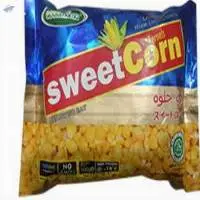
Frozen Sweet Corn

$0.90
MOQ: Not Specified
Supplier From Bondowoso, East Java, Indonesia
 Inquire Now  
Non GMO sweet corn frozen hand pick kernels dan cob, brix 11%. Bulk packaging in 20kg per cartoon. Your own branding is also available.
VERIFIED
Mar-07-23

Tempeh, Fermented Soybean

MOQ: Not Specified
Sample Available
Supplier From Bondowoso, East Java, Indonesia
 Inquire Now  
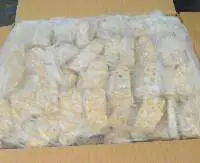
Indonesian Superfood Tempe (Tempeh, Fermented Soy Bean).

Specification Grade A:
1. Non Blanch FRESH Frozen
2. Packaging per 100, 200, 300 grms.
3. 10 kgs per carton, 2200 ctn per containers.

Specification Grade A+:
1. Blanch Frozen
2. Packaging per 100, 200, 300 grms.
3. 10 kgs per carton, 2200 ctn per containers.
VERIFIED
Jan-12-23
Supplier From Bondowoso, East Java, Indonesia
 Inquire Now  
Indonesia
VERIFIED
Jan-12-23

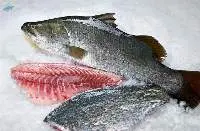
Frozen Milkfish

MOQ: Not Specified
Supplier From Bondowoso, East Java, Indonesia
 Inquire Now  
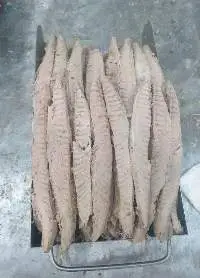
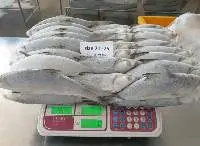
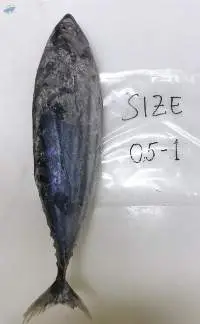
Frozen milkfish from Indonesia
VERIFIED
Jan-12-23
Supplier From Bondowoso, East Java, Indonesia
 Inquire Now  
Various sizes available
52747 Sliced Ginger Suppliers
Short on time? Let Sliced Ginger sellers contact you.
VERIFIED
Jan-12-23

Frozen Squid

MOQ: Not Specified
Supplier From Bondowoso, East Java, Indonesia
 Inquire Now  
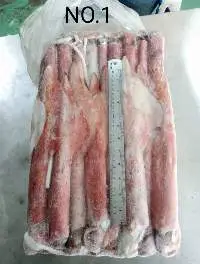
Any size from Indonesia waters
VERIFIED
Jan-12-23

Frozen Octopus

MOQ: Not Specified
Sample Available
Supplier From Bondowoso, East Java, Indonesia
 Inquire Now  
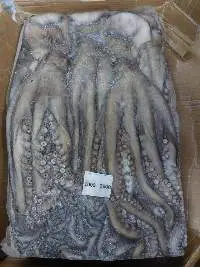
Composition of
Size 500gm = 15%
Size 1-2kg = 65%
Size 2kgup = 20%
VERIFIED
Dec-12-22

Canned Sardine

$41.90
MOQ: Not Specified
Sample Available
Supplier From Bondowoso, East Java, Indonesia
 Inquire Now  
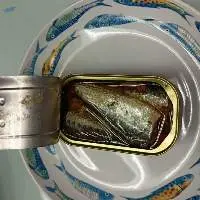
We supplies the following Canned Sardine / Mackerel from Indonesia
Size: 185gr per can
1 Carton = 48 cans
Price per carton: USD 41.9

Prices are FOB Surabaya Port - Indonesia
Certificates:
Factory: HACCP, GMP, Halal, ISO
Product: BPOM, FDA, Halal, Kosher at your account

Payment Terms:
50% down payment
30% when products ready
20% ready to ship
VERIFIED
Dec-04-22
Supplier From Bondowoso, East Java, Indonesia
 Inquire Now  
Our products range from fresh to frozen fish covering for whole and fillets of the Snapper, King Snapper, Red Snapper, Parrotfish, Barramundi, Grouper, Emperor, crab, lobster and many more.
VERIFIED
Dec-04-22

Organic Duck Meat

MOQ: Not Specified
Supplier From Bondowoso, East Java, Indonesia
 Inquire Now  
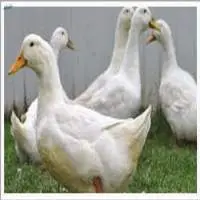
Chickens are the most common type of poultry in the world, and were some of the first domesticated animals. They are a major world wide source of eggs and meat called chicken. It is prepared as food in a wide variety of ways, varying by region and culture. The prevalence of chickens is due to their being almost completely edible, and the ease of raising them. In developed countries, chickens are usually subject to intensive farming methods.
VERIFIED
Dec-04-22

Organic Chicken

MOQ: Not Specified
Supplier From Bondowoso, East Java, Indonesia
 Inquire Now  
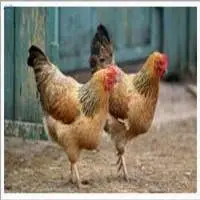
Chickens are the most common type of poultry in the world, and were some of the first domesticated animals. They are a major world wide source of eggs and meat called chicken. It is prepared as food in a wide variety of ways, varying by region and culture. The prevalence of chickens is due to their being almost completely edible, and the ease of raising them. In developed countries, chickens are usually subject to intensive farming methods.
VERIFIED
Dec-04-22

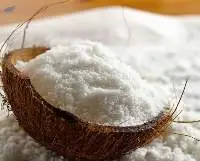
Coconut Water

MOQ: Not Specified
Supplier From Bondowoso, East Java, Indonesia
 Inquire Now  
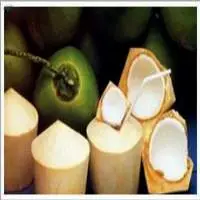
The Coconut tree (Cocos nucifera) is a member of the family Arecaceae (palm family). It is the only accepted species in the genus Cocos. The term Coconut can refer to the entire coconut palm, the seed, or the fruit, which, botanically, is a drupe, not a nut. The spelling cocoanut is an archaic form of the word. The term is derived from 16th-century Portuguese and Spanish coco, meaning head or skull, from the three indentations on the coconut shell that resemble facial features.

The coconut is known for its great versatility as seen in the many uses of its different parts and found throughout the tropics and subtropics. Coconuts are part of the daily diets of many people. Coconuts are different from any other fruits because they contain a large quantity of water and when immature they are known as tender-nuts or jelly-nuts and may be harvested for drinking. When mature, they still contain some water and can be used as seednuts or processed to give oil from the kernel, charcoal from the hard shell and coir from the fibrous husk.

The endosperm is initially in its nuclear phase suspended within the coconut water. As development continues, cellular layers of endosperm deposit along the walls of the coconut, becoming the edible coconut â??fleshâ??. When dried, the coconut flesh is called copra. The oil and milk derived from it are commonly used in cooking and frying; coconut oil is also widely used in soaps and cosmetics. The clear liquid coconut water within is potable. The husks and leaves can be used as material to make a variety of products for furnishing and decorating. It also has cultural and religious significance in many societies that use it.
VERIFIED
Dec-04-22
Supplier From Bondowoso, East Java, Indonesia
 Inquire Now  
The Coconut tree (Cocos nucifera) is a member of the family Arecaceae (palm family). It is the only accepted species in the genus Cocos. The term Coconut can refer to the entire coconut palm, the seed, or the fruit, which, botanically, is a drupe, not a nut. The spelling cocoanut is an archaic form of the word. The term is derived from 16th-century Portuguese and Spanish coco, meaning head or skull, from the three indentations on the coconut shell that resemble facial features.

The coconut is known for its great versatility as seen in the many uses of its different parts and found throughout the tropics and subtropics. Coconuts are part of the daily diets of many people. Coconuts are different from any other fruits because they contain a large quantity of water and when immature they are known as tender-nuts or jelly-nuts and may be harvested for drinking. When mature, they still contain some water and can be used as seednuts or processed to give oil from the kernel, charcoal from the hard shell and coir from the fibrous husk.

The endosperm is initially in its nuclear phase suspended within the coconut water. As development continues, cellular layers of endosperm deposit along the walls of the coconut, becoming the edible coconut flesh. When dried, the coconut flesh is called copra. The oil and milk derived from it are commonly used in cooking and frying; coconut oil is also widely used in soaps and cosmetics. The clear liquid coconut water within is potable. The husks and leaves can be used as material to make a variety of products for furnishing and decorating. It also has cultural and religious significance in many societies that use it.
VERIFIED
Dec-04-22

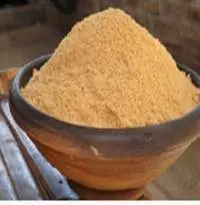
Coconut Sugar

MOQ: Not Specified
Supplier From Bondowoso, East Java, Indonesia
 Inquire Now  
The Coconut tree (Cocos nucifera) is a member of the family Arecaceae (palm family). It is the only accepted species in the genus Cocos. The term Coconut can refer to the entire coconut palm, the seed, or the fruit, which, botanically, is a drupe, not a nut. The spelling cocoanut is an archaic form of the word. The term is derived from 16th-century Portuguese and Spanish coco, meaning head or skull, from the three indentations on the coconut shell that resemble facial features.

The coconut is known for its great versatility as seen in the many uses of its different parts and found throughout the tropics and subtropics. Coconuts are part of the daily diets of many people. Coconuts are different from any other fruits because they contain a large quantity of water and when immature they are known as tender-nuts or jelly-nuts and may be harvested for drinking. When mature, they still contain some water and can be used as seednuts or processed to give oil from the kernel, charcoal from the hard shell and coir from the fibrous husk.

The endosperm is initially in its nuclear phase suspended within the coconut water. As development continues, cellular layers of endosperm deposit along the walls of the coconut, becoming the edible coconut flesh. When dried, the coconut flesh is called copra. The oil and milk derived from it are commonly used in cooking and frying; coconut oil is also widely used in soaps and cosmetics. The clear liquid coconut water within is potable. The husks and leaves can be used as material to make a variety of products for furnishing and decorating. It also has cultural and religious significance in many societies that use it.
VERIFIED
Dec-04-22

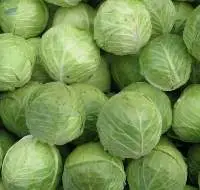
Cabbage

MOQ: Not Specified
Supplier From Bondowoso, East Java, Indonesia
 Inquire Now  
Cabbage (Brassica oleracea or variants) is a leafy green or purple biennial plant, grown as an annual vegetable crop for its dense-leaved heads. Closely related to other cole crops, such as broccoli, cauliflower, and brussels sprouts, it descends from B. oleracea var. oleracea, a wild field cabbage.

Cabbage heads generally range from 0.5 to 4 kilograms (1 to 9 lb), and can be green, purple and white. Smooth-leafed firm-headed green cabbages are the most common, with smooth-leafed red and crinkle-leafed savoy cabbages of both colors seen more rarely. It is a multi-layered vegetable. Under conditions of long sunlit days such as are found at high northern latitudes in summer, cabbages can grow much larger. Some records are discussed at the end of the history section.
VERIFIED
Dec-04-22

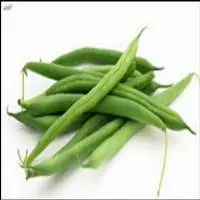
Green Bean

MOQ: Not Specified
Supplier From Bondowoso, East Java, Indonesia
 Inquire Now  
Rich in vitamin A and fiber, green beans are a nutritious addition to a diet.

Green beans, also known as string beans, snap beans in the northeastern and western United States, or ejotes in Mexico, are the unripe fruit of various cultivars of the common bean. Green bean cultivars have been selected especially for the flashiness, flavor, or sweetness of their pods.
VERIFIED
Dec-04-22

Pineapple

MOQ: Not Specified
Supplier From Bondowoso, East Java, Indonesia
 Inquire Now  
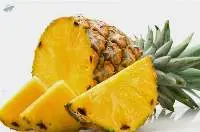
The pineapple (Ananas comosus) is a tropical plant with edible multiple fruit consisting of coalesced berries,[ and the most economically significant plant in the Bromeliaceae family. Pineapples may be cultivated from a crown cutting of the fruit, possibly flowering in 20-24 months and fruiting in the following six months. Pineapple does not ripen significantly post-harvest.

Pineapples can be consumed fresh, cooked, juiced, and preserved, and are found in a wide array of cuisines. In addition to consumption, the pineapple leaves are used to produce the textile fiber pia in the Philippines, commonly used as the material for the men's Barong Tagalog and women's Baro't saya formal wear in the country. The fiber is also used as a component for wallpaper and other furnishings.

The flesh and juice of the pineapple are used in cuisines around the world. In many tropical countries, pineapple is prepared, and sold on roadsides as a snack. It is sold whole, or in halves with a stick inserted. Whole, cored slices with a cherry in the middle are a common garnish on hams in the West. Chunks of pineapple are used in desserts such as fruit salad, as well as in some savory dishes, including pizza toppings and a grilled ring on a hamburger.[14][15] Crushed pineapple is used in yogurt, jam, sweets, and ice cream. The juice of the pineapple is served as a beverage, and is also as a main ingredient in such cocktails as the pia colada.

Nutrition
Raw pineapple is an excellent source of manganese (76% daily value (DV) in a one US cup serving) and vitamin C (131% DV per cup serving). Mainly from its stem, pineapple contains a proteolytic enzyme, bromelain, which breaks down protein. If having sufficient bromelain content, raw pineapple juice may be used as a meat marinade and tenderizer. Pineapple enzymes can interfere with the preparation of some foods, such as jelly and other gelatin-based desserts, but would be destroyed during cooking and canning. The quantity of bromelain in the fruit is probably not significant, being mostly in the inedible stalk. Furthermore, an ingested enzyme like bromelain is unlikely to survive intact the proteolytic processes of digestion.
VERIFIED
Dec-04-22

Mango

MOQ: Not Specified
Supplier From Bondowoso, East Java, Indonesia
 Inquire Now  
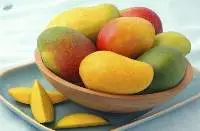
The mango is a juicy stone fruit belonging to the genus Mangifera, consisting of numerous tropical fruiting trees, cultivated mostly for edible fruit. The majority of these species are found in nature as wild mangoes. They all belong to the flowering plant family Anacardiaceae. The mango is native to South and Southeast Asia, from where it has been distributed worldwide to become one of the most cultivated fruits in the tropics. The center of diversity of the Mangifera genus is in India.

While other Mangifera species (e.g. horse mango, M. foetida) are also grown on a more localized basis, Mangifera indica the common mango or Indian mango is the only mango tree commonly cultivated in many tropical and subtropical regions. It originated in Indian subcontinent (present day India and Pakistan) and Burma.

Mangoes are generally sweet, although the taste and texture of the flesh varies across cultivars; some have a soft, pulpy texture similar to an overripe plum, while others are firmer, like a cantaloupe or avocado, and some may have a fibrous texture. The skin of unripe, pickled, or cooked mango can be consumed, but has the potential to cause contact dermatitis of the lips, gingiva, or tongue in susceptible people.
VERIFIED
Dec-04-22

Fresh Jackfruit

MOQ: Not Specified
Supplier From Bondowoso, East Java, Indonesia
 Inquire Now  
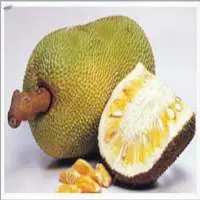
Fresh Jackfruit
VERIFIED
Dec-04-22

Velvet Tamarind

MOQ: Not Specified
Supplier From Bondowoso, East Java, Indonesia
 Inquire Now  
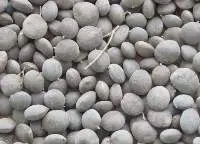
Dialium indum, the velvet tamarind, is a tall, tropical, fruit-bearing tree. It belongs to the Leguminosae family, and has small, typically grape-sized edible fruits with brown hard inedible shells.

Fruit flavor similar to acid , which is derived the English name. In Thailand , it is called Luk Yee or Yee, and in Malaysia and Indonesia ordinary people calling the name Keranji.

The fruit is used as snack foods like candy in Thailand, often dried, sugar coated and spiced with chili. Dried fruit has a powder texture, and taste of orange. Black in color taste sweet like chocolate candy so much cultivated by local communities (West Kalimantan and East Kalimantan).

In Indonesia there are at least two varieties for sale in local markets . Both have the same skin thin brittle black , and looks natural like fruits driest . One of the smaller species is about one inch = 25mm in length and has a light reddish-brown powder packed around a single seed, with a small air space inside the shell. This powder tastes sweet and sour candies like sweet tarts, and thus closest to the acid.

In Indonesia this tree flowering from November to December and fruiting ready to harvest between the months from January to April every 3 years.

The fruit acid is widely used as an acid food in Kalimantan. In Jakarta , the acid used is often sold in schools as a child snacks . Fruit shape of a marble, the color of his skin if it brooded colored black with brownish fles . Seasam sour but not sour Java. But also sweet, people used to call western Borneo Kranji Madu (honey kranji). Taste of fruit acids such as chocolate and honey, very delicious.

Kranji acid is also useful to kill the bad cholesterol in the body, by eating 3 eggs a day kranji acid .
52747 Sliced Ginger Suppliers
Short on time? Let Sliced Ginger sellers contact you.
Explore Sliced Ginger related import export discussions