Frozen chicken (whole, paws, feet, legs, mjw), frozen pork (all parts of pork), frozen beef (all parts of beef), sugar icumsa 45, 600 and 1200, oil (crude oil, sunflower oil, soybean oil), yellow corn and white corn, soybean non gmo, cocoa beans, cashew ww280, basalt natural rock polished or rock or powder.
Imcusa 45 sugar 150, chicken, pork, beef, soybeans, coffee, etc.Broker
Frozen tilapia.
Disinfection Tunnel, Mask, Pineapple, Cacao, Sugar, Beef.Exporter
Lobsters, yellowfin tuna and sea cucumbers, live lobster market only, yellowfin tuna in fresh or frozen fillets and dry sea cucumbers.Exporting
Meat And Deli
.
Frozen Fruits Like Avocado.
Fresh or frozen snails.
Frozen shredded coconut.
Sea salt, tropical fruits, frozen fish like tilapia and shrimp.
Wild Caught Tropical Eel & Raw Live Eel.
Yellow eel.Transportation and shipping
Fish And Seafood, Frozen ,Fresh Prawns And Shrimp.
Lobsters..
Fruits, Frozen Pulp And Vegetables.
Baby transparent eels.
Fresh lobster, fresh, frozen tuna.
Cassava, plantain, frozen/fresh/fried/vacuum. .Grower, packer & exporter
Canned vegetables, canned sardines.
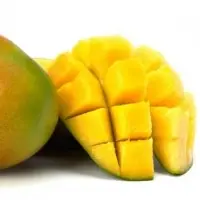
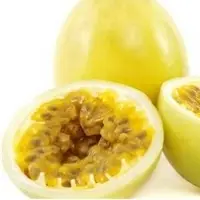
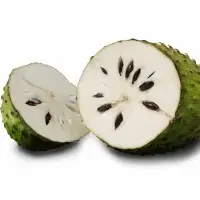
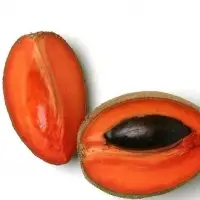
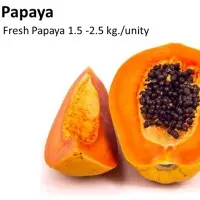
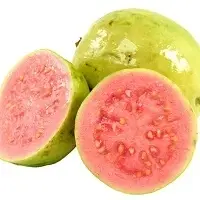
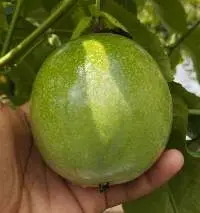
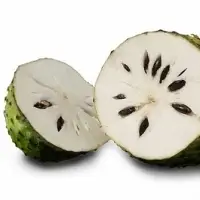
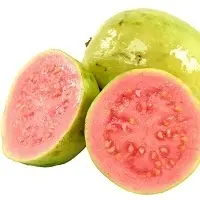
Fresh tropical fruits, papaya, soursop, passion fruit,sapodilla, guava
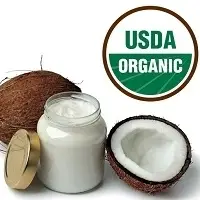
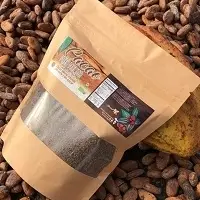
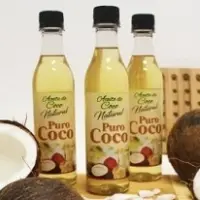
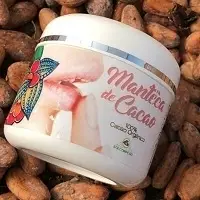
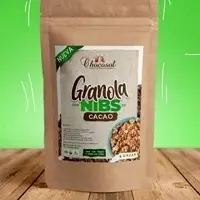
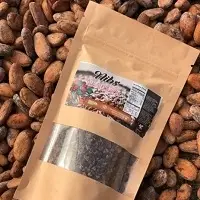
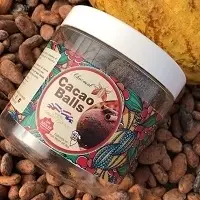
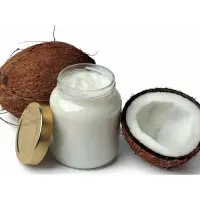
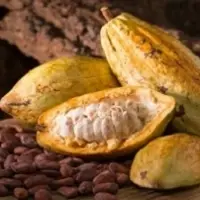
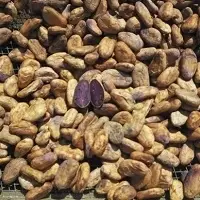
Other tropical fruits, coconut products: virgin coconut oil, aesthetic coconut oil (hair & skin), cocoa products: organic cocoa, cocoa butter, granola with cocoa , sugar free cocoa nibs, caramelized cocoa beans, cocoa balls, fruit pulps:
frozen passion fruit pulp. Frozen and aseptic mango pulp,
frozen and aseptic pulp of soursop, frozen and aseptic guava pulp
frozen cherry pulp. .
Smoke salted herring fish,cuttle fish, mackerel,red snapper,salted herring fish,seafood.
Crude oil, olive oil, seafood, meat, edible oil, sugar, grain, sunflower oil.Buying and selling
?Frozen Beef is beef that is frozen below -18 degrees Celsius to prevent bacterial growth and to extend its shelf life. The freezing of beef or any meat is mainly done to extend shelf life and for the convenience of the end consumer. Due to the ongoing trends and shift in demand for quick or ready-made food, the meat industry has shifted its focus towards frozen or canned meat.
The demand for frozen beef is rising due to changing consumer lifestyles, the growth of fast-food restaurants, and the increased dependency on frozen and ready-to-cook food. This will create consistent demand from retail chains, hotels, restaurants, caterers, and food processors, ensuring year-round sales opportunities. Buyers can also get frozen beef at best price by sourcing from top exporting countries like Brazil, the United States, and Australia, and secure long-term competitive supply contracts.
Frozen beef is available in multiple cuts to suit different culinary uses, market requirements and regional preferences. Buyers typically select products based on cut type, fat content, grading, and end use, such as retail, food processing, or foodservice.
Frozen beef is part of a broader meat & poultry ecosystem that enables buyers to diversify their sourcing portfolios and serve multiple market segments efficiently. Along with Fresh Beef and Canned Beef, buyers often trade in Frozen Chicken, Frozen Lamb, Frozen Mutton, Frozen Pork, Frozen Fish, Frozen Catfish, Frozen Cuttlefish, Frozen Meat, and Other Frozen Meat to meet varied regional and consumer preferences. Many global importers also expand into Fresh Meat, Canned Meat, Dried Meat, Processed Meat, and Other Fresh Meat, thereby building a balanced and resilient product mix.
Together, these categories fall under Meat & Poultry and Livestock, Poultry, Meat & Animal Products, helping frozen beef wholesalers, frozen beef manufacturers and suppliers, and frozen beef retailers ensure consistent supply, optimise logistics, and improve margins. This diversified approach is widely adopted by top frozen beef exporters, frozen beef dealers, frozen beef meat suppliers, and frozen meat suppliers catering to bulk, wholesale, retail, and foodservice markets worldwide.
?
Frozen beef offers scalable and profitable opportunities for both new and existing meat traders. Buyers can:
?
The global demand for frozen beef continues to grow steadily, driven by expanding red meat consumption, rising urbanization, and expanding cold-chain infrastructure in emerging markets. Frozen beef enjoys strong year-round demand because it offers extended shelf life, convenience, and easier cross-border trade compared with fresh meat.
Source: Volza
Key Market Trends:
Whether you need frozen beef wholesalers or certified exporters, the procedure of obtaining trusted partners is basically straightforward. There are several simple methods to get in touch with verified suppliers, both locally and globally. It is advisable to begin by attending major food trade shows such as SIAL, Gulfood, or Anuga, where you have the opportunity to meet suppliers face-to-face, check samples, and negotiate deals directly. Besides, you can venture into local wholesale markets to get in touch with distributors and cold storage providers in your area.
In case you are seeking expert assistance, it is a good decision to engage the services of sourcing agents or logistics companies that specialise in food imports. An online search with queries like “best frozen beef suppliers near me”, “wholesale frozen beef meat suppliers,” or “where to buy frozen beef in bulk” might also help you find new business partners. If you want the most convenient method, consider using international B2B platforms like go4WorldBusiness.com. They have a list of verified frozen beef suppliers along with their certifications in business details.