Please click here to check who's online and chat with them.

Find Verified Salad Vegetables Suppliers, Manufacturers and Wholesalers

Top Supplier Cities : Tashkent   -   Samarkand  
Dec-01-18

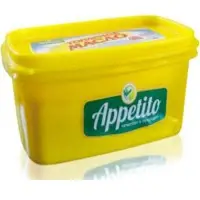
Vegetable Ghee

MOQ: Not Specified
Supplier From Tashkent, Republic Of Uzbekistan, Uzbekistan
 Inquire Now  
Product Description :
Vegetable Ghee is frequently used for softening the taste of dish and improving creamy flavour. Vegetable Ghee for 99.7% consists of fat.

Price of product ( USD price or FOB price) :
USD 1.55 per kg FCA Tashkent, Uzbekistan, Central Asia

Product origin :
Tashkent, Uzbekistan, Central Asia

Key Specifications/Special Features :
99.8% of fat
Appearance and
consistency - Dense, homogeneous or granular; in the melted form - transparent without sediment
Color - From light yellow to yellow, uniform throughout the mass
Mass fraction of
moisture - not more than 0,4%
Acidity of the fatty
phase - not more than 0,5

Minimum Order Size and Packgaing details :
500gr plastic container, 10kg, 11kg, 16kg plastic tin-like containers and/or metal tins.
Apr-24-22

Set Of Fruits And Vegetables

$1.12
MOQ: 5000  Sets
Sample Available
Supplier From Tashkent, Tashkent, Uzbekistan
 Inquire Now  
High quality fruit and vegetable set. placed in a small container. Mostly used by girls to play kitchen games and also used by adults to decorate their kitchen table.
GOLD Member
Jul-24-25

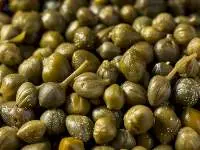
Capers, 1st

$2 - $5 / Kilogram (EXW)
MOQ: 10 tons  Metric Tonnes
Sample Available
Supplier From Tashkent, Uzbekistan
 Inquire Now  
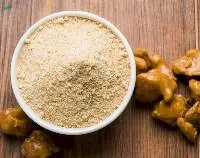
Asafoetida (also spelled asafetida) is the dried latex (gum oleoresin) exuded from the rhizome or tap root of several species of Ferula, perennial herbs growing 1 to 1.5 m (3 to 5 ft) tall. They are part of the celery family, Umbelliferae. Asafoetida is thought to be in the same genus as silphium, a North African plant now believed to be extinct, and was used as a cheaper substitute for that historically important herb from classical antiquity. The species are native to the deserts of Iran and mountains of Afghanistan where substantial amounts are grown.

Asafoetida has a pungent smell, as reflected in its name, lending it the trivial name of "stinking gum". The odor dissipates upon cooking; in cooked dishes, it delivers a smooth flavour reminiscent of leeks or other onion relatives. Asafoetida is also known colloquially as "devil's dung" in English (and similar expressions in many other languages).
GOLD Member
Jul-24-25

Asafoetida, 1st

$70 - $150 / Kilogram (FOB)
MOQ: 10 kg  Kilograms
Sample Available
Supplier From Tashkent, Uzbekistan
 Inquire Now  
Asafoetida (also spelled asafetida) is the dried latex (gum oleoresin) exuded from the rhizome or tap root of several species of Ferula, perennial herbs growing 1 to 1.5 m (3 to 5 ft) tall. They are part of the celery family, Umbelliferae. Asafoetida is thought to be in the same genus as silphium, a North African plant now believed to be extinct, and was used as a cheaper substitute for that historically important herb from classical antiquity. The species are native to the deserts of Iran and mountains of Afghanistan where substantial amounts are grown.

Asafoetida has a pungent smell, as reflected in its name, lending it the trivial name of "stinking gum". The odor dissipates upon cooking; in cooked dishes, it delivers a smooth flavour reminiscent of leeks or other onion relatives. Asafoetida is also known colloquially as "devil's dung" in English (and similar expressions in many other languages).
GOLD Member
Sep-10-26
253 Salad Vegetables Suppliers
Short on time? Let Salad Vegetables sellers contact you.
GOLD Member
Jul-24-25
GOLD Member
Jul-24-25
GOLD Member
Jul-24-25
GOLD Member
Jul-24-25

Dried Prune, 1st

$1 - $2.30 / Kilogram (FOB)
MOQ: 10 tons  Metric Tonnes
Sample Available
Supplier From Tashkent, Uzbekistan
 Inquire Now  
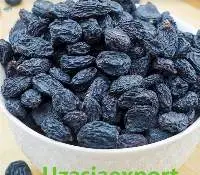
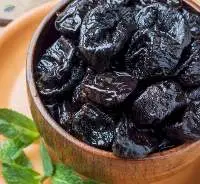
A prune is a dried plum, most commonly from the European plum (Prunus domestica). Not all plum species or varieties can be dried into prunes. A prune is the firm-fleshed fruit (plum) of Prunus domestica varieties that have a high soluble solids content, and does not ferment during drying. Use of the term "prune" for fresh plums is obsolete except when applied to varieties of plum grown for drying.

Most prunes are freestone cultivars (the pit is easy to remove), whereas most plums grown for fresh consumption are clingstone (the pit is more difficult to remove).

Prunes are 64% carbohydrates including dietary fiber, 2% protein, a rich source of vitamin K, and a moderate source of B vitamins and dietary minerals. The sorbitol content of dietary fiber likely provides the laxative effect associated with consuming prunes. Contrary to the name, boiled plums or prunes are not used to make sugar plums.
GOLD Member
Jul-24-25

Kidney Beans, 1st

$1 - $1.70 / Kilogram (FOB)
MOQ: 10 tons  Boxes
Sample Available
Supplier From Tashkent, Uzbekistan
 Inquire Now  
UZB Hs Code : 0713 33 900 0

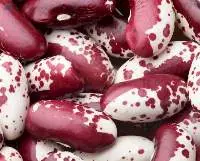
Kidney beans are an excellent plant-based source of protein. They're also rich in various minerals, vitamins, fibers, antioxidants, and other unique plant compounds. Therefore, these beans may aid weight loss, promote colon health, and moderate blood sugar levels.
GOLD Member
Jul-24-25

Cumin, 1st

$2 - $5 / Kilogram (FOB)
MOQ: 10 tons  Boxes
Sample Available
Supplier From Tashkent, Uzbekistan
 Inquire Now  
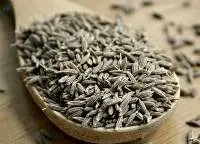
Cumin (Cuminum cyminum) is a flowering plant in the family Apiaceae, native to the Irano-Turanian Region. Its seeds â?? each one contained within a fruit, which is dried â?? are used in the cuisines of many cultures in both whole and ground form. Although cumin is thought to have uses in traditional medicine, there is no high-quality evidence that it is safe or effective as a therapeutic agent.

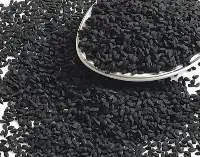
The history of the healing properties of sedana dates back to ancient times, as evidenced by the discovery of black sedana seeds in Neolithic and Mesolithic excavations. Nigella was used as a medicinal plant by Hippocrates, Pliny, and Dioscorides. In his book "The Canon of Medicine", Ibn Sina called black cedar "a seed that stimulates the body's energy and helps to recover from depression and fatigue."

Nowadays, the popularity of annual grass Nigella Sativa, or more precisely, its seeds, has increased significantly. This is not surprising, because the healing properties of nigella - sedana have been known since ancient times due to the absence of side effects typical of synthetic drugs and especially antibiotics.
GOLD Member
Jul-24-25

Saffron, 1st

$2 - $5 / Gram (FOB)
MOQ: 1 kg  Cans
Sample Available
Supplier From Tashkent, Uzbekistan
 Inquire Now  
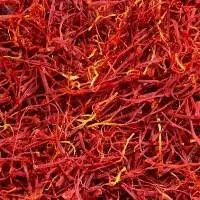
Scientists of the botanical Garden of the Academy of Sciences of Uzbekistan conducted research on the feasibility of cultivation of this plant in our country. The results showed that the saffron fully corresponds to soil and climatic conditions of the republic, can be grown in the mountain and foothill areas of the Fergana Valley, Tashkent, Samarkand, Kashkadarya, Surkhandarya, Navoi and Jizzakh regions, and in inter-rows in vineyards and gardens. In complementary medicine, saffron has long been used for treatment of many diseases. Abu Ali ibn Sino wrote that saffron tincture improves eye vision, the work of the heart and respiratory system.

In the course of scientific research, domestic scientists revealed that climatic conditions of the country allow growing such valuable medicinal plants as Alexandria leaf, valerian medicinal, madder dye, lavender medicinal, erva, rosemary officinalis, and others. The proposals on the establishment of pilot plantations of these plants have already been submitted. They are capable of replacing imports, and are demanded on the external market. The project would trigger the creation of a separate industry in agriculture specializing in the procurement of saffron and other medicinal plants, and thereby the provision of pharmaceutical, perfumery and food industries with domestic raw materials.
GOLD Member
Jul-24-25

Walnut, 1st

$2 - $5 / Kilogram (FOB)
MOQ: 10 tons  Boxes
Sample Available
Supplier From Tashkent, Uzbekistan
 Inquire Now  
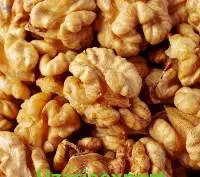
All parts of the nut are used. Walnut kernels are a very tasty and nutritious product, containing 60-70% fat, 11-20% protein, up to 20% carbohydrates and vitamins. Unripe nuts contain 3-5 times more vitamin C than peanuts.

In terms of nutrition, walnuts are superior to bread, meat and close to butter.

Walnuts have long been cultivated in Uzbekistan. The tree is up to 25-30 meters tall, 1.5-2 meters in diameter, the branches are spherical or domed, sparsely branched, the bark of old trees is cracked. The root system is vigorous, growing to a depth of 4 meters, spreading around 10-15 meters. At the base of the trunk and main branches are many dormant buds. Walnut trees are harvested in 8-10 years, grafted ones in 5-6 years. There are also varieties that bear fruit as early as 2 years after transplanting. Walnuts are fertile when they reach the age of 25-35 years and yield 100-150 kg from each tuber, and in some 300-500 kg. However, there is also a stagnation in nuts, which yields more in one year and less in the second. The fruits ripen from late August to early October.

Natural coconut groves in Bostanlyk district of Tashkent region of Uzbekistan are especially valuable. Walnut tree reaches a height of 25-30 m, diameter 1.5-2 m, the branches are spherical or domed, sparsely branched, the root system is vigorous - penetrates to a depth of 4 m, and spreads around 10-15 m.

Walnut kernels, rich in vitamins, which are necessary for the human body, strengthen the memory system, especially the activity of the human brain. Experts recommend that everyone consumes at least one or two nuts a day.

The sultan of medicine, Avicenna, in his book "Laws of Medicine" writes about the properties of walnuts, along with many medicinal plants. According to him, the juice made from the fruit, leaves, bark, core of the walnut tree cures and prevents various diseases. With this feature, walnut kernels are 7 times superior to beef. Walnut kernels contain iron, phosphorus, copper, serotonin, 58-77% fat, 12-25% protein and 5-25% carbohydrates.

Walnut trees bear fruit in 8-10 years, and grafted ones in 5-6 years, but there are also varieties that bear fruit in 2 years after transplanting.

Walnuts are productive when they reach the age of 25-30, with a yield of 100-150 kg from each bush and 300-500 kg from some. The fruits ripen from late August to early October.
GOLD Member
Jul-25-25

Organic Iodized Flour, 1st

$1 - $2 / Kilogram (FOB)
MOQ: 10 tons  Boxes
Sample Available
Supplier From Tashkent, Uzbekistan
 Inquire Now  
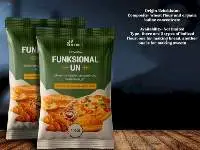
Organic iodized flour offers several benefits, both in its nutritional profile and in the products made from it. Here's a breakdown of these advantages:

Benefits of Organic Iodized Flour
Iodine Fortification: Iodized flour provides a crucial source of iodine, which is essential for thyroid health and proper metabolic function.

Organic Certification: Made from organic grains, it is free from synthetic pesticides and fertilizers, making it a healthier choice for consumers and better for the environment.

Higher Nutritional Quality: Organic grains often retain more vitamins, minerals, and antioxidants compared to conventionally grown grains.

No Artificial Additives: Organic flour typically avoids artificial preservatives, colors, and flavors, leading to a more natural product.

Whole Grain Options: Many organic flours are whole grain, providing higher fiber content, which supports digestive health and helps regulate blood sugar levels.

Lower Chemical Residue: Organic farming practices reduce the risk of chemical residues in the flour, promoting better health outcomes.

Sustainability: Organic farming is generally more sustainable, supporting biodiversity and reducing environmental impact.

Support for Local Farmers: Purchasing organic products often supports local and small-scale farmers who practice sustainable agriculture.

Benefits of Products Made from Organic Iodized Flour
Nutrient-Rich: Baked goods made from organic iodized flour benefit from the iodine content, which supports thyroid function and overall health.

Healthier Baked Goods: Products like bread, pancakes, and pastries can be healthier due to the absence of artificial additives and the inclusion of whole grains.

Better Taste and Texture: Many people find that baked goods made from organic flour have a richer flavor and better texture compared to those made from conventional flour.

Customization for Dietary Needs: Products can often be tailored to accommodate dietary restrictions, such as gluten-free options or those enriched with seeds and nuts.

Digestive Health: The higher fiber content in products made from whole grain organic flour promotes digestive health and regularity.

Lower Glycemic Index: Organic whole grain products can have a lower glycemic index, which helps regulate blood sugar levels and provides sustained energy.

Minimal Processing: Organic flour is usually less processed than conventional flour, which can preserve more nutrients and beneficial compounds.

Enhanced Satiety: Baked goods made with organic flour may provide greater satiety due to higher fiber content, potentially aiding in weight management.

Overall, organic iodized flour not only enhances the nutritional profile of baked goods but also contributes to a more sustainable and health-conscious food system.
GOLD Member
Jul-24-25

Sesame, 1st

$2 - $3 / Kilogram (FOB)
MOQ: 10 tons  Metric Tonnes
Sample Available
Supplier From Tashkent, Uzbekistan
 Inquire Now  
Sesame is a family of annual and perennial herbaceous plants, an oilseed crop. Homeland - Africa. The stem grows upright, gives off 4-6 long lateral branches. Leaves are simple, crowded, solitary or opposite, hairy. The flower is 1-3 in the leaf axil, 5-petaled. The fruit is small, elongated, flat, hairy. There are 20-300 pods in one bush. The pod is 2- or 4-lobed.

Length 3-5 cm. The weight of 1000 seeds is 2-5 g. The color of the seed is light or dark brown, sometimes white and black. Sesame is a heat-loving, light-loving, short-day plant. The seed germinates at 15-16�°�¡. The growing period is 90-110 (120-150) days.

Sesame is one of the most valuable oil crops, its seeds contain 65% oil, 16-19% protein, and 16-17% non-nitrogenous substances. Sesame grows abundantly on fertile, fertile land that has been freed from grain crops. Cultivation is carried out 2-3 times during the growing season, additional feeding is given twice with 40-50 kg of nitrogen per hectare. Water 1-2 times before flowering, 2 times during flowering.

Currently, 3 varieties of sesame are grown in Uzbekistan.

Black prince;
Tashkentsky -122;
Sadaf.
Regions recommended for planting: since 2012, it has been included in the State Register for planting on irrigated lands across the Republic.

The average height of the plant is 120-150 cm. The average vegetation period is 110-120 days. The average weight of 1000 seeds is 2.6-3.0 g, the seeds are black. Resistant to grain spillage.

Average yield: 17.6 s/ha. The amount of fat in the grain is 63%, oxyle is 24%. During the test period, there were no cases of damage by agricultural diseases and insects.

Recommended for planting in all regions of Uzbekistan.
GOLD Member
Jul-24-25

Rock Sugar, 1st

$1 - $3 / Kilogram (FOB)
MOQ: 10 tons  Metric Tonnes
Sample Available
Supplier From Tashkent, Uzbekistan
 Inquire Now  
Novot is a Central Asian and Iranian dessert, a local traditional type of candied sugar. Novot is crystalline sugar in the form of large crystals made from sugar syrup and grape juice. Novot can be of different colors: from white to brown.

Novot produced by traditional technology is especially common in Central Asian republics and can be easily found in local markets. Novot is usually served with tea and combines the functions of simple sugar and sweet food.

Novot should be used very carefully by people suffering from diabetes, as well as people suffering from dental diseases, especially caries. In large amounts, this sugar, like any other sugar, can negatively affect your metabolism and lead to weight gain.
GOLD Member
Jul-24-25

Honey, 1st

$7 - $15 / Kilogram (FOB)
MOQ: 500 kg  Kilograms
Sample Available
Supplier From Tashkent, Uzbekistan
 Inquire Now  
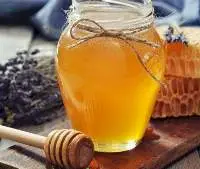
The benefits of honey have been known to everyone for a long time. Honey extracted in each country has its own characteristics. In the regions of Russia, honey is flower, buckwheat, based on sunflower. In Uzbekistan, mountain, steppe, cotton. It has in its composition a chic spectrum of nutrients and vitamins, as well as fructose and glucose. The composition of royal jelly is diversified by proteins and vitamins of groups B, C and D. Recently, flower pollen and propolis have been used. Some ingredients are easier to get, while others are more difficult. But the medicinal properties of honey are recognized all over the world. And on the basis of bee products, many medicines have been developed.
GOLD Member
Jul-24-25

Lauh, 1st

$10 - $20 / Piece (FOB)
MOQ: 110 pieces  Boxes
Sample Available
Supplier From Tashkent, Uzbekistan
 Inquire Now  
UZBEK HAND MADE BOOK STAND Lavh (lawh) sliding wooden stand for the books , one of the most original articles produced by Uzbek woodcarvers. It's hard to believe, but this complex construction is made from a piece of wood, without nails and without using glue or joints.
The art of making Lavh goes back to ancient times. It is made from one piece of walnut wood â?? no nails or glue was used to make it. It can be opened and fixed to 4 different positions.

Lawh (lavh) - Sliding wooden bookend - one of the most original products, which when - ever created Uzbek carvers. This complex structure is made from a piece of wood without a single nail and without the use of glue or joints. Experienced Master can make lauh ten - twelve levels. On a stand but books can be placed pencils, small rolls of paper, notepads, bookmarks for books and other supplies for reading and writing.In Samarkand, in the courtyard of the Bibikhanum Mosque, in the State Museum of the History of the Timurids in Tashkent, there is a large marble plaque. L. The tradition of working is preserved in the wood carving of Uzbek folk applied art. Today's function of the tablet has changed, and it has become a museum exposition, a souvenir of Uzbek folk art.

CULTURAL SYMBOL: This unique hand-made piece of woodwork, made of walnut, has been used at Uzbek madrasahs for centuries as a book stand, especially for the Quran ( Koran )
GIFT IDEA: A prominent example of centuries-old Uzbek traditions and culture, this hand-carved work of art with lacquered finish makes an ideal Central Asia gift for loved ones
MULTI-PURPOSE: On top of its original use as a book stand, this foldable walnut construction can also be used as a tablet and phone stand.
GOLD Member
Jul-24-25

Yellow Maize, 1st

$0.40 - $1 / Kilogram (FOB)
MOQ: 10 tons  Boxes
Sample Available
Supplier From Tashkent, Uzbekistan
 Inquire Now  
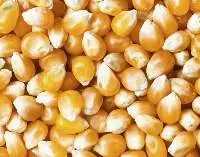
Maize is commonly known as corn. It is the third largest crop in the world. Yellow maize is one of the most extensively cultivated cereal crops on Earth. This Yellow maize is used in various food industries and other industries. Primarily used for human consumption and animal feed.

Yellow corn is a good source of the carotenoids lutein and zeaxanthin, which are good for eye health and help prevent the lens damage that leads to cataracts. Corn also has smaller amounts of vitamins B, E, and K, along with minerals like magnesium and potassium. When it comes to nutrients, color matters.
GOLD Member
Jul-24-25

Chicken Peas, 1st

$1.40 - $3 / Kilogram (FOB)
MOQ: 10 tons  Metric Tonnes
Sample Available
Supplier From Tashkent, Uzbekistan
 Inquire Now  
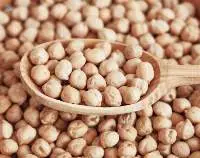
Chickpea, Cicer arietinum, is a member of the legume, pea, or pulse family, ''Fabaceae. Also called Leguminosae, this family of flowering plants is one of the largest plant families and includes such important plants as beans, peas, peanuts, lupines, alfalfa, clover, and acacia, and many others. As a member of the Faboideae (or Papilionoideae) subfamily, chickpea is characterized by one petal being large and with a crease in it, while the two adjacent petals are on the sides, and the two bottom petals are joined together at the bottom, forming a boat-like structure.

The bushy 60-cm (2-foot) plants bear feathery pinnately compound leaves. The small white or reddish flowers often have distinctive veins in blue or purple and are usually self-pollinated. The yellow-brown or dark green beans are borne one or two to a pod. There are large- and small-seeded varieties.
253 Salad Vegetables Suppliers
Short on time? Let Salad Vegetables sellers contact you.
Explore Salad Vegetables related import export discussions