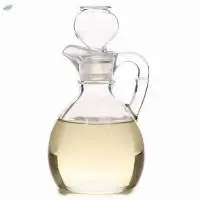
Date vinegar has a delicious, mildly sweet flavor and is widely used in preparing dishes like salads, pasta, stews, and special sauces for meat and fish. This vinegar is highly nutritious and can offer numerous health benefits. It helps with weight loss, reduces bad cholesterol, strengthens the heart, alleviates severe coughs, and has anti-cancer properties. Although date vinegar is one of the oldest recorded vinegars in history, many people have not heard of it or its health benefits.
The health benefits of date vinegar are very similar to those of dates, as both are rich in potassium, calcium, iron, and magnesium, as well as vitamins B1, B2, and B3. Consuming dates or using date vinegar can promote cardiovascular health, reduce the risk of colon cancer, and improve reproductive function and fertility. Dates and date vinegar, with their powerful anti-inflammatory properties, are very beneficial for the body.
Wood vinegar, also known as pyroligneous acid or wood tar oil, is a liquid byproduct produced during the process of carbonizing or pyrolyzing wood. This process involves heating wood in the absence of air, which leads to the decomposition of the organic compounds in the wood, resulting in the formation of various products, including wood vinegar.
Wood vinegar is a complex mixture of organic compounds, including acetic acid, methanol, acetone, and various phenolic compounds. It has a smoky odor and is typically brownish-black in color. Historically, wood vinegar has been used for various purposes, including as a preservative, insect repellent, and in traditional medicine.
Acetic acid, commonly found in vinegar, is a colorless organic acid with a sharp, pungent odor and a sour taste. It is a crucial component in vinegar production, where it is formed through the fermentation of ethanol by acetic acid bacteria. Acetic acid is widely used in the food industry as a flavor enhancer and preservative, as well as in household cleaning products. It also has industrial applications in the manufacture of various chemicals and plastics. Its distinctive taste and versatile properties make acetic acid a fundamental ingredient in both culinary and industrial processes.