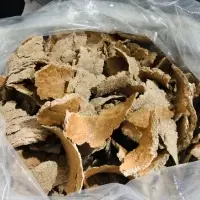
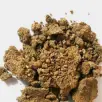
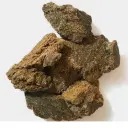
Introduction. Coconut oil is produced by extracting oil from copra, which is dried coconut flesh. When the oil is expelled mechanically the residue is called copra cake and if this is then solvent extracted to increase the yield of oil, the product is called copra meal.
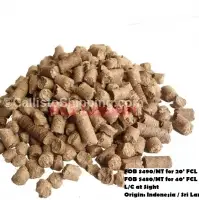
Pure coconut oil cake is made using extracted oil from copra. These are processed through our solvent processes. The coconuts are dehusked, split in half, drained of coconut water; then the halves are exposed to the sun for about a week, until the copra contains 6-8% water. The main coconut by-product is the copra meal. Coconut oil cake is also sometimes called copra meal or coconut meal.
Depending on the oil extraction method, the oil residue in the marketed product ranges from 1% to 22%. The copra meal sometimes refers to the mechanically extracted and the solvent extracted product. Copra meal is a common feed ingredient, particularly for ruminants. Its crude protein content is 20-25% with relatively high quantities of cell wall constituents. The oil content makes it a valuable energy source. Perfect for animal and cattle feed, these have rich mineral content. It is also used to increase the weight of the fully grown animals. Copra meal is a valuable feed for ruminants and can be used as a protein supplement for grass-fed animals, either alone or in combination with other protein sources.
While theoretically inferior to other common oil meals due to its lower protein content, it is often a better feed resource than other products. It is as effective as cottonseed meal for growth performance despite having half of the protein content, suggesting that the protein quality of copra meal has a higher biological value than that of cottonseed meal.
Sesame is a tropical and subtropical plant cultivated for its seeds, which yield about 50% of a high-quality edible oil. Sesame oil meal, the by-product of sesame oil extraction, is used as a feed ingredient. Sesame seeds have outstanding amounts of oil and they have a high polyunsaturated fatty acid (PUFA) content. Sesame oil contains about 47% oleic acid and 39% linoleic acid. It is rich in tocopherols and lignans (notably sesamin and sesamolin) that provide exceptional oxidative stability compared to other edible oils.
Several processes exist to extract sesame oil, depending on the end product required. The seed may be dehulled, cooked or roasted, and the oil extracted by mechanical pressure, resulting in a feed-grade, oil-rich sesame cake. Further extraction with solvent results in a feed-grade, low oil sesame flour. Sesame oil cake is the protein-rich by-product obtained after oil extraction.
Depending on the way oil has been extracted, sesame oil meal can be used as a feed for livestock, especially ruminants and poultry, from un-decorticated sesame seeds. It is a valuable source of protein for animals and unlike other oil meals, sesame oil meal is usually obtained by mechanical extraction only (rather by mechanical extraction followed by solvent extraction) and its residual oil content is high.
\"This is a by-product of the virgin coconut oil manufacturing process, from the residue left after the removal of oil from dried coconut. It is a valuable ingredient with high bypass protein, with an ideal protein to energy ratio and high levels of metabolizable energy.
This is highly used in confectionaries, baked food and as a high energy animal food ingredient.\"
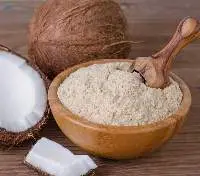
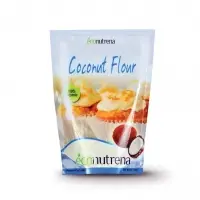
Coconut flour is a gluten-free, high-fiber flour made from dried and finely ground coconut meat. It is a nutrient-rich, low-carb alternative to wheat and other grain-based flours, making it ideal for baking, cooking, and healthy diets. Coconut flour is naturally grain-free, keto-friendly, and rich in protein, making it popular among those following paleo, keto, and gluten-free diets.
Uses
Cooking & Baking: Used in cakes, pancakes, bread, cookies, and pastries.
Thickening Agent: Great for soups, sauces, and gravies due to its absorbent nature.
Weight Management: The MCTs help boost metabolism and promote fat burning.
Smoothies & Shakes: Adds extra fiber and nutrients to drinks.
Healthy Snacks: Used to make protein bars and energy balls.
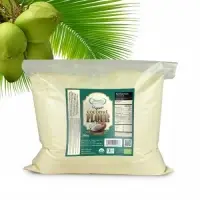
Organic Coconut Flour is rich in dietary fiber and protein content. Coconut Flour is gluten-free and acts as a complementary mixing ingredient for baking. Organic Coconut Flour is produced from Organic Coconut Oil Cake which is crushed and sieved for particle size. It is white in color and has the natural aroma of coconuts.
Heavy-duty rubber construction is nearly indestructible through heat, cold, rain & snow.
Perfect cleaning tool to have by every door. Keep the mess outside and keep your house clean. Built-in shoe sole and edge rubber bristles clean off those tough to get at places of mud and manure caked on your shoes and boots 100% Manufacturer Satisfaction Guarantee
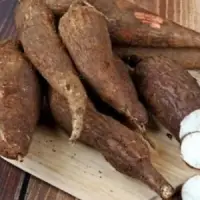
Tapioca is a starch extracted from the storage roots of the cassava plant. This species is native to the north region and central-west region of Brazil, but its use spread throughout South America. The plant was carried by Portuguese and Spanish colonisers to most of the West Indies and Africa and Asia.
The coconut tree (Cocos nucifera) is a member of the palm tree family (Arecaceae) and the only ... The inner flesh of the mature seed, as well as the coconut milk extracted from it, forms a regular part of the diets of many ... Many different varieties are grown, including the Maypan coconut, King coconut, and Macapuno.
Coconut, fruit of the coconut palm (Cocos nucifera), a tree of the palm family (Arecaceae). Coconuts probably originated somewhere in Indo-Malaya and are one of the most important crops of the tropics. Coconut flesh is high in fat and can be dried or eaten fresh. The liquid of the nut is used in beverages.
Coir, or coconut fibre, is a natural fibre extracted from the outer husk of coconut and used in products such as floor mats, doormats, brushes and mattresses. Coir is the fibrous material found between the hard, internal shell and the outer coat of a coconut.
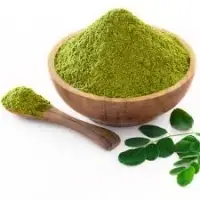
Moringa oleifera is a fast-growing, drought-resistant tree of the family Moringaceae, native to the Indian subcontinent. Common names include moringa, drumstick tree, horseradish tree, and ben oil tree or benzolive tree.
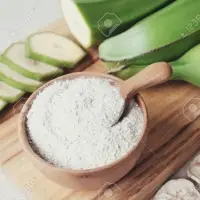
Banana flour, due to the use of green bananas, has a very mild banana flavor raw, and when cooked, it has an earthy, nonbanana flavor; it also has a texture reminiscent of lighter wheat flours and requires about 25% less volume, making it a good replacement for white and white whole-wheat Flour
Soybean meal is the most important protein source used to feed farm animals. Its feeding value is unsurpassed by any other plant protein source and it is the standard to which other protein sources are compared.
Soybean meal is the by-product of the extraction of soybean oil. Several processes exist, resulting in different products. Soybean meal is usually classified for marketing by its crude protein content. There are two main categories of soybean meal, the high-protein soybean meal with 47-49% protein and 3% crude fiber, obtained from dehulled seeds, and the conventional soybean meal, with 43-44% protein, that contain the hulls. In solvent-extracted soybean meals, the oil content is typically lower than 2% while it exceeds 3% in mechanically-extracted meals.
Soybean meal is heat-treated during production, to denature the trypsin inhibitors of soybeans, which would otherwise interfere with protein digestions. Soybean mean is used for animal feeds, principally as a protein supplement, but also as a source of metabolizable energy. For instance, for rapidly growing lambs on low-protein feeds, soybean meal can be an important supplement to ensure adequate protein intake, and partly because of its palatability, soybean meal is often recommended for use in starter rations when creep feeding lambs.
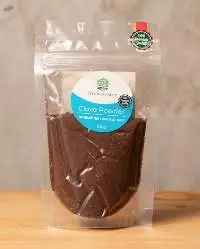
Cloves are the unopened flower buds of a tree in the Myrtaceae family. The evergreen tree is called Eugenia caryophyllus. The clove tree is of medium size and has a smooth bark. Cloves are found in both whole and ground forms. It is a staple spice in Indian Cuisine, and can be used to season pot roasts, add flavor to hot beverages, and bring spicy warmth to cookies and cakes.
Varieties: FAQ/LAL PARY/HAND PICKED,
FORMS : Whole/powder
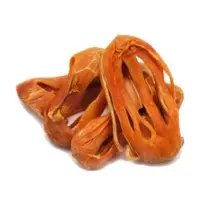
Nutmeg it is often used in baking recipes for cakes, cookies, and in savoury dishes such as soups and stews, sausages, meats, soups, fruits and preserves. The mace is removed, dried and then ground into a coarse powder that turns a reddish colour.
Product Name Mace
Specification
Cultivation Type Common & Organic
Form Fresh & Dry
Qnty 1X20' FCL > & 1X40' FCL >
Shipment Terms FOB / CIF / DDP / CRF
Payment Termes L/C , D/P , D/A , O/A
Orgin Port Colombo SriLanka
Packaging Terms 25 kg Bags Standard
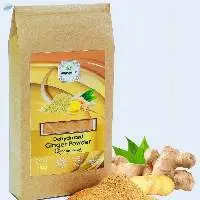
Derived from the rhizome of the ginger plant Zingiber officinale our Dehydrated Ginger Powder is a versatile and flavorful addition to your culinary repertoire This potent powder offers the distinctive taste of fresh ginger albeit with a slightly intensified spiciness adding a punch to a variety of dishes
Belonging to the same family as turmeric and cardamom the ginger plants rhizome is the source of our ginger powder Its unmistakable flavor and potential health benefits make it a culinary treasure
Our Dehydrated Ginger Powder isnt limited to just adding spice to dishes Its a wonderful ingredient in cakes desserts and even smoothies infusing them with the unmistakable essence of ginger