Please click here to check who's online and chat with them.

Find Verified Other Fresh Vegetables Suppliers, Manufacturers and Wholesalers

VERIFIED
Jan-12-23

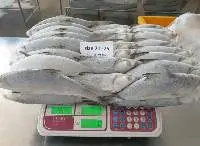
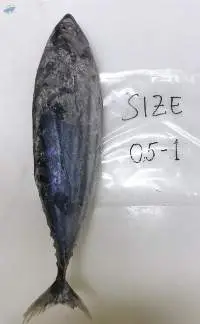
Frozen Milkfish

MOQ: Not Specified
Supplier From Bondowoso, East Java, Indonesia
 Inquire Now  
Frozen milkfish from Indonesia
VERIFIED
Jan-12-23
Supplier From Bondowoso, East Java, Indonesia
 Inquire Now  
Various sizes available
VERIFIED
Jan-12-23

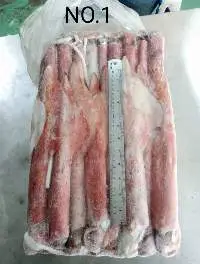
Frozen Squid

MOQ: Not Specified
Supplier From Bondowoso, East Java, Indonesia
 Inquire Now  
Any size from Indonesia waters
VERIFIED
Jan-12-23

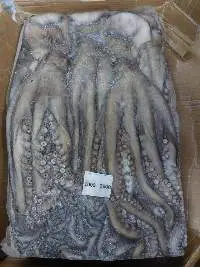
Frozen Octopus

MOQ: Not Specified
Sample Available
Supplier From Bondowoso, East Java, Indonesia
 Inquire Now  
Composition of
Size 500gm = 15%
Size 1-2kg = 65%
Size 2kgup = 20%
VERIFIED
Dec-12-22

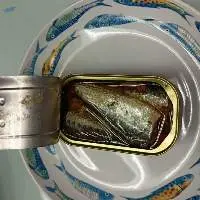
Canned Sardine

$41.90
MOQ: Not Specified
Sample Available
Supplier From Bondowoso, East Java, Indonesia
 Inquire Now  
We supplies the following Canned Sardine / Mackerel from Indonesia
Size: 185gr per can
1 Carton = 48 cans
Price per carton: USD 41.9

Prices are FOB Surabaya Port - Indonesia
Certificates:
Factory: HACCP, GMP, Halal, ISO
Product: BPOM, FDA, Halal, Kosher at your account

Payment Terms:
50% down payment
30% when products ready
20% ready to ship
563734 Other Fresh Vegetables Suppliers
Short on time? Let Other Fresh Vegetables sellers contact you.
VERIFIED
Dec-04-22

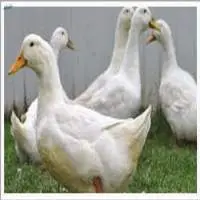
Organic Duck Meat

MOQ: Not Specified
Supplier From Bondowoso, East Java, Indonesia
 Inquire Now  
Chickens are the most common type of poultry in the world, and were some of the first domesticated animals. They are a major world wide source of eggs and meat called chicken. It is prepared as food in a wide variety of ways, varying by region and culture. The prevalence of chickens is due to their being almost completely edible, and the ease of raising them. In developed countries, chickens are usually subject to intensive farming methods.
VERIFIED
Dec-04-22

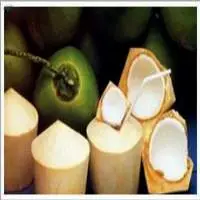
Coconut Water

MOQ: Not Specified
Supplier From Bondowoso, East Java, Indonesia
 Inquire Now  
The Coconut tree (Cocos nucifera) is a member of the family Arecaceae (palm family). It is the only accepted species in the genus Cocos. The term Coconut can refer to the entire coconut palm, the seed, or the fruit, which, botanically, is a drupe, not a nut. The spelling cocoanut is an archaic form of the word. The term is derived from 16th-century Portuguese and Spanish coco, meaning head or skull, from the three indentations on the coconut shell that resemble facial features.

The coconut is known for its great versatility as seen in the many uses of its different parts and found throughout the tropics and subtropics. Coconuts are part of the daily diets of many people. Coconuts are different from any other fruits because they contain a large quantity of water and when immature they are known as tender-nuts or jelly-nuts and may be harvested for drinking. When mature, they still contain some water and can be used as seednuts or processed to give oil from the kernel, charcoal from the hard shell and coir from the fibrous husk.

The endosperm is initially in its nuclear phase suspended within the coconut water. As development continues, cellular layers of endosperm deposit along the walls of the coconut, becoming the edible coconut â??fleshâ??. When dried, the coconut flesh is called copra. The oil and milk derived from it are commonly used in cooking and frying; coconut oil is also widely used in soaps and cosmetics. The clear liquid coconut water within is potable. The husks and leaves can be used as material to make a variety of products for furnishing and decorating. It also has cultural and religious significance in many societies that use it.
VERIFIED
Dec-04-22
Supplier From Bondowoso, East Java, Indonesia
 Inquire Now  
The Coconut tree (Cocos nucifera) is a member of the family Arecaceae (palm family). It is the only accepted species in the genus Cocos. The term Coconut can refer to the entire coconut palm, the seed, or the fruit, which, botanically, is a drupe, not a nut. The spelling cocoanut is an archaic form of the word. The term is derived from 16th-century Portuguese and Spanish coco, meaning head or skull, from the three indentations on the coconut shell that resemble facial features.

The coconut is known for its great versatility as seen in the many uses of its different parts and found throughout the tropics and subtropics. Coconuts are part of the daily diets of many people. Coconuts are different from any other fruits because they contain a large quantity of water and when immature they are known as tender-nuts or jelly-nuts and may be harvested for drinking. When mature, they still contain some water and can be used as seednuts or processed to give oil from the kernel, charcoal from the hard shell and coir from the fibrous husk.

The endosperm is initially in its nuclear phase suspended within the coconut water. As development continues, cellular layers of endosperm deposit along the walls of the coconut, becoming the edible coconut flesh. When dried, the coconut flesh is called copra. The oil and milk derived from it are commonly used in cooking and frying; coconut oil is also widely used in soaps and cosmetics. The clear liquid coconut water within is potable. The husks and leaves can be used as material to make a variety of products for furnishing and decorating. It also has cultural and religious significance in many societies that use it.
VERIFIED
Dec-04-22

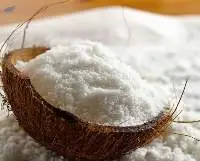
Coconut Sugar

MOQ: Not Specified
Supplier From Bondowoso, East Java, Indonesia
 Inquire Now  
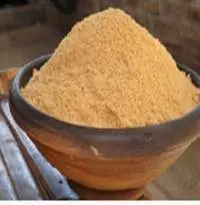
The Coconut tree (Cocos nucifera) is a member of the family Arecaceae (palm family). It is the only accepted species in the genus Cocos. The term Coconut can refer to the entire coconut palm, the seed, or the fruit, which, botanically, is a drupe, not a nut. The spelling cocoanut is an archaic form of the word. The term is derived from 16th-century Portuguese and Spanish coco, meaning head or skull, from the three indentations on the coconut shell that resemble facial features.

The coconut is known for its great versatility as seen in the many uses of its different parts and found throughout the tropics and subtropics. Coconuts are part of the daily diets of many people. Coconuts are different from any other fruits because they contain a large quantity of water and when immature they are known as tender-nuts or jelly-nuts and may be harvested for drinking. When mature, they still contain some water and can be used as seednuts or processed to give oil from the kernel, charcoal from the hard shell and coir from the fibrous husk.

The endosperm is initially in its nuclear phase suspended within the coconut water. As development continues, cellular layers of endosperm deposit along the walls of the coconut, becoming the edible coconut flesh. When dried, the coconut flesh is called copra. The oil and milk derived from it are commonly used in cooking and frying; coconut oil is also widely used in soaps and cosmetics. The clear liquid coconut water within is potable. The husks and leaves can be used as material to make a variety of products for furnishing and decorating. It also has cultural and religious significance in many societies that use it.
VERIFIED
Dec-04-22

Velvet Tamarind

MOQ: Not Specified
Supplier From Bondowoso, East Java, Indonesia
 Inquire Now  
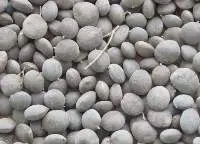
Dialium indum, the velvet tamarind, is a tall, tropical, fruit-bearing tree. It belongs to the Leguminosae family, and has small, typically grape-sized edible fruits with brown hard inedible shells.

Fruit flavor similar to acid , which is derived the English name. In Thailand , it is called Luk Yee or Yee, and in Malaysia and Indonesia ordinary people calling the name Keranji.

The fruit is used as snack foods like candy in Thailand, often dried, sugar coated and spiced with chili. Dried fruit has a powder texture, and taste of orange. Black in color taste sweet like chocolate candy so much cultivated by local communities (West Kalimantan and East Kalimantan).

In Indonesia there are at least two varieties for sale in local markets . Both have the same skin thin brittle black , and looks natural like fruits driest . One of the smaller species is about one inch = 25mm in length and has a light reddish-brown powder packed around a single seed, with a small air space inside the shell. This powder tastes sweet and sour candies like sweet tarts, and thus closest to the acid.

In Indonesia this tree flowering from November to December and fruiting ready to harvest between the months from January to April every 3 years.

The fruit acid is widely used as an acid food in Kalimantan. In Jakarta , the acid used is often sold in schools as a child snacks . Fruit shape of a marble, the color of his skin if it brooded colored black with brownish fles . Seasam sour but not sour Java. But also sweet, people used to call western Borneo Kranji Madu (honey kranji). Taste of fruit acids such as chocolate and honey, very delicious.

Kranji acid is also useful to kill the bad cholesterol in the body, by eating 3 eggs a day kranji acid .
VERIFIED
Dec-04-22

Betel (Areca) Nut

MOQ: Not Specified
Supplier From Bondowoso, East Java, Indonesia
 Inquire Now  
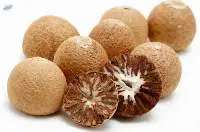
The areca nut is the seed of the areca palm (Areca catechu) known in Indonesia as Pinang, which grows in much of the tropical Pacific, Asia, and parts of east Africa. It is commonly referred to as betel nut, as it is often chewed wrapped in betel leaves (paan). The name areca origin from Malayalam adakka, during the 18th century Dutch and Portuguese sailors took to Europe.

The habit has many harmful effects on health. The International Agency for Research on Cancer concluded that chewing areca nut is carcinogenic to humans after reviewing the published medical research. Various compounds present in the nut, most importantly arecoline, contribute to histologic changes in the oral mucosa. As with chewing tobacco, its use is discouraged by preventive efforts.
VERIFIED
Dec-04-22

Nutmeg

MOQ: Not Specified
Supplier From Bondowoso, East Java, Indonesia
 Inquire Now  
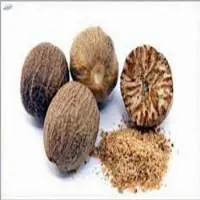
Nutmeg
VERIFIED
Dec-04-22

Vanilla

MOQ: Not Specified
Supplier From Bondowoso, East Java, Indonesia
 Inquire Now  
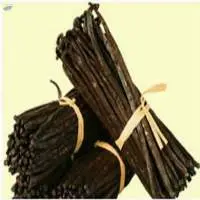
Pleasantly fragrant rich vanilla beans are the pods or fruits obtained from a tropical climbing orchid. Mayans used them to flavor chocolate drink centuries before Spanish first set their foot in Mexico in 1520. This highly prized bean is native to tropical rain forest of Central America and only recently spread to other tropical-regions by Spanish explorers. Botanically the plant is a perennial herbaceous climbing vine belonging to the family of Orchidaceae, in the genus: vanilla. Scientific name:Vanilla planifolia.

The vanilla plant has unique growth characteristics. It requires supporting tree or pole to grow in height. A matured vine bears deep trumpet-shaped flowers. The flowers open only for one day and are naturally pollinated either by the Melipona bee or long beaked humming birds. However, in cultivation, they are hand-pollinated and now grown commercially in Madagascar, Indonesia, India, Puerto Rica and West Indies. There exist three main cultivars of vanilla. Among them, Vanilla planifolia is the most sought-after bean worldwide.

The other species include Vanilla pompona and Vanilla tahitiensis (grown in Polynesian islands), although the vanillin content of these species is inferior to Vanilla planifolia. Unripe vanilla pods are harvested when they are 5-8 inches long and turn light yellow. They are then blanched briefly in boiling water, sweated and dried under sun over a period of weeks until they turn dark-brown and wrinkled. White crystalline efflorescence which is vanillin, the main essence of vanilla, appears inside in some of the superior quality pods.
VERIFIED
Dec-04-22

Bali Long Pepper

MOQ: Not Specified
Supplier From Bondowoso, East Java, Indonesia
 Inquire Now  
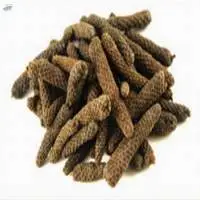
Balinese Long Pepper or Javanese Long Pepper is a flowering vine in the family Piperaceae, cultivated for its fruit, which is usually dried and used as a spice and seasoning. The fruit of Piper retrofractum is similar in appearance and taste to that of the Long Pepper (P. longum).

On the palate, this pepper is earthy and sweet but also has a definite heat. Once crushed, it releases a lovely floral fragrance. Bali Long Pepper can be used like any conventional pepper but it can also be used like a bay leaf in soups and/or braises.
VERIFIED
Dec-04-22

Comet Tail Pepper

MOQ: Not Specified
Supplier From Bondowoso, East Java, Indonesia
 Inquire Now  
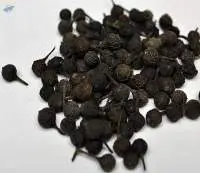
Javanese Comet's Tails or kemukas as they are known locally are a wonderful rarity among the world of Piper (true pepper) family. Known to the west since medieval times as Piper cubeba or Cubebs, this pepper has a wonderful fresh aroma of pepper, pine and lemons.This Peppercorn is harvested by hand and then sun dried before being sold. On the tongue, Comet's Tail peppercorns exhibit a distinctly cooling menthol feeling offset by the peppery heat & a bright citrus-like sweetness.

Cubeb fruit is generally harvested before ripe and then dried. Cubeb often sold in the form of dried fruit that still has the stem, so it is often referred to as pepper caudate (tailed pepper). Cubeb seeds are white, hard and greasy.
VERIFIED
Dec-04-22

Cloves

MOQ: Not Specified
Supplier From Bondowoso, East Java, Indonesia
 Inquire Now  
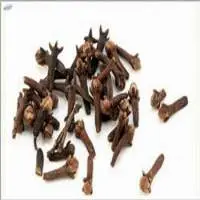
Cloves are one of the highly prized spices, widely recognized all over the world for their medicinal and culinary qualities. They are the flower buds from evergreen rain-forest tree native to Indonesia.

Botanically, the spice belongs to the family of Myrtaceae of the genus; Sygyzium, and scientifically named as Sygizium aromaticum.

The flower buds are initially pale in color, gradually turn to green, and, finally develop into bright-red clove buds by the time of harvesting. Buds are generally picked up when they reach 1.5-2 cm in length.
Structurally, each bud consists of long calyx; terminating in four spreading sepals, and four unopened petals, which form a small ball (dome) at the center. The sweet aroma of cloves is due to eugenol, an essential oil in them.
VERIFIED
Dec-04-22
Supplier From Bondowoso, East Java, Indonesia
 Inquire Now  
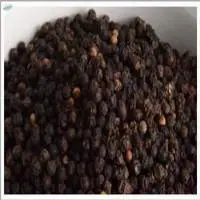
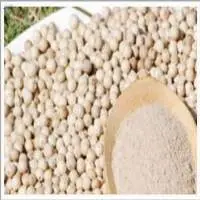
Indonesia has historically played an important role as a supplier of black and white pepper to the international market. Since the late 16th century, when de Houtman and Van Nect started trading in pepper, and the early 17th century when the Dutch established pepper plantations in Java and Sumatra, Indonesia has been a major contributor to world trade in pepper. Today, Lampung Black and Muntok White pepper are respected names in the pepper trade.

Pepper in Indonesia is a smallholder crop, with average farm size of less than a hectare. An estimated 190,000 hectares of pepper are cultivated, mainly in Lampung and Bangka, with some areas in South Sumatra, Kalimantan and Sulawesi becoming important recently. In Lampung black pepper is produced, while in Bangka, because of suitable conditions, the entire production is of white pepper. In Kalimantan and Sulawesi almost 70% of production is black and the remaining white. Lampung and Bangka are main sources recording exports, while pepper from Kalimantan and Sulawesi are channeled to nearby local markets as well as to neighboring countries.
VERIFIED
Dec-04-22
Supplier From Bondowoso, East Java, Indonesia
 Inquire Now  
Indonesia has historically played an important role as a supplier of black and white pepper to the international market. Since the late 16th century, when de Houtman and Van Nect started trading in pepper, and the early 17th century when the Dutch established pepper plantations in Java and Sumatra, Indonesia has been a major contributor to world trade in pepper. Today, Lampung Black and Muntok White pepper are respected names in the pepper trade.

Pepper in Indonesia is a smallholder crop, with average farm size of less than a hectare. An estimated 190,000 hectares of pepper are cultivated, mainly in Lampung and Bangka, with some areas in South Sumatra, Kalimantan and Sulawesi becoming important recently. In Lampung black pepper is produced, while in Bangka, because of suitable conditions, the entire production is of white pepper. In Kalimantan and Sulawesi almost 70% of production is black and the remaining white. Lampung and Bangka are main sources recording exports, while pepper from Kalimantan and Sulawesi are channeled to nearby local markets as well as to neighboring countries.
VERIFIED
Dec-04-22

Canned Tuna

MOQ: Not Specified
Supplier From Bondowoso, East Java, Indonesia
 Inquire Now  
A tuna is a saltwater finfish that belongs to the tribe Thunnini, a sub-grouping of the mackerel family (Scombridae) which together with the tunas, also includes the bonitos, mackerels, and Spanish mackerels. Thunnini comprises fifteen species across five genera, the sizes of which vary greatly, ranging from the bullet tuna (max. length: 50 cm (1.6 ft), weight: 1.8 kg (4 lb)) up to the Atlantic bluefin tuna (max. length: 4.6 m (15 ft), weight: 684 kg (1,508 lb). The bluefin averages 2 m (6.6 ft), and is believed to live for up to 50 years.

Their circulatory and respiratory systems are unique among fish, enabling them to maintain a body temperature higher than that of the surrounding water. An active and agile predator, the tuna has a sleek, streamlined body, and is among the fastest-swimming pelagic fish the yellowfin tuna, for example, is capable of speeds of up to 75 km/h (47 mph). Found in warm seas, it is extensively fished commercially and is popular as a game fish. As a result of over-fishing, stocks of some tuna species such as the Southern bluefin tuna have been reduced dangerously close to the point of extinction.
VERIFIED
Dec-04-22

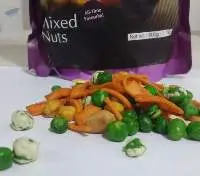
Mixed Nuts

MOQ: Not Specified
Supplier From Bondowoso, East Java, Indonesia
 Inquire Now  
Mixed nuts, perfect for your afternoon snacks.
563734 Other Fresh Vegetables Suppliers
Short on time? Let Other Fresh Vegetables sellers contact you.
Explore Other Fresh Vegetables related import export discussions