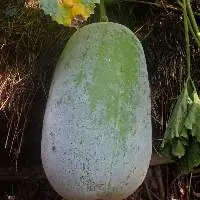
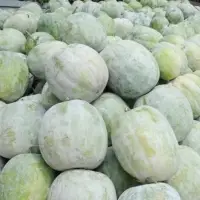
Large, firm ash gourds featuring a dark green skin covered in a characteristic white waxy bloom. Renowned for its juicy, neutral pulp, high hydration, and exceptional long-distance shelf life.
Key Specifications:
Product: Fresh Ash Gourd
Quality: Premium Export Grade
Appearance: Elongated or cylindrical, with pale green waxy skin
Flesh: White, firm and juicy
Flavor: Mild and refreshing
Texture: Firm and crisp
Condition: Clean, healthy and free from visible defects
Size: Graded according to buyer requirements
Packaging: Export-quality cartons, crates or suitable bulk packing
Storage: Cool and dry conditions as required
Application: Curries, soups, stews, juices, sweets and food processing
Availability: Seasonal, subject to harvest schedules
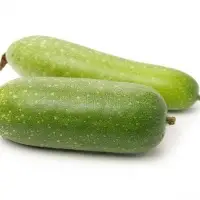
Long, slender green gourds with distinctive white stripes, crisp flesh, and a delicate, mild taste. Highly hydrating and light, carefully packed to protect its delicate structure during international transit.
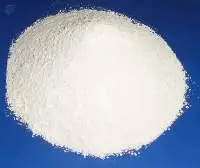
Soda ash
Sodium carbonate in scientific name, soda soda in common name, stone alkali, washing alkali, chemical formula Na2CO3, belonging to In salts, sodium carbonate containing ten crystal water is colorless crystal, crystal water is unstable, easy to weathering,
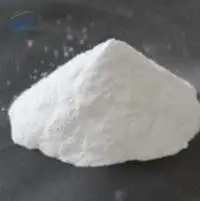
It becomes a white powder Na2CO3, a strong electrolyte, with salt connectivity and thermal stability, easily soluble water, its aqueous solution is basic.
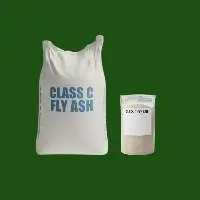
- Source: Produced from the combustion of younger lignite or sub- bituminous coals.
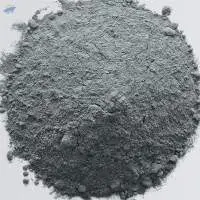
- Composition: Contains a high percentage of calcium oxide (CaO), typically more than 20%. It also includes silica, alumina, and iron oxide.
- Properties: Exhibits both pozzolanic and self-cementing properties. The high lime content allows it to harden and gain strength independently when mixed with water.
- Key uses: Used in concrete when early-stage strength development is needed. Its self-cementing properties can allow for a partial replacement of cement in a concrete mix.
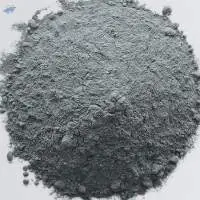
- Source: Derived from the combustion of harder, older anthracite or bituminous coals.
- Composition: Primarily composed of silica (silicon dioxide, SiO2), alumina (aluminum oxide, Al2O3), and iron oxide (Fe2O3). It has a low calcium content, typically less than 10%.
- Properties: Possesses pozzolanic properties, meaning it requires a cementing agent like hydrated lime or Portland cement to react with water and form a cementitious compound. It has no self-cementing properties on its own.
- Key uses: Used in concrete to increase its long-term strength, reduce permeability, and enhance resistance to sulfate attacks.
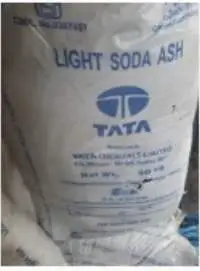
Light / Dense Soda Ash
Sodium Carbonate (Na2CO3), commonly known as Soda Ash, may well have been the third "industrial chemical" used by man; perhaps employed sometime after salt (NaCl) and lime (CaO).
Total Alkalinity (as Na2CO3) % by mass 99.0
Chloride (as NaCl) % by mass 0.30-0.40
Iron (as Fe2O3) % by mass â?¤0.005
Matter insoluble in water % by mass 0.08
Sulphates (as Na2SO4) % by mass 0.07
Bulk Density gm/liter (Light Ash) 540-630
Bulk Density gm/liter (Dense Ash) 950-1200
Aluminium Ash is a by-product obtained during the melting and processing of aluminium metal. It contains recoverable aluminium metal content along with aluminium oxide and other impurities.
It is widely used for aluminium recovery, cement industry additives, refractory materials, and chemical processing applications
Smooth, light-green bottle gourds with a firm exterior, spongy white pulp, and mild, refreshing flavor. Extremely low in calories and rich in hydration, carefully packed to retain peak farm freshness.
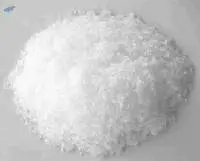
Soda ash dense, also known as sodium carbonate (Naâ??COâ??), is a high-purity, granular form of soda ash. It is widely used in various industries due to its chemical properties and versatility. Some of its primary applications include:
1- Glass Manufacturing: It is a key ingredient in the production of flat glass, container glass, and other glass products.
2- Detergents and Soaps: Used as a builder in detergents to enhance cleaning efficiency.
3- Water Treatment: Helps in softening water by removing calcium and magnesium ions.
4- Chemical Production: Acts as a raw material in the production of other chemicals like sodium silicates and sodium bicarbonate.
5- Used in the pulping process and to adjust pH levels.
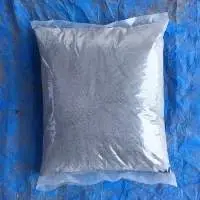
Soda ash light, also known as sodium carbonate, is a fine, white powder with a lower bulk density compared to soda ash dense. It is widely used in various industries due to its solubility and reactivity. Here are some of its key applications:
1- Detergents and Cleaning Products: Acts as a water softener and pH regulator.
2- Glass Manufacturing: Used in the production of flat glass and container glass.
3- Textile Industry: Helps in dyeing and finishing processes.
4- Water Treatment: Used to adjust pH levels and soften water.
5- Chemical Production: Serves as a raw material for producing other sodium compounds.
Best quality plant supply soda ash sodium bicarbonate professional manufactory with SGS/BV certificate
Soda Ash
Item: ISoda Ash Dense
Total Alkalinity/%: 99.5Min
Chloride Content(NaCl)/%: 0.30Max
Iron Content/%: 0.003Max
Sulphate Content/%: 0.03Max
Water Insoluble Matter/%: 0.02Max Product Name:Soda Ash
CAS No.:497-19-8
EINECS No.:207-838-8
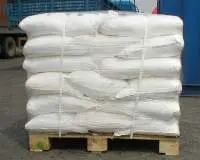
Packaging Detail:SODA ASH LIGHT:40kgs bags and 750kgs bags. SODA ASH DENSE: 50kgs bags and 1000kgs bags.
Application: Best quality plant supply soda ash sodium bicarbonate professional manufactory with SGS/BV certificate
1.Glass industry
2.Production of borates, phosphates and silicates
3.Production of glues and adhesives
4.Detergent and soap manufacturing industry
5.Paper manufacture
6.Water purification
7.Textile industry
8.Pharmaceutical industry as a mouthwash, etc
9. Foods and daily life
Toothpaste
In Kerala, India, charcoal from Rice husks (Umikari in Malayalam) were universally used for over centuries in cleaning teeth, before toothpaste replaced it.
Brewing
Rice hulls can be used in brewing beer to increase the lautering ability of a mash.
Fertilizer and substrate
Rice hulls can be composted, but their high lignin content can make this a slow process. Sometimes earthworms are used to accelerate the process. Using vermicomposting techniques, hulls can be converted to fertilizer in about four months.
Rice hulls that are parboiled (PBH) are used as a substrate or medium for gardening, including certain hydrocultures. The hulls decay over time. Rice hulls allow drainage, and retain less water than growstones. It has been shown that rice hulls do not affect plant growth regulation.
Juice extraction
Rice hulls are used as a "press aid" to improve extraction efficiency of apple pressing.
Pet food fiber
Rice hulls are an inexpensive byproduct of human food processing, serving as a source of fiber that is considered a filler ingredient in pet foods.
Pillow stuffing
Rice hulls are used as pillow stuffing. The pillows are loosely stuffed and considered therapeutic as they retain the shape of the head.
Insulating material
Rice hulls themselves are a class A thermal insulating material because they are difficult to burn and less likely to allow moisture to propagate mold or fungi.It is also used as roofing after mixing it with mud and water.
Particle boards and cardboard
Rice hulls are also used to make particle boards and cardboard. The silica in rice husk make the particle boards less attractive to termites.