Diesel fuel is generally a liquid fuel used in diesel engines, which ignites the fuel without sparking by compressing the inlet air mixture and then injecting the fuel. (Glow plugs, grid heaters, and block heaters help achieve high combustion temperatures during cold weather starting.)
The most common type of diesel fuel is specific fractional distillation of fuel oil, but alternatives that are not derived from oil, such as biodiesel, biomass to liquid (BTL) or gas to liquid (GTL) diesel, are increasingly being developed and adopted.
To distinguish these types, in some academic circles, petroleum-derived diesel fuel is increasingly referred to as oil-oil. Ultra Low Sulfur Diesel (ULSD) is the standard for determining substantially reduced sulfur diesel.
product Description : These Products are Exported with Stringent Adherence to Standard Russian Export Specifications with Respective GOST. Price of product ( USD price or FOB price) : Product will be priced in USD$ Based on an Appropriate PLATTS INDEX or a FIXED Price and the Agreed Upon Shipping Method. The Price will be Mutually Agreed to by Buyer and Seller Product origin : Russian Federation Key Specifications/Delivery/Logistics : 1. Certification SGC or Equivalent 2. Payment Terms = Letter of Credit ( Details to be agreed upon by Buyer and Seller 3. Delivery Time = Varies by Destination 4. Port of Loading = TBD Minimum Order Size & Contract Term : Minimum Monthly Quantity = 100,000 MT X 12 Month Contract Required with R & E up to 120 Months
Diesel fuel is generally a liquid fuel used in diesel engines, which ignites the fuel without sparking by compressing the inlet air mixture and then injecting the fuel. (Glow plugs, grid heaters, and block heaters help achieve high combustion temperatures during cold weather starting.)
The most common type of diesel fuel is specific fractional distillation of fuel oil, but alternatives that are not derived from oil, such as biodiesel, biomass to liquid (BTL) or gas to liquid (GTL) diesel, are increasingly being developed and adopted.
To distinguish these types, in some academic circles, petroleum-derived diesel fuel is increasingly referred to as oil-oil. Ultra Low Sulfur Diesel (ULSD) is the standard for determining substantially reduced sulfur diesel.
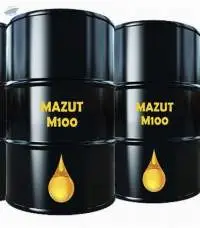
Mazut-100 is a fuel oil that is manufactured to GOST specifications, for example GOST 10585-75/99.
GOST is the Russian system of standards. Mazut is almost exclusively manufactured in the Russian Federation, This product is typically used for larger boilers in producing steam since the BTU content is high. The most important consideration when grading this fuel is the sulfur content, which can mostly be affected by the source feedstock.
For shipment purposes, this product has a high viscosity which drastically affect whether it is able to be pumped, shipping has unique requirements. Mazut is much like Number 6 Oil, and is part of the products left over after gasoline and lighter components are evaporated from the crude oil.
The main difference between the different types of Mazut-100 is the content of sulphur. The grades are represented by these sulfuric levels:
- "Very Low Sulphur" is mazut with a sulphur content of 0.5%
- "Low Sulphur" is a mazut with a sulphur content of 0.5-1.0%
- "Normal Sulphur" is a mazut with a sulphur content of 1.0-2.0%
- "High Sulphur" is a mazut with a sulphur content of 2.0-3.5%
- Very Low Sulfur mazut is generally made from the lowest sulfur crude feedstocks.
Virgin D6 is marketed as a straight-run or unblended residual petroleum fuel used as an industrial fuel, boiler fuel and, where the specification permits, marine bunker fuel.
Typical API Gravity : Approximately 19 - 30 API, depending on grade/origin
Density @ 15C : Approximately 950 - 1,010 kg/m for commonly marketed residual-fuel grades.
Viscosity @ 50C : Up to approximately 380 cSt for heavy residual grades; some commercial D6 grades are considerably lower.
Sulfur : Highly grade-dependent; commonly 0.5 - 3.5 wt%. VLSFO variants may be â?¤0.5 wt %.
Flash Point : Typically 60°C for residual-fuel specifications.
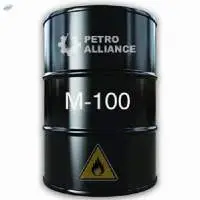
Russian Mazut M100 is a fuel oil that is manufactured to GOST specifications, GOST 10585-75 (not active), GOST 10585-99 Oil fuel (GOST is the Russian system of standards, much like ASTM, for example). Mazut is almost exclusively manufactured in the Russian Federation, This kind of oil is graded as the heavy furnace oil. The product is produced from the remains of raw oil processing. This kind of mazut is produced only from the low sulphur raw oil. This product is typically used for larger boilers in producing steam since the BTU content is high. The most important consideration (not the only consideration) when grading this fuel is the sulfur content, which can mostly be affected by the source feedstock. For shipment purposes, this product is considered a dirty oil product, and because viscosity drastically affect whether it is able to be pumped, shipping has unique requirements. Mazut is much like Number 6 Oil, and is part of the products left over after gasoline and lighter components are evaporated from the crude oil.
The main difference between the different types of Mazut-100 is the content of sulphur. The grades are represented by these sulfuric levels:
Very Low Sulphur is Mazut M100 with a Sulphur content of 0.5%
Low Sulphur is Mazut M100 with a Sulphur content of 0.5%
Normal Sulphur is a Mazut M100 with a Sulphur content of 1.0-2.0%
High Sulphur is a Mazut M100 with a Sulphur content of 2.0-3.5%
The amount of sulfur affects how clean the oil burns, and in turn the emissions it creates, as well as the amount of buildup that accumulates within the engines and furnaces that burns it. M100 prices are often determined by its point of origin and mode of production. Apart from shipping charges and regulations, product quality is considered to be more essential.
When petroleum is distilled, fuel oil is produced as a residue or distillate. Any fuel oil is a form of petroleum that is burned to produce energy or heat for running an engine. These are usually low-quality oils that are heated in a furnace or boiler and used in a number of industries. MAZUT is such fuel and is typically used in generating plants and factories. Of course, different plants have expected requirements and specifications of their fuel and this is why MAZUT M100/99 and GOST 10585-75 are produced according to industry ISO standards.
Russian Mazut M100 is a fuel oil that is manufactured to GOST specifications, GOST 10585-75 (not active), GOST 10585-99 Oil fuel (GOST is the Russian system of standards, much like ASTM, for example). Mazut is almost exclusively manufactured in the Russian Federation, This kind of oil is graded as the heavy furnace oil. The product is produced from the remains of raw oil processing. This kind of mazut is produced only from the low sulphur raw oil. This product is typically used for larger boilers in producing steam since the BTU content is high. The most important consideration (not the only consideration) when grading this fuel is the sulfur content, which can mostly be affected by the source feedstock. For shipment purposes, this product is considered a product, and because viscosity drastically affect whether it is able to be pumped, shipping has unique requirements. Mazut is much like Number 6 Oil, and is part of the products left over after gasoline and lighter components are evaporated from the crude oil.
The main difference between the different types of Mazut-100 is the content of sulphur. The grades are represented by these sulfuric levels:
Very Low Sulphur is Mazut M100 with a Sulphur content of 0.5%
Low Sulphur is Mazut M100 with a Sulphur content of 0.5%
Normal Sulphur is a Mazut M100 with a Sulphur content of 1.0-2.0%
High Sulphur is a Mazut M100 with a Sulphur content of 2.0-3.5%
The amount of sulfur affects how clean the oil burns, and in turn the emissions it creates, as well as the amount of buildup that accumulates within the engines and furnaces that burns it. M100 prices are often determined by its point of origin and mode of production. Apart from shipping charges and regulations, product quality is considered to be more essential.
When petroleum is distilled, fuel oil is produced as a residue or distillate. Any fuel oil is a form of petroleum that is burned to produce energy or heat for running an engine. These are usually low-quality oils that are heated in a furnace or boiler and used in a number of industries. MAZUT is such fuel and is typically used in generating plants and factories. Of course, different plants have expected requirements and specifications of their fuel and this is why MAZUT M100/99 and GOST 10585-75 are produced according to industry ISO standards.
D6 is also be known as Residual Fuel Oil and is of high-viscosity. This particular fuel oil requires preheating to 220 - 260 Degrees Fahrenheit. D6 is mostly used for generators.
D6 is a type of residual fuel, mainly used in power plants and larger ships. The fuel requires to be preheated before it can be used. It is not possible to use it in smaller engines or vessels/vehicles where it is not possible to pre-heat it. D6 is its name in the USA. In other parts of the world it has other names.
Residual means the material remaining after the more valuable cuts of crude oil have boiled off. The residue may contain various undesirable impurities including 2 percent water and one-half percent mineral soil. D6 fuel is also known as residual fuel oil (RFO), by the Navy specification of Bunker C, or by the Pacific Specification of PS-400
Recent changes in fuel quality regulation now require further refining of the D6 in order to remove the sulfur, which leads to a higher cost. Despite this recent change, D6 is still less useful because of its viscosity as well as that it needs to be pre-heated before it can be used and contains high amounts of pollutants, such as sulfur. Since it requires pre-heating, it cannot be used in small ships or boats or cars. However large ships and power plants can use the residual fuel oil.
The price of D6 diesel traditionally rises during colder months as demand for heating oil rises, which is refined in much the same way.In many parts of the United States and throughout the United Kingdom and Australia, d6 diesel may be priced higher than petrol.
D6 Diesel Standards and ClassificationCCAI and CII are two indexes which describe the ignition quality of residual fuel oil, and CCAI is especially often calculated for marine fuels.
Min Trial Quantity: 1,000, 000 Barrel First Shipment
Contract Quantity: 10, 000, 000 Barrel X 12 With Roll & Extension
Packing: Bulk Carrier - Vessel Tanker Or Buyer's Choice
Specifications: As Per Buyer Request
Payment Terms: Mt103 Tt Wire Transfer According To Seller Nominated Account
Price Cif_ Gross $78 Usd Per Bbl - Net $74 Usd Per Bbl
Price Fob: Gross $74 Usd Per Bbl - Net $70 Usd Per Bbl
Commission: Buyer Side $2 Usd Per Bbl - Seller Side $2.00 Usd Per Bbl
Loading Port: Azerbaijan -turkmenistan - Georgian Sea Ports
Discharged Port: Fob:azerbaijan - Rotterdam - HOUSTON - JURONG - UAE - CIF (ASWP)
Insurance: 110% Covered By The Seller
Inspection: Sgs - Intertek Or Similar
Nota Bene: Where It Says Box It Really Is Bbl
D6 is a type of residual fuel, mainly used in power plants and larger ships. The fuel is required to be preheated before it can be used. It is not possible to use it in smaller engines or vessels/vehicles where it is not possible to pre-heat it. D6 is its name in the USA. In other parts of the world it has other names.
Number 6 fuel oil is a high-viscosity residual oil requiring preheating to 220 - 260 F (104 - 127 C).
D6 BUNKER FUEL OIL
D6 is also known as Residual Fuel Oil and is of high-viscosity. This particular fuel oil requires preheating to 220 - 260 Degrees Fahrenheit. D6 is mostly used for generators.
D6 is a type of residual fuel, mainly used in power plants and larger ships. The fuel requires to be preheated before it can be used. It is not possible to use it in smaller engines or vessels/vehicles where it is not possible to pre-heat it. D6 is its name in the USA. In other parts of the world it has other names.
Safe procedure and long-term cooperation - that is our motto. As an experienced team based in Berlin, with direct contacts to refineries and direct clients, I and my team ensure a smooth procedure.
For us, the customers are the focus of everything we do. To be successful, we need to know what our buyers need.
We want to ensure that we offer our buyers added value with our solutions. We meet our commitments and meet our deadlines and goals.
Send us LOI so that we can start processing the order.
If you have any questions please do not hesitate to contact us!
Furnace oil, also known as fuel oil or heating oil, is a heavy petroleum-based product primarily used in industrial furnaces and boilers to generate heat. It's a residual product obtained after refining crude oil, making it one of the heavier products from the distillation process.
Primary Characteristics:
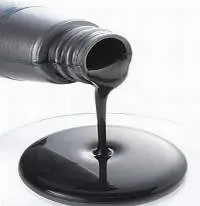
Appearance: Viscous liquid, typically dark brown or black.
Odor: Distinctive petroleum-based aroma.
Density: Heavier compared to light distillates like gasoline and diesel.
Sulfur Content: Can vary, but certain grades have a high sulfur content.
Specifications:
The quality and grade of furnace oil are often specified by standards such as ISO or regional standards. It's typically classified by its viscosity and sulfur content.
Applications:
Industrial Heating: Used in large furnaces, kilns, and boilers in various industries.
Power Generation: Some power plants operate on furnace oil, especially during peak demand or when other fuels are unavailable.
Marine: Older ships and certain marine vessels use furnace oil as a bunker fuel.
Advantages:
Cost-Effective: Often cheaper than other fuel types, especially in regions with abundant refineries.
High Energy Content: Its dense nature means it carries a significant amount of energy per unit.
Availability: Commonly available due to the vast global crude oil refining processes.
D6 is a type of residual fuel, mainly used in power plants and larger ships. The fuel requires to be preheated before it can be used. It is not possible to use it in smaller engines or vessels/vehicles where it is not possible to pre-heat it. D6 is its name in the USA. In other parts of the world it has other names.
Residual means the material remaining after the more valuable cuts of crude oil have boiled off. The residue may contain various undesirable impurities including 2 percent water and one-half percent mineral soil. D6 fuel is also known as residual fuel oil (RFO), by the Navy specification of Bunker C, or by the Pacific Specification of PS-400.
Recent changes in fuel quality regulation now require further refining of the D6 in order to remove the sulfur, which leads to a higher cost. Despite this recent change, D6 is still less useful because of its viscosity as well as that it needs to be pre-heated before it can be used and contains high amounts of pollutants, such as sulfur. Since it requires pre-heating, it cannot be used in small ships or boats or cars. However large ships and power plants can use the residual fuel oil.
The name bunker fuel is thought to come from the storage area within a boat or ship where fuel is stored, known as the fuel bunker. Maritime vessels use bunker fuel to power their motors, but depending on your vessel, it might not be regular white diesel. Some watercraft indeed use diesel and other, larger vessels marine gas oil (which is considered a low sulfur fuel oil or LSFO) as their source of bunker fuel.
Mazut may be used for heating houses in the former USSR and in countries of the Far East that do not have the facilities to blend or break it down into more conventional petro-chemicals. In the West, furnaces that burn mazut are commonly called "waste oil" heaters or "waste oil" furnaces.
Mazut-100 is a fuel oil that is manufactured to GOST specifications, for example GOST 10585-75 (not active), GOST 10585-99 Oil fuel. Mazut is almost exclusively manufactured in the Russian Federation, Kazakhstan, Azerbaijan, and Turkmenistan. This product is typically used for larger boilers in producing steam since the energy value is high. The most important factor when grading this fuel is the sulfur content, which can mostly be affected by the source feedstock. For shipment purposes, this product is considered a dirty oil product, and because viscosity drastically affect whether it is able to be pumped, shipping has unique requirements. Mazut is much like Number 6 Oil (Bunker C), and is part of the products left over after gasoline and lighter components are evaporated from the crude oil.
Best Price
Mazut M100 is a heavy fuel oil used in large industrial heating systems and power plants.
It complies with GOST 10585-99 specifications and is typically exported from Russia in bulk via tanker vessel.
It is a residue fuel with high viscosity and sulfur content, suitable for large-scale boilers.
Key Specifications:
- Density at 20C: 0.960 to 1.010 kg/m3
- Sulfur Content: 1.5 to 3.5 percent
- Flash Point: Min 110C
- Ash Content: Max 0.14 percent
- Water Content: Max 1.0 percent
- Vanadium: Max 100 ppm
- Origin: Russia / Kazakhstan
- Packaging: Bulk in tanker vessel
- Minimum Order Quantity: 50000 MT
- HS Code: 2710.19