Supplier From
Dwarka,
Gujarat,
India
Supplier From
Dwarka,
Gujarat,
India
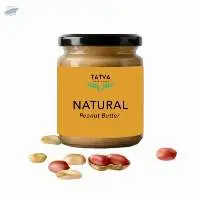
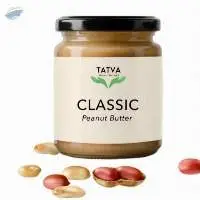
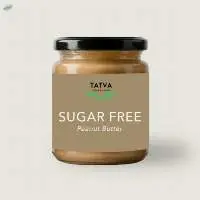
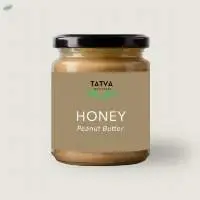
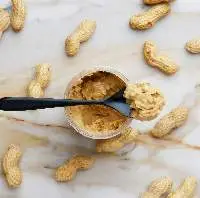
Peanuts are a nutrient-rich legume, widely valued for their protein, healthy fats, vitamins, and minerals. They serve as the raw material for both peanut oil and peanut butter. Peanut oil is extracted from peanuts and is primarily composed of heart-healthy monounsaturated and polyunsaturated fats, making it an excellent cooking oil especially suited for frying due to its high smoke point. It also contains vitamin E and phytosterols that contribute to cholesterol reduction and antioxidant benefits. In contrast, peanut butter is made by grinding roasted peanuts into a creamy or crunchy paste and contains not only oils but also protein, dietary fiber, and various B vitamins such as niacin (vitamin B3), magnesium, and zinc. This makes peanut butter a more nutritionally dense food item compared to peanut oil. While peanut oil has a mild, neutral flavor suitable for a variety of cooking methods, peanut butter offers a rich, nutty taste and is commonly used as a spread, in sauces, or as an ingredient in desserts. Natural peanut butter may separate its natural oils over time, whereas commercial varieties sometimes add stabilizers like palm oil. Both peanut oil and peanut butter provide health benefits, including supporting heart health and muscle repair, but they cater to different dietary and culinary needs. When choosing between them, consider that peanut oil is optimal for cooking and frying, whereas peanut butter is a wholesome snack or ingredient. People with peanut allergies should avoid both products. Proper storage in cool, dark places helps maintain the quality of peanut oil and peanut butter for extended shelf life.
This summary highlights the nutritional profiles, culinary uses, and health aspects of peanuts and their two popular derivatives, peanut oil and peanut butter, enabling informed dietary choices.