Please click here to check who's online and chat with them.

Find Verified Ties Suppliers, Manufacturers and Wholesalers

Top Supplier Cities : Tashkent   Chust   Samarkand  
GOLD Member
Jul-24-25

Raisin, 1

$0.50 - $11 / Kilogram (FOB)
MOQ: 10 tons  Metric Tonnes
Sample Available
Supplier From Tashkent, Uzbekistan
 Inquire Now  
UZB Hs Code : 0806 20 100 0 (black)
UZB Hs Code : 0806 20 300 0 (golden)
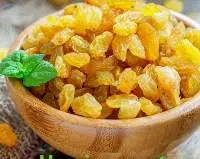
Dried grapes (raisins) are high in calories because they are very rich (65-80%) in glucose, which is quickly absorbed by the body. Raisins contain 1.5-2% of nitrogenous substances, 1.9-2.2% of ash and are rich in vitamins necessary for the human body. One kilogram of raisins has 2400-3250 calories, which is higher than most dried fruits. Raisins have many healing properties, especially in anemia, improving blood circulation processes. Raisins are mainly produced in the Central Asian Republics, of which more than 80% are grown in Uzbekistan. The quality of raisins depends not only on how well the drying methods or technological processes are carried out, but also on the sugar content of the grapes before drying. The sugar content of grapes harvested for raisins should not be less than 23-25% for raisin varieties and 22-23% for seed grapes. The lower the sugar content of grapes, the less it affects not only the amount of dry product (raisins), but also its quality. For example, if the sugar content of grapes is 1% less than indicated in the condition, 1.5-2.0 quintals less raisins will be obtained from each hectare of vineyard. Dried grapes must be cooked evenly, in addition to being a pure variety. At the same time, diseased, crushed grapes should be cleaned of stalks and heads, as well as impurities. Grapes are used to make two types of dry products, namely kishmish and raisins. Kishmish is made from seedless grapes, raisins from grape seeds. Of the seedless grape varieties, the following are mainly recommended for drying: White, Black, Lunda, Khishrov Kishmish; from seed varieties - Kattakurgan, Kara janjal, Sultani, Kara Kalbak, Rizamat, Shturangur, Alexander muscat and other varieties.
GOLD Member
Jul-24-25

Mung Beans, 1st

$1 - $1.50 / Kilogram (FOB)
MOQ: 10 tons  Cartons
Sample Available
Supplier From Tashkent, Uzbekistan
 Inquire Now  
UZB Hs Code : 0713 31 000 1
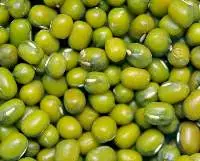
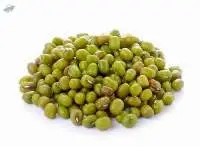
Mung bean is an annual herbaceous plant. The root system is powerful, consists of a developed tap root with many lateral branches. The stem is erect, slightly branched, stiff-haired, ribbed, 20-150 cm high (in Russia, varieties 30-50 cm high are cultivated). The mung bean stem is herbaceous, sometimes lignified at the base, green, gray-green, maybe with anthocyanin coloration. Stipules glabrous, ovate or broadly ovate, 10 to 18 mm long, unpaired leaf almost triangular. The leaves are large, the first ones are simple, the subsequent ones are trifoliate, pubescent, yellowish-green or dark green in color.

The flowers are bisexual, large, golden, yellow, yellow-green in color. The corolla consists of five petals of a moth-like structure, the flowers are collected in inflorescences of 2-12 flowers each, the peduncles are short, located in the axils of the leaves. The fruit is thin, cylindrical beans with appressed pubescence, without a beak at the end, 6-18 cm long, with 6-15 seeds. Seeds are small, barrel-shaped, tuberculate, smooth, dull, shiny, 3-6 mm long. The color of the seeds is usually dark green, olive or yellow, less often there are varieties with brown, black or dark green with black speckles. Flowering begins from the lower branches.

Mung beans bloom in July-August, the seeds ripen in August-September (vegetation period is 80-100 days; in late-ripening varieties, the ripening period is delayed until October).

The fruit is a multi-seeded, pubescent, narrow bean, 5-20 cm long, cylindrical, brown (light brown) or black in color. The seeds are smooth, with a glossy sheen of the shell, oval in shape, small, yellow, brown or green in color (sometimes speckled).

Mung beans are usually harvested when the beans begin to darken. They are usually harvested by hand at weekly intervals. In newer cultivars, in which the plants ripen evenly, all plants are harvested and dried in the sun before threshing. After the beans have dried, the seeds are removed by beating or trampling.
GOLD Member
Jul-24-25

Cumin, 1st

$2 - $5 / Kilogram (FOB)
MOQ: 10 tons  Boxes
Sample Available
Supplier From Tashkent, Uzbekistan
 Inquire Now  
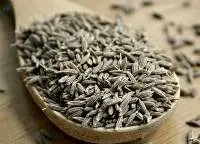
Cumin (Cuminum cyminum) is a flowering plant in the family Apiaceae, native to the Irano-Turanian Region. Its seeds â?? each one contained within a fruit, which is dried â?? are used in the cuisines of many cultures in both whole and ground form. Although cumin is thought to have uses in traditional medicine, there is no high-quality evidence that it is safe or effective as a therapeutic agent.

The history of the healing properties of sedana dates back to ancient times, as evidenced by the discovery of black sedana seeds in Neolithic and Mesolithic excavations. Nigella was used as a medicinal plant by Hippocrates, Pliny, and Dioscorides. In his book "The Canon of Medicine", Ibn Sina called black cedar "a seed that stimulates the body's energy and helps to recover from depression and fatigue."

Nowadays, the popularity of annual grass Nigella Sativa, or more precisely, its seeds, has increased significantly. This is not surprising, because the healing properties of nigella - sedana have been known since ancient times due to the absence of side effects typical of synthetic drugs and especially antibiotics.
GOLD Member
Jul-24-25

Dried Prune, 1st

$1 - $2.30 / Kilogram (FOB)
MOQ: 10 tons  Metric Tonnes
Sample Available
Supplier From Tashkent, Uzbekistan
 Inquire Now  
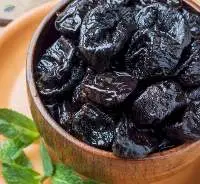
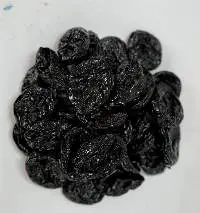
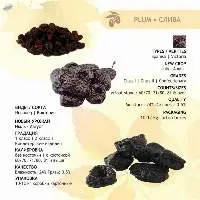
A prune is a dried plum, most commonly from the European plum (Prunus domestica). Not all plum species or varieties can be dried into prunes. A prune is the firm-fleshed fruit (plum) of Prunus domestica varieties that have a high soluble solids content, and does not ferment during drying. Use of the term "prune" for fresh plums is obsolete except when applied to varieties of plum grown for drying.

Most prunes are freestone cultivars (the pit is easy to remove), whereas most plums grown for fresh consumption are clingstone (the pit is more difficult to remove).

Prunes are 64% carbohydrates including dietary fiber, 2% protein, a rich source of vitamin K, and a moderate source of B vitamins and dietary minerals. The sorbitol content of dietary fiber likely provides the laxative effect associated with consuming prunes. Contrary to the name, boiled plums or prunes are not used to make sugar plums.
GOLD Member
Jul-24-25

Almond, 1st

$5 - $7 / Kilogram (EXW)
MOQ: Not Specified
Supplier From Tashkent, Uzbekistan
 Inquire Now  
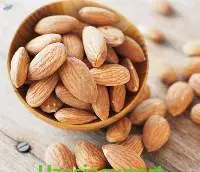
Almonds have been growing since ancient times on the mountain and foothills of Tashkent, Jizzakh, Samarkand, Kashkadarya and Surkhandarya regions. In addition, to the newly planted almond groves, it also grows wild in natural forests.

Almond varieties are very valuable and are used in many sectors of the economy. It is useful to eat unripe almonds that have not hardened, add sugar or make jam. Sweet-core almonds have 40-70% fat, 20-25% protein, 6% sugar, are rich in various nutrients, organic substances and are a valuable raw material for the confectionery industry. Kunjara contains up to 10% fat and a large amount of protein and carbohydrates. In addition to fat, protein and sugar, almonds contain 2-2.5% amygdalin, which is widely used in the perfumery industry and medicine. Almond peel is used in the preparation of gas-absorbing charcoal, in winemaking to give the wine a fragrant aroma, quality and flavor. Almond husk ash contains up to 40% potassium and is used as a fertilizer. Almond wood is very hard and beautiful, so it is a valuable item in carpentry and machinery.

Almonds are harvested at the age of 3-4 years, and produce highly from 12-18 years to 35-40 years. Properly covered, it will withstand a great deal of adverse conditions for up to 60-100 years. Almond seedlings are planted in autumn or early spring. It does not like thickness because it requires light, and grows well in soils with lime content. The yield of a bush tree ranges from 3-4 kg to 10-20 kg. According to the data, the most productive years were up to 30-40 kg.

In folk medicine, the mixing of sweet almond kernels with sugar is widely used in the treatment of diseases such as shortness of breath, dizziness.

Bitter almonds are not eaten, they are just used in medicine. Sweet almonds are good food.

This type of almond is used against freckles, spot hemorrhage, sunburn. It also treats the wrinkles on face. When sweet almonds are eaten, they make you fat.

Beneficial in earaches and ringing in the ears, especially bitter almond oil and its grind.

If the root of the almond tree is finely chopped and tied with vinegar or rose oil and placed on the forehead, it is beneficial for headaches. Bitter almond oil has a similar effect.
32 Ties Suppliers
Short on time? Let Ties sellers contact you.
GOLD Member
Jul-24-25

Walnut, 1st

$2 - $5 / Kilogram (FOB)
MOQ: 10 tons  Boxes
Sample Available
Supplier From Tashkent, Uzbekistan
 Inquire Now  
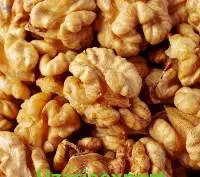
All parts of the nut are used. Walnut kernels are a very tasty and nutritious product, containing 60-70% fat, 11-20% protein, up to 20% carbohydrates and vitamins. Unripe nuts contain 3-5 times more vitamin C than peanuts.

In terms of nutrition, walnuts are superior to bread, meat and close to butter.

Walnuts have long been cultivated in Uzbekistan. The tree is up to 25-30 meters tall, 1.5-2 meters in diameter, the branches are spherical or domed, sparsely branched, the bark of old trees is cracked. The root system is vigorous, growing to a depth of 4 meters, spreading around 10-15 meters. At the base of the trunk and main branches are many dormant buds. Walnut trees are harvested in 8-10 years, grafted ones in 5-6 years. There are also varieties that bear fruit as early as 2 years after transplanting. Walnuts are fertile when they reach the age of 25-35 years and yield 100-150 kg from each tuber, and in some 300-500 kg. However, there is also a stagnation in nuts, which yields more in one year and less in the second. The fruits ripen from late August to early October.

Natural coconut groves in Bostanlyk district of Tashkent region of Uzbekistan are especially valuable. Walnut tree reaches a height of 25-30 m, diameter 1.5-2 m, the branches are spherical or domed, sparsely branched, the root system is vigorous - penetrates to a depth of 4 m, and spreads around 10-15 m.

Walnut kernels, rich in vitamins, which are necessary for the human body, strengthen the memory system, especially the activity of the human brain. Experts recommend that everyone consumes at least one or two nuts a day.

The sultan of medicine, Avicenna, in his book "Laws of Medicine" writes about the properties of walnuts, along with many medicinal plants. According to him, the juice made from the fruit, leaves, bark, core of the walnut tree cures and prevents various diseases. With this feature, walnut kernels are 7 times superior to beef. Walnut kernels contain iron, phosphorus, copper, serotonin, 58-77% fat, 12-25% protein and 5-25% carbohydrates.

Walnut trees bear fruit in 8-10 years, and grafted ones in 5-6 years, but there are also varieties that bear fruit in 2 years after transplanting.

Walnuts are productive when they reach the age of 25-30, with a yield of 100-150 kg from each bush and 300-500 kg from some. The fruits ripen from late August to early October.
VERIFIED
Jan-31-25

Black Eyed Beans

MOQ: 10000  Kilograms
Sample Available
Supplier From Tashkent, Uzbekistan
 Inquire Now  
Crop: 2024
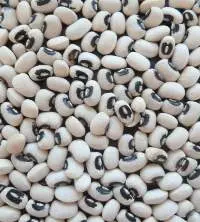
Color: Creamy White
Quality of goods: SORTEX
Size: 340-360 pieces per 100 grams
Moisture: max 16%
Admixtures: max 1%
Defective: max 1%

Black-eyed beans, also known as black-eyed peas, are a type of legume belonging to the cowpea subspecies. They are characterized by their small, creamy-white beans with a distinctive black spot that resembles an eye, which is where they get their name. These beans are not actually peas but rather a variety of beans that are often used in various culinary traditions around the world.

**Physical Characteristics**
- **Appearance**: Black-eyed beans are medium-sized and have a curved shape with a prominent black or brown spot at one end. The beans are typically pale in color when dried and can be green when freshly shelled.
- **Pods**: They grow in long, green pods that can reach up to two feet in length, although fresh pods are rarely found in markets.

**Culinary Uses**
Black-eyed beans are versatile and widely used in cooking. They are commonly found in:
- **Southern U.S. Cuisine**: A staple ingredient in dishes like Hoppin' John, which combines the beans with rice and pork, traditionally eaten on New Year's Day for good luck[3][6].
- **African Dishes**: They are used in various traditional recipes across West Africa and the Caribbean, such as akara, a fried bean cake.
- **Indian Cooking**: Black-eyed beans are also integral to many Indian dishes, including curries and stews[4].

**Nutritional Benefits**
Black-eyed beans are highly nutritious:
- **Rich in Nutrients**: They provide significant amounts of protein, fiber, folate, iron, potassium, and magnesium[5][6].
- **Health Benefits**: Their high fiber content supports digestive health and may help regulate blood sugar levels. Additionally, they contain antioxidants that combat inflammation and oxidative stress.

**Cultural Significance**
Historically, black-eyed beans have been cultivated since prehistoric times, originating from West Africa before spreading globally due to trade routes. They became particularly popular in the Southern United States during the post-Civil War era as a vital food source for many communities.

In summary, black-eyed beans are not only a delicious and versatile ingredient but also a nutritious food with deep cultural roots in various cuisines around the world.
VERIFIED
Jan-29-25

Rosehip

MOQ: 10000  Kilograms
Sample Available
Supplier From Tashkent, Uzbekistan
 Inquire Now  
Description of Rosehip

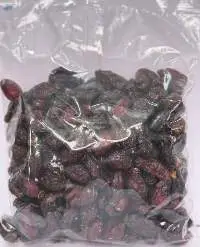
Rosehip, scientifically known as *Rosa canina*, is the fruit of the wild rose plant, commonly found in Europe, North America, and parts of Asia. This small, red or orange berry is not only visually appealing but also packed with nutritional benefits.

Appearance

Rosehips are typically round or oval-shaped, ranging from 1 to 2 centimeters in diameter. They have a smooth, glossy surface and can vary in color from bright red to deep orange. The fruit grows in clusters and is often surrounded by thorny stems and delicate pink or white flowers.

Nutritional Benefits

Rosehips are renowned for their high vitamin C content, which is essential for immune function and skin health. They also contain vitamins A, E, and K, as well as antioxidants that combat oxidative stress. Additionally, rosehips are rich in dietary fiber and have anti-inflammatory properties, making them beneficial for digestive health.

Uses

Rosehips are commonly used in herbal teas, jams, jellies, and syrups. They can also be found in dietary supplements and skincare products due to their antioxidant properties. Traditional medicine has utilized rosehips for centuries to treat various ailments, including colds, arthritis, and digestive issues.

Conclusion

With their vibrant color and impressive health benefits, rosehips are more than just a pretty fruit. They offer a natural way to enhance your diet and promote overall wellness. Whether enjoyed as a tea or incorporated into culinary delights, rosehips are a delightful addition to any health-conscious lifestyle.
VERIFIED
Jan-31-25

Green Mung Beans

MOQ: 10000  
Sample Available
Supplier From Tashkent, Uzbekistan
 Inquire Now  
Crop: 2024
Color: Green
Quality of goods: SORTEX
Size: 3,0 mm up
Moisture: max 14%
Admixtures: max 0,5%
Defective: max 1%

Description of Mung Beans

Mung beans, scientifically known as *Vigna radiata*, are small, green legumes that are widely cultivated in various parts of the world, particularly in Asia. They are known for their versatility in cooking and their numerous health benefits.

Nutritional Benefits

Mung beans are rich in essential nutrients, including:

- **Protein**: They are an excellent source of plant-based protein, making them a popular choice for vegetarians and vegans.
- **Fiber**: High in dietary fiber, mung beans promote digestive health and help maintain stable blood sugar levels.
- **Vitamins and Minerals**: They contain significant amounts of vitamins A, C, E, and K, as well as minerals like magnesium, potassium, and iron.

Culinary Uses

Mung beans can be enjoyed in various forms:

- **Whole Beans**: Cooked and added to soups, stews, or salads.
- **Sprouts**: Mung bean sprouts are crunchy and nutritious, often used in stir-fries and salads.
- **Flour**: Mung bean flour is used to make pancakes and other baked goods.
- **Desserts**: In some cultures, they are used to make sweet dishes like mung bean pudding or paste.

Health Benefits

In addition to their nutritional value, mung beans offer several health benefits:

- **Antioxidant Properties**: They contain antioxidants that help combat oxidative stress in the body.
- **Weight Management**: Low in calories yet filling, they can aid in weight loss efforts.
- **Heart Health**: Their high fiber content contributes to improved heart health by lowering cholesterol levels.

Conclusion

Mung beans are not only a delicious addition to a variety of dishes but also a powerhouse of nutrition. Whether enjoyed whole, sprouted, or ground into flour, they provide numerous health benefits that make them a valuable ingredient in any diet.
Dec-02-24

Grapes

MOQ: Not Specified
Supplier From Tashkent, Uzbekistan
 Inquire Now  
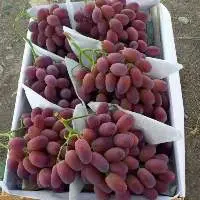
Grapes are very wholesome as they are rich in vitamins. Red grape varieties are helpful in treating hematopoietic system diseases. Besides, grapes prevent the formation of cancer cells, improve the immune system and clear blood. Grapes help those ones who have problems with liver, gall, metabolism. They are very good for people who have heart diseases, depression and those ones who suffer from insomnia. Our organism digests grape juice very quickly as it is natural glucose. Grape vine depresses cholesterol level and in moderate doses normalizes blood pressure. Sultanas mixed with walnuts raise hemoglobin. Ampelotherapy is a special branch in medicine which was actively used by ancient Central Asian, Roman and Greek healers.
Sep-07-18

Chili Spice

$2.50K - $7.50K
MOQ: 20  Tons (UK)
Sample Available
Supplier From Tashkent, Uzbekistan
 Inquire Now  
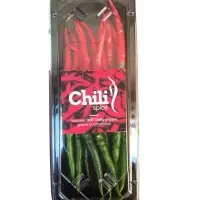
The company "brand investment group" provides chili peppers of the highest quality under the
Brand chili spice. Under the supervision of the best specialists in this field, we grow two types of pepper
- chili jwala(india) and hybrid chili sch 151 f1 (india). One of the important advantages of these two
Varieties is the unsurpassed quality, taste, and aroma. An important factor in the selection of high-quality
Chili is the level of spiciness that the chili spice is up to 50 000-70 000 shu (hot - spicy).

Careful control of all stages of cultivation, proper processing, storage and packaging to avoid harmfully
Toxins and rapid spoilage of the product, while maintaining its useful properties and without losing its
Best taste.

Offering a product of standard quality, our experts have unique experience in the organization of
Production, processing and distribution of products that meet the highest international standards, which
Allow us to increase continuously the geography and volume of deliveries.
VERIFIED
Jan-28-25

Black Plum Prune

$1
MOQ: 10000  Kilograms
Sample Available
Supplier From Tashkent, Uzbekistan
Supplier Of Plum   |   Cakes   |   Prunes   |   Ties
 Inquire Now  
Dried Plum (Prune) Description

Dried plums, commonly known as prunes, are a delicious and nutritious fruit that has been enjoyed for centuries. They are made from specific varieties of plums, primarily the European plum (Prunus domestica), which are dried to preserve their natural sweetness and flavor.

Appearance and Texture

Prunes are typically dark purple to black in color, with a wrinkled, smooth skin. Their chewy texture makes them a satisfying snack. When you bite into a prune, you'll find it tender yet firm, offering a delightful contrast to their rich, sweet taste.

Flavor Profile

The flavor of dried plums is intensely sweet with subtle hints of tartness. This unique combination makes them a versatile ingredient in both sweet and savory dishes. They can be enjoyed on their own, added to baked goods, or used in salads and stews to impart a natural sweetness.

Nutritional Benefits

Prunes are not only tasty but also packed with health benefits. They are an excellent source of dietary fiber, which aids in digestion and promotes gut health. Additionally, prunes are rich in vitamins and minerals, including potassium, vitamin K, and antioxidants. They are particularly well-known for their natural laxative properties, making them a popular choice for those seeking digestive support.

Culinary Uses

In the kitchen, prunes can be used in various ways:
- **Snacking**: Enjoy them straight out of the package for a quick energy boost.
- **Baking**: Incorporate chopped prunes into muffins, cakes, or cookies for added moisture and sweetness.
- **Cooking**: Add them to savory dishes like stews or tagines for a rich flavor contrast.
- **Smoothies**: Blend them into smoothies for a nutritious kick.

Conclusion

Dried plums are not just a sweet treat; they are a powerhouse of nutrition and versatility. Whether you're snacking on them or incorporating them into your meals, prunes offer a delightful way to enhance your diet while enjoying their unique flavor.
Nov-09-24

Prunes

MOQ: Not Specified
Supplier From Tashkent, Uzbekistan
 Inquire Now  
Prunes - Due to their dietary properties, prunes are one of the best foods for those who care about their weight. Dried plums are rich in fiber and pectin, which has a positive effect on intestinal function. This is a real storehouse of vitamins and minerals: prunes contain vitamin C, A, B vitamins, iron, potassium, magnesium.
Sep-10-18

Chili - Hybrid Chilly - Cayanne Sch151

$2.50K - $7.50K
MOQ: 20  Square Yards
Sample Available
Supplier From Tashkent, Uzbekistan
 Inquire Now  
The product is manufactured and shipped out from Uzbekistan.

Careful control of all stages of cultivation, proper processing, storage and packaging to avoid harmful toxins and rapid spoilage of the product, while maintaining its useful properties and without losing its best taste.

Specifications:

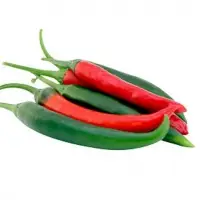
Colour - Green & Red;
Taste - Volcanic HOT;
Length - 7 to 9 cm;
Diameter - 1.20 cm;
Surface - Smooth;
Supply - 50 MT;
Pungency - 50 000 - 70 000 shu;

Product Types: Fresh, Dry, Powder.
Delivery Types: Truck, Rail, Sea, Air.
VERIFIED
Jan-28-25

Dried Apricots Natural From Uzbekistan

$1
MOQ: 10000  Kilograms
Sample Available
Supplier From Tashkent, Uzbekistan
 Inquire Now  
Dried Apricots Description

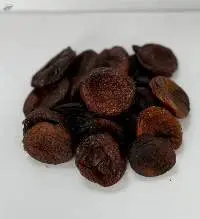
Dried apricots, a delightful and nutritious snack, are made from sun-ripened apricots that have been carefully dried to preserve their natural sweetness and vibrant flavor. These golden-orange fruits are not only delicious but also packed with essential nutrients, making them a popular choice for health-conscious individuals.

Nutritional Benefits

Dried apricots are rich in vitamins A and C, potassium, and dietary fiber. They are known for their antioxidant properties, which help combat oxidative stress in the body. Additionally, their high fiber content supports digestive health and can aid in maintaining a healthy weight.

Culinary Uses

These versatile fruits can be enjoyed on their own as a convenient snack or incorporated into a variety of dishes. They add a sweet and tangy flavor to salads, grain bowls, and baked goods. Dried apricots also pair wonderfully with nuts and cheese for a delightful charcuterie board.


To maintain their freshness, dried apricots should be stored in a cool, dry place in an airtight container. When properly stored, they can last for several months, making them an excellent pantry staple.

In summary, dried apricots are not only a delicious treat but also a powerhouse of nutrition, perfect for snacking or enhancing your culinary creations.
Dec-02-24

Cherries

MOQ: Not Specified
Supplier From Tashkent, Uzbekistan
 Inquire Now  
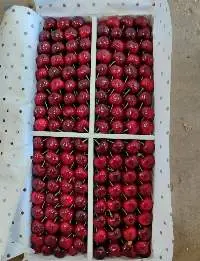
Cherries: Uzbekistan produces various cherry varieties, including Sweet Ryana, Sweet Lorenz, Revershon, Voskhod, Napoleon, Stella, and others. Cherries grown in Uzbekistan contain 12.2% sugar; Contains 0.23% of various acids and vitamins C and A, pectin, vitamins B1, B2, PP, C, coratin, potassium, magnesium, phosphorus, iron salts.
Jan-08-18
Supplier From Tashkent, Uzbekistan
 Inquire Now  
We are pleased to present products of our own production of Textile Beynali Projects LLC. Our company is one of the leading manufacturer of textile products with total area of 300 thousand square meters and 35 thousand square meters of them is a production area which is located in Uzbekistan. Our factory is equipped with the textile plants of the leading companies in the world, such as Ritter (Switzerland), Trützschler, Schlafhorst, Brückner, Mayer & Cie (Germany), Zinser, Vouk, Saurer (Italy), with an intention for the production of high-quality products from 100% cotton. Our team is highly qualified specialists in the field of textile production. The financial and economic activities of the company have a good reputation in local market and in many other countries of the world.
Modern equipment and application of the latest technological solutions in production allow us the possibility of producing high-quality products that meet world standards with stable terms.
Our products:
Single Yarn:
Ring spinning combed grey cotton yarn,
Ring spinning carded grey cotton yarn
Open end grey cotton yarn
Knitted or weaving twist from Ne 8/1 to Ne 40/1 from local cotton fiber 1 grade 4-5 type

Knitted fabric:
We produce different type of knitted fabric with different composition, finishing and processing which is fabric from cotton yarn or combined with various synthetic yarns and lycra. We also produce grey, dyed and printed fabric with. Single Jersey or Two Fleece and knitted pattern type in a production form, etc. Different types of aperturing, stentering, decontamination, wooling, trimming etc.
Interlock
Single Jersey
Ribana
Two Fleece
Velour
Pique

95 cm and 110 cm wide fabric in tube or in an open form from 170 cm and 2 meters
Dec-12-18

Basalt Fiber Rebar

$0.01 - $0.99
MOQ: Not Specified
Supplier From Tashkent, Uzbekistan
 Inquire Now  
Basalt fiber rebar high-strength non-metallic composite reinforcement made of basalt fibers, which is not exposed to water and salt.
RBC types (diameters) 4mm, 6mm, 7 mm, 8mm, 10mm, 12mm, 14mm, 16mm, 18mm, 20mm, 22mm, 24mm.
Resistant to corrosion
Basalt armature perfectly resists corrosion, which in the future will not break the integrity of concrete elements. In addition to this, it does not change its original properties even under the influence of severe conditions.
Lightness
It is lighter relative to steel by 80%. Due to the low density, reinforcement on the basis of the composite is 5 times lighter than steel and almost 2 times heavier than water. Under the same strength conditions, the weight is 9 times less than steel. This significantly minimizes the cost of transportation, loading, unloading and general construction work.
High strength
Basalt reinforcements are 100% stronger than its counterparts. This is proved by the gap indicator, which is 2 times higher than that of the brand A III. Consequently, the estimated area will be much smaller.
Cost effective
By purchasing composite reinforcement, you can significantly reduce financial costs in construction.
With Basalt - you have more materials for less payment.
Feb-01-21

Saffron

$5.00K
MOQ: Not Specified
Supplier From Tashkent, Uzbekistan
 Inquire Now  
The king of all spices, saffron!
Saffron is the dried red stigmas of the Crocus Sativus flower and has a large variety of uses in everyday life. Saffron has been long considered to be the king of all spices not only for it's aroma and taste but it's health benefits as well.
the consumption of saffron can improve mood, memory and learning abilities. It's properties allow for the strengthening of the immune system, restoration of the nervous system, reduces sleeplessness, depression and acts as an anti-aging agent.
Uzbek saffron was first grown in 2020 in cooperation with Italian experts to insure the highest quality of the spice. The quality of the product is insured each year by chemical analyst at the leading Italian chemical research center Analisi e Ricerche Chimiche.
Dec-17-19

Green Mung Bean

$950
MOQ: Not Specified
Supplier From Chust, Namangan, Uzbekistan
 Inquire Now  
Varieties: Light green
Origin: Uzbekistan
Machine Cleaned, Destoned, Size calibrated
Admixture max 1%
Max 2% discolored
Max 3% slightly discolored
Packing 50 and 25kg pp bags
Loadibility/20 FT FCL: 24 MT
MT Moisture 13% and lower
32 Ties Suppliers
Short on time? Let Ties sellers contact you.
See what buyers and suppliers are discussing in Ties import export community