Supplier From
Pulivendula,
Andhra Pradesh,
India
Supplier From
Pulivendula,
Andhra Pradesh,
India
Watermelon Seeds
Common name: Watermelon Seeds
Scientific name: Citrullus lanatus
Family: Cucurbitaceae
Hindi: (Tarbooz ke Beej)
Telugu: (Pucchakaya Ginjalu)
Origin of plant: Africa
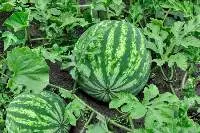
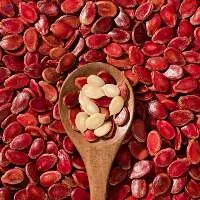
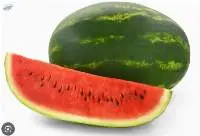
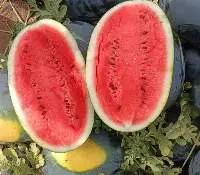
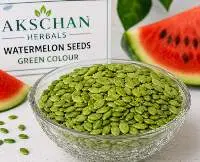
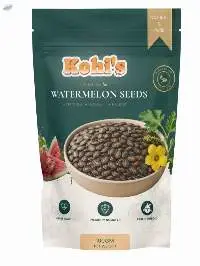
Watermelon seeds are edible, nutrient-dense seeds obtained from the watermelon fruit. They can be consumed raw, roasted or processed into seed powder, seed butter and oil. Research describes them as particularly rich in protein, fats and minerals.
Nutritional profile - dried seed kernels
Approximate values per 100 g of dried watermelon seed kernels:
Nutrient Approx. amount
Energy 557 kcal
Protein 28.3 g
Fat 47.4 g
Carbohydrates 15.3 g
Calcium 54 mg
Magnesium 515 mg
Phosphorus 755 mg
Potassium 648 mg
Iron 7.28 mg
Zinc 10.24 mg
Copper 0.69 mg
Manganese 1.61 mg
Folate 58 µg
Niacin 3.55 mg
Values can vary considerably according to variety, growing conditions and processing.
Major nutritional components
1. Protein
Watermelon seeds provide substantial plant protein and contain amino acids including arginine, glutamic acid, leucine, phenylalanine and valine.
2. Healthy fats
The seeds contain a high proportion of oil. Linoleic acid is an important fatty acid, along with oleic, palmitic and stearic acids.
3. Minerals
They are particularly notable for magnesium, phosphorus, potassium, iron and zinc.
4. Vitamins
Studies report B-group vitamins such as thiamine, riboflavin, niacin, folate and vitamin B6 in watermelon seeds.
5. Bioactive compounds
Research has identified phenolic compounds, flavonoids and other phytochemicals in watermelon seeds.
Potential nutritional benefits
Good source of plant protein
Provides energy and dietary fats
Supports a varied diet with magnesium, phosphorus, iron and zinc
Provides several B vitamins
Can be incorporated into nutritious snacks and food formulations
Watermelon seed oil has potential applications in food and cosmetic products.
These should be presented as nutritional benefits rather than disease-treatment claims.
How to consume
1. Roasted seeds: Clean, dry and lightly roast before eating.
2. Seed powder: Grind dried kernels and add to smoothies, cereals, shakes or food mixes.
3. Snack: Consume roasted watermelon seed kernels directly.
4. Seed butter/paste: Process roasted kernels into a nut/seed-butter-style product.
5. Oil: Watermelon seeds can be processed to obtain seed oil for food or cosmetic applications.
B2B product opportunities
For AKSCHAN HERBALS, watermelon seeds can be marketed in several formats:
Watermelon Seeds - Raw
Watermelon Seeds - Roasted
Watermelon Seed Kernels
Watermelon Seed Powder
Watermelon Seed Oil
Private-label/custom packaging
Bulk wholesale supply
Food-industry ingredient supply