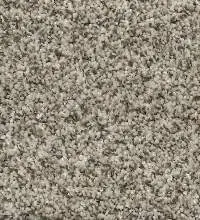
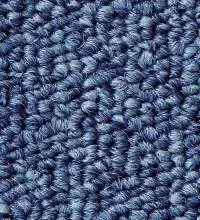
Cut pile is a style of carpet that is sheared, exposing the ends of the carpet fiber. Cut piles come in different lengths and thicknesses. They are the most popular styles of carpet today and tend to be softer underfoot and to touch than loop pile carpets. Cut pile carpets work well for a whole house type carpet.
For the average residential house, deciding between a cut pile or loop pile carpet is a matter of personal preference. They have substantially different looks and feels but each one will perform well in a residential setting. The best thing to do is to decide which one you prefer and stick to that style. This will help narrow your choices down and help you come up with the perfect carpet for your particular project.
Available in 6ft and 12ft width and many GSM to choose from.
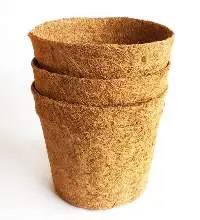
Coir pots used for faster plant cultivation and germination.
Coco-coir pots have an exceptionally high permeability to water, air and roots. The coir pots break down naturally in the soil, which minimises root disturbance at the time of planting.
Coco-coir pots are made up of the coconut hull that is derived from the fibrous body between the husk and the coconut. These biodegradable pots are an excellent growing medium because plants can be transplanted into the pot itself.
Colour: Golden Brown
Weight: 50-70 gr
Moisture: 18-20%
Diameter: 9 cm, 12 cm, 15 cm
High: 8 cm, 11 cm, 14 cm
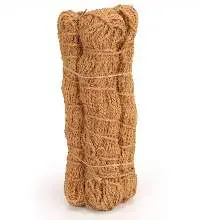
Coir rope is determined by factors such as type of coir fibre used, twisting wavelength, diameter and braking strength.
The coir rope is relatively waterproof, and is one of the few natural fibres resistant to damage by saltwater. Coir ropes can be used as a substitute for plastic rope, to make nets, plant climbing media, make geo-textile, etc.
Coir ropes are made from coco-fiber. Coir rope is usually a 2 ply yarn made out of coir fibre with the help of spinning machine.
Colour: Golden Brown
Materials: Cocofiber
Density: 70-150 m/kg (custom)
Diameter: 4-7 mm
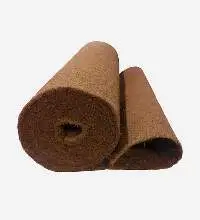
Coir sheet can used for a plan liners, for weed control in vineyard, and for the prevention of soil erosion in small backyard slopes and gardening applications.
Coir sheet come with a thickness 3mm, 5mm or 10mm.
Coir sheets consist of layers of coir fiber with a natural latex layer added on it to hold the fiber together.
Colour: Golden Brown
Thickness: 3-10 mm (custom)
Moisture Content: 18% - 20%
Width: 50-200 cm
Length: up to 20 m
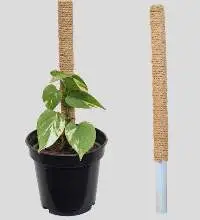
Coir sticks are used for growing small climbers and as support for small flowering plants. These sticks are used in nurseries, horticulture & greenhouse farming and indoor or outdoor horticulture decor also for ornamental plants and vegetables.
Coir sticks are used for growing small climbers and as support for small flowering plants.
Coir sticks are made by coir rope with wood or plastic stick.
Colour: Golden Brown
Materials: Wood or PVC
Length: 40-120 cm (custom)
Diameter: 2 cm
Supplied from Vietnam, India or Indonesia.
22942 Dragon Fruit Suppliers
Short on time? Let Dragon Fruit sellers contact you.
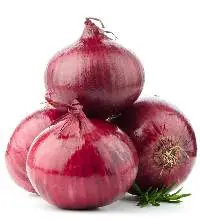
Bombay onion is known for its sharp flavor and have origins in mostly around Mumbai/Nashik area in India. Bombay onions are known to have have high levels of antioxidants and phenols. They have an earthy, strong taste and are perfect for thick, rich, distinctive sauces to dishes of Indian and other cuisines.
White onion or Allium cepa are a cultivar of dry onion which have a distinct light and mild flavour profile. Much like red onions, they have a high sugar and low sulphur content, and thus have a relatively short shelf life. White onions are used in a variety of dishes, such as those of Mexican and European origin.
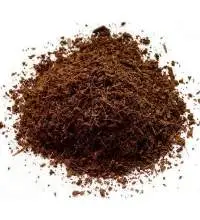
Cocopeat is the best environmentally friendly growing medium
Cocopeat can be put into use in many areas such as in greenhouses, seedling nurseries, worm bedding, hydroponics (Growing medium), application in horticulture and floriculture, container gardening, etc.
Cocopeat and coco-fiber are produced from coconut husk with an extraction machine. In the market, there are two types of cocopeat (Low Ec and High EC).
Loop pile carpets are not sheared like cut piles are. They are left as loops and constructed in many different weights and thicknesses. Loop piles are great option for
both residential and commercial uses. The loop pile allows manufacturers to create many different patterns and textures. Loop piles are very popular in game rooms,
family rooms and offices for their durability and wide variety of patterns.
Coconut shell charcoal is a valuable commodity produced from coconut shells. South East Asia is the leading producer and supplier of coconut shell charcoal.
Coconut Shell Charcoal is manufactured by carbonizing raw coconut shells in a limited supply of air. Economical and eco-friendly, coconut shell charcoal is one of the
cleanest and most favored sources of developing activated carbon. Whereas other materials such as wood, coal, or other carbon-based sources are also suitable
charcoal sources, the quality of coconut shell charcoal is far superior to others.The odorless and non-toxic characteristic qualities of coconut shell charcoal make it a
widely used deodorizers and decolorizers in the air conditioning industry, cosmetic industry and water purification plants.Also widely used to make activated carbon for the cosmetics industry, teeth whitening, etc.
MOQ 20MT
Supplied from India, Vietnam, Indonesia and Sri Lanka.
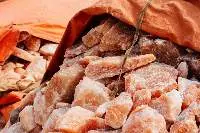
Himalayan salt is mined from the Salt Range mountains, the southern edge of a fold-and-thrust belt that underlies the Pothohar Plateau south of the Himalayas in Pakistan.
Himalayan salt comes from a thick layer of Ediacaran to early Cambrian evaporites of the Salt Range Formation. This geological formation consists of crystalline halite intercalated with potash salts, overlain by gypsiferous marl and inter-layered with beds
of gypsum and dolomite with infrequent seams of oil shale that accumulated between 600 and 540 million years ago. These strata and the overlying Cambrian to Eocene sedimentary rocks were thrust southward over younger sedimentary rocks, and eroded to create the Salt Range. The salt, which often has a pinkish tint due to trace minerals, is primarily used as a food additive to replace refined table salt but is also used for cooking and food presentation, decorative lamps and spa treatments.
Himalayan salt is a table salt. Analysis of a range of Khewra salt samples showed them to be between 96% and 99% sodium chloride, with trace presence of calcium, iron, zinc, chromium, magnesium, and sulphate, all at varying safe levels below 1%.
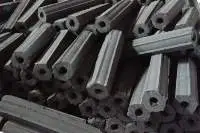
Charcoal briquette is a kind of fuel made by charcoal powder. Compared with traditional fuels, charcoal briquettes can not only generate heat continuously but also produce no smoke and odor during combustion.
Therefore, it has been widely used in domestic and industrial applications in recent years and has become the most popular fuel in many countries. Charcoal is the product of incomplete combustion of wood or wood raw materials or pyrolysis under the condition of air isolation. The charcoal is then powdered to shape them into briquettes to cater to different industries.
The sawdust charcoal briquettes ignite quicker, burn with a higher heat and can burn longer than coconut shell briquettes.
MOQ 24MT
Supplied from India, Indonesia, Vietnam Paraguay and Egypt.
Himalayan salt is mined from the Salt Range mountains, the southern edge of a fold-and-thrust belt that underlies the Pothohar Plateau south of the Himalayas in Pakistan.
Himalayan salt comes from a thick layer of Ediacaran to early Cambrian evaporites of the Salt Range Formation. This geological formation consists of crystalline halite intercalated with potash salts, overlain by gypsiferous marl and inter-layered with beds
of gypsum and dolomite with infrequent seams of oil shale that accumulated between 600 and 540 million years ago. These strata and the overlying Cambrian to Eocene sedimentary rocks were thrust southward over younger sedimentary rocks, and eroded to create the Salt Range. The salt, which often has a pinkish tint due to trace minerals, is primarily used as a food additive to replace refined table salt but is also used for cooking and food presentation, decorative lamps and spa treatments.
Himalayan salt is a table salt. Analysis of a range of Khewra salt samples showed them to be between 96% and 99% sodium chloride, with trace presence of calcium, iron, zinc, chromium, magnesium, and sulphate, all at varying safe levels below 1%.
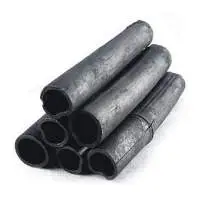
Bamboo charcoal is charcoal made from species of bamboo.
Bamboo charcoal is typically made from the culms or refuse of mature bamboo plants and burned in ovens at temperatures ranging from 600 to 1200 �°C. It is especially porous charcoal, making it useful in the manufacture of activated carbon.
Bamboo charcoal is made of bamboo by means of a pyrolysis process. According to the types of raw materials, bamboo charcoal can be classified as raw bamboo charcoal or
bamboo briquette charcoal. Raw bamboo charcoal is made of bamboo plant parts such as culms, branches, and roots. Bamboo briquette charcoal is made by carbonizing bamboo residue, such as bamboo dust or saw powder, and compressing it into sticks or
lumps. There are two equipment processes used in carbonization, one is a brick kiln process, and the other is a mechanical process.
In East Asia and Africa, many people use bamboo charcoal as a cooking fuel, producing less air pollution than other charcoal. Like all charcoal, bamboo charcoal purifies water by reducing organic impurities, odorants, and chlorine.
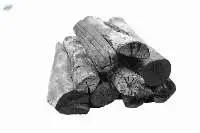
Hardwood Charcoal (Lump Charcoal)Also known as \"Lump Charcoal,\" this is what you get when the wood is burned down to impurity-free coal. No binders, no fillers just pure,
simple, high-quality charcoal.
It is made by slowly burning real pieces of wood in an airtight area until all the natural chemicals, sap, and moisture leave the wood. All that\'s left is pure charcoal.
Many different types of trees can be used to make hardwood charcoal, some give off sparks and others donâ??t. Mostly used in BBQs and for home use, they burn
faster than briquettes.
MOQ 24MT
Supplied from Indonesia, Vietnam, Egypt, Paraguay and Africa.
Authentic Fresh / Cooked Sri Lankan Vegetables
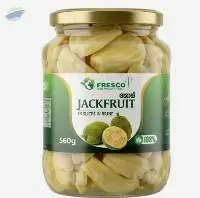
Baby Jackfruit (Polos)
Coconut-Based Products
Seasonal Tropical Fruits
Bottled Sri Lankan Foods & Preserves
Spices, Herbs & Traditional Ingredients
And many more authentic Sri Lankan products!
Bring the authentic taste of Sri Lanka to your home or business. Contact us today for product inquiries and orders!i Lankan Fresh & Bottled Products Direct from Sri Lanka!
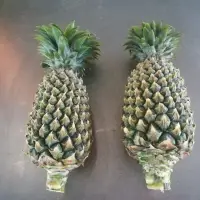
The definition of a pineapple is a tropical fruit with a tough outer shell that looks like a pine cone with edible yellow fruit inside. A tropical fruit with edible yellow fruit that is used to make pina coladas and that is typically put on Hawaiian pizza is an example of a pineapple.
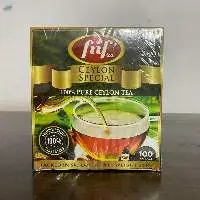
Black Ceylon Tea is a premium, full-bodied tea grown in the lush highlands of Sri Lanka, formerly known as Ceylon. It is known for its rich aroma, bold flavor, and deep amber color. Cultivated in Sri Lanka's world-famous tea estates, Ceylon tea is considered one of the finest black teas in the world, cherished for its refreshing taste and numerous health benefits.
Benefits
Rich in Antioxidants: Contains flavonoids and polyphenols that help combat oxidative stress.
Supports Heart Health: Helps regulate blood pressure and improve circulation.
Boosts Mental Alertness: Naturally energizing and refreshing, thanks to its moderate caffeine content.
Aids Digestion & Metabolism: Promotes gut health and weight management.
Strengthens Immunity: Contains antibacterial and antiviral properties that support overall health
Uses
Classic Hot Tea: Enjoyed plain or with milk, sugar, honey, or lemon.
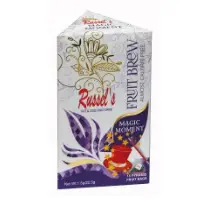
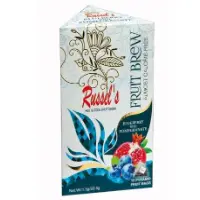
Iced Tea & Refreshing Drinks: Used for brewing iced teas and fruit-infused tea beverages.
Culinary Ingredient: Added to desserts, tea blends, and cocktails for a unique flavor.
Health & Wellness Teas: Used in detox and immune-boosting herbal blends.
22942 Dragon Fruit Suppliers
Short on time? Let Dragon Fruit sellers contact you.