Please click here to check who's online and chat with them.

Find Verified Sesame Seeds Suppliers, Manufacturers and Wholesalers

GOLD PLUS Member
Jul-17-26

Industrial Grade Sesame Seeds Supply

$1.20K - $2.20K
MOQ: 20  Tons (US)
Sample Available
Supplier From Cape Town, South Africa
 Inquire Now  
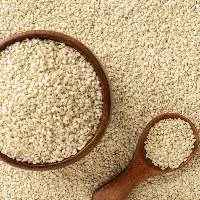
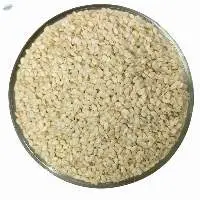
Nature Vibes Group supplies premium-quality Sesame Seeds sourced from trusted farms and processed under strict quality standards. Carefully cleaned, sorted, and hygienically packed, our sesame seeds are known for their rich aroma, natural oil content, and exceptional nutritional value. They are widely used in bakery products, confectionery, cooking, oil extraction, and food processing industries, making them ideal for both domestic and international markets.
GOLD PLUS Member
VERIFIED
Oct-08-19

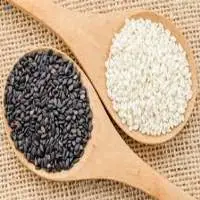
Natural Black Sesame Seeds

$750
MOQ: 19  Meters
Sample Available
Supplier From Johannesburg, Gauteng, South Africa
 Inquire Now  
Black Sesame Seed 99.95%
Black Sesame Seed Sortex clean 99-1-99.5%
Specification of Black 99.95%
Specification : Percentge
Purity (% Min) : 99.95%
Impurity (% Max) 0.05%
Oil Content (% Min): 48%
F.F.A (%Max) :1%
Moisture (% Max) : 6%
GOLD Member
VERIFIED
Jun-12-26

Premium Sesame Seeds, Edible

$150 - $200 / Ton (UK) (CIF)
MOQ: 5  Tons (UK)
Sample Available
Supplier From Weltev, Weltevreden Park, South Africa
 Inquire Now  
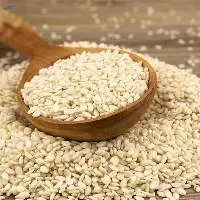
Sesame Seeds are small, oil-rich seeds widely used as a culinary ingredient for enhancing flavor, texture, and nutritional value in a variety of food preparations. They are valued for their mild nutty taste and crunchy texture, making them suitable for both direct consumption and food processing applications. Sesame seeds are commonly used in baking, confectionery, cooking oils, sauces, and seasoning blends.

These seeds are naturally rich in essential nutrients such as healthy fats, plant-based protein, dietary fiber, and important minerals including calcium, iron, magnesium, and phosphorus. Their composition makes them a versatile ingredient for supporting balanced dietary needs and improving the nutritional profile of everyday meals.

Specification Points:

Product Type: Edible oilseed
Appearance: Small, flat, oval-shaped seeds
Color: Creamy white to light brown or black variants depending on type
Flavor Profile: Mild nutty taste with a slightly earthy aroma
Texture: Dry, crisp, and crunchy
Usage: Suitable for baking, cooking, garnishing, oil extraction, and seasoning blends
Storage Condition: Should be stored in a cool, dry place in an airtight container to maintain freshness and prevent moisture absorption
Shelf Stability: Long-lasting when properly stored under controlled conditions
Processing: Cleaned and sorted for uniform quality and reduced impurities

Sesame Seeds are widely incorporated into bakery products such as bread, buns, and crackers, as well as traditional and modern recipes. They are also used in the production of sesame oil and paste, making them a valuable raw material for food manufacturing industries.
GOLD Member
VERIFIED
Jun-12-26

Raw Sesame Seeds Fresh Stock, Edible

$200 - $250 / Ton (UK) (CIF)
MOQ: 5  Tons (UK)
Sample Available
Supplier From Weltev, Weltevreden Park, South Africa
 Inquire Now  
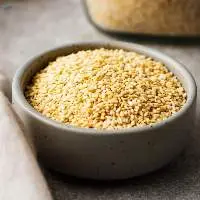
Sesame Seeds are small, oil-rich seeds widely used as a culinary ingredient for enhancing flavor, texture, and nutritional value in a variety of food preparations. They are valued for their mild nutty taste and crunchy texture, making them suitable for both direct consumption and food processing applications. Sesame seeds are commonly used in baking, confectionery, cooking oils, sauces, and seasoning blends.

These seeds are naturally rich in essential nutrients such as healthy fats, plant-based protein, dietary fiber, and important minerals including calcium, iron, magnesium, and phosphorus. Their composition makes them a versatile ingredient for supporting balanced dietary needs and improving the nutritional profile of everyday meals.

Specification Points:

Product Type: Edible oilseed
Appearance: Small, flat, oval-shaped seeds
Color: Creamy white to light brown or black variants depending on type
Flavor Profile: Mild nutty taste with a slightly earthy aroma
Texture: Dry, crisp, and crunchy
Usage: Suitable for baking, cooking, garnishing, oil extraction, and seasoning blends
Storage Condition: Should be stored in a cool, dry place in an airtight container to maintain freshness and prevent moisture absorption
Shelf Stability: Long-lasting when properly stored under controlled conditions
Processing: Cleaned and sorted for uniform quality and reduced impurities

Sesame Seeds are widely incorporated into bakery products such as bread, buns, and crackers, as well as traditional and modern recipes. They are also used in the production of sesame oil and paste, making them a valuable raw material for food manufacturing industries.
GOLD Member
Jul-22-24

Sesame Seed

$665
MOQ: 23  Metric Tonnes
Sample Available
Supplier From Johannesburg, Gauteng, South Africa
 Inquire Now  
Type:Sesame Seeds
Style:Natural
Cultivation Type:Common
Purity:99.99%
Moisture:5% Max
Place of Origin:RSA
Brand Name:White sesame seed
Model Number:k2018/003899/07
Color:White
Grade:AA Grade
Admixture:0.01 %
Oil Content:48% Min
Broken:1% Max
Shelf Life:24 Months
12 Sesame Seeds Suppliers
Short on time? Let Sesame Seeds sellers contact you.
GOLD PLUS Member
VERIFIED
Oct-04-19

Brown Sesame Seeds

$750 - $890
MOQ: 25  Meters
Sample Available
Supplier From Johannesburg, Gauteng, South Africa
 Inquire Now  
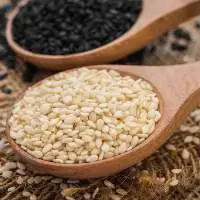
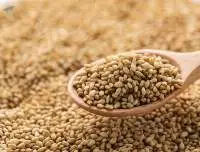
Natural Brown Sesame Seeds not only offer a rustic look when sprinkled on top of breads, rolls, and buns, but they add a distinctive flavor as well. Sesame seeds are also a good source of fiber. Prime season for sesame seeds is between September and April when the new crops are harvested.

Sesame has one of the highest oil contents of any seed. With a rich, nutty flavor, it is a common ingredient in cuisines across the world. Like other nuts and foods.

Special Features

*High nutritious value.
*Free from adulteration.
*Rich in protein, calcium and iron.
*Long shelf life.

Packaging & Shipping
Packing in 25/50 Kg PP Bags.
GOLD Member
VERIFIED
Mar-29-25

Black & White Sesame Seeds, A

$1.80K - $1.90K / Metric Ton (FOB)
MOQ: Not Specified
Supplier From Johannesburg, Gauteng, South Africa
 Inquire Now  
Black & White Sesame Seeds

Specifications:

Appearance: Small, oval seeds (black or white varieties)

Moisture Content: < 6%

Purity: 99% min

Oil Content: 48% - 52%

Uses:

Cooking, baking, and food garnishing

Ingredient in tahini, sesame oil, and snacks

Used in traditional medicine and cosmetics

Nutritional Benefits:

Rich in healthy fats, protein, and fiber

High in calcium, iron, and antioxidants

Packing:

Available as per buyer's request (e.g., 25kg bags, 50kg bags, or bulk packaging)

Price:

$1,900 CIF/MT (Cost, Insurance, and Freight per Metric Ton)

$1,800 FOB/MT (Free on Board per Metric Ton)
GOLD PLUS Member
VERIFIED
Mar-03-23

Wholesale White Premium Sesame Seeds

$500
MOQ: 25  Metric Tonnes
Sample Available
Supplier From Johannesburg, Gauteng, South Africa
 Inquire Now  
Sesame is a plant that is grown in warm regions and that produces small flat seeds that are used in cooking and as a source of oil. Sesame oil is used as cooking oil and to make dressings and sauces. They can be used in a variety of baked goods as a topping for breads and rolls.Sesame seeds are added to food for flavoring. Sesame seeds are also rich sources of protein, vitamins, and antioxidants.
GOLD PLUS Member
VERIFIED
May-29-24
Supplier From Cape Town, Western Cape, South Africa
 Inquire Now  
White Sesame Seeds
GOLD Member
VERIFIED
Mar-29-25

Sesame Seeds, A

$1.70K - $1.80K / Metric Ton (FOB)
MOQ: Not Specified
Supplier From Johannesburg, Gauteng, South Africa
 Inquire Now  
Sesame Seeds

Specifications:

Appearance: Small, oval-shaped seeds, available in white, black, or brown varieties

Moisture Content: < 6%

Size: Typically 2-4 mm

Uses:

Used in cooking, baking, and as a garnish (e.g., in breads, salads, and stir-fries)

Ingredient in tahini, sesame oil, and sesame paste

Popular in sweets and confectionery (e.g., sesame brittle)

Nutritional Content (per 100g):

Calories: 573 kcal

Protein: 18g

Fat: 50g

Carbohydrates: 23g

Fiber: 12g

Health Benefits:

High in healthy fats, protein, and antioxidants

Rich in calcium, iron, and magnesium

Packing:

Available as per buyer's request (e.g., 25kg bags, 50kg bags, or customized packaging)

Price:

$1,800 CIF/MT (Cost, Insurance, and Freight per Metric Ton)

$1,700 FOB/MT (Free on Board per Metric Ton)
VERIFIED
Feb-03-25

Sesame Seeds

MOQ: Not Specified
Supplier From Johannesburg, South Africa
 Inquire Now  
Sesame imports from South Africa include several premium varieties, such as TKG-306, SWB-32-10-1 (Savitri), and others. These sesame seeds are exported worldwide, offering diverse options suited for various climates and conditions. Below are some of the key sesame varieties exported from South Africa:

1. TKG-306
Released in 2007, TKG-306 matures in about 86-90 days. The seeds are white and weigh around 2.8 g. This variety is resistant to Phytophthora blight and moderately resistant to Macrophomina, Cercospora, powdery mildew, and Alternaria leaf spot.

2. SWB-32-10-1 (Savitri)
Savitri variety contains 48-52% oil and yields around 1200-1500 kg/ha in summer. It matures in about 84-88 days and is recommended for cultivation in West Bengal.

3. Jawahar Til 12 (PKDS-12)
Jawahar Til-12 has an oil content of 48-52% and an average yield of 700-750 kg/ha. This variety is suited for summer cultivation in Madhya Pradesh and is moderately resistant to Macrophomina stem/root rot.

4. Gujarat Til-3
Gujarat Til-3 has 48-52% oil content and yields 750-800 kg/ha. It is recommended for the Kharif season in the Saurashtra region of Gujarat, with a maturation time of around 84-88 days.

5. RT-346
RT-346 has oil content ranging from 49-51% and yields 750-850 kg/ha. It is recommended for the Kharif season in various regions such as Rajasthan, Haryana, Punjab, Himachal Pradesh, Gujarat, Uttar Pradesh, and Maharashtra. It matures in about 82-86 days.

6. JLT-408
With an oil content of 51-53%, JLT-408 yields 700-800 kg/ha. This variety is recommended for assured rainfall zones in Khandesh, Vidharba, and Marathwada regions, taking around 80-85 days to mature.

7. TKG-308
TKG-308 has an oil content of 48-50% and an average yield of 700-750 kg/ha. It is moderately resistant to Macrophomina, Cercospora, Bacterial leaf spot, and Leaf curl, and is tolerant to capsule borer.

8. Shubra
Shubra sesame has an oil content of 48-52% and yields 800-900 kg/ha. The seeds are golden yellow and are recommended for cultivation in Orissa during both the Kharif and summer seasons.

9. RT-351
RT-351 has oil content ranging from 48-50% and yields 700-800 kg/ha. It is resistant to Macrophomina, Leaf curl, and Phillody, and moderately resistant to Cercospora and capsule borer. This variety is recommended for cultivation in states like Rajasthan, Gujarat, UP, Maharashtra, Haryana, Punjab, and Jammu & Kashmir.
Jun-12-20

Refined Sesame Seeds Oil

$600
MOQ: 100  
Sample Available
Supplier From Durban, Kwazulu-Natal, South Africa
 Inquire Now  
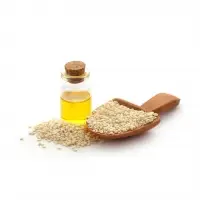
Sesame Oil is an edible vegetable oil derived from sesame seeds. Besides being used as a cooking oil in South India, it is used as a flavour enhancer in Middle Eastern, African, and Southeast Asian cuisines. It has a distinctive nutty aroma and taste. The oil extracted from Sesame seed is popular in alternative medicine, from traditional massages and treatments to the modern day.


Packaging Detail:

- Aluminium Drums

- GI Drums

- Plastics Drums

- HDPE Drums

- Plastic & Glass Bottles

- Pails & Buckets, Canes
- As customer's requirement
12 Sesame Seeds Suppliers
Short on time? Let Sesame Seeds sellers contact you.
  • First page
  • Next
See what buyers and suppliers are discussing in Sesame Seeds import export community

Frequently Asked Questions (FAQs)


1. What are the main types of sesame seeds traded internationally?

The most commonly traded sesame seeds are white hulled sesame, brown and black sesame seeds.

2. Which countries are the largest exporters of sesame seeds?

The largest exporters of sesame seeds by shipment are India, Pakistan and Nigeria.

3. What is the best time to source sesame seeds?

The best time is immediately after harvest, typically October to January, when supply is high, and sesame seeds wholesale prices are most competitive. Quality and availability are also better during this period.

4. What is the difference between hulled and natural sesame seeds?

Hulled sesame seeds have the outer shell removed and are lighter in color, ideal for bakery and confectionery. Natural (unhulled) sesame seeds retain the husk, offering higher fibre and stronger flavor.

5. How do I verify the quality of sesame seeds before purchasing?

Check lab test reports, request pre-shipment inspection, and review parameters like moisture, purity, oil content, and absence of contaminants from verified sesame seed suppliers.

6. What are the standard quality requirements for sesame seeds?

Export-quality sesame seeds typically require 98–99.95% purity, =7% moisture, uniform color, and compliance with food safety regulations of the importing count

7. Do buyers require ETO or steam sterilisation for sesame seeds?

Many buyers, especially in Europe and the US, prefer steam sterilisation to reduce microbial load. ETO treatment may be required based on destination regulations and buyer specifications.

8. What certifications should I look for in a sesame seed supplier?

Reliable sesame seed exporters should hold ISO 22000, HACCP, FSSAI, APEDA, and for specific markets, Organic, Kosher, or Halal certifications.

9. Which regions import the highest volumes of sesame seeds for food processing and retail markets?

Major importers include Europe, China, Japan, South Korea, the Middle East, and the USA, driven by demand from the bakery, oil processing, and retail food sectors.

10. What moisture, purity, and oil content levels are standard for export-quality sesame seeds?

Standard export specifications include =7% moisture, 98–99.95% purity, and 48–52% oil content, depending on the origin and variety.

11. How long is the shelf life of sesame seeds during international transportation?

Sesame seeds generally have a 12–24 month shelf life when stored in cool, dry conditions and packed in moisture-resistant export packaging.

12. What are the requirements for importing sesame seeds to the European market?

EU imports require compliance with EFSA norms, low pesticide residues, microbiological safety, proper labelling, and often steam sterilisation and traceability documents.