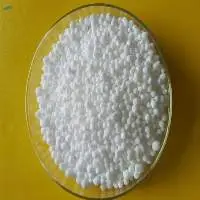
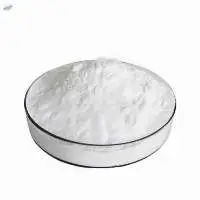
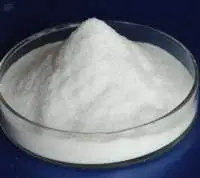
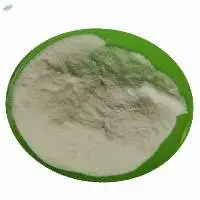
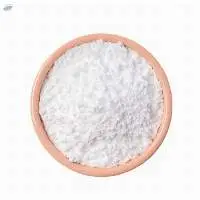
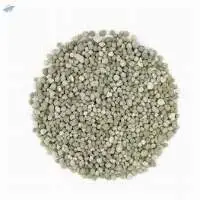
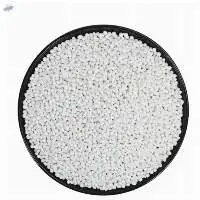
Ammonium Sulphate is mostly used as nitrogen fertilizer. It provides N for NPK. It provides an equal balance of nitrogen and sulphur, meets short term sulphur deficits of crops, pastures and other plants.
Product Name:Sodium bromide
Cas No.ï¼?7647-15-6
Molecular formula:NaBr
Molecular weight:102.89
Physical and chemical properties:
colorless cubic crystal or white particle powder; bitter taste; relative gravity: 3.203; melting point747.0�°C; boiling point: 1390�°C
Use:for the manufacturing of photographic film, diuretic, sedative and brominating agent
Packingï¼?compound bag, fiber can; 30�?37(cm) inner plastic bag, 25kg
Storage and transportation:in dry and ventilated place, in seal
Description:
Taking white sugar, milk or milk powder, maltodextrin, vegetable oil as its main raw materials, it is a kind of powdered products made through advanced process of filling, homogenization, sterilization and spraydring.
Specifications:
Fat: 10.5%-21.0%
Protein: 7.7% min
Moisture: 5%max.
Total Sugar: 50%min
Mix 1kg of powdered ice cream with 3kg water, whip and hold it for 15 minutes; then put the mixed material into soft ice cream machine; turn on the machine and ice cream products will be got after about 8 minutes.
Packing:
25kg/bag, 1kg/bag, etc.
Storage:
Store in dry & sheltered warehouse with good ventilation away from strong odours and direct sunlight.
UPAC Name
Potassium carbonate
Chemical formula
K2CO3
CAS Number
584-08-7
EC Number
209-529-3
Potassium Carbonate, %
99.5% min
Chloride (KCL), %
0.014%
Sulfate (K2SO4), %
0.007%
Ferric (Fe), %
0.0007%
Water Insoluble, %
0.009%
Heavy Metal (as Lead), mg/kg
8
Arsenic (As), mg/kg
1
Loss on drying, %
0.38%
Appearance
White Crystal/Granular
C. What is Glycolic acid
Glycolic acid is a natural ingredient derived from sugar cane, though it is now often made synthetically. Glycolic acid has a cosmetic grade.
Dextrose (chemical formula C6H12O6) is also called corn glucose, maize sugar, and is simply called glucose. Chemical name:2,3,4,5,6-pentahydroxyhexanal, English name: Dextrose, Cornsugar, Grapesugar, Bloodsugar.
It is the most widely distributed and most important monosaccharide in nature, and it is a polyhydroxy aldehyde.
Application:
1.) In the food industry and the beverage industry, it is used as sweetener, nutrition and filler.
2.) In the pharmaceutical industry, it can be used as oral liquid or intravenous injection as nutrient solution.
White crystal powder without any visible foreign matters. Soluble in water, slightly soluted in alcohol, dissolvable in benzene, ether and petroleum ether etc., Esters will be formed by reaction with common organic acid; No reaction take place when it is heated with dilute caustic solution.
application
Pentaerythritol is used in the manufacture of Alkyd resins, fatty acid rosin and tall oil esters and to make paint and coatings, printing ink, coating adhesives, explosives, sealants, varnish, lacquer, vinyl chloride, synthetic rubber and miscellaneous including Pentaerythritol tetranitrate (PETN), urethane coatings, flame retardant paints, polyvinyl chloride stabilizers, olefins antioxidant and Pentaerythritol triacrylate.
The sweetness of xylitol is comparable to that of sucrose, and it can absorb a lot of heat when dissolved in water. It is the one with the largest endothermic value among all sugar alcohol sweeteners. When consumed in solid form, it produces a pleasant cooling sensation in the mouth.
1. Xylitol is suitable for sweeteners, nutritional supplements and adjunctive therapy. It is an intermediate of human carbohydrate metabolism. In the absence of insulin in the body to affect glucose metabolism, it does not require insulin to promote. It can also pass through the cell membrane and be absorbed and utilized by tissues, providing nutrients and energy to cells .
2. Xylitol can promote the synthesis of hepatic glycogen, the blood sugar will not rise, and it has the effect of improving liver function and anti-fatty liver.
3. The anti-caries properties of xylitol are the best of all sweeteners. First, xylitol cannot be fermented and utilized by microorganisms that produce dental caries in the oral cavity; secondly, when chewing xylitol, it can promote the secretion of saliva, and more saliva can flush the microorganisms in the mouth and teeth.
4. Xylitol provides energy for the body, synthesizes glycogen, and reduces the consumption of fat and protein in liver tissue. It protects and repairs the liver, reduces the production of harmful ketone bodies in the body, and does not worry about gaining weight due to consumption.
DAP (Diammonium Phosphate) specification
Chemical Formula: (NH4)2HPO4
NPK Ratio: 18-46-0
Nitrogen (N): 18%
Phosphorus (P2O5): 46%
Moisture Content: 2% max
Physical Form: Granular
Color: Light gray
Solubility: Water-soluble
Application: Suitable for all types of crops, including cereals, fruits, vegetables, and ornamentals. DAP is particularly effective as a starter fertilizer, providing a readily available source of phosphorus and nitrogen.
Packaging: 50 kg bags, bulk packaging available
Shelf Life: 18 months from production date
Specifications of NPK Fertilizer (15-15-15):
Nitrogen (N): 15%
Role: Promotes lush, green foliage and vigorous vegetative growth.
Phosphorus (P2O5): 15%
Role: Supports strong root development, flowering, and fruiting.
Potassium (K2O): 15%
Role: Enhances overall plant strength, disease resistance, and water regulation.
Moisture Content: 2% max
**Ensures the product remains free-flowing and easy to apply.
Granulation: Granular
Color: Typically multicolored, can vary depending on the batch.
Solubility: Highly soluble in water, allowing for efficient nutrient uptake by plants.
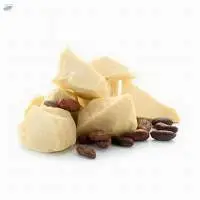
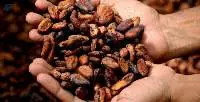
The production of our natural cocoa butter begins with carefully selected, fermented cocoa beans. They are first cleaned and gently dried. Once the shells have been removed, the beans are roasted to release their characteristic aromas. This is followed by grinding, which produces a rich cocoa mass. The precious cocoa butter is extracted purely mechanically by pressing this cocoa mass. We subject the final product, our natural cocoa butter, to strict quality controls in our DIN ISO 17025-certified laboratory to ensure that our customers receive the best quality.
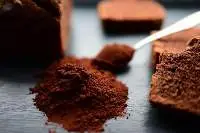
Produced from select cocoa beans and processed using advanced techniques, our cocoa powder delivers a smooth texture, deep colour, and bold chocolate flavour. It is ideal for industrial, commercial, and artisanal use.
Cocoa Powder is produced from carefully selected cocoa beans that are fermented, dried, roasted and processed to separate cocoa butter from cocoa solids. The resulting cocoa powder provides a rich cocoa flavour, characteristic aroma and brown colour.
Cocoa Powder is available in natural and alkalized (Dutch-process) grades, with different fat contents according to the buyer's application.
Key Advantages
Rich and authentic cocoa flavour and aroma
Fine, uniform powder for easy processing
Excellent colour and consistent quality
Available in natural and alkalized grades
Different cocoa butter/fat levels available
Suitable for bakery, confectionery and beverage applications
Good dispersibility and processing performance
Suitable for industrial and retail applications
Can be supplied according to customer-specific specifications
Specifications:
Bean Count: 100/100g
Moisture: Max 7.5%
Waste/Residue: Max 2.5%
Mouldy: Max 3%
Insect/Germinated: Max 3%
Salty: Max 3%
Sourced from our own plantations and trusted partners across Papua New Guinea, Solomon Islands, Vanuatu, West Africa and South America, our cocoa beans are known for their rich flavour profile and consistent quality
Natural cocoa raw material
Properly fermented and dried
Characteristic cocoa aroma and flavour
Suitable for chocolate manufacturing
Suitable for cocoa butter and cocoa powder production
Long shelf life when properly stored
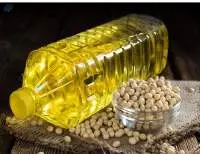
Soybean Oil is a premium-quality vegetable oil extracted from carefully selected soybeans and refined using advanced processing techniques. It is widely used for cooking, frying, baking, food manufacturing, margarine production, salad dressings, and various industrial applications. Soybean Oil is valued for its light taste, high smoke point, and balanced fatty acid composition.
Appearance ; Clear, light yellow liquid
Color : Light yellow
Free Fatty Acid (FFA) : Maximum 0.10%
Moisture & Impurities : Maximum 0.10%
Peroxide Value : Maximum 10 meq O/kg
Iodine Value : 120 - 141
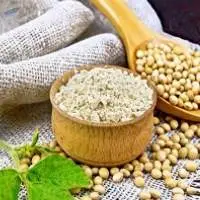
Soybean meal is a high-protein feed ingredient produced after extracting oil from soybeans through solvent extraction or mechanical processing. It is used in poultry, dairy cattle, aquaculture, and swine feed formulations.
Appearance : Light yellow to golden brown meal
Protein ; 44% - 48% (depending on grade)
Moisture : Maximum 12%
Oil Content : Maximum 1.5%
Crude Fiber : Maximum 7%
Ash : Maximum 6.5%
Sand/Silica : Maximum 2%
Urease Activity : 0.02 - 0.20 pH rise
Foreign Matter : Maximum 1%
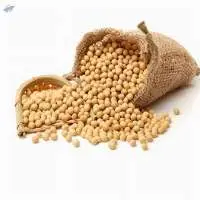
Premium export-quality soybean is sourced from carefully selected farms and processed under quality-control standards. The soybeans are cleaned, graded, and packed to preserve their natural nutritional value, oil content, and protein quality.
Purity : 98% - 99.5%
Moisture : Maximum 12 - 13%
Protein : 34% - 38%
Oil Content : 18% - 20%
Foreign Matter : Maximum 1%
Damaged Kernels : Maximum 2%
Broken Seeds : Maximum 3%
Admixture : Maximum 1%
Origin : India
White Coconut Jelly - Nata de coo
- The product name: nata de coco
- Pure: 80%
- Sugar: 10,3%
- Water: 8,7%
- PH: 3 - 3,8
- Brix: 10% min
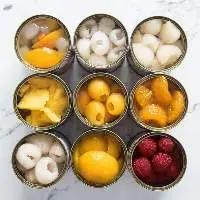
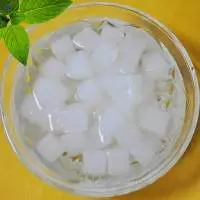
Nata de coco is a chewy, translucent, jelly-like food produced by the fermentation of coconut water, which gels through the production of microbial cellulose by Acetobacter xylinum. Originating in Vietnam, nata de coco is most commonly sweetened as a candy or dessert, and can accompany a variety of foods, including pickles, drinks, ice cream, puddings, and fruit cocktails.
616 Crystal Sugar Suppliers
Short on time? Let Crystal Sugar sellers contact you.