Please click here to check who's online and chat with them.

Find Verified Sesame Seeds Suppliers, Manufacturers and Wholesalers

Top Supplier Cities : -   Colombo   Sri Lanka  
VERIFIED
Jan-17-23

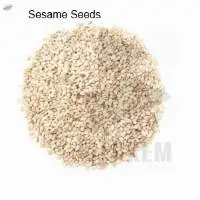
Ceylon Sesame Seeds

MOQ: 1  Kilograms
Sample Available
Supplier From Kalutara, Western Province, Sri Lanka
 Inquire Now  
Sesame seeds contain magnesium and other nutrients. Sesame seeds have been shown to prevent diabetes, and it can also improve plasma glucose in hypersensitive diabetics. The high copper content in sesame seeds prevents and relieves arthritis, and strengthens bones, joints and blood vessels.
Sep-15-23
Supplier From Malabe, Western, Sri Lanka
 Inquire Now  
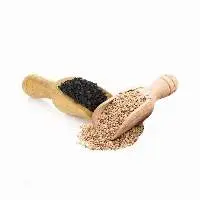
Whole sesame seeds are high protein, essential fatty acids and fibre. They can be sprinkled onto salads, warm vegetables and meat or stirred into soups, stir fries and stews. They can also be incorporated into baking, adding a crunchy texture to loaves and buns. Whole sesame seeds have a higher mineral content than typical, hulled sesame seeds.
Whole sesame seeds can also be whizzed up in a blender to make dark tahini, which has a more nutty taste than typical light tahini. If you\'re a fan of spreads such as Tahini and Hummus, you\'ll love the taste and nutrition that fresh-ground sesame seeds provide.
Jun-27-21

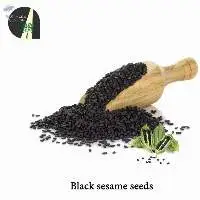
Black Sesame Seeds

MOQ: 500  Kilograms
Sample Available
Supplier From Hambanthota, Southern Province, Sri Lanka
 Inquire Now  
we bring you pure black sesame seeds from sri lanka and we guarantee the quality and richness of our black sesame seeds harvested from fruitful agricultural lands in tropical island sri lanka.
Jun-11-22

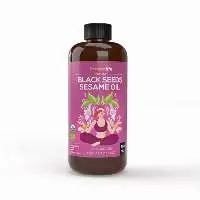
Organic Sesame Oil

$3
MOQ: No MOQ  
Sample Available
Supplier From Malabe, Western, Sri Lanka
 Inquire Now  
Sesame oil is a cooking oil made from sesame seeds that's popular in Asian cooking. There are a few varieties made with pressed plain seeds or toasted seeds, and they are used in different ways in Chinese, Japanese, South Indian, and Middle Eastern cuisine. Light sesame oil is typically used as a neutral cooking oil, while toasted sesame oil is used as a flavoring in sauces, soups, and other dishes.

Toasted sesame oil is also known as dark, black, or Asian sesame oil. The light brown to dark reddish-brown oil is made with toasted sesame seeds and has a strong aroma and flavor. A little goes a long way; sesame oil is often used as a finishing oil, adding nutty, toasty flavor to a hot or cold dish.

Typically, the darker the toasted sesame oil, the stronger the flavor. Light sesame oil, also called white or plain sesame oil, is light in color. It's made using raw sesame seeds, resulting in high-heat, low-flavor oil.
Oct-01-20
Supplier From Jaffna, Northern, Sri Lanka
 Inquire Now  
Sesame is a tropical and subtropical plant cultivated for its seeds, which yield about 50% of a high-quality edible oil. Sesame oil meal, the by-product of sesame oil extraction, is used as a feed ingredient. Sesame seeds have outstanding amounts of oil and they have a high polyunsaturated fatty acid (PUFA) content. Sesame oil contains about 47% oleic acid and 39% linoleic acid. It is rich in tocopherols and lignans (notably sesamin and sesamolin) that provide exceptional oxidative stability compared to other edible oils.

Several processes exist to extract sesame oil, depending on the end product required. The seed may be dehulled, cooked or roasted, and the oil extracted by mechanical pressure, resulting in a feed-grade, oil-rich sesame cake. Further extraction with solvent results in a feed-grade, low oil sesame flour. Sesame oil cake is the protein-rich by-product obtained after oil extraction.

Depending on the way oil has been extracted, sesame oil meal can be used as a feed for livestock, especially ruminants and poultry, from un-decorticated sesame seeds. It is a valuable source of protein for animals and unlike other oil meals, sesame oil meal is usually obtained by mechanical extraction only (rather by mechanical extraction followed by solvent extraction) and its residual oil content is high.
2627 Sesame Seeds Suppliers
Short on time? Let Sesame Seeds sellers contact you.
Jun-28-23

Organic Tahini

$2.70
MOQ: No MOQ  
Supplier From Malabe, Western, Sri Lanka
 Inquire Now  
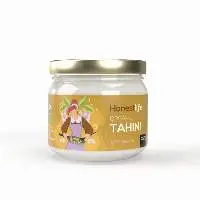
Tahini is a paste of crushed sesame seeds that is highly used in Middle Eastern cooking. Tahini mixed with garlic, lemon juice, and salt and thinned with water constitutes taratoor, a sauce that is eaten as a dip with Arabic bread as part of a selection of meze, or hors oeuvres. Taratoor is mixed with ground chickpeas for hummus bi tahini, another hors oeuvre dip. Tahini is also used as a sauce ingredient for fish and vegetable dishes.
VERIFIED
Feb-25-23

Sunflower Seeds

MOQ: 15  Metric Tonnes
Supplier From Colombo, WP, Sri Lanka
 Inquire Now  
Sunflower seeds are technically the fruits of the sunflower plant (Helianthus annuus). The seeds are harvested from the plantâ??s large flower heads, which can measure more than 12 inches (30.5cm) in diameter. A single sunflower head may contain up to 2,000 seeds.

There are two main types of sunflower crops. One type is grown for the seeds you eat, while the other â?? which is the majority farmed â?? is grown for the oil.

The sunflower seeds you eat are encased in inedible black-and-white striped shells, also called hulls. Those used for extracting sunflower oil have solid black shells. Sunflower seeds have a mild, nutty flavor and a firm but tender texture. Theyâ??re often roasted to enhance the flavor, though you can also buy them raw. Studies found that consumption of seeds â?? including sunflower seeds â?? was linked to lower rates of cardiovascular disease, high cholesterol, and high blood pressure. Sunflower seeds are a source of many vitamins and minerals that can support your immune system and increase your ability to fight off viruses.

MOQ: 15 MT

Supplied from China or South America.
VERIFIED
Dec-17-22

Seeding Pellets

MOQ: Not Specified
Supplier From Colombo, Western, Sri Lanka
 Inquire Now  
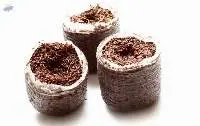
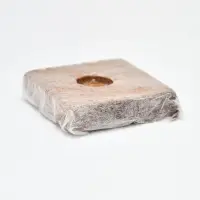
Peat pellets are little disks of dehydrated peat that are held together by a biodegradable fine mesh netting. All you have to do is add water to rehydrate the soil and the pellets expand to create a self-contained pot.
Feb-25-23

Coriander Seeds

MOQ: Not Specified
Supplier From Colombo, Western Province, Sri Lanka
 Inquire Now  
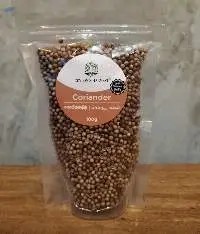
Coriander is a spice produced from the round, tan-colored seeds of the coriander plant. Coriander plant is a member of the parsley (Apiaceae) family. Coriander grows as a native plant around the world, specially in Sri Lanka. Coriander has several health benefits, it aids in fighting infections, rich in
antioxidants, improves heart and brain health.
When coriander flowers, it produces white flowers, with a hint of purple, and the round, light brown
seeds. FORMS : WHOLE/POWDER
Feb-25-23

Cumin Seeds

MOQ: Not Specified
Supplier From Colombo, Western Province, Sri Lanka
 Inquire Now  
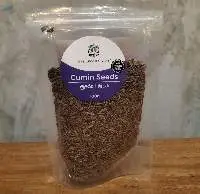
Cumin (Cuminum cyminum) comes from a small flowering herbaceous plant from the Apiaceae or Umbelliferae family, which also includes parsley, fennel and hemlock. The plant, which grows about 1 to 2 feet tall, is actually native to the Middle-East Asian region, but is now grown all over the world.
The aromatic seeds are the part of the plant that's most widely utilized. These cumin "seeds," which are actually the plant's small dried fruits, look very similar to caraway seeds. They're yellow-brown, oblong-shaped and longitudinally ridged. Cumin powder is made from these seeds.
You can actually use both whole and ground cumin seeds, which are both available all year round, for
culinary purposes. FORMS : WHOLE/POWDER
Feb-25-23

Fenugreek Seeds

MOQ: Not Specified
Supplier From Colombo, Western Province, Sri Lanka
 Inquire Now  
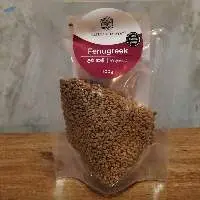
Our premium quality Ceylon fenugreek seeds are used as a spice, supplement as well as a flavoring agent. Cooking with Fenugreek seeds is mainly accustomed to Sri Lankan and Indian kitchens while many other countries are also trying to adapt due to the many health benefits the spice has to offer.
Mainly used in preparing dhal curry, potato curry, vegetable dishes, and even pickles, fenugreek seeds can be used as whole or in powder form depending on what you are cooking. The flavor of our Ceylon fenugreek gives you a bitter-sweet mix with a hint of maple. You have to however use this spice with
caution and not add too much so that the dish is well balanced and does not end up being bitter. Dry roasting fenugreek brings out a sweet aromatic flavor as well. Many of the health benefits of fenugreek
include digestive problems, diabetes, obesity, ulcers, menopause, etc
Feb-25-23

Mustard Seeds

MOQ: Not Specified
Supplier From Colombo, Western Province, Sri Lanka
 Inquire Now  
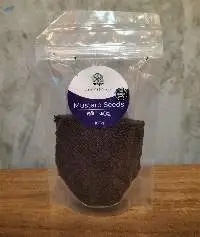
Mustard seeds have been highly prized culinary oil-seeds being in use since earlier times. The seeds
are fruit pods obtained from the mustard plant, in the Brassica family.
Mustard are native to Asia Minor, but these days cultivated as one of the main commercial crop in
Canada, India, China, and temperate climates of the European region.
Black mustard seeds are a common ingredient in Indian cooking. They are often kept whole and fried
(or toasted) before adding to a dish or including in a stir-fry along with other aromatic ingredients.
White mustard seeds can be toasted to add to dishes or used for pickling. Mustard seeds can be
ground to make homemade mustard condiments.
Feb-23-21

Seeding Disk

$1.26
MOQ: 1000  Pieces
Sample Available
Supplier From Ganemulla, Sri Lanka
 Inquire Now  
Place the Seeding Disk in a tray and water gently with lukewarm water to expand the Seeding Disk. The coco substrate will be kept in shape by the thin net. Pour off all excess water carefully.

The seedling hole is on the top of the pellet, add one or more seeds and cover lightly with the substrate of the pellet. Seedlings or cuttings should be planted by using a dibble.
Place them in a bright and warm location such as on the windowsill. As soon as the seed has germinated lift the cover. Keep the coir pellets moist during germination, but avoid moisture build-up as this could rot the roots.

When the roots are growing through the net, transplant the Seeding Disk into a larger container or directly in the garden. Water in advance.

Please do not try to separate the net this will damage the roots. This net is a biodegradable net.
May-10-24

Seed Rejuvenator

MOQ: Not Specified
Supplier From Biyagama, Western, Sri Lanka
 Inquire Now  
Safeguards the seed's Sprouting, strengthening the young plant. Improves the plant's immunity, minimizing the effects of pesticides
Dec-07-18

Coriander Seeds

$1 - $2.23
MOQ: 1  Meters
Sample Available
Supplier From Baththaramulla, Sri Lanka
 Inquire Now  
The dry fruits are known as coriander seeds. The word "coriander" in food preparation may refer solely to these seeds (as a spice), rather than to the plant. The seeds have a lemony citrus flavour when crushed, due to terpenes linalool and pinene. It is described as warm, nutty, spicy, and orange-flavoured.
Nov-24-23
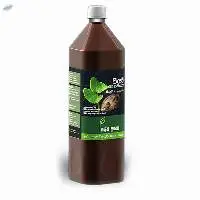
Supplier From Piliyandala, Colombo, Sri Lanka
 Inquire Now  
Ingredients
Dietary Info
100% Organic
No Preservatives
No Additives
No Artificial Flavour or Colours

Dietary Info
Gluten-free
Lactose-free


Cholesterol free
Suitable for Vegans
Non-GMO
Jan-28-25
Supplier From Colombo, Colombo, Sri Lanka
 Inquire Now  
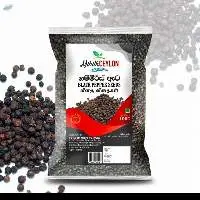
Hinsland Pepper seeds
Feb-23-21

Coir Seeding Tray

$2
MOQ: 100  Pieces
Sample Available
Supplier From Ganemulla, Sri Lanka
 Inquire Now  
Seeding Tray was molded with Natural Latex which best for growing seeds of different plants.
Sep-05-18

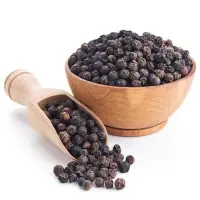
Black Pepper Seeds

$7.40
MOQ: Not Specified
Supplier From Baddegama, Southern Province, Sri Lanka
 Inquire Now  
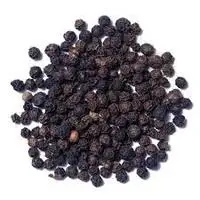
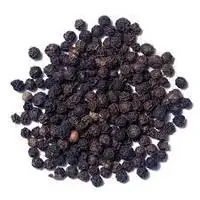
* dried black pepper seeds
* 100 % pure
*customized packaging
*payment terms are negotiable
Sep-19-18

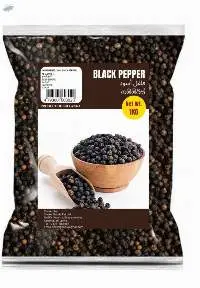
Black Pepper Seeds

$5
MOQ: 5000  Boxes
Sample Available
Supplier From Baddegama, Southern Province, Sri Lanka
 Inquire Now  
Dried black pepper , 550 g/l, 50 kg packaging , min order 5mt , sgs quality certificate.
5.0 usd per kg
2627 Sesame Seeds Suppliers
Short on time? Let Sesame Seeds sellers contact you.
Explore Sesame Seeds related import export discussions

Frequently Asked Questions (FAQs)


1. What are the main types of sesame seeds traded internationally?

The most commonly traded sesame seeds are white hulled sesame, brown and black sesame seeds.

2. Which countries are the largest exporters of sesame seeds?

The largest exporters of sesame seeds by shipment are India, Pakistan and Nigeria.

3. What is the best time to source sesame seeds?

The best time is immediately after harvest, typically October to January, when supply is high, and sesame seeds wholesale prices are most competitive. Quality and availability are also better during this period.

4. What is the difference between hulled and natural sesame seeds?

Hulled sesame seeds have the outer shell removed and are lighter in color, ideal for bakery and confectionery. Natural (unhulled) sesame seeds retain the husk, offering higher fibre and stronger flavor.

5. How do I verify the quality of sesame seeds before purchasing?

Check lab test reports, request pre-shipment inspection, and review parameters like moisture, purity, oil content, and absence of contaminants from verified sesame seed suppliers.

6. What are the standard quality requirements for sesame seeds?

Export-quality sesame seeds typically require 98–99.95% purity, =7% moisture, uniform color, and compliance with food safety regulations of the importing count

7. Do buyers require ETO or steam sterilisation for sesame seeds?

Many buyers, especially in Europe and the US, prefer steam sterilisation to reduce microbial load. ETO treatment may be required based on destination regulations and buyer specifications.

8. What certifications should I look for in a sesame seed supplier?

Reliable sesame seed exporters should hold ISO 22000, HACCP, FSSAI, APEDA, and for specific markets, Organic, Kosher, or Halal certifications.

9. Which regions import the highest volumes of sesame seeds for food processing and retail markets?

Major importers include Europe, China, Japan, South Korea, the Middle East, and the USA, driven by demand from the bakery, oil processing, and retail food sectors.

10. What moisture, purity, and oil content levels are standard for export-quality sesame seeds?

Standard export specifications include =7% moisture, 98–99.95% purity, and 48–52% oil content, depending on the origin and variety.

11. How long is the shelf life of sesame seeds during international transportation?

Sesame seeds generally have a 12–24 month shelf life when stored in cool, dry conditions and packed in moisture-resistant export packaging.

12. What are the requirements for importing sesame seeds to the European market?

EU imports require compliance with EFSA norms, low pesticide residues, microbiological safety, proper labelling, and often steam sterilisation and traceability documents.