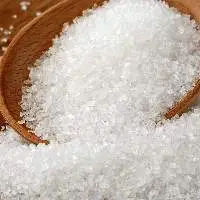
White sugar is a refined sweetener primarily composed of sucrose, derived from sugarcane or sugar beets. It is widely used in cooking and baking, enhancing the flavor of foods and beverages.
Overview of White Sugar
White sugar, also known as granulated sugar, is a crystalline substance produced through the refining process of raw sugar. It consists of over 99% sucrose and is commonly used in households and industries for its sweetness and versatility.
Composition and Types
White sugar is mainly made up of sucrose, a disaccharide formed from glucose and fructose. It is a key ingredient in many recipes, providing not only sweetness but also texture and bulk.
Uses and Applications
Culinary Uses: Essential for baking, cooking, and preserving foods. It enhances flavors in desserts, sauces, and beverages.
Food Industry: Utilized as a sweetening agent, preservative, and viscosity enhancer in various food products.
Safety Information
White sugar is generally considered safe for consumption. However, it should be used in moderation to avoid health issues associated with excessive sugar intake.
Manufacturing Process : Derived from pure aluminum
Industry Applications : Manufacturing, construction, electrical
Surface Finish : Bright, polished, or mill finish
The AL99.00 aluminum ingot is a high-purity metal containing a minimum of 99.00% aluminum, suitable for a range of industrial applications requiring reliable quality and performance.
1. Product Overview
Grade: AL99.00
Purity: Minimum 99.00% aluminum
Appearance: Silvery white
2 Applications
AL99.00 aluminum ingots are used in:
Manufacturing processes
Construction materials
Electrical applications
3.Production Process
Manufacturing Method: These ingots are typically produced through processes involving pure aluminum and may include elements like silicon and iron as per requirements.
4. Key Benefits
High tensile strength
Excellent corrosion resistance
Versatility for various applications
Industry Applications Automotive, electrical, manufacturing
Surface Finish Non-alloy, mill finish
The AL99.60 aluminum ingot is a high-purity product containing a minimum of 99.60% aluminum. It is primarily used in various industrial applications where high-quality aluminum is required, including manufacturing and remelting processes.
1. Product Overview
Grade: AL99.60
Purity: Minimum 99.60% aluminum
Appearance: Silvery white
2. Applications
AL99.60 aluminum ingots are suitable for:
Melting and remelting processes
Manufacturing automotive components
Electrical and structural applications
3. Production Process
Manufacturing Method: Produced through methods such as molten salt electrolysis using alumina and cryolite, ensuring high purity standards.
4. Key Benefits
High purity minimizes the risk of contamination.
Versatile for various industrial uses.
Efficient remelting capabilities.
Industry Applications Automotive, aerospace, electrical
Surface Finish Mill finish
The AL99.70 aluminum ingot is a high-purity product with a minimum aluminum content of 99.70%. It is designed for industrial applications requiring superior quality, such as in automotive and aerospace sectors. The ingot features a mill finish for improved usability and re-melting efficiency.
1. Product Overview
Grade: AL99.70
Purity: Minimum 99.70% aluminum
Appearance: Silvery white
2. Applications
AL99.70 aluminum ingots are suitable for:
Automotive parts manufacturing
Aerospace components
Electrical applications
General construction materials
3. Production Process
Manufacturing Method: Produced using molten salt electrolysis from alumina and cryolite.
Surface Finish: Mill finish for optimal handling and processing.
4. Key Benefits
High purity minimizes contamination risks.
An efficient re-melting process ensures sustainability.
Versatile applications across various industries.
Industry Applications
Automotive, aerospace, electrical
Operational Efficiency
Easy control and fast melting
1 Product Overview
Grade: AL99.85
Purity: 99.85% aluminum
Appearance: Silvery white
2. Applications
The AL99.85 aluminum ingot is utilized in:
Automotive manufacturing
Aerospace components
Electrical applications
Construction materials
3. Production Process
Melting Method: Discontinuous melting using scrap for sustainability.
Control and Operation: Designed for easy control and efficient operation during the melting process.
4. Key Benefits
Fast melting time
Consistent quality for industrial applications
Environmentally friendly, utilizing recycled materials where applicable
58 Processing Potatoes Suppliers
Short on time? Let Processing Potatoes sellers contact you.
Industry Applications Automotive, aerospace, electrical
Surface Finish Mill finish
The AL99.70A aluminum ingot is a high-purity aluminum product with a minimum aluminum content of 99.70%. It is ideal for applications requiring exceptional quality and performance, such as in automotive and aerospace industries. The ingot is produced through advanced melting techniques to ensure optimal purity and consistency.
1. Product Overview
Grade: AL99.70A
Purity: 99.70% aluminum
Appearance: Silvery white
2. Applications
The AL99.70A aluminum ingot is used in:
Automotive manufacturing
Aerospace components
Electrical applications
Construction materials
3. Production Process
Melting Method: Advanced techniques for high purity, including molten salt electrolysis methods.
Surface Finish: Mill finish for optimal usability.
4. Key Benefits
High purity minimizes contamination risks.
Efficient remelting process for sustainable use.
Suitable for a variety of industrial applications.
Snow salt, also known as rock salt or road salt, is an effective de-icing agent used to melt snow and ice on roads and sidewalks. It works by lowering the freezing point of water, providing safer conditions during winter weather.
Snow salt is primarily composed of sodium chloride (NaCl). It is commonly used during winter to prevent ice accumulation and improve traction on slippery surfaces.
How It Works
When applied to ice or snow, snow salt lowers the freezing point of water, causing the ice to melt. This process is effective in temperatures down to approximately 15�°F (-9�°C), although its effectiveness diminishes in extremely cold conditions.
Environmental Impact
While snow salt is effective for safety, its use can have environmental implications. Excessive application can lead to soil and water contamination, affecting plants and aquatic life. Alternatives, such as pet-safe ice melts, are available for environmentally conscious consumers [1].
Applications
Snow salt is ideal for:
Roads and Driveways: Ensuring safe passage for vehicles and pedestrians.
Walkways: Reducing slip hazards around homes and businesses.
Aluminum scrap refers to discarded aluminum materials that can be recycled to produce new aluminum products. It is a highly valued commodity due to its cost-effectiveness and environmental benefits, as recycling aluminum significantly reduces energy consumption and greenhouse gas emissions.
1. Product Overview
Aluminum scrap is sourced from various end-of-life products, manufacturing processes, and consumer goods. It can be categorized into different grades based on purity and form, including:
Type Description
Post-Consumer Scrap : Scrap is obtained from used products like cans.
Pre-Consumer Scrap
Scrap generated during manufacturing processes.
Dirty Alloys
Scrap that contains impurities or mixed alloys.
2. Recycling Process
The recycling of aluminum involves several steps:
Collection: Gathering scrap from various sources.
Sorting: Classifying scrap by type and quality.
Melting: Heating aluminum scrap to its melting point.
Casting: Forming new aluminum products from the molten metal.
3. Benefits of Recycling Aluminum
Energy Savings: Recycling requires only about 5% of the energy needed to produce new aluminum from ore.
Reduced Waste: Diverts scrap from landfills, promoting sustainability.
Economic Value: Recycled aluminum can be sold at a higher value compared to other recycled materials.
Industry Applications
Automotive, construction, electrical
The P1020 primary aluminum ingot is produced with a minimum purity of 99.7% aluminum. It is commonly used for remelting and is manufactured through molten salt electrolysis, making it suitable for various industrial applications.
Remelting processes
Foundry applications
Manufacturing of high-quality aluminum products
3. Production Process
Manufacturing Method: The ingots are produced using the molten salt electrolysis method, involving alumina and cryolite, which meet national standards (GB/T1196-2002) [1].
4. Key Benefits
High purity ensures excellent performance in various applications.
Versatile usage across different industries, particularly in automotive and construction.
Industry Applications Automotive, construction, electrical
The P1020 primary aluminum ingot is produced with a minimum purity of 99.7% aluminum. It is commonly used for remelting and is manufactured through molten salt electrolysis, making it suitable for various industrial applications.
1. Product Overview
Remelting processes
Foundry applications
Manufacturing of high-quality aluminum products
3. Production Process
Manufacturing Method: The ingots are produced using the molten salt electrolysis method, involving alumina and cryolite, which meet national standards (GB/T1196-2002) [1].
4. Key Benefits
High purity ensures excellent performance in various applications.
Versatile usage across different industries, particularly in automotive and construction.
Aluminium wheel scrap consists of discarded aluminium alloy wheels, which are highly recyclable and ideal for producing aluminium ingots. These scraps have a high aluminium content and are primarily used in industries requiring lightweight and durable materials.
Aluminium wheel scrap refers to used or damaged aluminium alloy wheels that are recycled to produce aluminium ingots. This scrap is popular due to the high aluminium content, typically around 99%, and its potential for reuse in various manufacturing sectors.
Features:
High Purity: Contains 99.9% aluminium, making it ideal for further processing and refining.
Applications: Mainly used in the production of lightweight, corrosion-resistant products such as automotive parts, aerospace components, and construction materials.
Environmental Benefits: Recycling aluminium wheel scrap reduces the need for virgin aluminium production, saving energy and reducing carbon emissions.
Industrial Use:
Industries involved in vehicle manufacturing and construction highly value aluminium wheel scrap for its ease of melting, fast processing, and significant cost savings compared to new aluminium.
Brown sugar is a sucrose product with a distinctive brown color, attributed to the presence of molasses. It is commonly used in baking and cooking for its rich flavor and moisture content.
Overview of Brown Sugar
Brown sugar is primarily granulated cane sugar that contains molasses, giving it a unique flavor profile and darker color compared to white sugar. It can be classified as either unrefined or partially refined.
Composition and Types
Brown sugar is made by mixing white sugar with molasses, which enhances its moisture and imparts a caramel-like taste. There are two main types:
Light Brown Sugar: Contains less molasses, resulting in a milder flavor.
Dark Brown Sugar: Contains more molasses, offering a stronger flavor and darker hue.
Uses and Applications
Culinary Uses: Ideal for baking, particularly in cookies, cakes, and sauces, where it adds moisture and depth of flavor.
Flavor Enhancer: Used in marinades, dressings, and beverages to enrich taste.
Storage and Safety
Brown sugar should be stored in a cool, dry place to maintain its moisture. If it hardens, it can be softened by adding a slice of bread or a damp paper towel.
Bulk Wholesale Soybean Oil / Refined Soybean Oil / Soya Bean Oil For ExportSoybean oil is the natural inexpensive oil extracted from whole soybeans. It is the most widely used oil in the World, and is sold as either pure soybean oil or as a main ingredient in vegetable oil. Processed into margarine and shortenings, soybean oilâ??s 85 percent unsaturated fat profile is among the highest of the vegetable oils.
Soybean oil contains 61% polyunsaturated fat and 24% monounsaturated fat. Saturated fats in the diet can raise blood cholesterol levels and increase the risk of heart disease. So healthcare professionals recommend replacing saturated fats with unsaturated fats as much as possible
Ceramic UPC (Used Product Components) scrap refers to discarded ceramic materials from various applications, including electronics, automotive parts, and household items. This scrap can be recycled and repurposed for various uses, including in the manufacturing of new ceramic products, construction materials, and as fillers in composites.
Product Overview:
Ceramic UPC scrap includes a variety of ceramic materials that are no longer in use. Common sources include broken tiles, porcelain, and other ceramic components found in consumer products and industrial applications.
Features:
Durability: Ceramics are known for their hardness and resistance to wear, making them valuable even in scrap form.
Recyclability: Ceramic UPC scrap can be processed and recycled, contributing to sustainability in manufacturing and reducing landfill waste.
Applications:
New Ceramic Products: Recycled ceramic scrap can be reprocessed into new tiles, pottery, and industrial ceramics.
Construction Materials: It can be used as aggregate in concrete or as a filler material in construction applications.
Composites: The scrap can be incorporated into composite materials to enhance strength and durability.
Environmental Impact:
Recycling ceramic UPC scrap reduces the demand for raw materials and minimizes environmental impact by diverting waste from landfills. This process also lowers energy consumption associated with producing new ceramics.
Aluminum sows are large blocks of aluminum, typically produced for remelting in various applications. Their unique shape resembles a sow (female pig) lying on its side, making them easily identifiable in the aluminum industry. These sows are primarily created from primary aluminum or a blend of primary aluminum and scrap materials, making them crucial for wrought aluminum production.
Overview
Aluminum sows are essential products in the aluminum supply chain, utilized primarily for remelting purposes. They are characterized by their large, flat shape and significant weight, making them suitable for transportation and storage.
Production Process
Aluminum sows are produced by:
Melting Primary Aluminum: Utilizing high-quality aluminum to ensure purity.
Blending with Scrap: Incorporating various aluminum scrap materials to optimize costs and resource efficiency [1].
Casting: Pouring the molten aluminum into molds to form sows, which are then cooled and solidified.
Applications
Remelting: Primarily used in the remelting process for producing wrought aluminum products.
Alloy Production: Can be blended with other metals to create specific aluminum alloys suitable for diverse applications.
Specifications
Feature Details
Shape Large, flat ingots
Primary Use Remelting and alloying
Production Method Melting and casting
Raw Materials
Primary aluminum and scrap
Benefits
Cost-Effective: Utilizing scrap material reduces production costs.
Versatile: Suitable for various aluminum applications, enhancing supply chain flexibility.
6 x 2 Liter 1465 cartons 20 feet FCL
6 x 3 Liters 1057 cartons 20 feet FCL
4 x 5 Liters 1030 cartons 20 feet FCL
10 Liters 2490 units 20 feet FCL
18 Liters 1318 units 20 feet FCL
20 Liters 1318 units 20 feet FCL
25 Liters 1068 units 20 feet FCL
Name
Refined Palm Oil
Physical and Chemical Analysis Values
The values may vary within standards
Free Fatty Acid mm Oleic Acid
03 maximum
Acid Number mg KOHg
06 maximum
Peroxide Value meq O2kg
100 maximum
Iodine Value WIJS
103 135
Moisture and Volatile Matter
02 maximum
Saponification Value mg KOHg
187 195
Unsaponifiable Substances gkg
28 maximum
Insoluble Substances in Ether
005 maximum
Refractive Index at 40oC
1465 1468
nbsp
Grade
FFA max
M amp I max
IV
SMP
Color
CP 10
01 max
01 max
56 max
24 Deg C
3R 30Y
CP 8
01 max
01 max
58 max
22 Deg C
3R 30Y
CP 6
01 max
01 max
60 max
18 Deg C
3R 30Y
Cleaning Without presence of residue from pesticides or insects
Packaging amp Shipping
 1solid powder paste products 05kg 1kg 2kg 5kg sealed aluminum foil bag 25kg cardboard drum
2 liquid in line with national safety standards and logistics requirements of the sealed barrels
3 can also be customized according to customer requirements
â??White Egg â?? Fresh and versatile, our white eggs are perfect for any recipe. With a mild flavor and high protein content, these eggs are ideal for baking, cooking, or simply enjoying as a nutritious breakfast.â??
â??White Egg â?? Experience the simplicity and versatility of our premium white eggs. Sourced from healthy hens, these eggs offer a clean, mild flavor that enhances both sweet and savory dishes. Each egg is packed with high-quality protein, essential vitamins, and minerals, making them a nutritious choice for any meal. Whether youâ??re baking fluffy cakes, making a hearty omelette, or preparing a classic breakfast, our white eggs provide consistent freshness and quality. Their pure white shells and rich, creamy yolks are a testament to their exceptional quality and are perfect for any culinary need.â??
AL99.90 aluminum ingots are primarily composed of high-purity aluminum, suitable for various applications in the automotive, construction, and manufacturing industries.
Key Features
Purity: Minimum 99.90% aluminum content.
Weight Options: Available in standard weights of 20 kg and 25 kg.
Density: Approximately 2.7103 g/cm.
Melting Method: Designed for easy melting and processing, often used in discontinuous melting systems.
Applications
AL99.90 aluminum ingots are utilized in:
Automotive Industry: Components and structures.
Building Materials: Architectural applications.
Consumer Goods: Furniture and interior fixtures.
58 Processing Potatoes Suppliers
Short on time? Let Processing Potatoes sellers contact you.