Please click here to check who's online and chat with them.

Find Verified Chamomile Oil Suppliers, Manufacturers and Wholesalers

Top Supplier Cities : Agadir   Casablanca   -  
VERIFIED
Dec-12-16
 Inquire Now  
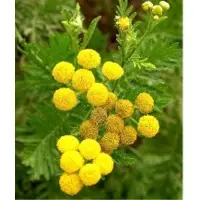
Botanical name: Tanacetum annum
INCI: Tanacetum annum (Tansy) Essential Oil
CAS No: 8002-66-2
EINECS No: 282-006-5
Country of origin: Morocco
Extraction method: Steam Distillation
Part used: Flowers
Color: Bluish green liquid
Gravity: 0.910 - 0.925

Common uses: Blue Tansy like all of the blue essential oils containing the active azulene – is best known for it’s skin care properties. Tansy Blue has a surprisingly sweet scent making it perfect for applications in skin care products and skin therapies

Cautions:
- Contains ketones: not recommended during pregnancy (especially the first 3 months) and breastfeeding.
- Hormonal Action: avoid in some subjects
- Contains ketones: not recommended for young children and patients with epilepsy
VERIFIED
Dec-12-16

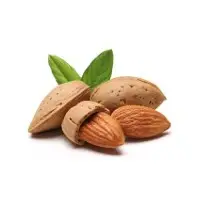
Sweet Almond Oil

MOQ: Not Specified
Supplier From Essaouira, Morocco
 Inquire Now  
Botanical name: Prunus dulcis
INCI:Prunus amygdalus dulcis (Sweet Almond) Oil
CAS No: 8007-69-0
EINECS No: 273-313-5
Country of origin: Morocco
Extraction method: Cold pressed
Part used: kernels
Color: Clear yellow liquid
Odor: Light
Gravity: 0.910-0.920

Specifications:
Fatty Acids:
C16:0 Palmitic: 3.0-9.0
C16:1 Palmitoleic: 2.0 Max
C18:0 Stearic: 4.0 Max
C18:1 Oleic: 60.0-86.0
C18:2 Linoleic: 20.0-30.0
C18:3 Linolenic: 2.0 Max
Common Uses: Excellent as a massage oil, this luxurious oil is also wonderful in soap. Use it in your cold process recipes at 5% and enjoy the moisturizing properties of this light oil. Sweet Almond Oil is renowned for its rich concentration of oleic and linoleic essential fatty acids which help to give it unequalled penetrating and restructuring properties. This oil also makes an unparalleled carrier for salt.
VERIFIED
Dec-12-16
Supplier From Essaouira, Morocco
 Inquire Now  
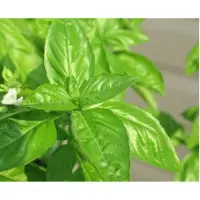
Botanical name: Ocimum basilicum L
INCI: Ocimum basilicum (basil) oil
CAS No: 8015 – 73 - 4
EINECS No: Not allocated
Country of origin: Morocco
Extraction method: Steam Distillation
Part used: Leaves
Color: Pale yellow
Gravity: 0.891 – 0.954

Common uses: Basil oil is a good tonic for the treatment of nervous disorders and stress related headaches, migraines and allergies. It is used to clear the mind and relieve intellectual fatigue, while giving clarity and mental strength. It has a beneficial action on the respiratory tract and is often used for asthma, bronchitis and sinus infections. It furthermore is also effective in cases of constipation, nausea, vomiting and cramp, and is also good when used for menstrual problems.
Due to the emmenagogue properties, it is often used to relieve scanty periods and normalizing menses. It helps to minimize uric acid in the blood, thus relieving gout. It is useful in arthritis as well and when used on the skin, it helps to control acne. In general it refreshes the skin and can also be used on insect bites

Major constituents: The main components of Basil oil are Methyl chavicol (~71%) and Linalool (~20%)
VERIFIED
Dec-12-16
Supplier From Essaouira, Morocco
 Inquire Now  
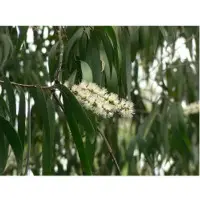
Botanical name: Melaleuca cajeputi
INCI: Melaleuca cajeputi oil
CAS No: 8008-98-8
EINECS No: 281-677-1
Country of origin: Morocco
Extraction method: Steam Distilled
Part used: Leaves and Twigs
Color: Colorless to pale yellow to light green clear liquid.
Gravity: 0.900 – 0.921
Major constituents:
-pinene, b-pinene, myrcene, a-terpinene, limonene, 1,8-cineole, y-terpinene, p-cymene, terpinolene, linalool, terpinen-4-ol and a-terpineol.
Common uses: By promoting sweating, cajuput oil cools down the body and helps with infections such as colds, laryngitis and bronchitis. It is also helpful for asthma, sinusitis and a sore throat. It calms the digestive system, soothes colic, enteritis, dysentery, vomiting. Spasms, arthritis, rheumatism and muscular aches and pains can also benefit from it. Not only does it help with skin conditions such as acne and psoriasis, it is also used to ward off insect bites from lice and fleas.
VERIFIED
Dec-12-16
Supplier From Essaouira, Morocco
 Inquire Now  
Botanical name: Lippia citriadora
INCI: Lippia citriodora leaf/flower oil
CAS No: 8024-12-2
EINECS No: 285-515-0
Country of origin: Morocco
Extraction method: Steam Distilled
Part used: Leaves
Color: Golden yellow transparent liquid
Gravity: 0.886 to 0.920
Major constituents:
Verbenone, linalool, geranial.

Common uses: Verbena essential oil has been used for cramps, indigestion, liver congestion, anxiety, insomnia, nervous tension and stress related conditions. The dried leaves are still used as a popular household tea in Europe as a refreshing, uplifting drink and to restore the liver after a hang-over. It is also popular in France, Europe, and USA in perfumery and citrus colognes
19 Chamomile Oil Suppliers
Short on time? Let Chamomile Oil sellers contact you.
VERIFIED
Dec-12-16
Supplier From Essaouira, Morocco
 Inquire Now  
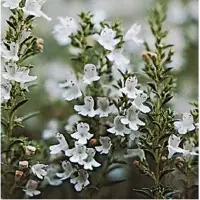
Botanical name: Thymus vulgaris
INCI: Thymus vulgaris (thyme) oil
CAS No: 8007 -46-3
EINECS No: N/F
Country of origin: Morocco
Extraction method: Steam distilled
Part used: Leaves
Color: Pale yellow to green
Gravity: 0.890-0.950
Major constituents: The main chemical components are a-thujone, a-pinene, camphene, b-pinene, p-cymene, a-terpinene, linalool, borneol, b-caryophyllene, thymol and carvacrol.
Common uses: Thyme oil strengthens the nerves, aids memory and concentration, can help with the feeling of exhaustion and combats depression, while it fortifies the lungs and helps with colds, coughs, asthma, laryngitis, sinusitis, catarrh, whooping cough, sore throats and tonsillitis. Thyme oil is beneficial to boost the immune system and can help fight colds, flu, infectious diseases and chills and as a urinary antiseptic, it is very helpful for cystitis and urethritis. The warming effect of this oil can help in cases of poor circulation, as well as for arthritis, rheumatism, gout, muscular aches and pains, sprains and sport injuries. It is also helpful for cellulite, anorexia, obesity and edema and in cases of scanty periods, leucorrhoea, and to speed up birth and to expel afterbirth.
VERIFIED
Dec-12-16
Supplier From Essaouira, Morocco
 Inquire Now  
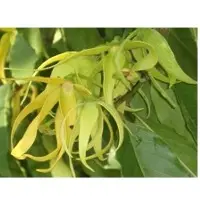
Botanical name: Cananga odorata
INCI: Cananga odorata flower oil
CAS No: 8006 -81-3
EINECS No: N/F
Country of origin: Phillipines
Extraction method: Steam distilled
Part used: Flowers
Color: Golden yellow clear
Gravity: 0.930-0.961
Major constituents: linalool, geranyl acetate, caryophyllene, p-cresyl methyl ether, methyl benzoate, benzyl acetate, benzyl benzoate
Common uses: Ylang-ylang oil has a euphoric and sedative effect on the nervous system and helps with anxiety, tension, shock, fear and panic while the aphrodisiac qualities is useful for impotence and frigidity. It is particularly useful with rapid breathing and rapid heartbeat, it can also help with reducing high blood pressure and useful for intestinal infections. On the skin, ylang-ylang oil has a soothing effect and its balancing action sorts out over-dry as well as overly-oily skin by balancing the secretion of sebum, and has a stimulating effect on the scalp which promotes more luxurious hair growth..
VERIFIED
Dec-12-16
Supplier From Essaouira, Morocco
 Inquire Now  
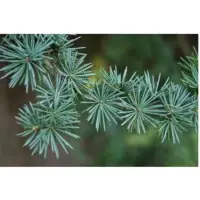
Botanical name: Cedrus atlantica
INCI: Cedrus atlantica (Atlas Cedar) Wood Oil
CAS No: 8000-27-9
EINECS No: FEMA: 8023-85-6 FDA: 295-985-9
Country of origin: Morocco
Extraction method: Steam Distillation
Part used: Wood and sawdust
Color: Golden yellow to orange-brown liquid
Gravity: 0.910 0.939
Major constituents: -Himalachenes: Min 29 52% -Himalachenes: Min 7 20% Methyl eugenol: Max 0.4%
Common uses: Air purifier, coughs, dandruff, dry skin, fungal infections, insect repellant, nervous tension, rashes, rheumatism, ulcers. Cedarwood is a good addition to a hair tonic, and gives the aroma a long lasting undertone.The soft delicate fragrance of Atlas Cedar Essential Oil has long been used in perfumery where it offers a cost effective way to bring a softness, and slight sweet note, to any blend. A great addition to sweet, floral, and woody blends.
VERIFIED
Dec-12-16
Supplier From Essaouira, Morocco
 Inquire Now  
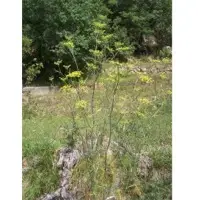
Botanical name: Foeniculum Vulgare Dulce
INCI: Foeniculum vulgare (fennel) oil
CAS No: 8006-84-6
EINECS No: 282-892-3
Country of origin: Morocco
Extraction method: Steam Distilled
Part used: Seeds
Color: Clear, colorless to pale yellow liquid.
Gravity:0.953 – 0.973
Major constituents:
Anethol, fenchone, d-pinene, phellandrene, anisic acid, anisic aldehyde, limonene, estrogole isafrole
Common uses: Fennel oil is a remedy for digestive complaints such as flatulence, constipation, colic, nausea, vomiting, anorexia, dyspepsia and hiccups. It is also used in cases of obesity, as it promotes that 'full feeling' and has a diuretic effect that helps to disperse cellulite. For the mind, it adds courage and strength in the face of adversity. It has a cleansing and toning effect on the skin, helping with bruises, sorting out overly oily skin and to fight wrinkles in more mature complexions (possibly due to the estrogenic properties of the oil). It has a toning effect on the spleen and liver, that helps with the results of excess drink and food. It is also used for increasing insufficient milk in nursing mothers - but for boosting breast milk, rather use the fresh herb, since the oil contains very high concentrations of trans-anethole.
VERIFIED
Dec-12-16
Supplier From Essaouira, Morocco
 Inquire Now  
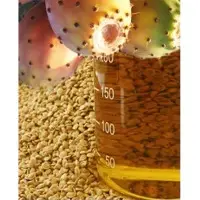
Botanical name: opuntia ficus indica
INCI: Opuntia Ficus-Indica Seed Oil
CAS No: 90082-21-6
EINECS No: 290-109-1
Country of origin: Morocco
Extraction method: Cold pressed
Part used: Seeds
Color: Yellow-green viscous liquid
Odor: Light
Gravity: 0.908-0.918

Specifications:
Fatty Acids:
- Palmitic acid C16:0 11, 56%
- Palmitoleic acid C16:1 0, 62%
- Stearic acid C18:0 3, 22%
- Oleic acid C18:1 22, 11%
- Linoleic acid C18:2 61, 88%
- Linolenic acid C18:3 0, 18%
Peroxyd value: - 5.0
Free acidity expressed by oleic acid: - 1
Common Uses: The high tocopherol content makes it a potent antioxidant. It improves skin elasticity and is an effective addition to anti-aging formulations. It acts as a powerful moisturizer and leaves the skin feeling velvety soft. Prickly Pear Seed Oil can also be used to moisturize dry and damaged hair and to restore the health of nails and cuticles.
VERIFIED
Dec-12-16
Supplier From Essaouira, Morocco
 Inquire Now  
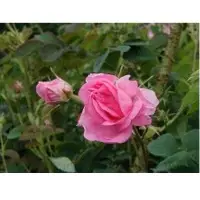
Botanical name: Rosa damascena
INCI: Rosa damascena p. mill. (flower) oil
CAS No: 90106-38-0
EINECS No: 290-260-3
Country of origin: Morocco
Extraction method: Steam Distilled
Part used: Flowers
Color: Pale yellow
Gravity: 0.850 – 0.870
Major constituents:
Ethanol,citronellol,Nerol,Geraniol,Phenyl Ethyl Alcohol,Methyl eugenol.
Common uses: Damask rose oil soothes and harmonizes the mind and helps with depression, anger, grief, fear, nervous tension and stress and at the same time addresses sexuality, self-nurturing, self esteem and dealing with emotional problems. It is most helpful for poor circulation and heart problems, which would include heart palpitations, arrhythmia as well as high blood pressure and is also used to boost the liver and gall bladder. For the respiratory system Damask rose oil assists in cases of asthma, coughs and hay fever, and in the digestive system for liver congestion and nausea. Rose otto oil has a clearing, cleansing, regulating and purifying effect on the female sex organs and can be used for regulating and balancing hormones, irregular menstruation, functional infertility, leucorrhoea, menorrhagia, uterine bleeding and other uterine disorders, while having a general toning effect on the uterus. On the skin it is most effective for moisturizing and hydrating the skin, while having a general stimulant and antiseptic action, which is good for all skin types, but especially so for dry, mature and irritated skin. It is used to repair broken capillaries, inflammation as well as skin redness and is useful in eczema and herpes. Rose water can be used for conjunctivitis.
VERIFIED
Dec-12-16
Supplier From Essaouira, Morocco
 Inquire Now  
Botanical name: Citrus aurantium
INCI: Citrus aurantium amara (orange) leaf oil
CAS No: 8014 -17-3
EINECS No: 277-143-2
Country of origin: Morocco
Extraction method: Steam distillation
Part used: Leaves and twigs
Color: Pale yellow
Gravity: 0.889-0.893
Major constituents: geraniol, linalool, nerol, y-terpineol, geranyl acetate, linalyl acetate, myrcene, neryl acetate and trans-ocimene.
Common uses: Petitgrain oil can help with nervous exhaustion and stress-related conditions and in particular anger and panic. It calms and soothes the mind, while relaxing the body, easing breathing, reducing rapid heart beat, relaxing muscle spasms and stomach pains. It is great oil to use for convalescing after an illness and also for insomnia and helps to clear up a greasy skin, acne and excessive perspiration, while toning the skin.
VERIFIED
Dec-12-16
 Inquire Now  
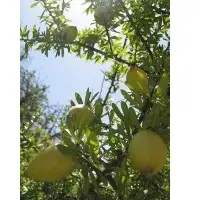
Botanical name: argania spinosa
INCI: Argania spinosa kernel oil
CAS No: 223747-87-3
EINECS No: 273-313-5
Country of origin: Morocco
Extraction method: Cold pressed
Part used: Kernels
Color: Clear golden liquid
Odor: Light
Gravity: 0.91 - 0.92
Specifications:
Fatty Acids: - Oleic - 42-48% Palmitic, 12-16 %, Linoleic 30-38% Linolenic-less than 0.6%, Stearic 5-6%,
Peroxyd value: - 3.0
Free acidity expressed by oleic acid: - 0.8
Grade: Virgin organic argan oil cold pressed for Therapeutic/Cosmetic use only

Benefits :
Regenerates the skin by restarting vital functions of cells to prevent early skin aging due to external stresses such as sun, weather, stress, smoking.
Reduces blemishes and slows down the appearance of wrinkles.
Neutralizing free radicals.
Helps protect skin elasticity. Moisturises dry skin.
Reduces visible scars left by acne or chicken pox. Can reduces acne and skin inflammation .
Restores the shine of dull, lifeless hair.
Promotes scalp care to advance hair growth & prevent split ends.
Elevate skin condition like psoriasis and eczema.
Soothes rheumatism & arthritis pain.

Common Uses: argan oil is used for massage, facials and as an ingredient in anti-aging cream and even aftershave lotion for men. Argan Oil can also be used to nourish the hair making it shiny and healthy looking.
VERIFIED
Dec-14-16

Refined Olive Oil

$9
MOQ: 180  Inches
Sample Available
Supplier From Essaouira, Morocco
 Inquire Now  
Olive Oil is high in oleic acid and is a good skin cell regenerator. It is traditionally included within soap, cream, balm, body butter, herbal infusion and hair care formulations. Olive Oil attracts external moisture to the skin and still permits the skin to properly release sweat, shed dead skin and release sebum. It is a good oil for inclusion in massage oil formulations and it helps to sooth inflamed skin. Within soap making applications, soap makers often prefer Grade A Olive Oil to pomace because the high percentage of unsaponifiables in pomace can cause it to saponify too quickly or overreact with other ingredients such as fragrance and essential oils. Olive Oil will also give you a whiter bar than pomace.
VERIFIED
Dec-12-16

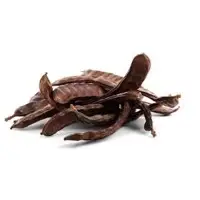
Carob Fruit

MOQ: Not Specified
Supplier From Essaouira, Morocco
 Inquire Now  
Carob is an evergreen flowering shrub, belonging to the pea family. Native to the Mediterranean region, carob is cultivated for its edible seeds. It is found in its natural form in Southern Anatolia, Cyprus, Syria, Greece, Spain, Morocco, Tunisia, Algeria and Libya. Consumed since ancient times, it is also known as Saint John’s Bread or locust bean. The dried carob fruit is traditionally consumed on Jewish holidays and the juice is taken by Muslims, during the Islamic month of Ramadan. It is used as a substitute in making various products such as baked goods, bars, snacks, cereal, dairy products, cocoa-containing products and beverages

Nutrition and Health Benefits of Eating Carob
Carob tannins contain Gallic acid that works as an analgesic, anti-allergic, antibacterial, antioxidant, antiviral and antiseptic.
Carob improves digestion and lowers cholesterol level in the blood.
It is used for treating diarrhea in children and adults alike.
Since it does not contain caffeine, carob benefits people with high blood pressure.
Regular use of carob helps in preventing lung cancer.
The vitamin E content in carob helps in treating cough, flu, anemia and osteoclasis.
The Gallic acid in carob helps in preventing and treating polio in children.
Carob fights against osteoporosis, due to its richness in phosphorus and calcium.
Carob pod husks are chewed by singers to clear the voice and throat.
VERIFIED
Dec-12-16

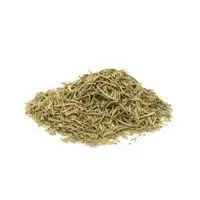
Rosemary Leaf

MOQ: Not Specified
Supplier From Essaouira, Morocco
 Inquire Now  
Rosemary is an aromatic member of the mint family native to the Mediterranean region where it is utilized as a treasured culinary spice. It is a flowering evergreen, producing thin, needle-like leaves which are harvested for food or medicine. Rosemary plants are commonly cultivated and easily grown in many household gardens. They can grow prolifically and prefer full sun and well-drained soil, but can also thrive in pots on the windowsill.

There are many cultivators of rosemary worldwide, each with unique growth and flowering characteristics. Nevertheless, the flavor of rosemary is not highly variable and makes an excellent addition to many traditional dishes.

Rosemary adds a delightful flavor to cuisine all across the world. The younger leaves are preferred for a sweeter flavor, standing up well to cooking, even at high temperatures. The smell of rosemary is piney and fresh; familiar but also distinctive. It is baked into breads and crackers, and is classically used as a rub for pork and lamb.

Rosemary leaves and essential oil are used in herbal medicine. Food manufacturers add rosemary to meats and sauces as an antioxidant and stabilizer. The herb is also used to make liqueurs, such as Benedictine and Danziger Goldwasser.

Medicinally, rosemary is approved by the German Commission E to support healthy digestion. It is also approved externally for healthy circulation and alleviation of joint pain. The oil is frequently used for aromatherapy, and has been shown to enhance alertness.
May-03-12

Argan Oil

MOQ: Not Specified
Supplier From Essaouira, Morocco
 Inquire Now  
We are argan oil supplier from southern city of morocco essaouira, we offer a high quality extra virgin organic argan oil , the extra virgin argan oil, is the highest quality level of argan oil,
An oil whose free acidity expressed by oleic acid does not exceed 0, 8g for each 100g of oil
Our oil is made by high quality raw material with no unpleasant smell.


White plastic drums of 20liter each.
VERIFIED
Sep-29-16
Supplier From Essaouira, Morocco
 Inquire Now
May-01-12
Supplier From Essaouira, Morocco
 Inquire Now
19 Chamomile Oil Suppliers
Short on time? Let Chamomile Oil sellers contact you.
Explore Chamomile Oil related import export discussions