Please click here to check who's online and chat with them.

Find Verified Bulk Herbal Products Suppliers, Manufacturers and Wholesalers

Top Supplier Cities : -   Mumbai   New Delhi  
GOLD Member
VERIFIED
Jan-13-20
Supplier From Mumbai, Maharashtra, India
 Inquire Now  
Society Tea, Master Blenders of fine teas since 1933, now bring to you an exquisite range of premium herbal teas. Aptly called Select, the blend has carefully selected ingredients from the foothills of Himalayas. Enjoy in every sip the goodness off green tea, stimulating mint.
GOLD Member
VERIFIED
Aug-01-26

Premium Organic Edible Flaxseeds Bulk Supply, Food Grade

$0.80 - $2.50 / Kilogram (FOB)
MOQ: 20  Metric Tonnes
Sample Available
Supplier From Mumbai, Maharastra, India
 Inquire Now  
Premium Flaxseeds, also known as Linseeds, are nutrient-rich edible seeds sourced from high-quality flax plants. They are naturally rich in omega-3 fatty acids, dietary fiber, protein, and essential minerals. Available in brown and golden varieties, our flaxseeds are cleaned, graded, and processed under strict quality standards. Suitable for food manufacturers, health product companies, and bulk buyers, they are widely used in bakery products, nutritional supplements, cereals, oils, and animal feed applications.

Key Specifications:

Product Name: Flaxseeds / Linseeds
Type: Brown Flaxseed / Golden Flaxseed
Form: Whole Seeds / Ground Powder
Moisture: Max 8 - 10%
Purity: 98 - 99%
Oil Content: Approx. 35 - 45%
Protein Content: Approx. 18 - 25%
Packaging: Bulk & customized options available
Shelf Life: 12 - 24 months (under proper storage)
Aug-23-19

Herbal Oils

MOQ: Not Specified
Supplier From Mumbai, Maharashtra, India
 Inquire Now  
The Benefits of Ayurvedic Oils

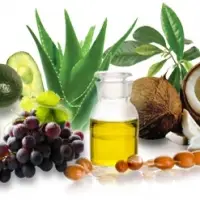
Ayurvedic oil has been relied upon for thousands of years as a fundamental part of Ayurveda., Oil is traditionally used in Ayurvedic healing in a variety of ways including raw consumption,, cooking, massage, bathing, gargling, basti (colon nourishment) and nasya (nasal passage, nourishment).

Two basic categories of Ayurvedic oil:

Base oil Pure, whole, organic oil from a natural source (such as sesame, almond, coconut, or
sunflower)

Herbal oil A base oil infused with a decoction of one or more Ayurvedic herbs combining the
nourishing and soothing qualities of the oil with the healing properties of the herbs.

Ayurvedic oil is calming, soothing, moistening and lubricating. Furthermore, the word for oil in, Sanskrit sneha is also a word for love, and therefore holds a special place in the Ayurvedic, tradition as the ultimate nourisher and carrier of love. Ayurvedic oil transmits these qualities, deep into the tissues of the body.

Herbal Craft Group offers these pure, unrefined, and certified organic
base Ayurvedic oils :
Ashwagandha oil(nourishing & strengthening supp ort)
Bhringraj oil (healthy hair & calm sleep support)
Bramhi oil(Coconut)(mental awareness & clarity support)
Bramhi oil(Sesame)(mental awareness & clarity support)
Mahanarayana oil(muscle & joint support)
Neem Oil (cooling support)
Babchi Oil (skin nourishment)
Black seed Oil (immunity development)
Daily Massage Oil (for all body types)
Healthy Hair Oil (nourishing for all hair types)
Sleep Easy Oil (supports deep restful sleep)
Shirodhara Oil (calming, nurturing, uplifting)
Nasya Oil (nasal passageway support)
v
Aug-23-19

Herbal Seeds

MOQ: Not Specified
Supplier From Mumbai, Maharashtra, India
 Inquire Now  
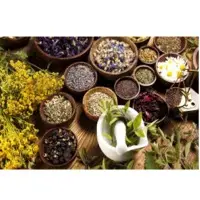
Herbal seeds have great benefits for your body. We provide top quality seeds for your herbal needs. The seeds are widely used for making herbal medicines, tinctures, oils etc.
Mar-28-24

Herbal Products

MOQ: as per requirement  
Supplier From Mumbai, Maharashtra, India
 Inquire Now  
Hello Sir/ Madam ,
Greetings!

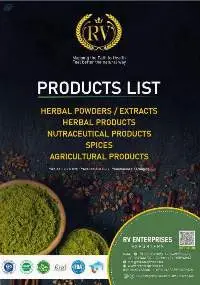
Introducing RV Enterprises , Exporters of Herbal powders/ Extracts, Herbal products, Nutraceutical products , Spices & Agricultural products.
We expertise in Herbals & Nutraceutical products. We serve wide range of natural products for betterment of health.

Our Assurance :
1. Trust
2. Best Quality
3. Timely delivery
4. Best price
5. Sustainable relationship

All the products are with benefits of active ingredients from natural flora :-
1. 100% natural , 0% chemicals , No added colors and fragrances
2. No pesticides, No adulterations
3. All products prepared in GMP certified facility
Certifications like GMP, HALAL, ISO, FSSAI etc. are available and as per country requirement

*Available in B2B , B2C , Bulk and customized packaging

We serve range of Herbal powders & standardized extracts used for :
1. Hair care
2. Skin care
3. Health supplements
4. Range of Single ingredient capsules/ tablets

Herbal products like :
1. Aloe vera gel / creams
2. Rose water
3. Hair oils
4. Pain oil

Nutraceutical products like :
1. Calcium & Vitamin D Chewable tablets (Different flavours) and many other products too

Indian Spices in whole and powder form , Agricultural products such as millets, grains , peas etc. are available.

Please find attached product list for the ready reference.

In case of any queries / enquires , please free to contact us. We are available 24 x 7 for our customers.

Thanks & Regards,
Ms. Saptashree Sarkar
RV Enterprises (Exports)
2201 Bulk Herbal Products Suppliers
Short on time? Let Bulk Herbal Products sellers contact you.
Sep-24-16

Ayurvedic And Herbal Products

$1
MOQ: 20  Meters
Sample Available
Supplier From Mumbai, Maharashtra, India
Supplier Of Herbal Products   |   White Pepper   |   Nutmeg   |   Oils   |   Onion   |   Tomato   |   Garlic   |   Ginger   |   Carrot   |   Pumpkin   |   Basil   |   Lemon   |   Tangerine   |   Coffee Oil   |   Turmeric Oil
 Inquire Now  
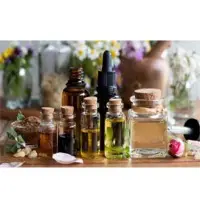
We offer a wide range of essential & aromatic oils such as agar wood oil, Ajwain oil, almond oil, aloe vera oil, ambrette seed oil, amla oil, aniseed oil, anti cellulite oil, apple oil, apricot oil, armoise oil, aromatherapy essential oils, attar oil, balsam oil, basil oil, bay leaf oils, betel leaf oil, bitter orange oil, camphor oil, caraway oil, cardamom oil, carrot seed oil, cashew nut oil, cassia oil, cedar leaf oil, cedar wood oil, chironji oil, cinnamon oils, clove leaf oil, clove oil, cocoa absolute oil, coconut oil, coffee oil, coriander oil, cumin oil, curry leaf essential oil, cypress oil, dill seed oil, eucalyptus oil, fennel oil, flaxseed oil, flower oils, fruit oils, garlic oil, geranium oil, ginger grass oil, ginger lily oil, ginger oil, grape seed oil, grapefruit oil, jasmine oil, jojoba oil, kalonji oil, kewra oil, khus (vetiver), lavender oil, lemon oil, lemongrass oil, lime oil, menthol oil, mint oil, mogra absolute oil, musk oil, natural essential oil, neem oil, nutmeg oil, olive oil, onion oil, orange oil, oregano essential oil, palmarosa oil, parsley oil, peanut oil, peppermint oil, pine oil, pomegranate oil, primrose oil, pumpkin seed oil, rapeseed oil, rose oil, rosemary oil, rosewood oil, saffron oil, sandalwood oil, sesame seed oil, soya bean oil, spearmint oil, star anise oil, tangerine oil, tea tree oils, thyme oil, tolu balsam oil, tomato seed oil, turmeric oil, vanilla oil, vetiver essential oil, walnut oils, watermelon seed oil, white ginger lilly absolute oil, white pepper oil, yara yara oil and ylang ylang oil many more.
Aug-07-24
 Inquire Now  
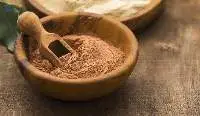
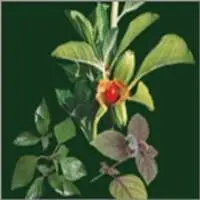
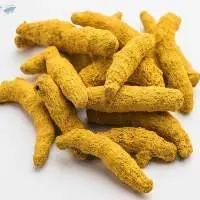
Arka Botanicals is a unique wellness brand on a mission to Heal the World Our advanced researched formulation of ayurveda herbs are pure natural herbal chemical free Our products are natural have no side effects and so many side benefits which will ensure longevity with a happy and healthy life

Organic Aloe Vera Leaves Powder
Organic Amla Powder
Organic Aritha Powder
Organic Arjuna Powder
Organic Ashoka Powder
Organic Ashwagandha Powder
Organic Bhringraj Powder
Organic Brahmi Powder
Organic Cinnamon Powder
Organic Fenugreek Powder
Organic Ginger Powder
Organic Gokharu Powder
Organic Gotu Kola Powder
Organic Haritaki Powder
Organic Henna Powder
Organic Hibiscus Powder
Organic Indigo Powder
Organic Licorice Root Powder
Organic Manjistha Powder
Organic Moringa Leaves Powder
Organic Neem Leaves Powder
Organic Psyllium Husk Powder
Organic Rose Petals Powder
Organic Senna Leaves Powder
Organic Shatavari Powder
Organic Shikakai Powder
Organic Triphala Powder
Organic Turmeric Powder
Organic Vibhitaki Powder
Organic Wheatgrass Powder
Jul-04-16
Supplier From Mumbai, Maharashtra, India
 Inquire Now  
A concentrated oil containing aromatic compounds from a plant. Essential oils are responsible for the scent of the plant and are most often found in the flowers and leaves.Essential oils are used in aromatherapy, massage therapy and in other alternative therapies and can also be found in products such as soaps, lotions, bath salts and candles.
Jul-06-18
 Inquire Now  
Denier : 75/2, 110/2, 150/2, 70/1, 110/1.

Batch Size : 1 kg, 5 kg, 20 kg, 80 kg, 110 kg, 160 kg, 200 kg, 275 kg, 375 kg, 400 kg.
Jul-06-18
 Inquire Now  
Denier : 75/2, 110/2, 150/2, 70/1, 110/1.

Batch Size : 1kg, 2kg, 5kg, 20kg, 80kg, 110kg, 160kg, 200kg, 275kg, 375kg, 400kg.
VERIFIED
May-27-23

Fibc / Jumbo Bags / Bulk Bags / Super Sack

$1.68 - $6.50
MOQ: 5000  Pieces
Sample Available
Supplier From Mumbai, Maharashtra, India
 Inquire Now  
Core Consumables is a premium ISO-certified polypropylene FIBC manufacturer providing superior quality bulk bags made as per client requirements.

Why buy from us:
- USD 1.68 - 6.5 per FIBC depending on specifications.
- Made from high-quality woven polypropylene.
- Exceptional versatility, strength, and reliability to ensure safe and efficient handling of bulk materials.
- Customizable options as per client needs.
- Strong supply chain set-up to ensure timely delivery.
- SWL: 1000kg to 2500kg, SF - 5:1 and 6:1. Single and multiple-use bags.

Contact us today to discuss your requirements.
GOLD Member
VERIFIED
Sep-15-26
GOLD Member
Apr-06-18

Premium Quality Export Grade Bentonite, A

$230 - $300 / Metric Ton (DDP)
MOQ: 100  Metric Tonnes
Sample Available
Supplier From Mumbai, Maharashtra, India
 Inquire Now  
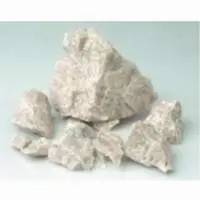
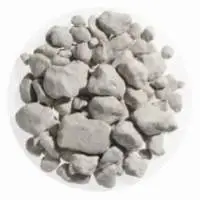
Bentonite:

Buyers can contact us to avail Bentonite, used for the carrier application of liquid Pesticides and Micro-nutrients. Bentonite Blank Granules are coated with biologically derived ingredients, which are resistant to harmful effects of Ultra-violet radiations of sunlight, become active when they get favorable tropical conditions. Bentonite activate the microbial life within the soil and encourages soil microbes to play an active role. Bentonite loosens light soil enhancing thereby its water retention capacity and increase the efficiency of fertilizer. Bentonite turn saline soil into neutral and helps to increase the dark color of the leaves enhancing thereby Photosynthesis process which ultimately increases the yield of the crops. We, being a reputed Bentonite Exporter, ensure standard packaging and systematic delivery of Bentonite.

Applications:

- Bentonite Blank Granules plays very important role in pesticide formulations.

- It acts as carrier for various liquid pesticides and the easiest and safest way of pesticides applications. During application, granules are less subject to drift than in the case with dusting and spray.

- It can be applied even in condition of wind.
GOLD Member
Apr-06-18

Premium Export Grade Potash Feldspar, A

$1 - $2 / Kilogram (FOB)
MOQ: 100  Metric Tonnes
Sample Available
Supplier From Mumbai, Maharashtra, India
 Inquire Now  
Potash Feldspar:

We have come up as a dependable firm bringing forth Potash Feldspar all over the world. Based in India, we are exporting Potash Feldspar in varied quantity packs. Potash Feldspar are processed and are used for varied industrial applications. Further, we keeping in mind the budget constraints in mind, we offer Potash Feldspar at the market leading prices.

About Feldspar:
Feldspar is non-plastic Potassium or Sodium Alumino silicate mineral represented as KAlSi38or NaAlSi38. Feldspar is used generally for the following purposes :

Ceramic Manufacturing formulations : In making the body composition of several types of ceramics and in preparation of glazes and enamel, Glass Manufacturing and Abrasive Manufacturing.

It is used along with Ball Clay, Kaolin and quartz for tiles and sanitary Wares manufacturing. The presence of iron even in small quantity tends to impart coloration.
GOLD Member
Apr-06-18

Premium Quality Export Grade Ball Clay, S

$1 - $2 / Metric Ton (DDP)
MOQ: 100  Metric Tonnes
Sample Available
Supplier From Mumbai, Maharashtra, India
 Inquire Now  
Ball Clay:

A member of kaolinite family, Ball Clay is renowned for its plasticity and green strength. They consists varying proportions of kaolinite, mica and quartz, with small amounts of organic matter and other minerals, and are commercially values because they increase the workability and strength of various ceramic bodies and have white or near white firing characteristics. Ball clay is processed to minimize the levels of coarse particles. This enhances better workability and higher strength.

Applications :
It forms a major part of many ceramic applications, including sanitary ware, tiles, table wares and to an increasing extent non-ceramic applications like functional fillers and advanced application for example technical ceramics.
GOLD Member
Jul-25-17
 Inquire Now  
Paprika is a spice made from the grinding of dried fruits of Capsicum annuum (e.g., bell peppers or chili peppers). In many European languages, the word paprika refers to bell peppers themselves. The seasoning is used in many cuisines to add color and flavor to dishes. Paprika can range from sweet (mild, not hot) to spicy (hot). Flavors also vary from country to country.
Usage
Paprika is used as an ingredient in a broad variety of dishes throughout the world. Paprika is principally used to season and color rices, stews, and soups, such as goulash, and in the preparation of sausages as an ingredient that is mixed with meats and other spices.
Paprika can also be used with henna to bring a reddish tint to hair when coloring it. Paprika powder can be added to henna powder when prepared at home.
Paprika is also high in other antioxidants, containing about 10% of the level found in berries. Prevalence of nutrients, however, must be balanced against quantities ingested, which are generally negligible for spices.
Paprika oleoresin (also known as paprika extract) is an oil soluble extract from the fruits of Capsicum Annum Linn or Capsicum Frutescens(Indian red chillies), and is primarily used as a colouring and/or flavouring in food products. ...
Oleoresin Paprika is produced by the extraction of lipids and pigments from the pods of sweet red pepper, Capsicum Annuum L. Grown in temperate climates. An oil soluble extract with it is widely used in processed foods such as sausage, dressings, dry soluble seasonings, food coatings, and snack food seasonings.
Paprika Oleoresin, obtained from Capsicum, is a natural dye used as a colorant and a flavor enhancer in foods, meats and pharmaceuticals. It is obtained by percolation with a volatile solvent which should be removed subsequently, such as acetone, trichloroethylene, 2-propanol, methanol, ethanol and hexane. Capsaicin is the major flavouring compound, whereas capsanthin and capsorubin are major colouring compounds among variety of coloured compounds present in Paprika Oleoresin.
Uses
Foods coloured with paprika oleoresin include cheese, orange juice, spice mixtures, sauces, sweets and emulsified processed meats. In poultry feed it is used to deepen the colour of egg yolks.
GOLD Member
Jul-25-17
 Inquire Now  
PARSLEY (Petroselinum sativum/crispum - Umbelliferae)
Parsley is a hardy biennial herb which is native to the eastern Mediterranean. It is thought to have originated in Sardinia, but records show that seeds were imported to Britain from Sardinia in 1548; the plant had already been introduced to northern Europe by the Romans. There are several varieties of the herb. The curly leaved or moss-curled is the one most familiar in Britain as a garnish. The plain- or flat-leaved, continental parsley has heavily divided leaves, but they are not so curly; this is the plant which can be confused with another, Aethusa cynapium or fool's parsley, which is poisonous. Less familiar is the Neapolitan parsley from southern Italy which has thick stalks, eaten in Italy like celery (and, in fact, its French name is 'persil aux jeuilles de cileri'). All parsleys have carrot-shaped roots which can be eaten, but the Hamburg parsley (P. fusiformis) has been developed for its roots rather than its leaves. The common parsleys have dark green leaves, pale yellow-green flowers in umbels, followed by fruit seeds.

The name petroselinum comes from the Greek for rock celery, referring to the natural habitat of the plant. Interestingly, selinum is thought to be the same as selinon, the Greek name for celery; the Romans called parsley 'apium', also the botanical name for celery; and French fool's parsley is called ache des chiens, ache also once a name for wild celery. Celery also belongs to the Umbelliferae family, and possibly there have been confusions over the years.

The Ancient Egyptians used parsley, as did the Greeks, who crowned victorious soldiers with wreaths of it. Hercules did this after killing the Nemean lion, and thereafter victors in the Nemean and Isthmian games would do the same. They believed that parsley had grown from the blood of a hero, Archemorus, and Homer tells of a victory won by charioteers whose horses had renewed vigour after eating parsley. Parsley grew on Circe's lawn in the Odyssey.
Pliny said that no sauce or salad should be without parsley, as did Galen, and both Pliny and Dioscorides thought of it as a diuretic and emmenagogue. Apicius sang its praises too. The Byzantines used it as a diuretic and made a strong infusion to help kidney stones. Charlemagne ordered that it be cultivated in the imperial gardens as a vegetable, and it was eaten at every meal. It also found a place in monastic gardens at this time.

More recently, in the nineteenth century research was done on the emmenagogic properties of a constituent of the oil, apiol, by Professor Galligo, and doctors de Poggeschi and Marrotte. These were later confirmed by Dr Leclerc, proving to be truly efficaceous in treating cases of menstrual problems, particularly pain.
GOLD Member
Jul-25-17
 Inquire Now  
Salvia officinalis (Garden sage, Common sage) is a small perennial evergreen subshrub, with woody stems, grayish leaves, and blue to purplish flowers. It is a member of the family Lamiaceae and is native to the Mediterranean region, though it has naturalized in many places throughout the world. It has a long history of medicinal and culinary use, and in modern times as an ornamental garden plant. The common name "Sage" is also used for a number of related and unrelated species.
Cultivars are quite variable in size, leaf and flower color, and foliage pattern, with many variegated leaf types. The Old World type grows to approximately 2 ft (0.61 m) tall and wide, with lavender flowers most common, though they can also be white, pink, or purple. The plant flowers in late spring or summer. The leaves are oblong, ranging in size up to 2.5 in (6.4 cm) long by 1 in (2.5 cm) wide. Leaves are grey-green, rugose on the upper side, and nearly white underneath due to the many short soft hairs. Modern cultivars include leaves with purple, rose, cream, and yellow in many variegated combinations.
Sage is a silvery-green plant with leaves that offer a memorable fragrant. The most common variety of sage was first found growing in regions around the Mediterranean but now grows in regions of North America as well. The leaves of the sage herb serve both medicinal and culinary purposes.
For thousands of years sage has been used for a variety of culinary and medicinal purposes. It has been used in connection with sprains, swelling, ulcers, and bleeding. As a tea, sage has been administered for sore throats and coughs. Herbalists have also used this herb for rheumatism, menstrual bleeding, strengthening the nervous system, improving memory, and sharpening the senses.
GOLD Member
Jul-25-17
 Inquire Now  
Oregano - scientifically named Origanum vulgare by Carolus Linnaeus – is a common species of Origanum, a genus of the mint family (Lamiaceae). It is native to warm-temperate western and south western Eurasia and the Mediterranean region.
Oregano is a perennial herb, growing from 20–80 cm tall, with opposite leaves 1- 4 cm long. The flowers are purple, 3–4 mm long, produced in erect spikes. It is sometimes called Wild Marjoram, and its close relative O. majoramum is then known as "Sweet Marjoram".

Uses
Culinary
Dried oregano for culinary use.
Oregano growing in a field.

Oregano is an important culinary herb. It is particularly widely used in Turkish, Greek, Portuguese, Spanish, Latin American, and Italian cuisine. It is the leaves that are used in cooking, and the dried herb is often more flavourful than the fresh. [2]
Oregano [3] is often used in tomato sauces, fried vegetables, and grilled meat. Together with basil, it contributes much to the distinctive character of many Italian dishes.
It is commonly used by local chefs in southern Philippines when boiling carabao or cow meat to eliminate the odor of the meat, and to add a nice, spicy flavor.
Oregano combines nicely with pickled olives, capers, and lovage leaves. Unlike most Italian herbs, [citation needed] oregano works with hot and spicy food, which is popular in southern Italy.
Oregano is an indispensable ingredient in Greek cuisine. Oregano adds flavor to Greek salad and is usually added to the lemon-olive oil sauce that accompanies many fish or meat barbecues and some casseroles.
In Turkish Cuisine, oregano is mostly used for flavoring meat, especially for mutton and lamb. In barbecue and kebab restaurants, it can be usually found on table, together with paprika, salt and pepper.


Oregano growing in a pot.
It has an aromatic, warm and slightly bitter taste. It varies in intensity; good quality oregano is so strong that it almost numbs the tongue, but the cultivars adapted to colder climates have often unsatisfactory flavor. The influence of climate, season and soil on the composition of the essential oil is greater than the difference between the various species.
The related species Origanum onites (Greece, Turkey) and O. heracleoticum (Italy, Balkan Peninsula, West Asia) have similar flavors. A closely related plant is marjoram from Turkey, which, however, differs significantly in taste, because phenolic compounds are missing in its essential oil. Some breeds show a flavor intermediate between oregano and marjoram.
GOLD Member
Jul-25-17
 Inquire Now  
Juniperus communis

Fam: Cupressaceae
Juniper is widely distributed throughout the northern hemisphere and its birthplace is obscure. It is found in Europe, North Africa, North America and northern Asia. The main commercial producers are Hungary and southern Europe, especially Italy. The berries were known to Greek, Roman and early Arab physicians as a medicinal fruit and are mentioned in the Bible. In the Renaissance, they were recommended against snake bite, and plague and pestilence. Because of its air-cleansing piney fragrance, the foliage was used as a strewing herb to freshen stale air and the Swiss burned the berries with heating fuel in winter to sanitize stale air. Gin, the alcoholic drink that gets its unique flavour from juniper berries, is named from an adaptation of the Dutch word for juniper, "geneva".
Spice Description

Initially hard and pale green, juniper berries ripen to blue-black, become fleshy and contain three sticky, hard, brown seeds. When dried, the berries remain soft but if broken open one will find the pith surrounding the seeds is easily crumbled.
Bouquet: Fragrant and flowery, combining the aromas of gin and turpentine.
Flavour:Aromatic, bittersweet and piny.
Hotness Scale: 1
Preparation and Storage

Juniper berries are at their best when they are still moist and soft to the touch, squashing fairly easily between one's fingers. It is possible to make a purée from juniper berries or to extract the flavour and aroma by macerating them in hot water, but as all parts are edible and the texture is agreeable, it is usually just as well to use the entire fruit, split or crushed. The berries are quite powerful, one heaped teaspoon of crushed fruits serving for a dish for four people. Store in a cool place in an airtight container.
Culinary Uses
Juniper berries perform a quite unique role, by contributing as much to the character of food through their 'freshening' ability, as they do by way of their specific taste profile. As well as flavouring a dish, juniper cuts the gaminess of game, reduces the fatty effect of duck and pork and perks up a bread stuffing. The strong hearty flavour of juniper goes well with strong meats, such as game. Pork chops, roast leg of lamb, veal, rabbit, venison and wild boar are all enlivened with a hint of juniper. Juniper berries blend well with other herbs and spices, especially thyme, sage, oregano, marjoram, bay leaves, allspice and onions and garlic. One application I am particularly fond of is in a simple chicken casserole, It can effectively be added to wine marinades for meats, and is used with coriander in smoking meat. It seasons pâtés and sauces and in Sweden. Goulash and Sauerkraut often feature a juniper taste, as do some home-pickled meats like salt beef, salt pork and ham. Generally juniper can well be used in any dish requiring alcohol. Fruit dishes, such as apple tart and pickled peaches, also harmonize with this flavour.
2201 Bulk Herbal Products Suppliers
Short on time? Let Bulk Herbal Products sellers contact you.
Explore Bulk Herbal Products related import export discussions