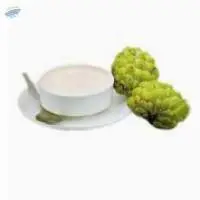
Pineapple Pulp - Natural (450gm). Delight in the tropical essence of natural pineapple pulp, crafted from the finest pineapples to ensure exceptional quality. Perfect for making refreshing pineapple juice, vibrant smoothies, luscious desserts, and tangy sauces, this pulp offers a versatile ingredient for various culinary applications. Rich in authentic pineapple flavor, it adds a tropical touch to your recipes, making them more delightful. Enjoy the goodness of pineapple pulp, pineapple juice pulp, and fresh pineapple for a taste of nature in every bite
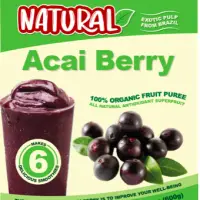
We are representative of suppliers of exporting high quality acai that is carefully cultivated in Brazil. The Frozen Acai Pulp is probably the most famous product produced and exported from the Brazilian Rain-forest. It is produced from Acai Berries that comes from a palm tree with also the same name that is commercially harvested, and only grown in the Amazon region of Brazil, the Small and Purple Berry is consumed worldwide.
We provides the true frozen acai pulp from harvested in a sustainable way preserving Amazon forest.
Our freeze-dried fruit pulp retains natural flavor, aroma, and nutrients while extending shelf life to 12 months. Sourced from premium fruits, it enhances beverages, desserts, and dishes with vibrant taste and convenience.
Our freeze-dried fruit pulp retains natural flavor, aroma, and nutrients while extending shelf life to 12 months. Sourced from premium fruits, it enhances beverages, desserts, and dishes with vibrant taste and convenience.
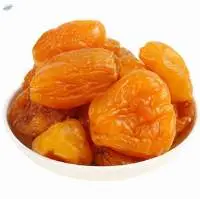
Produce name : Plum pulp
Price : Please Contact Negotiations
Specification : accept customized
contact us
Product Details
The production and processing process of fruit preserves all fresh fruits are selected and cleaned peeled pickled rinsed sterilized sugar stained ingredients dried fruit germ packaging testing finished product storage
The packing bag can gift box customized package
100 % frozen fruit pulp, No preservative, No sugar. 100% Organic.
flavors:
Acai Berry
Acerola
Brazil Plum Caj Umbu
Cashew Apple
Coconuts
Graviola
Guava
June Plum Caj
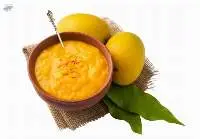
Mango
Papaya
Passion Fruit
Pineapple
Plum
Strawberry
Tamarind
Yellow Honeydew
Pineapple with Mint
Morning DETOX
Noon DETOX
Night DETOX
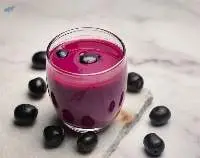
Grape (Blue-Black)_ is well known for its taste. It contains proanthocyanidins and anthocyanins which help in reducing the risk of cancer. Grapes are an excellent source of potassium and antioxidants. They are also high in the content of vitamins and minerals.
The therapeutic value of grapes is closely linked with its richness in pure glucose. Studies have indicated that the production of energy essential for the proper functioning of the heart and organs of high physiological importance depends on the metabolism of glucose. Grapes, therefore, have a restorative effect by virtue of their easy assimilation. They are thus highly valuable in case of weak digestion, general debility and fever.
Viticulture or grape culture is as old as mankind. In India the grape in grown from 1000 AD. And it is one of the most important cash crops grown the in southern and north-western parts of the country. The tropical climate of India makes it suitable to grow, which requires around 25 deg – 30 deg C. The bangalore Blue is one of the most popular varieties grown in southern parts of India.
Nutritive value per 100g of fruit
Energy (kcal) 58-71
Calcium (mg) 20-20
Phosphorous (mg) 23-30
Iron (mg) 0.5-0.5
Carotene (ug) 3-0
Vitamin C (mg) 1-1
Fibre (g) 2.8-2.9
Grape (Blue-Black) Pulp
T.S.S (Brix) Min- 9
Acidity (%C/A) Min- 0.4
Composition per 100 gm
Edible Portion (%)- 65.00
Moisture (gm)- 00.60
Protein (gm)- 00.60
Fat(gm)- 00.40
Minerals (gm)- 00.98
Fibre (gm)- 02.18
Carbohydrates (gm)- 13.10
Energy (K.cal)- 58.00
Calcim (mg)- 23.00
Phosphorus (mg)- 23.00
Iron(mg)- 01.30
Vitamin c (mg)- 1.00
Vitamin B (mg)- 00.15
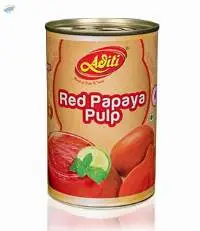
The Papaya (carica papaya) is widely grown throughout India. The tropical climate of the country is very conducive to its quality and high yield. With the advent of bio-technology, the fruit has been developed in many different varieties. A distinguishing feature of the papaya is the unusually high pH factor of the flesh ranging from 5.5 to almost 6.0 when at the ripe stage. It is a good source of beta-carotene and papain.
Papaya juice is gaining in popularity as it is high is nutrition content. It makes a good compound when blended with other fruits for smoothies and baby foods.
The Papaya (carica papaya) is widely grown throughout India. The tropical climate of the country is very conducive to its quality and high yield. With the advent of bio-technology, the fruit has been developed in many different varieties. A distinguishing feature of the papaya is the unusually high pH factor of the flesh ranging from 5.5 to almost 6.0 when at the ripe stage. It is a good source of beta-carotene and papain.
Papaya juice is gaining in popularity as it is high is nutrition content. It makes a good compound when blended with other fruits for smoothies and baby foods.
Physical, Chemical and organoleptic Characteristics
Acidity (% as C/A) Min 0.4
PH < 4.00
Colour : Reddish Yellow
Flavour : Characteristic
Taste : Characteristic
Microbial Characteristics
T.P.C. CFU/g < 50
Yeast CFU/g < 50
Mould CFU/g < 10
Papaya Pulp
T.S.S (Brix) Min- 9-11
Acidity (%C/A) Min- 0.4
Composition per 100 gm
Edible Portion (%)- 65.00
Moisture (gm)- 86.00
Protein (gm)- 00.60
Fat(gm)- 00.10
Minerals (gm)- 00.50
Fibre (gm)- 00.80
Carbohydrates (gm)- 7.20
Energy (K.cal)- 67.00
Calcim (mg)- 17.00
Phosphorus (mg)- 13.00
Iron(mg)- 00.50
Vitamin c (mg)- 57.00
Vitamin B (mg)- 00.49
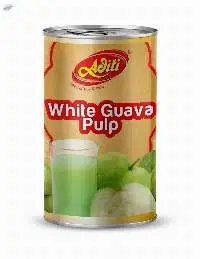
The Guava (Psidium guajava) is a tropical fruit with a white or pink fleshy interior interspersed with small hard seeds. It contains a considerable amount of perctin. Guava is high in ascorbic acid (100 to 200 mg/100)
If would be difficult to find any place in India where the guava tree does not flourish naturally. A guava tree will produce fruit for over thirty years. There are two varieties white and pink. In many parts of India guava is harvested by hand all year round. While white guava, which is sweeter in taste, is grown on a larger scale, the pink is considered a delicacy.
Being a tropical fruit, the market for fresh guava is emerging in Europe and the United States. However, because of the unique flavor, distinct texture and rich.
Guava (White/Pink) Pulp
T.S.S (Brix) Min- 9
Acidity (%C/A) Min- 0.4
Composition per 100 gm
Edible Portion (%)- 100.00
Moisture (gm)- 81.70
Protein (gm)- 00.90
Fat(gm)- 00.30
Minerals (gm)- 00.70
Fibre (gm)- 05.20
Carbohydrates (gm)- 11.20
Energy (K.cal)- 51.00
Calcim (mg)- 10.00
Phosphorus (mg)- 28.00
Iron(mg)- 01.40
Vitamin c (mg)- 160.00
Vitamin B (mg)- 00.46
The pineapple plant is a perennial fruit with a short stem. It requires a fairly warm and humid tropical climate to grow. Pineapple has a characteristic flavor and color. It is highly rich in Vitamin C and other minerals.
The pulp is used in juices, yogurts, desserts, smoothies, ice creams etc. It is used as a refreshing drink and in fruit meals for children. Pineapple is either the base or component of many beverage blends of flavors in processed foods.
Physical, Chemical and organoleptic Characteristics
Acidity (% as C/A) : Min 0.3
PH < 4.00
Colour : Light Yellow
Flavour : Characteristic
Taste : Characteristic
Microbial Characteristics
T.P.C. CFU/g < 50
Yeast CFU/g < 50
Mould CFU/g < 10
T.S.S (Brix) Min- 10
Acidity (%C/A) Min- 0.3
Composition per 100 gm
Edible Portion (%)- 45.00
Moisture (gm)- 87.00
Protein (gm)- 00.40
Fat(gm)- 00.10
Minerals (gm)- 00.50
Fibre (gm)- 00.40
Carbohydrates (gm)- 10.80
Energy (K.cal)- 46.00
Calcim (mg)- 20.00
Phosphorus (mg)- 09.00
Iron(mg)- 02.20
Vitamin c (mg)- 39.00
Vitamin B (mg)- 00.13
Pulp, commonly referred to as ‘puree' in the US, is the purest extract of the fruit, which is in the natural form of thick viscous liquid. Pulp is obtained by the commercial processing of mature and ripened fruit by passing it through a 0.78 mm sieve.
The shelf life of fruit pulp in sealed aseptic bags is 18 months at room temperature.
Fruit & Fruit offers the following range of pulp in its best natural form.