Please click here to check who's online and chat with them.

Find Verified Pressure Vessels Suppliers, Manufacturers and Wholesalers

Top Supplier Cities : Shenzhen   Qingdao   Guangzhou  
Apr-11-23

2205Ss Stainless Steel

$3.50K - $4.00K
MOQ: 200KG  Metric Tonnes
Sample Available
Supplier From Foshan, Guangdong, China
 Inquire Now  
2205 stainless steel, also known as duplex stainless steel, is a type of stainless steel that is characterized by its two-phase microstructure consisting of both austenitic and ferritic phases. This combination of phases provides the alloy with improved strength and corrosion resistance compared to standard austenitic stainless steels.
Some of the key properties of 2205 stainless steel include:
High strength: 2205 stainless steel has excellent strength properties, making it suitable for use in demanding applications such as structural components and pressure vessels.
Corrosion resistance: 2205 stainless steel provides good corrosion resistance in a variety of environments, including chloride-containing and acidic environments.
Weldability: 2205 stainless steel is easily weldable using common welding techniques and does not require preheating or post-weld heat treatment.
Fatigue resistance: 2205 stainless steel has good fatigue resistance, which makes it suitable for use in applications where cyclic loading is present.

High toughness: 2205 stainless steel exhibits high toughness even at low temperatures, making it suitable for use in cryogenic applications.
Overall, 2205 stainless steel is a highly versatile material that offers excellent strength and corrosion resistance properties, making it ideal for use in a wide range of demanding applications.
Here are some of the most common international standards for 2205 duplex stainless steel:
ASTM A240/A240M: Standard Specification for Chromium and Chromium-Nickel Stainless Steel Plate, Sheet, and Strip for Pressure Vessels and for General Applications
ASTM A789/A789M: Standard Specification for Seamless and Welded Ferritic/Austenitic Stainless Steel Tubing for General Service
ASTM A790/A790M: Standard Specification for Seamless and Welded Ferritic/Austenitic Stainless Steel Pipe
EN 10088-2: Stainless steels - Part 2: Technical delivery conditions for sheet/plate and strip of corrosion resisting steels for general purposes
EN 10216-5: Seamless steel tubes for pressure purposes - Technical delivery conditions - Part 5: Stainless steel tubes
NACE MR0175: Sulfide stress cracking-resistant metallic materials for oilfield equipment
NORSOK MDS D45: Qualification of manufacturers of duplex stainless steels
UNS S31803/S32205: Unified numbering system designations for duplex stainless steels

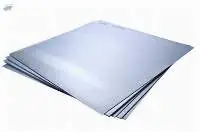
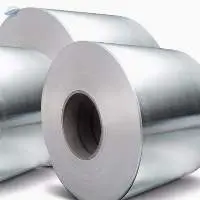
We can provide the following form:2205 stainless steel coil; 2205 stainless stee strip;2205 stainless stee plate; 2205stainless steel sheets; 2205 stainless steel tubes; 2205stainless steel pipe;2205 stainless steel flat; 2205 stainless steel bar
Jan-09-19

Clad Head For Pressure Vessels

$1
MOQ: Not Specified
Supplier From Foshan, Guangdong, China
 Inquire Now  
Clad Head For Pressure Vessels
Overview
The head is without a doubt the main component designed to bear pressure in the pressure vessel, and its quality plays a super vital role in the safe operation of the pressure vessel.
Features
Our clad head can be fabricated according to ASME standard.
Max Id: 10000mm.
KLS is the leading manufacturer of Stainless Steel Clad Plate, Titanium Clad Steel Plate, Clad Head, Pipeline Steel Clad Plate, Clad Plates, Wear Resistance Clad Plate, Composite Clad Plate etc. All of our products are of high quality and competitive price. Please feel free to contact us. We will provide you with a variety of quality services.
Mar-23-23

316Ti Stainless Steel

$4.00K
MOQ: 200KG  Metric Tonnes
Sample Available
 Inquire Now  
316Ti stainless steel is an austenitic stainless steel that is stabilized with titanium, which provides improved resistance to corrosion in high-temperature environments. Compared to standard 316 stainless steel, 316Ti contains a small amount of titanium, which stabilizes the material and prevents sensitization to intergranular corrosion.
The addition of titanium also enhances the material's resistance to pitting and crevice corrosion in chloride-containing environments, making it suitable for use in chemical processing, pharmaceuticals, and power generation applications.
316Ti stainless steel has excellent mechanical properties and is easily formable, which allows it to be used in a wide range of applications. It can be welded using common welding techniques, and is often used to fabricate complex shapes and components.
Some of the key properties of 316Ti stainless steel include:
Corrosion resistance: 316Ti offers superior resistance to pitting, crevice corrosion, and intergranular corrosion in chloride-containing environments.
High-temperature resistance: 316Ti can withstand high temperatures and thermal cycling without losing its corrosion resistance properties.
Strength and toughness: 316Ti offers good strength and toughness, making it suitable for use in demanding applications.
: 316Ti is easily formable using standard methods, and can be welded using common welding techniques.
Overall, 316Ti stainless steel is a reliable and versatile material that is well-suited for use in a range of applications where high-temperature corrosion resistance and mechanical strength are required.
American Standard: ASTM A240/A240M-20a
European Standard: EN 10088-2:2005
Japanese Standard: JIS G4304-2005
Chinese Standard: GB/T 3280-2015
Here are some of the most common international standards for 316Ti stainless steel:
ASTM A240/A240M: Standard Specification for Chromium and Chromium-Nickel Stainless Steel Plate, Sheet, and Strip for Pressure Vessels and for General Applications
ASTM A276/A276M: Standard Specification for Stainless Steel Bars and Shapes
ASTM A312/A312M: Standard Specification for Seamless, Welded, and Heavily Cold Worked Austenitic Stainless Steel Pipes
ASTM A479/A479M: Standard Specification for Stainless Steel Bars and Shapes for Use in Boilers and Other Pressure Vessels
EN 10088-2: Stainless steels - Part 2: Technical delivery conditions for sheet/plate and strip of corrosion resisting steels for general purposes
JIS G4304: Hot-rolled stainless steel plate, sheet and strip
GB/T 3280: Cold rolled stainless steel plate, sheet and strip

1) Equipment resistant to sulfuric acid, phosphoric acid, acetic acid, acetic acid;
2) petrochemical;
3) Electromechanical hardware;
4) shipyard;
5) Power plants;
Mar-24-23

317L Stainless Steel

$4.00K - $4.50K
MOQ: 200KG  Metric Tonnes
Sample Available
 Inquire Now  
317L stainless steel is an austenitic stainless steel that contains a low carbon content and higher amounts of molybdenum and nickel compared to 304 stainless steel. The low carbon content of 317L reduces the risk of intergranular corrosion caused by sensitization during welding or high-temperature exposure.
The higher nickel and molybdenum content of 317L provide superior resistance to corrosion in harsh environments, particularly those containing chlorides or other halides. This makes it suitable for use in chemical processing, pulp and paper manufacturing, and oil and gas refining applications.
317L stainless steel offers excellent toughness, strength, and formability, and is easy to fabricate using standard methods. It can be welded using common welding techniques, and is often used to fabricate complex shapes and components.
Some of the key properties of 317L stainless steel include:
Corrosion resistance: 317L offers superior corrosion resistance in harsh environments, particularly those containing chlorides or other halides.
High-temperature resistance: 317L can withstand high temperatures and thermal cycling without losing its corrosion resistance properties.
Strength and toughness: 317L offers good strength and toughness, making it suitable for use in demanding applications.
Fabricability: 317L is easy to fabricate using standard methods, and can be welded using common welding techniques.
Overall, 317L stainless steel is a versatile and reliable material that is well-suited for use in a wide range of applications where superior corrosion resistance and high-temperature performance are required.
American Standard: ASTM A240/A240M-20a
European Standard: EN 10088-2:2005
Japanese Standard: JIS G4304-2005
Chinese Standard: GB/T 3280-2015
Here are some of the most common international standards for 317L stainless steel:
ASTM A240/A240M: Standard Specification for Chromium and Chromium-Nickel Stainless Steel Plate, Sheet, and Strip for Pressure Vessels and for General Applications
ASTM A312/A312M: Standard Specification for Seamless, Welded, and Heavily Cold Worked Austenitic Stainless Steel Pipes
ASTM A403/A403M: Standard Specification for Wrought Austenitic Stainless Steel Piping Fittings
ASTM A479/A479M: Standard Specification for Stainless Steel Bars and Shapes for Use in Boilers and Other Pressure Vessels
EN 10088-2: Stainless steels - Part 2: Technical delivery conditions for sheet/plate and strip of corrosion resisting steels for general purposes
JIS G4304: Hot-rolled stainless steel plate, sheet and strip
GB/T 3280: Cold rolled stainless steel plate, sheet and strip

We can provide the following form:317L stainless steel coil; 317L stainless stee strip;317L stainless stee plate; 317L stainless steel sheets; 317L stainless steel tubes; 317L stainless steel pipe; 317L stainless steel flat; 317L stainless steel bar
Mar-23-23

304L Stainless Steel

$2.10K
MOQ: 200KG  Metric Tonnes
Sample Available
 Inquire Now  
304L stainless steel is a low-carbon variation of the widely used 304 austenitic stainless steel alloy. It contains approximately 18% chromium and 8% nickel and is characterized by its good corrosion resistance, high-temperature strength, and excellent weldability. The "L" in its name stands for low carbon, indicating that it has a lower carbon content than standard 304 stainless steel.
The low carbon content of 304L stainless steel provides it with improved resistance to intergranular corrosion and improved weldability, particularly in applications where it may be subject to sensitization, which can cause intergranular corrosion in certain environments.
304L stainless steel is commonly used in applications that require good corrosion resistance and high-temperature strength, including chemical processing equipment, food processing equipment, and heat exchangers. It is also used in architectural trim, dairy and brewery equipment, and pharmaceutical processing equipment.
In terms of mechanical properties, 304L stainless steel has a minimum tensile strength of 485 MPa (70 ksi) and a minimum yield strength of 170 MPa (25 ksi), making it suitable for use in applications where high strength is required. Its elongation is typically around 40%, which allows it to be formed and shaped without cracking or breaking.
304L stainless steel can be easily formed and fabricated using a variety of techniques, including cold and hot working, machining, and welding. It can also be polished and finished to achieve a variety of surface textures and appearances.
Overall, 304L stainless steel is a low-carbon variation of the widely used 304 stainless steel alloy that offers good corrosion resistance, high-temperature strength, and excellent weldability, making it a versatile material for a wide range of applications.
American Standard: ASTM A240/A240M-20a
European Standard: EN 10088-2:2005
Japanese Standard: JIS G4304-2005
Chinese Standard: GB/T 3280-2015
Indian Standard: IS 6911:2017
Here are some of the most common international standards for 304L stainless steel:
ASTM A240/A240M: Standard Specification for Chromium and Chromium-Nickel Stainless Steel Plate, Sheet, and Strip for Pressure Vessels and for General Applications
ASTM A276/A276M: Standard Specification for Stainless Steel Bars and Shapes
ASTM A312/A312M: Standard Specification for Seamless, Welded, and Heavily Cold Worked Austenitic Stainless Steel Pipes
ASTM A479/A479M: Standard Specification for Stainless Steel Bars and Shapes for Use in Boilers and Other Pressure Vessels
EN 10088-2: Stainless steels - Part 2: Technical delivery conditions for sheet/plate and strip of corrosion resisting steels for general purposes
JIS G4304: Hot-rolled stainless steel plate, sheet and strip
GB/T 3280: Cold rolled stainless steel plate, sheet and strip

We can provide the following form:304L stainless steel coil/strip/plate/sheets/tubes/pipe/flat/bar
454 Pressure Vessels Suppliers
Short on time? Let Pressure Vessels sellers contact you.
Mar-29-23

403 Stainless Steel

$1.20K - $1.50K
MOQ: 200KG  Metric Tonnes
Sample Available
 Inquire Now  
403 stainless steel pipe is a brand of stainless steel produced according to the American ASTM standard
403 is equivalent to 1Cr12 stainless steel pipe, containing 0.01% carbon and 12% chromium
403 stainless steel pipes belong to the international stainless steel labeling method. 403 stainless steel pipe--S40300 (American AISI, ASTM) 403 corresponds to the Chinese grade is 1Cr12
403 stainless steel is a martensitic stainless steel that contains chromium, which provides it with excellent corrosion resistance properties. It is a heat-treatable alloy that can be hardened to achieve high strength and hardness levels. However, its corrosion resistance is lower compared to other stainless steel grades such as 304 and 316.
Some of the key properties of 403 stainless steel include:
Corrosion resistance: 403 stainless steel offers good corrosion resistance in mild environments, but its corrosion resistance is not as good as other austenitic stainless steel grades.
Heat resistance: 403 stainless steel has good heat resistance and can be used at temperatures up to 649�°C (1200�°F).
Hardness and strength: 403 can be heat treated to achieve high levels of hardness and strength.
Machinability: 403 has good machinability in the annealed condition, but it can be difficult to machine in its hardened state.
Some of the common applications for 403 stainless steel include:
Pump shafts Valve parts Cutlery Surgical instruments Machine parts Overall, 403 stainless steel is a heat-treatable alloy that offers good corrosion resistance in mild environments and is well-suited for applications that require high strength and hardness. However, it is not recommended for use in corrosive environments or applications that require high resistance to pitting and crevice corrosion.
Here are some of the most common international standards for 403 stainless steel:
ASTM A240/A240M: Standard Specification for Chromium and Chromium-Nickel Stainless Steel Plate, Sheet, and Strip for Pressure Vessels and for General Applications.
ASTM A276: Standard Specification for Stainless Steel Bars and Shapes.
ASTM A479/A479M: Standard Specification for Stainless Steel Bars and Shapes for Use in Boilers and Other Pressure Vessels.
EN 10088-2: Stainless steels - Part 2: Technical delivery conditions for sheet/plate and strip of corrosion resisting steels for general purposes.
JIS G4304: Hot-rolled stainless steel plate, sheet and strip.
GB/T 3280: Cold rolled stainless steel plate, sheet and strip.

We can provide the following the form:403 stainless steel coil; 403 stainless stee strip;403 stainless stee plate; 403 stainless steel sheets; 403 stainless steel tubes; 403 stainless steel pipe;

Good stainless and heat-resistant steel for steam turbine blades and high-stress components.
Mar-28-23

321 Stainless Steel

$6.00K - $7.00K
MOQ: 200KG  Metric Tonnes
Sample Available
Supplier From Foshan, Guangdong, China
 Inquire Now  
321 stainless steel is an austenitic stainless steel that contains titanium as a stabilizing element. This element helps to prevent chromium carbide precipitation, which can occur during high-temperature service, making it ideal for use in high-temperature applications.
Some of the key properties of 321 stainless steel include:
High-temperature resistance: 321 can withstand high temperatures up to 870�°C (1600�°F) without losing its strength or corrosion resistance properties, making it ideal for use in applications such as furnace parts and exhaust systems.
Corrosion resistance: 321 offers excellent resistance to corrosion, including aqueous corrosion and stress corrosion cracking.
Strength and toughness: 321 has good strength and toughness, making it suitable for use in demanding applications.
Fabricability: 321 is easily formable using standard methods, and can be welded using common welding techniques.
Some of the common applications for 321 stainless steel include:
Exhaust systems in automobiles, aircraft, and industrial equipment
High-temperature furnace parts, such as burners and heating elements
Chemical processing equipment
Jet engine parts
Heat exchangers
Overall, 321 stainless steel is a highly reliable and versatile material that is well-suited for use in high-temperature applications where superior corrosion resistance and strength are required.
The following are some of the commonly used international standards for 321 stainless steel:
ASTM A240/A240M: Standard Specification for Chromium and Chromium-Nickel Stainless Steel Plate, Sheet, and Strip for Pressure Vessels and for General Applications
ASTM A276/A276M: Standard Specification for Stainless Steel Bars and Shapes
EN 10088-2: Stainless steels - Part 2: Technical delivery conditions for sheet/plate and strip of corrosion resisting steels for general purposes
EN 10095: Heat resisting steels and nickel alloys
JIS G4304: Hot-rolled stainless steel plate, sheet and strip
JIS G4305: Cold-rolled stainless steel plate, sheet and strip
GB/T 4237: Hot rolled stainless steel plate, sheet and strip
GB/T 3280: Cold rolled stainless steel plate, sheet and strip

We can provide the following form:321 stainless steel coil; 321 stainless stee strip;321 stainless stee plate; 321 stainless steel sheets; 321 stainless steel tubes; 321 stainless steel pipe; 321 stainless steel flat; 321 stainless steel bar

Applied to open-air machines, heat-resistant parts of building materials and parts with difficulty in heat treatment in chemical, coal and petroleum industries that require high resistance to intergranular corrosion
1. Petroleum waste gas combustion pipeline
2. Engine exhaust pipe
3. Boiler shell, heat exchanger, heating furnace parts
4. Silencer parts for diesel engines
5. Boiler pressure vessel
6. Chemical transport vehicle
7. Expansion joints
8. Spiral welded pipes for furnace pipes and dryers
Mar-23-23

316L Stainless Steel

$3.50K
MOQ: 200KG  Metric Tonnes
Sample Available
 Inquire Now  
316L stainless steel is a type of austenitic stainless steel alloy with a low carbon content, making it resistant to sensitization, which is the formation of grain boundary carbides at high temperatures, causing intergranular corrosion. The alloy is commonly used in various industries, including chemical, pharmaceutical, and medical, due to its excellent corrosion resistance and good mechanical properties.
The chemical composition of 316L stainless steel typically includes 16-18% chromium, 10-14% nickel, 2-3% molybdenum, and less than 0.03% carbon. The addition of molybdenum provides increased corrosion resistance to pitting and crevice corrosion, making it suitable for use in aggressive environments.
316L stainless steel is known for its high corrosion resistance to a wide range of chemicals, acids, and alkalis, and is particularly resistant to chlorides, making it an ideal material for use in marine environments. It is also known for its excellent high-temperature strength, which makes it suitable for use in high-temperature applications such as heat exchangers.
In terms of mechanical properties, 316L stainless steel has a minimum tensile strength of 485 MPa (70 ksi), a minimum yield strength of 170 MPa (25 ksi), and a minimum elongation of 40%, making it a strong and ductile material that can be easily formed and welded. Its resistance to high temperatures and thermal expansion make it ideal for use in high-temperature applications.
Overall, 316L stainless steel is a versatile and reliable material that offers excellent corrosion resistance, high-temperature strength, and good mechanical properties, making it suitable for a wide range of industrial applications.
American Standard: ASTM A240/A240M-20a
European Standard: EN 10088-2:2005
Japanese Standard: JIS G4304-2005
Chinese Standard: GB/T 3280-2015
Indian Standard: IS 6911:2017
Here are some of the most common international standards for 316L stainless steel:
ASTM A240/A240M: Standard Specification for Chromium and Chromium-Nickel Stainless Steel Plate, Sheet, and Strip for Pressure Vessels and for General Applications
ASTM A276/A276M: Standard Specification for Stainless Steel Bars and Shapes
ASTM A312/A312M: Standard Specification for Seamless, Welded, and Heavily Cold Worked Austenitic Stainless Steel Pipes
ASTM A479/A479M: Standard Specification for Stainless Steel Bars and Shapes for Use in Boilers and Other Pressure Vessels
EN 10088-2: Stainless steels - Part 2: Technical delivery conditions for sheet/plate and strip of corrosion resisting steels for general purposes
JIS G4304: Hot-rolled stainless steel plate, sheet and strip
GB/T 3280: Cold rolled stainless steel plate, sheet and strip

We can provide the following form:316L stainless steel coil; 316L stainless stee strip:316L stainless stee plate; 316L stainless steel sheets; 316L stainless steel tubes
316L stainless steel pipe; 316L stainless steel flat; 316L stainless steel bar
Mar-29-23

410 Stainless Steel

$6.00K - $7.00K
MOQ: 200KG  Metric Tonnes
Sample Available
Supplier From Foshan, Guangdong, China
 Inquire Now  
410 stainless steel is a stainless steel grade produced in accordance with American ASTM standards, which is equivalent to 1Cr13 stainless steel, S41000 (American AISI, ASTM). 0.15% carbon, 13% chromium, 410 stainless steel: good corrosion resistance, machinability, general purpose blades, valves. 410 stainless steel heat treatment: solution treatment (�¢??) 800-900 slow cooling or 750 fast cooling.Features: high strength; excellent machinability; hardening after heat treatment; magnetic; not suitable for harsh corrosive environments.
410 stainless steel is a type of martensitic stainless steel that contains 11.5-13.5% chromium and has excellent corrosion resistance, high strength, and hardness. It is a magnetic material and can be hardened through heat treatment, making it suitable for use in various applications that require high strength and corrosion resistance.
Some of the key properties of 410 stainless steel include:
Corrosion resistance: 410 stainless steel is highly resistant to corrosion, including water, steam, and chemical environments. However, it is not suitable for use in highly acidic or alkaline environments.
Hardness: 410 stainless steel has high hardness and strength, making it suitable for use in applications that require wear and abrasion resistance.
Heat treatability: 410 stainless steel can be hardened through heat treatment, allowing for improved strength and hardness.
Magnetic properties: 410 stainless steel is magnetic and can be used in applications that require magnetic properties.
Some of the common applications for 410 stainless steel include:
Cutlery and kitchen utensils Valve components and pump parts Bolts, nuts, and screws Springs and bearings Medical instruments and dental tools Oil and gas equipment
Overall, 410 stainless steel is a highly versatile material that is well-suited for use in various applications where high strength, corrosion resistance, and hardness are required.
Here are some of the most common international standards for 410 stainless steel:
ASTM A240/A240M: Standard Specification for Chromium and Chromium-Nickel Stainless Steel Plate, Sheet, and Strip for Pressure Vessels and for General Applications
ASTM A276: Standard Specification for Stainless Steel Bars and Shapes
ASTM A479/A479M: Standard Specification for Stainless Steel Bars and Shapes for Use in Boilers and Other Pressure Vessels
EN 10088-3: Stainless steels - Part 3: Technical delivery conditions for semi-finished products, bars, rods, wire, sections and bright products of corrosion resisting steels for general purposes
JIS G4303: Stainless steel bars
GB/T 1220: Stainless steel bars

We can provide the following the form:410 stainless steel coil; 410 stainless stee strip;410 stainless stee plate; 410 stainless steel sheets; 410 stainless steel tubes; 410 stainless steel pipe;410 stainless steel flat; 410 stainless steel bar

General blades, mechanical parts, tableware class 1 (spoon, fork, knife, etc.).
May-12-23

Incoloy Alloy 903

$30.00K - $35.00K
MOQ: 200KG  Metric Tonnes
Sample Available
 Inquire Now  
Incoloy 903 is a high-temperature alloy material, also known as Inconel 903, which is a kind of nickel-based alloy. It is mainly composed of nickel, chromium, iron, cobalt, copper, titanium, aluminum and other elements. It has good high temperature strength, creep resistance and corrosion resistance, and is widely used in aerospace, petrochemical, energy and other industries under high temperature and high pressure environments. and other fields.
Following are some features and applications of Incoloy 903:
characteristic
High temperature strength: It has good strength and rigidity at high temperature, and can withstand stress and load under high temperature and high pressure environment;
Creep resistance: It can be used for a long time without deformation under high temperature and high pressure environment;
Corrosion resistance: good corrosion resistance in strong acid, strong alkali and other corrosive media;
Machinability: Incoloy 903 can be machined, forged and welded through a variety of processing techniques.
The international standards for Incoloy alloy 903 in various countries are as follows:
United States: AMS 5800, AMS 5801, AMS 5802, AMS 5803, AMS 5826, ASTM B166, ASTM B408, UNS N19903
Germany: DIN 17742, DIN 17754, W.Nr. 2.4633
United Kingdom: BS HR 6, BS 3076
Europe: EN 10095

We can provide the following the form:Incoloy alloy903 coil; Incoloy alloy903 strip;Incoloy alloy903 plate; Incoloy alloy903 sheets; Incoloy alloy903 tube; Incoloy alloy903 pipe;Incoloy alloy903 flat; Incoloy alloy903 bar

BS:HR 5/JIS:NW4893/UNS:N19903/W.Nr:2.4665

Incoloy 903 has a wide range of applications, mainly used in the following fields:
Aerospace industry: components such as aero-engines, aero-bearings, gas turbines, etc.;
Petrochemical industry: such as chemical reactors, high pressure vessels, steam generators and other equipment;
Energy industry: such as nuclear reactor components, heat exchangers, coal-fired power plant boilers and other equipment;
Other fields: such as the manufacture of high-temperature valves, heat treatment furnaces, medical equipment, etc.
Mar-28-23

904L Stainless Steel

$9.00K - $10.00K
MOQ: Not Specified
Sample Available
 Inquire Now  
904L (N08904, 1.4539) super austenitic stainless steel contains 14.0-18.0% chromium, 24.0-26.0% nickel and 4.5% molybdenum. 904L super austenitic stainless steel is a low carbon high nickel, molybdenum austenitic stainless acid resistant steel. It has very good activation-passivation transformation ability, excellent corrosion resistance, good corrosion resistance in non-oxidizing acids such as sulfuric acid, acetic acid, formic acid, phosphoric acid, and good corrosion resistance in neutral chloride ion-containing media. Excellent pitting corrosion resistance, good crevice corrosion resistance and stress corrosion resistance. It is suitable for sulfuric acid of various concentrations below 70�¯�¿�½?�?�°C, and has good corrosion resistance against acetic acid of any concentration and temperature under normal pressure, and the mixed acid of formic acid and acetic acid.
Here are some of the most common international standards for 904L stainless steel:
ASTM A240/A240M: Standard Specification for Chromium and Chromium-Nickel Stainless Steel Plate, Sheet, and Strip for Pressure Vessels and for General Applications
ASTM A276/A276M: Standard Specification for Stainless Steel Bars and Shapes
ASTM A312/A312M: Standard Specification for Seamless, Welded, and Heavily Cold Worked Austenitic Stainless Steel Pipes
ASTM B625/B625M: Standard Specification for UNS N08925, UNS N08031, UNS N08034, UNS N08932, UNS N08926, UNS N08354, UNS N08830, and UNS R20033 Plate, Sheet, and Strip
EN 1.4539: European standard for austenitic stainless steel with high molybdenum content
EN 10028-7: Flat products made of steels for pressure purposes - Part 7: Stainless steels
EN 10216-5: Seamless steel tubes for pressure purposes - Technical delivery conditions - Part 5: Stainless steel tubes
EN 10217-7: Welded steel tubes for pressure purposes - Technical delivery conditions - Part 7: Stainless steel tubes
JIS G4304: Hot-rolled stainless steel plate, sheet and strip
JIS G4305: Cold-rolled stainless steel plate, sheet and strip
JIS G4312: Heat-resisting steel plate, sheet and strip
GB/T 3280: Cold rolled stainless steel plate, sheet and strip
GB/T 4237: Hot rolled stainless steel plate, sheet and strip
GB/T 24511: Stainless steel and heat-resisting steel plate, sheet and strip for pressure equipments

We can provide the following form:904L stainless steel coil; 904L stainless stee strip;904L stainless stee plate; 904L stainless steel sheets; 904L stainless steel tubes; 904L stainless steel pipe;904L stainless steel flat; 904L stainless steel bar
May-15-23

Incoloy Alloy 926

$30.00K - $35.00K
MOQ: 200KG  Metric Tonnes
Sample Available
 Inquire Now  
Incoloy Alloy 926 is a super-austenitic nickel-based alloy with high levels of molybdenum, nitrogen, and chromium. It is known for its excellent corrosion resistance in a variety of challenging environments, including sulfuric acid, hydrochloric acid, and seawater. Here is a detailed introduction to Incoloy Alloy 926 and its applications:
Incoloy alloy 926 is a super-austenitic nickel-based alloy with high corrosion resistance and excellent mechanical properties at high temperatures. It has a chemical composition of 22% chromium, 25% molybdenum, 6% tungsten, and 0.5% nitrogen, with nickel and iron making up the balance. The alloy also contains small amounts of copper and titanium.
Incoloy alloy 926 is known for its excellent resistance to a wide range of corrosive environments, including chloride ion stress-corrosion cracking and pitting and crevice corrosion. It also has good resistance to sulfuric acid and phosphoric acid, as well as seawater and brine solutions. The alloy's high nickel and molybdenum content provides excellent resistance to reducing environments, while its chromium content enhances its resistance to oxidizing environments.
In terms of mechanical properties, Incoloy alloy 926 exhibits high strength and toughness, along with excellent weldability and formability. It can be fabricated using a variety of techniques, including hot and cold working, machining, and welding.
Due to its excellent corrosion resistance and mechanical properties, Incoloy alloy 926 is commonly used in a variety of industries, including chemical processing, oil and gas, nuclear, marine, and desalination. It is often used in applications involving sour gas environments, such as in the production of oil and gas, as well as in heat exchangers, pressure vessels, and piping systems.
The international standards and specifications for Incoloy alloy 926 are as follows:
United States: ASTM B649, AMS 5737, AMS 5853, UNS N08926 Europe: EN 1.4529, SEW 400 Germany: DIN 17752, DIN 17754, DIN 17750, W.Nr. 1.4529

We can provide the following the form:Incoloy alloy926 coil; Incoloy alloy926 strip;Incoloy alloy926 plate; Incoloy alloy926 sheets; Incoloy alloy926 tube; Incoloy alloy926 pipe;Incoloy alloy926 flat; Incoloy alloy926 bar

BS:NA 25/JIS:SUS 890L/UNS:N08925/W.Nr:1.4529
Apr-04-23

430 Stainless Steel

$1.20K - $1.50K
MOQ: 200KG  Metric Tonnes
Sample Available
 Inquire Now  
430 stainless steel is a type of ferritic stainless steel that is commonly used in a variety of industrial applications. It contains chromium, which provides corrosion resistance, as well as other elements such as nickel and molybdenum.
Some key properties of 430 stainless steel include:
Corrosion resistance: 430 stainless steel offers good corrosion resistance in mildly corrosive environments, such as those found in food processing and indoor applications. However, it is not recommended for use in highly corrosive environments.
Heat resistance: 430 stainless steel can withstand high temperatures up to 815�°C (1500�°F) without losing its strength or corrosion resistance properties.
Formability: 430 stainless steel is easily formable, making it a popular choice for applications that require forming or bending.

Magnetic properties: 430 stainless steel is magnetic, which makes it a popular choice for applications that require magnetic properties, such as solenoid valves and transformers.
Some common applications for 430 stainless steel include:
Automotive trim and molding
Kitchen appliances such as refrigerators, dishwashers, and ranges
Indoor and outdoor architectural trim
Heat exchangers
Solenoid valves and transformers
Overall, 430 stainless steel is a versatile material that offers good corrosion resistance, heat resistance, and formability, making it a popular choice for a variety of industrial applications.
Here are some of the most common international standards for 430 stainless steel:
ASTM A240/A240M: Standard Specification for Chromium and Chromium-Nickel Stainless Steel Plate, Sheet, and Strip for Pressure Vessels and for General Applications
ASTM A268/A268M: Standard Specification for Seamless and Welded Ferritic and Martensitic Stainless Steel Tubing for General Service
ASTM A276/A276M: Standard Specification for Stainless Steel Bars and Shapes
EN 10088-2: Stainless steels - Part 2: Technical delivery conditions for sheet/plate and strip of corrosion resisting steels for general purposes
JIS G4304: Hot-rolled stainless steel plate, sheet and strip
GB/T 3280: Cold rolled stainless steel plate, sheet and strip

We can provide the following form:430 stainless steel coil; 430 stainless stee strip;430 stainless stee plate; 430 stainless steel sheets; 430 stainless steel tubes; 430 stainless steel pipe;
430 stainless steel flat; 430 stainless steel bar
Apr-11-23

329 Stainless Steel Pipe

$3.50K - $4.00K
MOQ: 200KG  Metric Tonnes
Sample Available
 Inquire Now  
329 stainless steel is a duplex stainless steel with a higher strength and corrosion resistance than austenitic stainless steels. It belongs to the family of duplex stainless steels that contain two-phase microstructures consisting of austenitic and ferritic phases in roughly equal proportions. The combination of these phases provides 329 stainless steel with a unique set of properties, making it ideal for use in various industrial applications.
Some of the key properties of 329 stainless steel include:
Corrosion resistance: 329 stainless steel offers excellent corrosion resistance, particularly in environments containing chlorides and other halides, making it ideal for use in marine and chemical processing applications.
High strength: 329 stainless steel has higher strength than austenitic stainless steels and can withstand high stress and pressure.
Weldability: 329 stainless steel is readily weldable using common welding techniques and is not prone to weld decay.
Machinability: 329 stainless steel has good machinability and can be easily machined using conventional machining techniques.
Some of the common applications for 329 stainless steel include:
Marine applications: due to its excellent corrosion resistance in seawater environments, 329 stainless steel is often used in marine applications such as propeller shafts, pump parts, and fasteners.
Chemical processing: 329 stainless steel is commonly used in chemical processing applications due to its resistance to various chemicals and high temperatures.

Oil and gas industry: 329 stainless steel is often used in oil and gas production and processing equipment, including pumps, valves, and heat exchangers.
Overall, 329 stainless steel is a highly versatile and reliable material that offers a unique combination of strength and corrosion resistance properties, making it ideal for use in a wide range of industrial applications.
Here are some of the most common international standards for 329 stainless steel:
ASTM A276/A276M: Standard Specification for Stainless Steel Bars and Shapes
ASTM A240/A240M: Standard Specification for Chromium and Chromium-Nickel Stainless Steel Plate, Sheet, and Strip for Pressure Vessels and for General Applications
EN 10088-1: Stainless steels - Part 1: List of stainless steels
EN 10088-3: Stainless steels - Part 3: Technical delivery conditions for semi-finished products, bars, rods, wire, sections and bright products of corrosion resisting steels for general purposes
JIS G4304: Hot-rolled stainless steel plate, sheet and strip
GB/T 1220: Stainless steel bars

We can provide the following form:329 stainless steel coil; 329 stainless stee strip;329 stainless stee plate; 329 stainless steel sheets; 329 stainless steel tubes; 329 stainless steel pipe;
329 stainless steel flat; 329 stainless steel bar
Mar-23-23

304 Stainless Steel

$2.00K
MOQ: 200KG  Metric Tonnes
Sample Available
 Inquire Now  
304 stainless steel is a widely used austenitic stainless steel alloy that contains 18% chromium and 8% nickel. It is known for its excellent corrosion resistance, high strength, and good formability and weldability. 304 stainless steel is commonly used in a variety of applications, including kitchen equipment, food processing equipment, chemical processing equipment, heat exchangers, and architectural trim.
The composition of 304 stainless steel provides it with excellent corrosion resistance in a wide range of environments, including acidic and alkaline solutions, as well as high-temperature and high-pressure applications. Additionally, 304 stainless steel exhibits good resistance to intergranular corrosion, which can occur in welded parts due to the formation of chromium carbides at grain boundaries.
In terms of mechanical properties, 304 stainless steel has a tensile strength of around 515 MPa (75 ksi) and a yield strength of 205 MPa (30 ksi), making it suitable for use in high-stress applications. It also has a high elongation, which allows it to be formed and shaped without cracking or breaking.
304 stainless steel can be easily formed and fabricated using a variety of techniques, including cold and hot working, machining, and welding. It can also be polished and finished to achieve a variety of surface textures and appearances.
Overall, 304 stainless steel is a versatile and widely used material that offers excellent corrosion resistance, good strength and formability, and a variety of fabrication and finishing options.
The following are some of the commonly used international standards for 304 stainless steel:
ASTM A240/A240M: Standard Specification for Chromium and Chromium-Nickel Stainless Steel Plate, Sheet, and Strip for Pressure Vessels and for General Applications
ASTM A276/A276M: Standard Specification for Stainless Steel Bars and Shapes
EN 10088-2: Stainless steels - Part 2: Technical delivery conditions for sheet/plate and strip of corrosion resisting steels for general purposes
EN 10088-3: Stainless steels - Part 3: Technical delivery conditions for semi-finished products, bars, rods, wire, sections and bright products of corrosion resisting steels for general purposes
JIS G4304: Hot-rolled stainless steel plate, sheet and strip
JIS G4305: Cold-rolled stainless steel plate, sheet and strip
GB/T 4237: Hot rolled stainless steel plate, sheet and strip
GB/T 3280: Cold rolled stainless steel plate, sheet and strip

We can provide the following form:304 stainless steel coil; 304 stainless stee strip�¯�¼?304 stainless stee plate; 304 stainless steel sheets; 304 stainless steel tubes
304 stainless steel pipe; 304 stainless steel flat; 304 stainless steel bar
Mar-28-23

310S Stainless Steel

$6.00K - $7.00K
MOQ: 200KG  Metric Tonnes
Sample Available
Supplier From Foshan, Guangdong, China
 Inquire Now  
310S stainless steel is a highly alloyed austenitic stainless steel that is designed for use in high-temperature applications. It contains a high percentage of chromium and nickel, as well as a low amount of carbon, which gives it excellent resistance to oxidation, sulfidation, and other forms of high-temperature corrosion.
Some of the key properties of 310S stainless steel include:
High-temperature resistance: 310S can withstand high temperatures up to 1150�°C (2102�°F) without losing its strength or corrosion resistance properties, making it ideal for use in applications such as furnace parts, heat exchangers, and kilns.
Corrosion resistance: 310S offers excellent resistance to oxidation, sulfidation, and other forms of high-temperature corrosion, as well as resistance to aqueous corrosion.
Strength and toughness: 310S has good strength and toughness, making it suitable for use in demanding applications.
Fabricability: 310S is easily formable using standard methods, and can be welded using common welding techniques.
310S stainless steel is commonly used in a range of high-temperature applications, including:
Furnace parts, such as burners, heating elements, and retorts
Heat exchangers and boilers
Kilns and other high-temperature processing equipment
Chemical processing equipment
Power generation equipment, such as gas turbines and exhaust systems
Overall, 310S stainless steel is a highly versatile and reliable material that is well-suited for use in a range of high-temperature applications where superior corrosion resistance and strength are required.
The following are some of the commonly used international standards for 310S stainless steel:
ASTM A240/A240M: Standard Specification for Chromium and Chromium-Nickel Stainless Steel Plate, Sheet, and Strip for Pressure Vessels and for General Applications
ASTM A276/A276M: Standard Specification for Stainless Steel Bars and Shapes
EN 10088-2: Stainless steels - Part 2: Technical delivery conditions for sheet/plate and strip of corrosion resisting steels for general purposes
EN 10095: Heat resisting steels and nickel alloys
JIS G4304: Hot-rolled stainless steel plate, sheet and strip
JIS G4305: Cold-rolled stainless steel plate, sheet and strip
GB/T 4237: Hot rolled stainless steel plate, sheet and strip
GB/T 3280: Cold rolled stainless steel plate, sheet and strip

We can provide the following form:310S stainless steel coil; 310S stainless stee strip;310S stainless stee plate; 310S stainless steel sheets; 310S stainless steel tubes; 310S stainless steel pipe; 310S stainless steel flat; 310S stainless steel bar
Mar-28-23

309S Stainless Steel

$6.00K - $7.00K
MOQ: 200KG  Metric Tonnes
Sample Available
 Inquire Now  
309S stainless steel is a highly corrosion-resistant austenitic stainless steel that contains a high amount of chromium and nickel. It also has a low carbon content, which gives it excellent resistance to high-temperature oxidation and sulfidation.
Some of the key properties of 309S stainless steel include:
High-temperature resistance: 309S can withstand high temperatures up to 980�°C (1800�°F) without losing its strength or corrosion resistance properties, making it ideal for use in applications such as furnace parts, heat exchangers, and kilns.
Corrosion resistance: 309S offers excellent resistance to oxidation, sulfidation, and other forms of high-temperature corrosion, as well as resistance to aqueous corrosion.
Strength and toughness: 309S has good strength and toughness, making it suitable for use in demanding applications.
Fabricability: 309S is easily formable using standard methods, and can be welded using common welding techniques.
309S stainless steel is commonly used in a range of high-temperature applications, including:
Furnace parts, such as burners, heating elements, and retorts
Heat exchangers and boilers
Kilns and other high-temperature processing equipment
Chemical processing equipment
Power generation equipment, such as gas turbines and exhaust systems
Overall, 309S stainless steel is a highly reliable and versatile material that is well-suited for use in a range of high-temperature applications where superior corrosion resistance and strength are required.
The following are some of the commonly used international standards for 309S stainless steel:
ASTM A240/A240M: Standard Specification for Chromium and Chromium-Nickel Stainless Steel Plate, Sheet, and Strip for Pressure Vessels and for General Applications
ASTM A276/A276M: Standard Specification for Stainless Steel Bars and Shapes
EN 10088-2: Stainless steels - Part 2: Technical delivery conditions for sheet/plate and strip of corrosion resisting steels for general purposes
EN 10095: Heat resisting steels and nickel alloys
JIS G4304: Hot-rolled stainless steel plate, sheet and strip
JIS G4305: Cold-rolled stainless steel plate, sheet and strip
GB/T 4237: Hot rolled stainless steel plate, sheet and strip
GB/T 3280: Cold rolled stainless steel plate, sheet and strip

We can provide the following form:309S stainless steel coil; 309S stainless stee strip;309S stainless stee plate; 309S stainless steel sheets; 309S stainless steel tubes; 309S stainless steel pipe; 309S stainless steel flat; 309S stainless steel bar
Apr-08-23

434 Stainless Steel

$1.50K - $2.00K
MOQ: 200KG  Metric Tonnes
Sample Available
Supplier From Foshan, Guangdong, China
 Inquire Now  
434 stainless steel is a type of ferritic stainless steel that contains a higher amount of molybdenum compared to 430 stainless steel. This addition of molybdenum improves its corrosion resistance and makes it more resistant to pitting and crevice corrosion, especially in chloride-containing environments. It also offers good resistance to high-temperature oxidation and scaling.
Here are some key properties of 434 stainless steel:
Corrosion resistance: 434 stainless steel offers good resistance to corrosion, especially in chloride-containing environments.
Heat resistance: 434 can withstand high temperatures without losing its strength or corrosion resistance properties. Its high chromium content provides excellent resistance to scaling and oxidation up to 815�°C (1500�°F).
Weldability: 434 stainless steel can be welded using common welding techniques.
Machinability: 434 is not as machinable as some other stainless steels, such as 304, due to its high hardness and low ductility.
Magnetic properties: 434 stainless steel is a magnetic material.
Overall, 434 stainless steel is a corrosion-resistant and heat-resistant material that is well-suited for use in high-temperature and chloride-containing environments. Its higher molybdenum content provides superior corrosion resistance compared to other ferritic stainless steels, making it a popular choice in applications such as automotive exhaust systems and chemical processing equipment.
Here are some of the most common international standards for 434 stainless steel:
ASTM A240/A240M: Standard Specification for Chromium and Chromium-Nickel Stainless Steel Plate, Sheet, and Strip for Pressure Vessels and for General Applications
ASTM A268/A268M: Standard Specification for Seamless and Welded Ferritic and Martensitic Stainless Steel Tubing for General Service
ASTM A554: Standard Specification for Welded Stainless Steel Mechanical Tubing
EN 10088-2: Stainless steels - Part 2: Technical delivery conditions for sheet/plate and strip of corrosion resisting steels for general purposes
JIS G4305: Cold-rolled stainless steel plate, sheet and strip
GB/T 3280: Cold rolled stainless steel plate, sheet and strip
Application fields:
Automotive exhaust systems and mufflers.
Heat exchangers and furnaces.
Chemical processing equipment.
Industrial drying ovens.
Kitchen utensils and appliances.
We can provide the following of the form:434 stainless steel coil; 434 stainless stee strip;434 stainless stee plate; 434 stainless steel sheets; 434 stainless steel tubes; 434 stainless steel pipe;434 stainless steel flat; 434 stainless steel bar
Mar-28-23

347 Stainless Steel

$7.00K - $8.00K
MOQ: 200KG  Metric Tonnes
Sample Available
Supplier From Foshan, Guangdong, China
 Inquire Now  
347 stainless steel is a stabilized austenitic stainless steel that contains niobium, which helps to prevent intergranular corrosion that can occur during welding and exposure to high temperatures. It is often used in high-temperature applications due to its excellent resistance to oxidation and its ability to withstand high temperatures without losing its strength or corrosion resistance properties.
Some of the key properties of 347 stainless steel include:
High-temperature resistance: 347 can withstand high temperatures up to 870�°C (1600�°F) without losing its strength or corrosion resistance properties, making it ideal for use in high-temperature applications such as furnace parts and exhaust systems.
Corrosion resistance: 347 offers excellent resistance to corrosion, including aqueous corrosion and stress corrosion cracking.
Weldability: 347 is easily weldable using common welding techniques, and the addition of niobium helps to prevent intergranular corrosion that can occur during welding.
Strength and toughness: 347 has good strength and toughness, making it suitable for use in demanding applications.
Some of the common applications for 347 stainless steel include:
High-temperature furnace parts, such as burners and heating elements
Exhaust systems in automobiles, aircraft, and industrial equipment
Chemical processing equipment
Jet engine parts
Heat exchangers
Overall, 347 stainless steel is a highly reliable and versatile material that is well-suited for use in high-temperature applications where superior corrosion resistance and strength are required, and where welding is required.
The following are some of the commonly used international standards for 347 stainless steel:
ASTM A240/A240M: Standard Specification for Chromium and Chromium-Nickel Stainless Steel Plate, Sheet, and Strip for Pressure Vessels and for General Applications
ASTM A276/A276M: Standard Specification for Stainless Steel Bars and Shapes
EN 10088-2: Stainless steels - Part 2: Technical delivery conditions for sheet/plate and strip of corrosion resisting steels for general purposes
EN 10095: Heat resisting steels and nickel alloys
JIS G4304: Hot-rolled stainless steel plate, sheet and strip
JIS G4305: Cold-rolled stainless steel plate, sheet and strip
GB/T 4237: Hot rolled stainless steel plate, sheet and strip
GB/T 3280: Cold rolled stainless steel plate, sheet and strip

We can provide the following form:347 stainless steel coil; 347 stainless stee strip;347 stainless stee plate; 347 stainless steel sheets; 347 stainless steel tubes; 347 stainless steel pipe; 347 stainless steel flat; 347 stainless steel bar

Widely used in boiler, power generation, petroleum, chemical, synthetic fiber, food, paper and other industries. Heat exchangers for large boiler superheater tubes, reheater tubes, steam piping and petrochemical.
Apr-04-23

409 Stainless Steel

$1.20K - $1.50K
MOQ: 200KG  Metric Tonnes
Sample Available
 Inquire Now  
409 stainless steel is a ferritic stainless steel commonly used in machinery, construction and other engineering. Due to the existence of austenite grains, its mechanical properties are greatly improved. And due to the addition of a lot of alloying elements, the strength and hardness are also greatly improved. It has good mechanical properties and high temperature corrosion resistance. It contains 11% chromium, the minimum required to form a passive surface film that makes stainless steel corrosion resistant. It combines good high temperature corrosion resistance with moderate strength, good formability and overall cost.
409 stainless steel is a ferritic stainless steel that contains about 11% chromium. It is commonly used in applications where high-temperature corrosion resistance is required, such as automotive exhaust systems and heat exchangers.
Some of the key properties of 409 stainless steel include:
Corrosion resistance: 409 stainless steel has excellent corrosion resistance to exhaust gas and atmospheric corrosion.
Heat resistance: 409 stainless steel exhibits good resistance to high-temperature oxidation and scaling.
Weldability: It is easily weldable and can be welded using common welding techniques.
Formability: 409 stainless steel can be easily formed into complex shapes using various forming techniques.
Cost-effective: It is a low-cost stainless steel and provides excellent value for money in various applications.
Overall, 409 stainless steel is a highly versatile and reliable material that provides excellent corrosion and heat resistance properties at a low cost, making it a popular choice in various industrial applications.
Here are some of the most common international standards for 409L stainless steel:
ASTM A240/A240M: Standard Specification for Chromium and Chromium-Nickel Stainless Steel Plate, Sheet, and Strip for Pressure Vessels and for General Applications
ASTM A268/A268M: Standard Specification for Seamless and Welded Ferritic and Martensitic Stainless Steel Tubing for General Service
ASTM A554: Standard Specification for Welded Stainless Steel Mechanical Tubing
EN 10088-2: Stainless steels - Part 2: Technical delivery conditions for sheet/plate and strip of corrosion resisting steels for general purposes
JIS G4305: Cold-rolled stainless steel plate, sheet and strip
GB/T 3280: Cold rolled stainless steel plate, sheet and strip


We can provide the following form:409 stainless steel coil; 409 stainless stee strip;409 stainless stee plate; 409 stainless steel sheets; 409 stainless steel tubes; 409 stainless steel pipe;
409 stainless steel flat; 409 stainless steel bar

409 is most commonly used in truck exhaust systems, agricultural equipment, and heat and gas turbine exhaust silencers.
454 Pressure Vessels Suppliers
Short on time? Let Pressure Vessels sellers contact you.
Explore Pressure Vessels related import export discussions