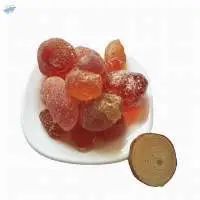
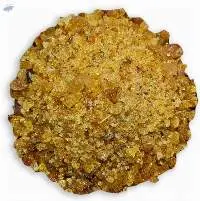
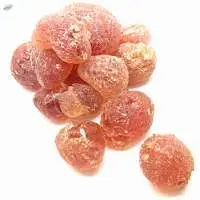
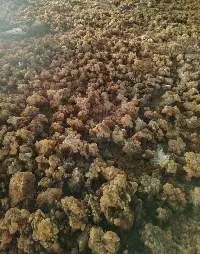
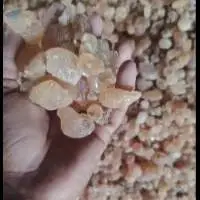
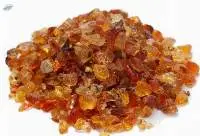
NIGERIA is the leading producer of Gum Arabic in West Africa. As well, it is the second largest world producer/exporter of Gum Arabic after Sudan. GumArabic (acacia senegalis) is a perennial tree found growing wild in large commercial quantity in the northern parts of Nigeria. However, when cultivated it takes about 5years to mature.
Gum arabic is a leguminous tree species that is well adapted to sudan and sahelian agro-ecology of Africa and it produces a natural gum made of hardened sap mostly taken from three species of the acacia tree; Acacia senegal (Grade 1), Acacia seyal(Grade 2) and Combretum though the major Acacia utilized for commercial Gum Arabic production in Nigeria are Acacia Senegal and Acacia seyal.
Types and grades of available Gum Arabic available for export
Grade 1: Hashab (Acacia Senegal)
General specifications of Hashab grades:
Hand Picked Selected: 16mm & above.
Cleaned and Sifted: 5mm 16mm.
Granules: 0.5mm 5mm.
Dust: 0.5mm.
Available sizes for export:
1mm & above.
Dust: 0.5 mm & under.
Grade 1: Talha (Acacia Seyal)
General specifications of Talha grades:
Cleaned: 4mm & above.
Sifting: 0.5mm 4mm.
Dust: 0- 0.5mm.
Available sizes for export:
Cleaned: 4mm & above.
Sifting: 0.5mm 4mm.
Dust: 0- 0.5mm.
Packing:
Packed in 25 or 50 Kg emulsion bags.
Minimum Quantity Order is: One FCL 20ft container (22 MT).
Features (%)
Purity - 97 minimum
Moisture - 10-12 maximum
Total Ash - 4-6%
Acid Insoluble residue - 0.4% maximum
Starch - Negative
Tanning Bearing gum - Negative
Salmonella - Negative
EColi - Negative
Gum Arabic is used in printing, paint production, glue, cosmetics and various industrial applications, including viscosity control in inks and in textile industries. Gum Arabic is a complex mixture of polysaccharides and glycoproteins that is used primarily in the food industry as a stabilizer.
Features (%)
Purity - 97 minimum
Moisture - 10-12 maximum
Total Ash - 4-6%
Acid Insoluble residue - 0.4% maximum
Starch - Negative
Tanning Bearing gum - Negative
Salmonella Negative
EColi Negative
Gum Arabic is used in printing, paint production, glue, cosmetics and various industrial applications, including viscosity control in inks and in textile industries. Gum Arabic is a complex mixture of polysaccharides and glycoproteins that is used primarily in the food industry as a stabilizer.
Gum arabic consists mainly of high-molecular weight polysaccharides and their calcium, magnesium and potassium salts, which on hydrolysis yield arabinose, galactose, rhamnose and glucuronic acid.
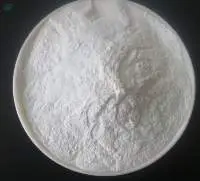
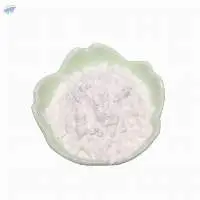
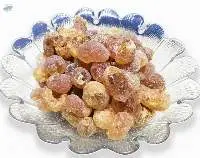
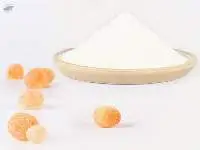
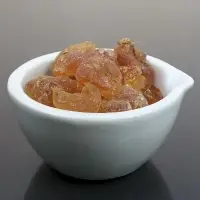
Gum arabic is also available commercially in the form of white to yellowishwhite flakes, granules
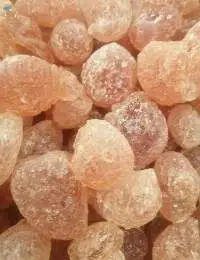
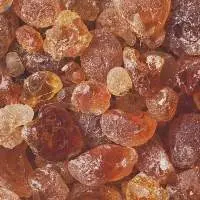
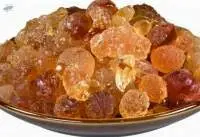
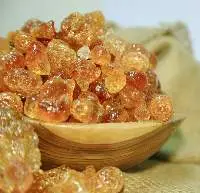
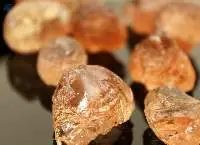
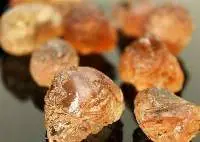
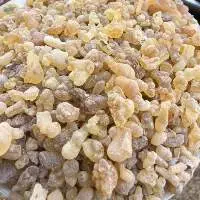
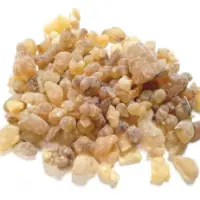
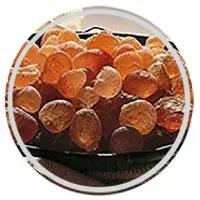
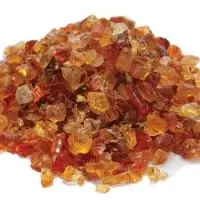
The unground product occurs as white to orange-brown, spheroidal tears of varying size or in
angular fragments. Gum arabic is also available commercially in the form of white to
yellowish-white flakes, granules, powder, roller dried, or spray-dried material. One gram dissolves
in 2 mL of water, forming a solution that flows readily and is acid to litmus, insoluble in ethanol.
Protein Content ---------- 1.78-2.57%
Chemical Characteristics ------------8%
100 % pure with certificates.
In Water Soluble in water
In Ethanol Insoluble A ethanol
Moisture content 9.83
optical rotation -29.99
PH 4.34
Ash content 3.35
Arsenic content <0.05
Lead content <0.05
Heavy metals content <0.05
Nitrogen content 0.33
Protein content(NCF of 6.6) 2.18
Salmonella species Absent
Escherichia coli Absent
Gum Arabic, a leguminous tree species that is well adapted to Sudan and Sahelian agro-ecology of Africa, is capable of generating foreign exchange for Nigeria and Africa if its production and processing are optimized.
In Nigeria, the plant grows in areas with rainfall range between 250-1000mm with temperatures between 20-400C. However, Acacia spp such as Acacia dudgeoni, Acacia gourmaensis and some species of Acacia sieberain are also found in Osun and Oyo States.
With our robust warehouse in Lagos the Southern part of Nigeria we can export 500-2000MT of this product per month.
Purity : 98% Min
Moisture : 10-12% Max
Total Ash : 4-6% Max
Acid Insoluble Residue : 0.4% Max
Free From Weevils And Insects
What Is Gum Arabic?
80% Of The World's Gum Arabic Is Sourced From Sudan
The Term Gum Arabic. Does Not Indicate A Particular Botanical Source. In A Few Cases, The So-called Gum Arabic May Not Even Have Been Collected From Acacia Species, But May Originate From Combretum, Albizia, Or Some Other Genus. The Gum Is Harvested Commercially From Wild Trees, Mostly In Sudan (80%) And Throughout The Sahel, From Senegal To Somalia.
Gum Arabic Is A Key Ingredient In Traditional Lithography And Is Used In Printing, Paint Production, Glue, Cosmetics, And Various Industrial Applications, Including Viscosity Control In Inks And In Textile Industries, Though Less Expensive Materials Compete With It For Many Of These Roles.
Types We Offer?
Best Gum Arabic Supplier In Sudan
1. Hashab Gum (acacia Senegal): We Offer This Type In One Grade Called The Cleaned Grade Which Is The Standard Grade Varying From Light To Dark Amber, Comprises Whole Or Broken Lumps And It Contains A Minimal Amount Of Siftings (fine Particles) But Dust, Bark, And Dirt Are Removed.
2. Talha Gum (acacia Seyal): Also Known As Talha And Its Considers Commercially As Second-grade Gum.
We Sort This Type Into Four Grades:
1.talha Sifting Grade:
Particle Size (0.5mm ~ 4mm).
2.talha Grade 3 (g3):
Particle Size (4mm And Above).
3.talha Dust Grade:
Particle Size (under 0.5mm).
4.talha Cleaned:
Consist Of A Minimum Of 35% Sifting And 65 % G3.
Source Of Gum Arabic
The World's Supply Of Gum Arabic Comes From Sudan
The Gum Exported Came From The Band Of Acacia Trees That Once Covered Much Of The Sahel Region, The Southern Littoral Of The Sahara Desert That Runs From The Atlantic Ocean To The Red Sea. Today, The Main Populations Of Gum-producing Acacia Species Are Found In Mauritania, Senegal Cameroon, Sudan.
Sudan Is The World's Largest Producer Of Arabic Gum.
Gum Arabic (also called Arabic Gum) is grown and produced in the Savannah / Arid Zones of Nigeria, from the Acacia Tree.
The Acacia Senegalese variety is the prevalent variety of gum arabic in Nigeria which produces the Grade One gum. There is a second variety known as the Acacia Seyel, which produces the grade two Gum.
Neogric's Gum Arabic (Grade 3) Specifications
-
Origin: Nigeria
Product Type: Gum Arabic
Grade: Grade 3
Physical Specification: Based On Buyer's Specification
Quantity: Based On Buyer's Specification
Trade Process: FOB/CIF
Packaging: Based on Buyer's Specification
Payment Method: TT or L/C
Shipping Time: 15 to 25 days after confirmation of TT or L/C
Loading Port: Lagos, Nigeria or Tema, Ghana
Expected Shipping Documents
-
Bill of Lading
Certificate of Origin
Phytosanitary Certificate
Fumigation Certificate
Commercial Invoice
Packing List
Gum Arabic (also called Arabic Gum) is grown and produced in the Savannah / Arid Zones of Nigeria, from the Acacia Tree.
The Acacia Senegalese variety is the prevalent variety of gum arabic in Nigeria which produces the Grade One gum. There is a second variety known as the Acacia Seyel, which produces the grade two Gum.
Neogric's Gum Arabic (Grade 2) Specifications
-
Origin: Nigeria
Product Type: Gum Arabic
Grade: Grade 32
Physical Specification: Based On Buyer's Specification
Quantity: Based On Buyer's Specification
Trade Process: FOB/CIF
Packaging: Based on Buyer's Specification
Payment Method: TT or L/C
Shipping Time: 15 to 25 days after confirmation of TT or L/C
Loading Port: Lagos, Nigeria or Tema, Ghana
Expected Shipping Documents
-
Bill of Lading
Certificate of Origin
Phytosanitary Certificate
Fumigation Certificate
Commercial Invoice
Packing List
Arabic gum, a natural gum derived from the sap of trees, boasts remarkable versatility as a constituent utilized in an array of products, including consumables such as food and beverages, as well as cosmetic items
GUM ARABIC
Gum Arabic (GA) is a natural branched-chain multifunctional hydrocolloid with a highly neutral or slightly acidic, arabino-galactan-protein complex containing calcium, magnesium, and potassium. Gum Arabic is dried exudate obtained from the stem and branches of Acacia trees manly Acacia Senegal and Acacia seyal
Benefits of Arabic gum
Gum Arabic is a source of dietary fiber. It tends to make people feel full, so they might stop eating earlier than they otherwise would. This might lead to weight loss and reduced cholesterol levels
Health Benefits
Eases Irritable Bowel Syndrome Symptoms.
Aids in Weight Management
May Help With Fecal Incontinence
May Lower Cholesterol
Supports Liver Health
Gum arabic is the product of the acacia or acacia tree, which is abundant in the tropics and especially in Sudan, which is the largest producing country for it, and is famous for its gum known as Hashab. Gum arabic is used primarily in Food Industry It is used as an emulsifier, suspension and stabilizer in emulsions, binding agent in compresses, and as a viscosity-raising agent. It is used in the printing and production of paint, glue, cosmetics and various industrial applications.
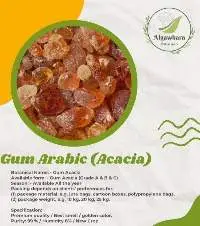
Botanical Name :- Acacia senegal
Available form :- Gum Acacia
Packing :- in polypropylene or paper bags
Otherwise, packing depends on clients preferences for:
(1) package material, e.g. jute bags, cartoon boxes, polypropylene bags, etc., and (2) package weight, e.g. 10 kg, 20 kg, 25 kg, 50 kg, etc.
Natural acacia gum harvested in Sudan and recognised as one of the world's most valued hydrocolloids.
Sudan produces over 70% of the global supply of gum Arabic, and The Agriculture Group sources directly from established collection networks in the country's prime gum belt. Our gum Arabic is carefully cleaned, graded, and tested to meet the requirements of food, pharmaceutical, and industrial buyers.
We supply both Acacia senegal (hard gum, Grade 1) and Acacia seyal (friable gum), with grading tailored to your application needs.
Color : Pale yellow to amber
Aroma : Mild, characteristic
Taste : Neutral to mildly sweet
Moisture : 10 - 15%
Foreign Matter : 0.5 - 1%
Solubility : High, grade-dependent
Purity : Typically 95% for selected food-grade material
- Cleaned Grade
- Medium to Small Size Modules
- Loss on Drying: Max 15%
- Total Ash: max 4%
- Nitrogen Content: 0.24 to 0.41%
- Protein Content: 1.58 to 2.7%
- Arsenic: Max 3mg/kg
- Lead: Max 10mg/kg
- Heavy Metal: Max 40mg/kg
Gum Arabic is obtained from the trunk and leaves of different species of African Acacia.
Gum Arabic, also known as gum Sudani, acacia gum, Arabic gum, gum acacia, acacia, Senegal gum. It is a natural gum made of hardened sap taken from two species of the acacia tree; Acacia Senegal and Acacia seyal.
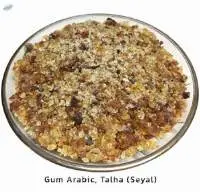
Gum Acacia Talha product from the acacia tree seyal.
Minimum order 500 kgs.
Shipping from Bangkok port, Thailand.
Gum Arabic is obtained from the trunk and leaves of different species of African Acacia.
Gum Arabic, also known as gum Sudani, acacia gum, Arabic gum, gum acacia, acacia, Senegal gum. It is a natural gum made of hardened sap taken from two species of the acacia tree; Acacia Senegal and Acacia Seyal.
Products Sudan origin, Minimum order 500 kgs.
Shipping from Bangkok port in Thailand.
Full container shipping from Sudan port (20 tons per twenty foot container)
Gum Arabic is a rich source of dietary fibers and in addition to its widespread use in food and pharmaceutical industries as a safe thickener, emulsifier, and stabilizer.
Our products are manufactured in a hygienic and safe process for consumers under the following certificates:
1. HACCP
2. GMP
3. Halal
4. Kosher
5. FDA
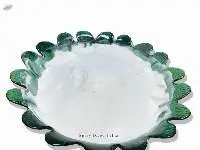
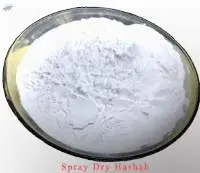
We are pleased to provide you with a certified and best quality of Spray dried Gum Arabic, both Hashab and Talha.
Also, we are offering the mechanical types of powders of gum Arabic as well as the raw gum Arabic.
E 414
Food grade
we have 3 main Categories (Raw, Mechanical powder and Spray dried powder), for both (Hashab and Talha types) known as Acacia Senegal and Acacia Seyal or E414.
We are HACCP, Kosher, GMP and FDA Certified.
For a requesting free sample, product's competitive price and flexible terms of payment for whole-sale later.
Product: Gum Arabic, nodules of large size
Packing: 50 Kg jute bags
25 kg polypropylene plastic bags
1800 Kg multilayer polypropylene jumbo bags
Composition:natural,organic,polysaccharide, which on
hydrolysis yield,arabinogalactan, rhamnose, glucuronic acid,
galactose,a minor protein Component,and 4Â0 methoxy glucuronic
acid
Specification:
Solubility:highly soluble in water, give up to 50%
Hydrolysis products:passes test
Moisture less than 15%
Total ash less than 4%
Viscosity:70 Â 110 mpsc
Ph:4.2 to 4.8
Tannin test:passes test
Nitrogen content:0.24 to 0.41%
Protein content: 1.58 to 2.7% (N x 6.6)
Starch and dextrin: Passes Test
Salmonella sp: Absent/g
E.coli: Absent/g
Usage: Emulsifier
Stabilizer
Thickener
Storage:Dry conditions preferable
Shelf Life:Unlimited
Features (%) Purity - 97 minimum Moisture - 10-12 maximum Total Ash - 4-6% Acid Insoluble residue - 0.4% maximum Starch - Negative Tanning Bearing gum - Negative Salmonella Negative EColi Negative Gum Arabic is used in printing, paint production, glue, cosmetics and various industrial applications, including viscosity control in inks and in textile industries. Gum Arabic is a complex mixture of polysaccharides and glycoproteins that is used primarily in the food industry as a stabilizer.
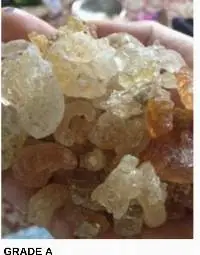
GUM ARABIC (GRADE A )
Packaging Details: Dried
Port: Lagos Apapa Port
Bags: 50 kg
Container: 40 ft only
Lead time:
Quantity (metric tons) 50 MT 50 MT
Lead time (days) 30 Days 30 Days
Gum Arabic is a natural Gum used in various applications, including food, cosmetics, pharmaceuticals, papermaking, ink, and paint. Gum Arabic is also used in other applications, such as manufacturing adhesives, textiles, and photographic film. We have an uninterrupted supply of Gum Arabic from Nigeria, the world's 3rd major producer of Gum Arabic. Nigerian Gum Arabic offers several benefits, including High quality, purity, and consistent supply. Nigeria's annual Gum Arabic production is estimated to be around 100,000 tons.
GUM ARABIC (GRADE B)
Packaging Details: Dried
Port: Lagos Apapa Port
Bags: 50 kg
Container: 40 ft only
Lead time:
Quantity (metric tons) 25MT 125 MT
Lead time (days) 30 Days 30 Days
GUM ARABIC (GRADE C)
Packaging Details: Dried
Port: Lagos Apapa Port
Bags: 50 kg
Container: 40 ft only
Lead time:
Quantity (metric tons) 25MT 250 MT
Lead time (days) 30 Days 30 Days
Our High Quality Arabic Gum is not treated by heat and is in its natural state and comes from a deciduous shrubby tree native to the semi-desert regions of Sub-Saharan Africa, in particular from Somalia/Ethiopia.
Myrrh gum comes from a small, spiny, deciduous shrubby tree native to Yemen, Somalia, Eritrea and eastern Ethiopia which reaches a height of 4 metres. The base of the trees trunk is thick and looks swollen, stems like this are known as 'pachycaul', the bark is papery and can be reddish in colour to bluish grey; many gnarly thorny branches grow off the trunk. The trifoliate, elliptical to lanceolate leaves are pinnately compound, alternate and 5-35mm in length, they are mid green in colour with serrated edges. The 4-petaled flowers are 3-4mm in length and white to creamy white in colour. The resin exudes from the tree readily without the tree having to be cut or scored.
Frankincense resin comes from a shrubby deciduous tree native to Ethiopia and parts of Somalia, Oman and Yemen, which can have several trunks and grows between 2-8 metres in height. The bark of the tree is papery, thin and readily peels from the trunk. All parts of the tree are highly resinous, although resin doesn't begin to appear until the tree is 8 years of age or older. The alternate and oddly-pinnate compound leaves are clustered at the end of the branches and are comprised of 9-15 leaflets which are serrated and pale green on the underside and darker green on the upper surface. The 5-petaled flowers are borne in axillary racemes that are 10cm in length and creamy white sometimes white to pinkish
These products are 100% natural organic, harvested from wild trees naturally, with no damage to the environment, which is very important to Fodey Enterprises Ltd. This makes these products sustainable and responsibly sourced. We only collect what the trees naturally discharge and we don't allow these trees to be taped, as that damages the trees.
Describe
Product Name: gum arabic .
Available shapes:
Available times: at all times of the year.
Packing: In polyethylene bags.
Weight: 20 kg net weight
Essential natural emulsifier, binder, and stabilizer for food & beverage, confectionery, cosmetics, and pharmaceuticals. High dietary fiber supplement used in dietary products and health applications. Ideal for industrial manufacturers.
Gum Arabic, also known as acacia gum, is a natural plant-derived substance obtained from the sap of Acacia trees, primarily Acacia senegal and Acacia seyal. This water-soluble sap is dried to form a hard, brittle, and odourless substance, which is then processed into a powder or used in its gum form. Gum Arabic has various applications, including as a thickening agent, stabilizer, and emulsifier in the food industry. It is also employed in pharmaceuticals, textiles, printing, and cosmetics due to its adhesive and binding properties. Additionally, gum Arabic is utilized in traditional medicine for its potential health benefits.
1650 Arabic Gum Suppliers
Short on time? Let Arabic Gum sellers contact you.