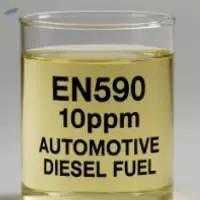
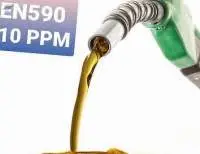
EN590 10 PPM Diesel is a low-sulfur automotive diesel fuel designed to meet the requirements of the European diesel fuel specification EN 590, with sulfur content limited to a maximum of 10 mg/kg (10 ppm). It is suitable for modern diesel engines and is widely used for passenger vehicles, commercial vehicles, generators, agricultural machinery and industrial equipment.
Cetane Number : 51
Cetane Index : 46
Density at 15C : 820 - 845 kg/m
Flash Point : 55C
Water Content : 200 mg/kg
Ultra-low sulfur content of up to 10 ppm
Designed for modern diesel engines
Helps reduce sulfur-related emissions
Suitable for advanced emission-control systems
Good ignition characteristics with high cetane quality
Jet Fuel A1 is available through a direct mandate with a Kazakhstan refinery and title holder. The product is non-sanctioned and supplied in accordance with international aviation fuel specifications for commercial and private aviation use.
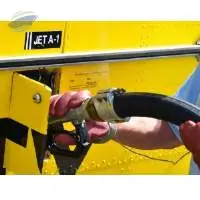
JET A-1 Aviation Turbine Fuel is a kerosene-type aviation fuel used primarily in commercial and military turbine-engine aircraft. It is formulated to provide reliable combustion, suitable low-temperature performance, thermal stability and controlled fuel quality for aviation applications.
JET A-1 is generally traded internationally according to recognized aviation-fuel specifications and requires strict quality control throughout production, storage, transportation and delivery.
Aromatics : Controlled according to applicable specification
Water Separation : Controlled according to aviation-fuel requirements
Thermal Stability : Compliant with applicable aviation specification
Electrical Conductivity : Controlled where required
Suitable for commercial turbine aircraft
Excellent low-temperature performance
High-quality controlled aviation fuel
Low freezing point suitable for high-altitude operation
Strictly controlled fuel cleanliness
LNG (Liquefied Natural Gas) is natural gas that has been cooled to approximately â??162�°C, reducing its volume substantially for efficient storage and transportation. It primarily consists of methane and is widely used for power generation, industrial heating, city gas distribution, marine fuel, and other energy applications. LNG is supplied in bulk under cryogenic conditions with specifications customized according to buyer requirements and destination-country regulations.
Sulfur : Very low
Water : Controlled to pipeline/LNG specification
Nitrogen : Contract/specification dependent
Heating value : Typically ~35 - 45 MJ/Nm
Density : Approx. 430 - 470 kg/m
High energy density compared with gaseous natural gas
Efficient for long-distance transportation
Lower sulfur and particulate emissions than many conventional fossil fuels
Suitable for large-scale industrial and power applications
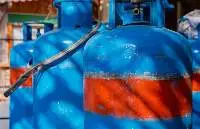
LPG (Liquefied Petroleum Gas) is a clean-burning gaseous fuel stored and transported in liquefied form under pressure. It primarily consists of propane, butane or a mixture of both, depending on the grade and intended application.
Main Components : Propane / Butane
Physical State ; Liquefied gas under pressure
Appearance : Colorless
Odor : Odorized for leak detection where required
Propane Content : Grade dependent
High energy content
Clean-burning fuel compared with many conventional solid fuels
Easy to store and transport in liquefied form
Suitable for domestic and industrial applications
Rapid and controllable combustion
Crude Oil is an unrefined petroleum product extracted from underground reservoirs and used as the primary feedstock for producing fuels, lubricants, petrochemicals, plastics and other petroleum-based products. Crude oil is classified according to its API gravity, sulfur content, viscosity, density and overall quality.
Color : Brown to black
API Gravity : Approximately 20 - 45 API, depending on grade
Sulfur Content Low, medium or high sulfur depending on origin
Density : Typically 0.80 - 0.95 g/cm
Water & Sediment : As per contractual specification
Salt Content : As per refinery specification
Major feedstock for global petroleum refining
Available in light, medium and heavy grades
Can be selected according to refinery requirements
Suitable for fuel and petrochemical production
Supports large-volume industrial procurement
We can assist in providing reliable seller for the following product below as described with specification to any world safe port !
Aviation Kerosene Colonial Grade JP54 is a kerosene-based aviation turbine fuel intended for gas-turbine-powered aircraft. In commercial commodity trading, although internationally recognized civil aviation fuel is typically marketed as Jet A-1 (ASTM D1655/DEF STAN 91-091), while the traditional CIS aviation fuel specification is TS-1 under GOST 10227.
Typical Technical Characteristics
Property Typical Value
Appearance Clear, bright, straw-colored liquid
Fuel Type Aviation Turbine Kerosene
Density @ 20C 0.775-0.840 kg/L
Flash Point Minimum 38C (Jet A-1) or 28C (TS-1, depending on specification)
Freeze Point Maximum -47C (Jet A-1) or -50C (TS-1)
Sulfur Content Maximum 0.20% by mass
Net Heat of Combustion Approximately 42.8 MJ/kg
Smoke Point Minimum 25 mm (typical export quality)
Gasoline is a refined petroleum fuel used primarily in spark-ignition internal combustion engines, such as those in most cars, motorcycles, lawn equipment, and small generators. It is produced by refining crude oil and blending hydrocarbons with additives to improve performance and reduce engine deposits.
Export fob and cif
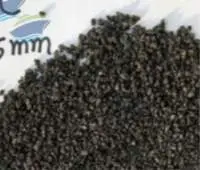
Calcined petroleum coke (CPC) is an essential carbon material widely used in aluminium smelting,steel production and other high-temperature industrial processes. Its high carbon purity and conductivity make it a critical material in metallurgical manufacturing. Aurora Global Trading sources petroleum coke from trusted refineries and processing facilities,supplying industrial buyers with consistent quality material and dependable international logistics support. High carbon industrial fuel material Used in aluminium smelting and metallurgy Reliable refinery supply partners International shipping and logistics coordination.
Fuel type : Diesel gas oil
Standard : EN 590
Sulfur : 10 mg kg 10 ppm
Cetane number : 51
Cetane index : 46
Density at 15C : 820845 kgm
Flash point : 55C
Viscosity at 40C : 200450 mms
Water content : 200 mg kg
FAME biodiesel content : Typically up to 7 vv depending on grade and market
Appearance : Clear and bright free from visible contamination
Jet A-1 is a kerosene-type aviation turbine fuel used by most commercial turbine-powered aircraft.
Applications ; Commercial, cargo and business turbine aircraft
Color/appearance : Clear and bright, free from visible contamination
Flash point : Minimum 38C
Freezing point : Maximum 47C
Specification : ASTM D1655 / DEF STAN 91-091
NATO designation : F-35
Sulfur : Controlled according to applicable specification
Water & sediment : Strictly controlled
Thermal stability : Must meet applicable aviation specification
Additives Only approved additives where required
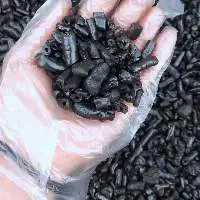
Coal tar pitch, a kind of artificial pitch, is generally viscous liquid, semi-solid or solid. It is black and shiny. In the process of coal tar processing, the residue after the liquid fraction is removed by distillation is called coal tar pitch. Coal tar pitch is the main component of coal tar, accounting for 50%~60% of the total amount. Generally, it is believed that its main components are polycyclic aromatic hydrocarbons, polycyclic aromatic hydrocarbons and their derivatives.The specific composition of the compounds is complex,and the difference of raw coal types and processing technology will also lead to the difference of components, The current method is mainly based on the softening temperature.
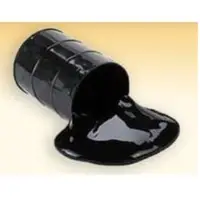
Asphalt bitumen is mainly used as basic construction materials, raw materials and fuels, and its application scope is such as transportation (road, railway, aviation, etc.), construction industry, agriculture, water conservancy engineering, industry
(mining industry, manufacturing industry), civil and other departments.