Plastic packaging, plastic bags, plastic bottles, plastic containers, pet bottles, pp products, hdpe products, ldpe products, plastic household items, plastic furniture, ceramic tiles, sanitary ware, marble, granite, cement, cement clinker, gypsum board, pvc pipes, upvc pipes, steel products, wire mesh, fasteners, steel pipes, galvanized steel, stainless steel products, tomato paste, canned food, biscuits, confectionery, snacks, dairy products, detergent chemicals, caustic soda, soda ash, industrial solvents, plastic raw materials, pvc resin, hdpe resin, pp resin, passenger car tyres, truck tyres, otr tyres, fertilizers, urea 46% (prilled), urea 46% (granular), dap, map, mkp, app, dsp, ssp, fmp, npk fertilizers, pk fertilizers, potassium sulphate (sop), organic fertilizers, organic liquid fertilizers, urea phosphate, dl methionine, l lysine, dicalcium phosphate (dcp), monocalcium phosphate (mcp).International commodity trading, global sourcing, import & export, supplier verification, factory audit & quality inspection, trade facilitation, procurement services, logistics coordination, supply chain management, export documentation, contract negotiation, shipping coordination, customs documentation support, market sourcing, private label & oem sourcing, primary busin
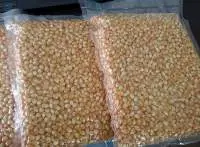
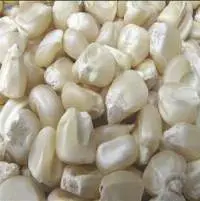
White maize and yellow maize.
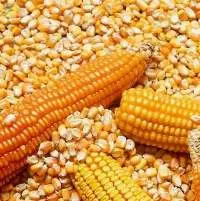
Maize.
Maiz azul, blue corn products.
Agricultural products like rice, maize.
Yellow maize, avocado.
Tiger Nuts And Maize.
Hardwood charcoal, maize.
Palm oil, maize and dried chilli.
Maize, also known as corn, is a tall grass that produces cereal grain. It is the most produced cereal in the world. It is a staple food for humans and is used in animal feed and as raw material in various industries. Maize is mainly used for animal feed and industrial applications.
Maize has multiple uses, and as explained earlier that it is mainly used as a key ingredient in the animal feed industry and in industrial applications. However, it is used for other sources as well:
The maize market is witnessing fluctuations due to multiple factors such as growing consumer demand for non-genetically modified maize, which has led to an increase in the cost of organically produced maize. Due to climatic conditions, the maize fields are being significantly affected, which is forcing the producers/farmers to produce genetically modified maize.
Despite these factors, the maize industry has a gradual growth:
Source: Market Data Forecast- Maize Market (2025-2033)
The Indian corn market was valued at US$ 1.46 billion in 2024 and is expected to grow with a CAGR of 7.8% valued at US$ 2.3 billion in 2030.
Key Market Drivers
Maize is a high-volume, high-demand crop with relatively low production costs. Buyers can profit in several ways:
If you are interested in buying maize, here is the list of Maize Suppliers
Conclusion
Maize, being the most widely used product worldwide, makes it the best product to invest in if you’re planning to start your own D2C or B2B business. There are various versatile by-products of maize that can be a great business opportunity for businesses leading to high margins and long-term trade relationships, and profitability.
Frequently Asked Questions
1. What is the maize price in India today?
It ranges from INR 18 to INR 26 per kg, depending on the region and quality.
2. What is the maize price per kg in the international market?
As of 2024, it averages around USD 0.30 to 0.40 per kg, depending on demand and shipping conditions.
3. Which is the largest producer of maize in India?
Karnataka holds the top spot in maize production in India.
4. What is the HS Code for maize?
The HS Code for maize is 11042300
5. What documents are required to import maize from India?