Please click here to check who's online and chat with them.

Find Verified Pepper Extract Suppliers, Manufacturers and Wholesalers

Jun-17-22
Supplier From Amphoe Bang Phli, Samut Prakarn, Thailand
 Inquire Now  
PRODUCT INFO
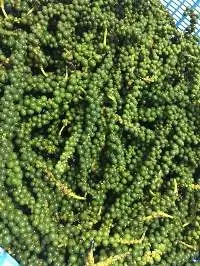
Young pepper (Prik Thai On) (scientific name: Piper nigrum) is a plant recognized as the king of pungent spices. and is a spice that gives it a spicy flavor Can be used to make dried pepper as a condiment. If the whole husk is dried, black pepper will be obtained because the rind will be black when dried. The white pepper is obtained by peeling off the bark first. It was found that both dried and fresh fruits were used for cooking. or dried and ground into a powder called ground pepper which pepper is a different plant species from chili (Chilli).

USES
In Asia, we use pepper in all its stages of development. Sprigs of very aromatic, young green berries appear in stir-fried dishes, curries, soups and dipping sauces. As pepper berries mature, they change from light green to dark green and then begin to turn red. Picked before fully matured, the peppercorns are dried, the outer peel turning black and shriveled, and this is the form most popular in the west. Fully ripened red berries are allowed to ferment briefly in a warm place, then their peel is rubbed off, revealing irregularly white seeds. For a refreshingly aromatic peppery taste, grind your own pepper when you need it. Use a pepper mill, mortar and pestle, or if you are grinding a large amount, a clean coffee grinder designated solely for grinding dry spices. Pre-ground pepper loses aroma and flavor over time.

SEASONS
Young peppercorn will bloom in May during the harvest season. will be around January.
Jun-17-22
Supplier From Amphoe Bang Phli, Samut Prakarn, Thailand
 Inquire Now  
PRODUCT INFO
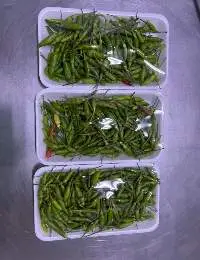
Bird's Eye Chili (Prik Kee Noo) are small, thin, pointy peppers that are red when mature. They are green when unripe but can still be eaten, and are sometimes orange or purple depending on maturity. In the case of Thai cuisine, green peppers are typically used in green curries, while hotter, mature red peppers are used in red curries. When fresh, they often have a stem still attached and contain loose, edible seeds that are especially spicy. The peppers are affordable thanks to their low weight and can be used whole, sliced, or seeded and diced.

SEASONS
Bird's Eye Chili are available year-round.
Jun-17-22

Red Chilli

MOQ: Not Specified
Supplier From Amphoe Bang Phli, Samut Prakarn, Thailand
 Inquire Now  
PRODUCT INFO
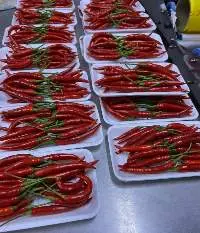
Red Chilli is a fruit which belongs to Capsicum genus. It has many varieties which are differentiated on its pungency measured on Scoville Scale. Chilli fruit when ripened and dried becomes red chilli, which is further grounded to form red chilli powder. These are categorized as hot pepper. Red chilli became famous all around the world because of its characteristics like pungency, taste and flavor matched black pepper, which was very expensive during old times and thus it became one of the most important and integral spices.

SEASONS
Red Chili is available year-round.
Jun-17-22

Green Chilli

MOQ: Not Specified
Supplier From Amphoe Bang Phli, Samut Prakarn, Thailand
 Inquire Now  
PRODUCT INFO
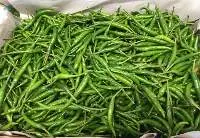
Green Thai chile peppers vary in size and shape, depending on the specific variety, and are generally small, conical, and slender, tapering to a point on the non-stem end. The pods range in length from 2 to 7 centimeters, and the skin is smooth, taut, and waxy, ripening from green to bright red when mature. Underneath the surface, the flesh is thin, crisp, and pale green, encasing a central cavity filled with small, round, and flat cream-colored seeds. Green Thai chile peppers have a subtly earthy and grassy flavor with an immediate, pungent heat.

SEASONS
Green Chilli are available year-round.
Nov-23-20

Red Chili

MOQ: Not Specified
Supplier From Amphoe Bang Phli, Samut Prakarn, Thailand
 Inquire Now  
Chilli is a fruit which belongs to Capsicum genus. It has many varieties which are differentiated on its pungency measured on Scoville Scale. Chilli fruit when ripened and dried becomes red chilli, which is further grounded to form red chilli powder. These are categorized as hot pepper. Red chilli became famous all around the world because of its characteristics like pungency, taste and flavor matched black pepper, which was very expensive during old times and thus it became one of the most important and integral spices.

PRODUCT INFO
They are an excellent source of vitamin C but excess use of red chillies may cause indigestion and heartburn. Capsaisin, the chemical that makes chillies hot is known to reduce the risk of skin and stomach cancer. They contain more vitamin C than an orange. It also acts as a remedy for cold and sinus symptoms. It does not contain any cholesterol.

USES
Red chili's are usually grounded into a powder and used as a spice. Red chili's are dried or pickled in order to store them for a long period of time. It is a popular ingredient in most Indian dishes and curries.

Red chili's are also used extensively for making sauces which are used to add spice to other dishes.

SEASONS
Red Chili is available year-round.
31 Pepper Extract Suppliers
Short on time? Let Pepper Extract sellers contact you.
Jun-17-22
Supplier From Amphoe Bang Phli, Samut Prakarn, Thailand
 Inquire Now  
PRODUCT INFO
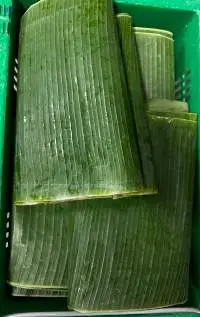
Banana leaves are large, wide, elongated, and slightly rounded, averaging two meters in length, a half a meter in width, and 8-12 leaves per tree. The surface of the leaves are waxy, flexible, and glossy, and range in color from lime, olive green, to dark green. There is a central midrib that runs the length of the leaf and two laminas, or leaf halves are found on either side of the midrib. The leaves do not have branching veins, and this makes them vulnerable to tearing easily. Banana plants also have a pseudostem, which is a false stem that looks like a trunk but is multiple fleshy leaf sheaths that are tightly overlapped. Banana leaves have a grassy and sweet, green flavor.

USES
In addition to culinary uses, Banana leaves have also been used in the Buddhist and Hindu religion as decorations and as bowls, plates, and offerings in special religious celebrations such as marriage ceremonies. They are also used in India and the Philippines to construct fences and thatched roofs and have even been used as umbrellas.

SEASONS
Banana leaves are available year-round.
Jun-17-22
Supplier From Amphoe Bang Phli, Samut Prakarn, Thailand
 Inquire Now  
PRODUCT INFO
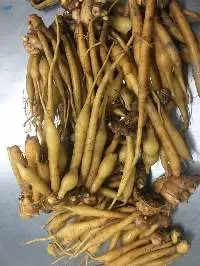
Finger Root, also known as Chinese ginger, Chinese key, Chinese-keys is the low herb which creeps in soil. It has rhizomes which is thick, aromatic and yellow brown of size 5-30 x 0.5-2 cm in size. The petiole of the plant is hairless, grooved and 7-16 cm long. Leaves are lanceolate and erect in shape with pointed tip and smooth surface. The leaves have light green color of 5-11 cm wide. The flowers are pink to yellow to white which is tubular and 50-52 mm. It grows in lowland tropical regions. The flowering time occurs in January to February and April to June. It grows well in humid and hot climate. Fingerroot is native to Southeast Asia and China but also cultivated in India, Cambodia, Indonesia, Sri Lanka, Myanmar, Vietnam and Thailand.

USES
Finger Root is a medicinal as well as culinary herb also called Chinese ginger that is native to China and Southeast Asia. As the shape of rhizome resembles fingers, it has got named as fingerroot. It is known as krachai in Thai. This plant belongs to Zingiberaceae family. This plant is either perennial or biennial that has tall leaves and pink to purple flowers.


SEASONS
Finger root is available year-round.
Jun-17-22

Yam Bean

MOQ: Not Specified
Supplier From Amphoe Bang Phli, Samut Prakarn, Thailand
 Inquire Now  
PRODUCT INFO
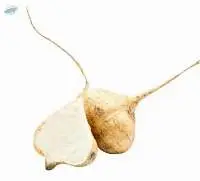
Yam Bean is a legume. The appearance of the yam tree is a creeping vine. The plump head extends from the taproot. solid conan Square shape, flattened, 1 yam, with only one head. The part used to eat is the tapioca root.

USES
The head of the yam bean part used for eating Appearance is light brown, inside is white. When chewed, it feels crispy like a fresh pear fruit. It also has a flour-like flavor but is sweet. It is generally eaten fresh. or dipped in salt and pepper It can also be used to cook both savory and sweet dishes as well, such as kaeng som, wild curry, sweet and sour stir-fry, and egg stir-fry. It is a mixture of steamed buns. and Ruby Krob.

SEASON
Yam beans are available year-round.
Jun-17-22
Supplier From Amphoe Bang Phli, Samut Prakarn, Thailand
 Inquire Now  
PRODUCT INFO
"Tom Yum Set" is sold containing a fresh lemongrass, fresh galangal, fresh red thai chiles, fresh kaffir lime leaves, ready to take home and cook up your own tom yum soup.

USES

"Tom yum" is a type of hot and sour Thai soup, usually cooked with shrimp (prawn). Tom yum has its origin in Thailand.
"Tom yum" is characterised by its distinct hot and sour flavours, with fragrant spices and herbs generously used in the broth. The soup is also made with fresh ingredients such as lemongrass, kaffir lime leaves, galangal, lime juice, fish sauce, and crushed red chili peppers. The tom yum seasoning has been investigated as a potential functional food and a natural antimicrobial because of its kaffir lime leaf and red chili content.
Jun-17-22
Supplier From Amphoe Bang Phli, Samut Prakarn, Thailand
Supplier Of Fresh Cucumber   |   Green Pepper   |   Onion   |   Tomato   |   Cucumber   |   Mint Leaves   |   Quinoa   |   Ties
 Inquire Now  
PRODUCT INFO
Big Cucumber, fruit length 15 cm or more, fruit width more than 2.5 cm, thick flesh, small intestine. For varieties in Thailand, the bark is green to dark green. especially the part near the fruit pole and the end of the fruit has a light green or white dot There is a white stripe that extends to the tip of the fruit. foreign species The result will be a uniform dark green color.

USES
Big cucumbers are commonly consumed raw. Slice cucumbers and add to salads or a crudite plate. Marinate Cucumbers in oil, vinegar, and spices and serve with sugar snap peas and mint leaves. Shred big cucumbers into a cheesecloth and squeeze to remove as much moisture as possible and then mix with yogurt and dill for a tatziki sauce. It can also be sliced lengthwise, diced, and added to quinoa or bulgur wheat salad. Big cucumbers pair well with mint, dill, tuna fish, chicken salad, tomatoes, green peppers, and onions. Big cucumbers will keep for a few days when stored in the refrigerator. If only a portion of the Big cucumbers is used, wrap the remaining piece tightly in plastic and store in the refrigerator to prevent dehydration.

SEASONS
Big cucumbers are available year-round.
Jun-23-22
Supplier From Amphoe Bang Phli, Samut Prakarn, Thailand
Supplier Of Mint   |   Cakes   |   Mints   |   Sauces   |   Oils   |   Potato   |   Garlic   |   Yam   |   Currants   |   New Potatoes
 Inquire Now  
PRODUCT INFO
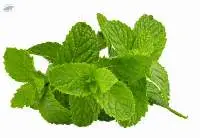
Kitchen Mint (Bai Saranae) it is a ground cover plant. Leaves are fortified, green, leaf margins wrinkled, prefer loamy soil, easy to grow, grow quickly. if well cared for The leaves will be beautiful and the leaves will be collected faster. It is used to cook spicy salads, larb, and tom yam dishes. And help flavor to make it more appetizing. In addition, it is also used to make medicine and extract essential oils that are used in many industries.

USES
Mint (English: Kitchen Mint) can be used both in sweet and savory dishes. Add mint to new potatoes or to a garlic and cream cheese dip. Mix mint with chocolate cakes or bake with raisins and currants in pastry. Mints are an excellent addition to sauces, syrups, vinegars, and teas.


SEASONS
Kitchen Mint is available between July - Oct each year.
Jun-17-22
Supplier From Amphoe Bang Phli, Samut Prakarn, Thailand
Supplier Of Fresh Brinjal   |   Milk   |   Soy Sauce   |   Seeds   |   Potato   |   Onion   |   Tomato   |   Garlic   |   Ginger   |   Eggplant   |   Basil   |   Coconut Milk   |   Ties
 Inquire Now  
PRODUCT INFO
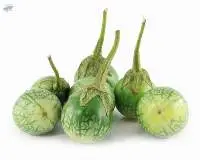
Thai eggplants can have an elongated, cylindrical shape to a small, globular shape, averaging 2-3 centimeters in diameter. The outer skin is smooth and glossy and ranges from dark green, light green, to white. The vivid green hues begin at the fruit's stem and then fade to a creamy white in a striping pattern. The inner flesh is pale green to white and contains many small, brown, edible seeds. Thai eggplants are crunchy and mild with a slightly bitter taste.


USES
Thai eggplants can be consumed in both raw and cooked applications such as grilling, frying, baking, pureeing, stewing, stuffing, and pickling. This eggplant is unique because unlike other eggplant varieties that require cooking, it can be used in raw preparations, such as salads and crudite. The seeds are edible but can be difficult to chew. In cooked applications, Thai eggplants are most commonly used in curries, and when cooked they become soft and soak up the sauce with ease. They can also be sliced and added to stir-fries or battered and fried into a tempura side dish. Thai eggplant pairs well with aromatics such as garlic, ginger, and onions, herbs such as basil, oregano, cilantro and parsley, nightshade family members including tomatoes, potatoes, and peppers, as well as coconut milk, soy sauce, shellfish, and poultry. Thai eggplants will keep up to three days when stored in a cool and dry place.

SEASON
Thai eggplants are available year-round.
Jun-17-22
Supplier From Amphoe Bang Phli, Samut Prakarn, Thailand
Supplier Of Fresh Cucumber   |   Green Pepper   |   Seeds   |   Onion   |   Tomato   |   Cucumber   |   Mint Leaves   |   Quinoa   |   Ties
 Inquire Now  
PRODUCT INFO
There are many different varieties of Cucumbers that can be divided into two different groups: pickling and slicing. Pickling cucumbers are smaller, can be oblong and short to long and cylindrical, and have thin, green skin which is ideal for pickling. Slicing cucumbers are large and cylindrical, averaging 15-20 centimeters in length, and have thick skin. The skin can be smooth or ribbed with small bumps and nodes depending on the variety. Slicing cucumbers are most commonly seen in the local market's produce section and can range in color from dark green, to yellow or white. The inner flesh is light green with pale, edible seeds and has a crisp, aqueous texture and mild floral and grassy flavor.

USES
Cucumbers are commonly consumed raw. Slice cucumbers and add to salads or a crudite plate. Marinate Cucumbers in oil, vinegar, and spices and serve with sugar snap peas and mint leaves. Shred Cucumber into a cheesecloth and squeeze to remove as much moisture as possible and then mix with yogurt and dill for a tatziki sauce. It can also be sliced lengthwise, diced, and added to quinoa or bulgur wheat salad. Cucumbers pair well with mint, dill, tuna fish, chicken salad, tomatoes, green peppers, and onions. Cucumbers will keep for a few days when stored in the refrigerator. If only a portion of the Cucumber is used, wrap the remaining piece tightly in plastic and store in the refrigerator to prevent dehydration.

SEASONS
Cucumbers are available year-round.
Jun-17-22
Supplier From Amphoe Bang Phli, Samut Prakarn, Thailand
Supplier Of Fresh Mushroom   |   Caps   |   Soy Sauce   |   Onion   |   Garlic   |   Ginger   |   Carrot   |   Bell Pepper   |   Celery   |   Lemon   |   Ties
 Inquire Now  
PRODUCT INFO
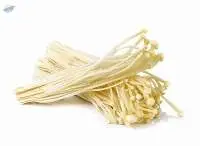
Golden Mushroom are very small in size and grow in bouquets of tightly packed, long stems topped with petite, convex caps. The snow-white caps are tender, smooth, delicate, and are connected to matching white stems that are thin and can grow up to twelve centimeters in length. Golden Mushroom are crisp and firm with a crunchy bite and a mild, fruity flavor.
Golden Mushroom contain dietary fiber, niacin, calcium, potassium, selenium, copper, phosphorus, and iron. They are also known to have anti-inflammatory properties and are excellent immune system boosters.

USES
Golden Mushroom are best suited for both raw and cooked applications such as simmering, blanching, and boiling. Before consuming, the ends should be trimmed, the mushrooms should be washed, and any slimy stems should be discarded. The delicate, crunchy texture of Golden Mushroom can be served fresh in salads, lightly sauteed and added into stir-fries and noodle dishes, mixed into omelets, risottos, curries, sushi, or even in spring rolls. They are most commonly used in hot pot soups, added in for texture, but they can also be blanched in a soy sauce-based mixture and served as a main dish. Golden Mushroom pair well with soba noodles, vermicelli, soy sauce, miso, garlic, onion, scallions, seaweed, kale, ginger, bacon, seafood such as crab, lobster, or shrimp, lemongrass, fresh herbs, long beans, carrots, celery, snap peas, bell pepper, and water chestnuts. They will keep up to one week when stored in a paper bag in the refrigerator.

Season
Golden Mushroom are available year-round.
Jun-17-22
Supplier From Amphoe Bang Phli, Samut Prakarn, Thailand
 Inquire Now  
PRODUCT INFO
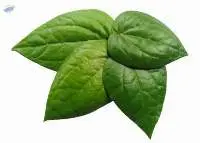
Betel Leaves are medium to large in size and oblong to heart-shaped, averaging 7-15 centimeters in length and 5-11 centimeters in width. The dark green leaves are flat, broad, and pliable and have a smooth, but slightly leathery texture. There is also a central vein the runs the length of the leaf with many smaller veins branching throughout. Each Betel Leaves tapers to a point on the non-stem end and grows on climbing vines. Betel Leaves are chewy and have a sharp, tangy, and peppery taste.Betel Leaves are used primarily for their medicinal properties and as wrappings for other ingredients. They are most commonly used as a wrapper for the areca nut or tobacco and when chewed they impart a peppery flavor. The leaf is also chewed along with other barks and leaves such as sweetened coconut, lime, cardamom, anise seeds, licorice, and fruit preserves.

USES
Betel Leaves can also be found as a street snack with chocolate syrup poured over them or used as an edible garnish for other dishes. Paan leaves pair well with dried shrimp, coconut, mint, garlic, ginger, chiles, carrots, peanuts, chocolate, and lime. Betel Leaves will keep up to three days when unwashed and stored in a plastic bag in the refrigerator.

SEASONS
Betel Leaves are available year-round.
Nov-23-20
Supplier From Amphoe Bang Phli, Samut Prakarn, Thailand
Supplier Of Herbs   |   Sauces   |   Soy Sauce   |   Onion   |   Garlic   |   Ginger   |   Cabbage   |   Spinach
 Inquire Now  
SKU: 217537123517253
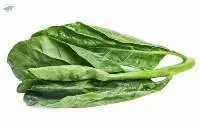
Morning glory, is a hollow-stemmed semi-aquatic plant with long lance-like leaves. It's used throughout Asia but is perhaps best known by visitors to SE Asia who've seen theatrical street vendors cook it, then throw it across the street to be served up to goggled eyed and gasping tourists!

PRODUCT INFO
Chinese Morning Glory, botanically classified as Ipomoea aquatica, grow on an herbaceous, trailing vine that is found in humid, tropical lowlands and belongs to the Convolvulaceae, or morning glory family. Also known as Kangkung, Kankun, Chinese spinach, Water spinach, River spinach, and Swamp cabbage, Chinese Morning Glory are a popular leaf vegetable prized for its crunchy stems and tender leaves and can be found in most Southeast Asian cuisines.

USES
Chinese Morning Glory can be consumed raw or in cooked applications such as steaming, boiling, or stir-frying. Young shoots can be made into a salad and served with green papaya, but the fragile leaves need to be washed thoroughly before use. Chinese Morning Glory are commonly stir-fried in oil and served as a side dish or combined with other vegetables and meats to make a complete meal. They can also be used in curries, soups, and coated in a batter and fried to make a crispy appetizer. Chinese Morning Glory pair well with aromatics such as ginger, garlic, and onions, chili peppers, bay leaves, nam phrik, vinegar, soy sauce, fish sauce, sesame oil, peanut sauces, cuttlefish, and meats such as chicken, pork, and beef. They are highly perishable when fresh and will keep up to 1-2 days in the refrigerator.

SEASONS
Chinese Morning Glory is available year-round.
Jun-17-22

Broccoli

MOQ: Not Specified
Supplier From Amphoe Bang Phli, Samut Prakarn, Thailand
 Inquire Now  
PRODUCT INFO
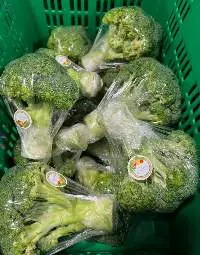
Broccoli consists of flowering heads that are harvested when the buds are unopened, small, and still green. The heads average 10 to 20 centimeters in diameter and grow on thick, fibrous stalks, emerging from a covering of large, leathery, dark green leaves. Broccoli heads are generally green, sometimes flushed with dark purple depending on the variety, and contain tiny, unopened buds attached to branching stems. The branching, segmented stems with the flower buds are known as florets, which connect into a larger, central, thick, and fibrous, pale green stem. The unopened buds have a crisp and tender consistency when raw, and if left to mature, the buds would produce bright yellow, four-petaled flowers. The thick, raw stems also have a crisp, crunchy, slightly chewy texture, and the leaves are edible but often contain a bitter, fibrous nature. When cooked, Broccoli develops a soft, semi-crunchy consistency and has vegetal, herbaceous, and earthy flavors with grassy, bittersweet nuances.
Broccoli is a versatile ingredient well-suited for both raw and cooked applications, including steaming, boiling, roasting, baking, frying, and sauteing. The heads, stems, and leaves are all edible and will contain varying textures and flavors. The heads and stems are the most common portion of the plant consumed and can be chopped and tossed fresh into salads, mixed with other ingredients into slaws, or served on appetizer plates with creamy sauces and dips. Broccoli can also be battered and fried into tempura, lightly cooked and mixed into grain bowls, tossed into pasta, stir-fried with other vegetables, steamed and served as a tender side dish, or blanched and combined into rice and noodle dishes. In addition to using the heads in larger pieces, cooked Broccoli florets can be pureed into soups, stirred into risotto, or baked into quiches. The thick stems can also be used in any preparation calling for Broccoli. Some chefs choose to peel the stems to develop a more tender consistency when cooked.

USES
Broccoli leaves are also edible but may contain a bitter flavor. The leaves can be prepared similarly to kale or Swiss chard. Broccoli pairs well with zucchini, cauliflower, bell pepper, mushrooms, roasted meats, including poultry, turkey, beef, and fish, other seafood, sauces such as oyster, soy, creamy dressing, and vinaigrettes, and cheeses such as parmesan, cheddar, feta, and goat. Unwashed, raw Broccoli will keep 4 to 7 days when stored in the refrigerator, and once cooked, it will keep up to 5 days. It can also be frozen for 6 to 8 months.

Season
Broccoli is available year-round, with a peak season in the late fall through early spring.
Jun-17-22
Supplier From Amphoe Bang Phli, Samut Prakarn, Thailand
 Inquire Now  
PRODUCT INFO
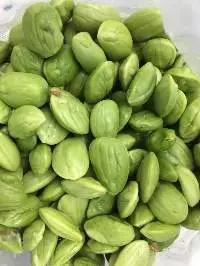
Peteh beans (sator seed) it flat edible beans with bright green seeds the size and shape of plump almonds which have a rather peculiar smell, similar to, but stronger than that of the shiitake mushroom, due to sulfur-containing compounds also found in shiitake, truffles and cabbage. In Thailand it is called sah-taw look like broad beans. Like mature broad beans, they may have to be peeled before cooking. Peteh bean has earned its nickname 'stink bean' because its strong smell is very pervasive. It lingers in the mouth and body. Like asparagus, it contains certain amino acids that give a strong smell to one's urine, an effect that can be noticed up to two days after consumption. Like other beans, their complex carbohydrates can also cause strong-smelling flatulence.

USES
Peteh beans (sator seed) are best when combined with other strong flavoured foods such as garlic, chilli peppers, and dried shrimp, as in sambal petai or added to a Thai curry such as Thai Green Curry of Duck. When young the pods are flat because the seeds have not yet developed, and they hang like a bunch of slightly twisted ribbons, pale green, almost translucent. At this stage they may be eaten raw, fried or pickled. Young tender pods with undeveloped beans can be used whole in stir fried dishes. In North-eastern India, the seeds or the bean as a whole are eaten by preparing a local delicacy call Iromba or Yongchak singju. Seeds are also dried and seasoned for later consumption. When dried the seeds turn black. In Indonesia, petai is very popular in the highlands of Java.

SEASON
Peteh beans (sator seed) are available between Jun - Jul each year.
Nov-23-20

Galangal

MOQ: Not Specified
Supplier From Amphoe Bang Phli, Samut Prakarn, Thailand
Supplier Of Herbs   |   Onion   |   Garlic   |   Ginger   |   Bell Pepper   |   Lemon   |   Green Onions   |   Ties
 Inquire Now  
Galangal rhizomes widely vary in size and shape and have a cylindrical, branched appearance with many shoots and bulbous knobs. The semi-smooth skin is light brown to tan, firm, hard, and is covered in darker brown rings. Underneath the woody skin, the flesh is pale yellow to ivory and is fibrous, dense, and aqueous with a spicy, floral aroma. Galangal is crisp and has a pungent, earthy, woodsy, and mustard-like flavor with subtle citrus undertones.

PRODUCT INFO
Galangal, botanically classified as Alpinia officinarum, is the underground rhizome of a tropical shrub that belongs to the Zingiberaceae family. Also known as Siamese ginger and Thai ginger, there are two main species of Galangal known as Greater Galangal and Lesser Galangal, varying in size, shape, and taste, but both species are used to flavor culinary dishes. Galangal has been utilized for its medicinal properties in Asia for thousands of years and is predominately used today to flavor Southeast Asian cuisine. Galangal adds a warm, sweet, and pungent flavor to dishes, similar to ginger but stronger in flavor, and can be found in fresh, dried, and powdered form.

USES
Galangal is primarily used in Southeast Asian cooking, lightly crushed or pounded as an aromatic to add an earthy and pungent flavor. The rhizome can be thinly sliced and added to stir-fries, boiled into curries, cooked into satay, mixed in applesauce, lightly tossed into salads, or used to flavor soups such as tom kha gai, a Thai coconut soup, or samlor kor ko, which is a Cambodian vegetable soup. It can also be used in stews, rice, and noodle dishes. Galangal is often mixed into seafood dishes as it has a flavor that can mask fishiness and is also commonly boiled into a tea. The rhizome can be found fresh or in dried and powdered form, and when ground, the flavor becomes milder but earthier. Galangal root pairs well with meats such as poultry and fish, shellfish, garlic, onions, tamarind, chiles, lemongrass, bell peppers, and green onions. The fresh rhizome will keep 1-2 weeks when stored in the refrigerator, and ground Galangal will keep up to one year when stored in a cool, dry, and dark place.

SEASONS
Galangal is available year-round.
Jun-17-22
Supplier From Amphoe Bang Phli, Samut Prakarn, Thailand
Supplier Of Fresh Vegetables   |   Sauces   |   Dips   |   Carrot   |   Broccoli   |   Spinach   |   Bell Pepper   |   Basil   |   Lemon
 Inquire Now  
PRODUCT INFO
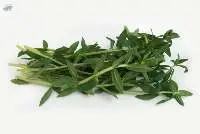
Finger grass is a branching herb comprised of straight, hollow stems and elongated lanceolate to elliptical leaves that grow in an opposite formation around the cylindrical stems. The leaves are slender, tapering to a point, and average 2 to 6 centimeters in length and .5 to 1 centimeter in width. The grey-green leaves are also smooth to the touch, thin, and pliable with finely serrated edges. The stems are thick in appearance but have a hollow center, creating a smooth, crisp, and watery texture. The pale green stems also have a light, succulent, and spongy consistency, lightly coated in fine hairs. Finger grass emits a refreshing, citrus, and herbal aroma and the stems and leaves have a vegetal, citrusy, and earthy, spice-filled flavor. Some consumers recognize the leaves as having a bright and acidic quality, filled with undertones of sweet cumin and curry flavor mixed with notes of lemon and dill. In addition to the leaves and stems, Finger grass seasonally produces tubular flowers that showcase pale pink, purple, to light blue hues.

USES
Finger grass has a bright, complex flavoring mainly used as a fresh finishing element on savory main dishes. The leaves should be washed and gently torn, chopped, or crushed to release their flavor, and they can be sprinkled into salads, minced into dips and marinades, or used as an edible garnish for roasted meats, light sauces, or grain dishes. In Southeast Asia, finger grass is frequently used in Vietnamese cuisine and Cambodian and Thai cuisine on a smaller scale. The leaves are traditionally served fresh in the center of the dinner table, along with other herbs and raw vegetables. These accompaniments are added to curries, stews, and soups such as pho, and each guest can determine how much of each herb is incorporated into their dish for custom flavor combinations. Finger grass can also be sauteed or steamed as a simple side dish or the stems can be roughly chopped and added to stir-fries. While more untraditional, some mixologists in Southeast Asia have begun muddling finger grass into a refreshing cocktail to modernize the herb. In Cambodia, finger grass is placed on the roof of houses and dehydrated for extended use as a dried herb. Finger grass pairs well with meats including poultry, beef, pork, and fish, other herbs such as lemongrass, basil, and mint, steamed rice, lemon, lime, bell peppers, peas, broccoli, water spinach, carrots, and peanuts. Whole, unwashed Finger grass is highly perishable and will only keep for a few days in the refrigerator when loosely wrapped in plastic or a damp paper towel. The herb should be used immediately for the best quality and flavor.

Season
Finger grass are available year-round in Southeast Asia.
Jun-17-22

Yardlong Bean

MOQ: Not Specified
Supplier From Amphoe Bang Phli, Samut Prakarn, Thailand
 Inquire Now  
PRODUCT INFO
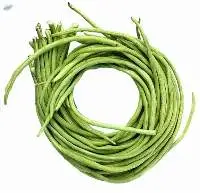
Yardlong bean should be picked young while it is at its most crisp, sweet and tender. Young beans develop within sixty days of cultivation, and the long pods grow in pairs from the stem. Known for their extraordinary length beans can grow up to thirty inches in length but for best flavor and texture should be harvested when between twelve and eighteen inches. The bean pods have a spindly, cylindrical form with a smooth, grooved, firm texture and green-colored shell. The bean pod's flesh contains succulent, pale, lime green peas (the plant's seeds) with eyes similar in shape to black eyed peas. If beans are allowed to fully mature, they can be shelled and the seeds used as other shelled beans and peas. The flavor of China Long beans is grassy and slightly sweet with a more intense bean flavor than traditional green beans. Of all the China Long bean varieties the green is known to be the sweetest and most tender. Yardlong bean are an incredible vegetarian source for nutrition. They are rich in vitamin A, vitamin C, protein, fiber, folate, magnesium, thiamin, potassium, and iron.

USES
Yardlong bean should be very fresh when purchased. When young and tender they can be used raw and are a welcome addition to green and grain salads. Unlike conventional green beans China Long beans tend to get waterlogged when boiled or steamed so when preparing in this method be sure to only do so for a short duration. Their texture will be most favorable when they are stir-fried, sauted, grilled, dry-fried, or deep-fried. China Long beans can also be preserved and pickled. Pair with soy sauce, garlic, ginger, bitter or spicy Asian greens, Sichuan peppercorns, black bean sauce, hot peppers, oyster sauce, curry spice, beef, pork and chicken. China Long beans will keep, dry and refrigerated. For best flavor and texture use within three to four days before beans become wilted and floppy.

SEASON
Yardlong beans are available year-round with a peak season in the summer and fall months.
Nov-23-20
Supplier From Amphoe Bang Phli, Samut Prakarn, Thailand
Supplier Of Fresh Vegetables   |   Seeds   |   Onion   |   Tomato   |   Garlic   |   Okra   |   Turnip   |   Basil   |   Lemon
 Inquire Now  
SKU: 364115376135191
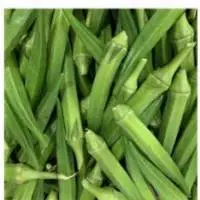
Green okra has a torpedo-shaped pod ranging in length of five to six inches when harvested mature. The pods are pale lime to lime green color, their exterior has furrowed lengthwise grooves. The skin can often be fuzzy to prickly, which can cause an allergic reaction to sensitive skin. The flesh bears a tender spongy membrane with many small white seeds. Okra is known less for its lean flavor and more for its sticky sap that creates the flesh's gelatinous texture.

PRODUCT INFO
Green Okra is a member of the mallow family along with cotton, cocoa and hibiscus. The okra plant produces broad oak-shaped leaves with bold yellow and white hibiscus-like blossoms. The fruits sprout in vertical patterns from the plant's stems. The sign of a plant flowering indicates fruits will develop quickly within 3-5 days. Young fruits must be harvested daily as the fruits are known to grow so fast you can almost see them growing in front of your eyes. One plant can produce up to 100 okra. Okra left on the stem too long will become tough and essentially unfit for use. Okra is grown for fresh-eating but it also has many other purposes. Okra plants are grown commercially for pickling and canning alone or as a canned soup ingredient, while the seeds are also harvested for making oil and in some cultures are ground and used as a coffee substitute or supplement.

USES
With okra, harvesting young tender fruits and knowledge of how to cook it are two key ingredients. Okra is historically not eaten alone, rather paired in a multitude of recipes alongside ingredients with bold, complex flavors and varying textures. Okra is most often used as a soup or stew ingredient, though its textures and flavors are truly enhanced when fried and grilled. Okra pairs well with basil, bacon, beet greens, butter, cream, garlic, ham, lemon, kale, onions, parsley, olive oil, pickled vegetables, chile peppers and peppercorns, paprika, tomatoes and turnips.

SEASONS
Okra is available year-round
Nov-23-20

Lemongrass

MOQ: Not Specified
Supplier From Amphoe Bang Phli, Samut Prakarn, Thailand
 Inquire Now  
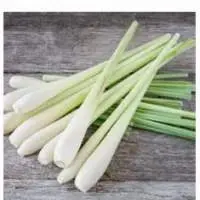
Lemongrass
also known as lemongrass, barbed wire grass, silky heads, Cochin grass, Malabar grass, oily heads or fever grass, is a genus of Asian, African, Australian, and tropical island plants in the grass family. Some species (particularly Cymbopogon citratus) are commonly cultivated as culinary and medicinal herbs because of their scent, resembling that of lemons (Citrus limon). The name cymbopogon derives from the Greek words kymbe and pogon "which mean [that] in most species, the hairy spikelets project from boat-shaped spathes."

PRODUCT INFO
If using fresh lemongrass, use only the lower bulbous portion of the stem. It can be pounded and used whole or cut in slices. When using the ground powder (sereh) use one teaspoon as an equal to one stalk of fresh. It is advisable to soak dried sliced lemon grass for two hours before using. When wrapped in a paper bag, lemon grass stems can last 2 to 3 weeks in the refrigerator. The stems can also be frozen for several months. Always wrap and store separately, as lemon grass will impart its flavour to other foods.

USES
The stalks (leaf bases) of the plant are commonly used to flavor dishes in Southeast Asian cooking. The heart of young shoots may be cooked and consumed as a vegetable. The tougher leaves are used to flavor dishes but are typically removed before serving. Leaves may also be used to make lemon grass tea. The essential oil extracted from the leaves is commonly used in insect repellents, perfumes and soaps.

SEASONS
Lemongrass is available year-round.
Jun-17-22
Supplier From Amphoe Bang Phli, Samut Prakarn, Thailand
Supplier Of Fresh Vegetables   |   Black Pepper   |   Cakes   |   Seeds   |   Eggs   |   Tomato   |   Garlic   |   Eggplant   |   Zucchini   |   Basil
 Inquire Now  
PRODUCT INFO
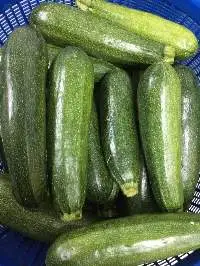
The Zucchini squash has a uniformly cylindrical shape with little to no taper from its stem to blossom end. It can be harvested when it is at its baby stage or when more mature at up to six to eight inches long. Many growers and chefs note that Zucchini will be at its peak flavor and texture when five to six inches in length. The exterior glossy skin of the Zucchini is vibrant to dark green in color and delicate enough to consume. Summer squash such as Zucchini are harvested when immature for best flavor, as a result their skin is delicate and prone to easily bruising and scratching. Its flesh is creamy white in color with a spongy yet firm texture and faint traces of edible seeds. It offers a sweet summer squash flavor with nuances of black peppercorn and nutty undertones. In addition to the fruit of the Zucchini plant the flower blossoms of Zucchini are also edible and offer a mild, squash like flavor. Zucchini squash are a low caloric food and are nearly 94% water. Additionally they offer some vitamin A, vitamin C, calcium and iron.


USES
Zucchini squash are mild in flavor, extremely versatile and can be prepared in sweet or savory recipes. Grate Zucchini and add squash to muffin or bread batter, or use to make vegetable pancakes and fritters. Thinly sliced Zucchini works well in salads or as part of a fresh (raw) appetizer such as vegetarian carpaccio. When sliced thinly lengthwise Zucchini squash can be an excellent substitute for conventional noodles in pasta preparations. Sliced Zucchini squash can be grilled, steamed, sauteed or battered and fried. Larger more mature squashes are perfectly sized for hollowing and baking when stuffed with meats, cheeses and grains. The Zucchini blossoms additionally can be stuffed with soft cheeses and herbs then battered and fried. The flavor and texture of Zucchini will complement a variety of ingredients such as tomatoes, garlic, corn, eggplant, fresh herbs such as parsley, basil and oregano, olive oil, pine nuts, eggs, citrus juice, sausage, roasted chicken and cheeses such as ricotta, mozzarella and parmesan. Zucchini squash will keep best when kept dry and refrigerated, for one to two weeks.

Season
Originally grown as a summer vegetable, Zucchini squash is suitable to forced cultivation in temperate climates and is available for harvest year-round.
Jun-17-22

Kale

MOQ: Not Specified
Supplier From Amphoe Bang Phli, Samut Prakarn, Thailand
Supplier Of Fresh Vegetables   |   Soy Sauce   |   Potato   |   Onion   |   Garlic   |   Ginger   |   Cabbage   |   Lemon
 Inquire Now  
PRODUCT INFO
Kale is a non-heading, leafy form of wild cabbage that comes in a range of shapes, sizes, and colors, such as blue-green, yellow-green, white, red, or purple. Different cultivars are classified by differences in their stem length and their leaf structure, as some are flat and others are frilly. The standard Kale we usually find in the grocery store is pale to deep green with large, ruffle-edged leaves and long stems. It is hardy and fibrous when fully mature, and tender enough to be used as a raw salad green when young. The pale green stems are tough and typically removed, while the tightly curled leaves are chewy yet succulent. Depending on the variety, Kale can sometimes be spicy, other times a bit sweet, and usually slightly bitter. In general, Kale offers an earthy flavor with a nutty sweetness that is accentuated when cooked.

USES
Considering its many forms and stages of harvest, Kale is an incredibly versatile green in the kitchen, and can be used raw or cooked. Young Kale leaves add an earthy flavor to raw salad green mixes, and fully mature Kale is one of the few leafy greens that doesn't shrink much when it's cooked. It's great sauteed, roasted, stewed, and even baked into Kale chips. Just be careful not to over-cook it, as it can develop a more bitter taste. Kale is also often added raw to smoothies, juices, and salads. To prep Kale for use, whether raw or cooked, first remove the tough and fibrous stems. A quick and dirty way to do it is to hold the stem in one hand and strip leaves along the stem away from you. You can also cut the leaves into thin, confetti-like ribbons. A quick massage can help the process of breaking up the cellulose structure of Kale. You can drizzle it with olive oil, salt, and lemon juice, and rub the leaves together in your hands to get a slightly sweeter, much silkier Kale. This leafy green pairs well with garlic, onion, sesame, soy sauce, ginger, smoked or roasted meats, potatoes, grains, oregano, thyme, red pepper, cream, Parmesan cheese, and more. To store Kale, wrap the leaves in a loose bundle with a paper towel or a thin cotton kitchen towel, place them in a large, sealable bag, and refrigerate in the crisper drawer for up to a week.

SEASONS
Kale is available year-round with a peak season in winter.
Jun-17-22
Supplier From Amphoe Bang Phli, Samut Prakarn, Thailand
Supplier Of Fresh Vegetables   |   Sauces   |   Soy Sauce   |   Seeds   |   Potato   |   Cucumber   |   Celery   |   Asparagus
 Inquire Now  
PRODUCT INFO
Lotus root is an oblong, tubular rhizome or stem that grows underground in bodies of water, averaging 5-10 centimeters in diameter and 10-20 centimeters in length. Appearing like underwater sausage links, the rhizomes are connected to other rhizomes via smaller roots creating groupings of 3 to 5 and can grow to be over one meter in length as a whole. When young, Lotus root has a firm texture with light purple to white skin that transforms into a brown-beige hue with darker brown speckling when mature. Underneath the thin skin, the flesh ranges in color from ivory to white and is crisp, light, and starchy. There are also numerous, symmetrical, air pockets patterned into a pinwheel shape in the flesh that extend the entire length of the rhizome. Lotus root has a dense and crunchy texture with a nutty and sweet flavor, similar to that of a water chestnut or taro root. The younger roots are more tender and used for fresh culinary purposes, whereas mature roots are used in extended cooking applications to develop a tender, potato-like texture. Considered a good source of energy as it is high in carbohydrates. It also contains vitamin C, manganese, zinc, iron, copper, vitamin B, potassium, and magnesium.

USES
Lotus root is best suited for cooked applications such as steaming, frying, braising, stir-frying, and boiling. After peeling the root, it should be immersed in acidulated water using vinegar or citrus to prevent discoloration. Lotus root can be blanched just slightly to remove any bitterness, cooled, and added to salads or crudite. It can also be sliced and braised until tender in soups, stir-fried, battered and fried into tempura, or thinly sliced and baked into chips. In India, Lotus root is boiled, mashed, and added to vegetarian kofta, which is a dumpling dish paired with spicy sauces. A traditional Korean dessert also utilizes Lotus root with soy sauce, honey, and sesame seeds called yeongun bokkum. Lotus roots pair well with mushrooms, peppers, snap peas, snow peas, asparagus, corn, celery, cucumber, oyster sauce, peanuts, red beans, and sesame seeds. Lotus root will keep up to two weeks when stored whole, wrapped in damp paper towels, and placed in a plastic bag in the refrigerator. Sliced Lotus root can be stored in an acidulated water solution for a couple of days, or it can be frozen for long-term storage.

SEASON
Lotus root is available year-round, with a peak season in the fall.
Jun-17-22
Supplier From Amphoe Bang Phli, Samut Prakarn, Thailand
Supplier Of Fresh Vegetables   |   Milk   |   Sauces   |   Dips   |   Seeds   |   Onion   |   Tomato   |   Garlic   |   Ginger   |   Eggplant   |   Lemon   |   Coconut Milk
 Inquire Now  
PRODUCT INFO
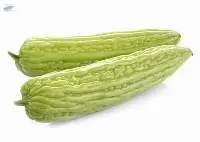
Bitter melons are small to medium gourds, averaging 6 to 30 centimeters in length, and have a long and slender, oblong shape with slightly tapered ends. The gourd's surface will vary depending on the specific type, ranging from deeply creased, smooth, pale green, and ridged to rough, dark green, and heavily textured with warts and bumps. The gourd's skin may also exhibit a waxy layer, and some rarer types of Bitter melon showcase a white hue. Underneath the thin skin, the flesh is crisp, watery, and pale green, encasing a central cavity filled with spongy pith and large, cream-colored seeds. Bitter melons are harvested when they are young and green, containing a sharp, astringent, and vegetal flavor. The gourds are also selected when they display a green coloring with a faint yellow hue, an indication of further maturity, rumored to contain a slightly milder, bitter, and acidic flavor.


USES
Bitter melons have an astringent, bitter flavor well suited for cooked preparations, including stir-frying, baking, saut�©ing, steaming, boiling, braising, and stewing. The melon's sharp flavor complements rich, fatty, and spicy ingredients and is often utilized in different culinary styles found within Asian cuisine. Bitter melons can be consumed raw, but the gourds should be deseeded, salted, and left for approximately 30 to 45 minutes to draw excess moisture and bitterness. Once the bitter flavor is lessened, the melons can be sliced for salads, chopped into dips and spreads, or blended into juices. Bitter melons are also traditionally blanched before use or salted to tame the astringent notes before cooking. The melons can be stirred into soups and curries, stuffed and baked as a main dish, stir-fried with vegetables and meat, or cooked and coated in rich sauces. Bitter melons can also be sliced and roasted as a simple side dish, cut and fried as a rice accompaniment, or pieces of the flesh can be dried and steeped as a healing and cleansing tea. In addition to the melons, the young leaves and shoots of the plants are edible and share the characteristic bitter flavor, used as an accent in salads and soups. Bitter melon pairs well with coconut milk, aromatics including lemongrass, ginger, garlic, and onions, chile peppers, tomatoes, green beans, eggplant, black beans, yogurt, pork, beef, and poultry, and seafood including fish, shrimp, crab, and scallops. Whole, unwashed Bitter melons will keep 3 to 5 days when wrapped in plastic or placed in a sealed container in the refrigerator's crisper drawer.

SEASONS
Bitter melons are available year-round, with a peak season in the summer.
Jun-17-22
Supplier From Amphoe Bang Phli, Samut Prakarn, Thailand
Supplier Of Herbs   |   Milk   |   Brown Sugar   |   Oils   |   Lemon
 Inquire Now  
PRODUCT INFO
Pandan leaves are medium to large in size and are elongated, narrow, and oblong in shape. There are two distinct Pandan plant shapes. If the plant is left undisturbed and the leaves are not harvested, it will develop into a small tree with large, long, and thin green leaves that can reach up to two meters in length. If the leaves are continuously harvested, the plant will stay low to the ground forming a shrub-like appearance with smaller, narrow green leaves growing up to one meter in length. The upright green leaves taper to a point at the tip, and when attached to their stems, Pandan leaves resemble the top of a pineapple plant. Pandan leaves have a unique and distinct grassy aroma when first crushed that mellows out to a subtle, herbal, and floral aroma. When cooked, Pandan leaves have a nutty, almond, rose-like, and slightly sweet flavor. Pandan leaves are rich in essential oils, glycosides, and alkaloids, and also contain traces of tannin and isoprene esters. They are traditionally used to reduce symptoms of pain and fevers and are used as a laxative.

USES
Pandan leaves are best suited for cooked applications such as boiling, steaming, sauteing and frying. They are used in both sweet and savory dishes and are boiled, pounded, bruised, or raked to bring out the flavor. Pandan leaves are often used to wrap meats or sticky rice and are cooked to add a sweet and nutty flavor. They are also wrapped and deep fried to create a crunchy exterior. In addition to savory preparations, Pandan leaves are also used to make desserts and drinks. They can be made into a paste with the juice extracted to make the well-known chiffon cake, and they can be cooked to make Kaya, or pandan-flavored coconut egg jam, which is a traditional Pandan dish still found today in Malaysia and Singapore. Pandan leaves can also be cooked with coconut to make nasi lemak rice or are tied into knots and used for flavoring. Pandan leaves pair well with turmeric, lemongrass, brown sugar, milk, meats such as fish, chicken, beef, and pork, and rice. They will keep for a couple of days when stored unwashed, wrapped in a damp paper towel and sealed in a plastic bag in the refrigerator. Pandan leaves can also be frozen for up to two months.

SEASON
Pandan leaves are available year-round.
Apr-09-21

Dried Kaffir Lime Leaves

MOQ: 100  Kilograms
Sample Available
Supplier From Amphoe Bang Phli, Samut Prakarn, Thailand
Supplier Of Herbs   |   Cakes   |   Milk   |   Ice Cream   |   Soy Sauce   |   Oils   |   Garlic   |   Ginger   |   Basil   |   Lemon   |   Mandarin   |   Coconut Milk   |   Ties
 Inquire Now  
The kaffir lime tree is native to tropical Southeast Asia and was spread to neighboring regions via exporters and trade routes. Today Kaffir lime leaves are available in fresh markets and frozen in specialty grocers in Asia, Southeast Asia, Africa, the United States.

PRODUCT INFO
Kaffir limes are widely used in Thailand as a household ingredient. Essential oils are extracted from the fruit's peel and are used for cleaning products, shampoos, and as a method to kill lice. The fruit's zest is used to flavor curries and soups, and the leaves are also crushed and used as potpourri or placed in a hot bath for a citrus aroma. Kaffir lime plants are so common and frequently used in Thailand that the majority of rural households have their own trees growing in their backyards.

Kaffir lime leaves are small to medium in size and oblong in shape, averaging 3-5 centimeters in diameter and 8-12 centimeters in length. The top of the thick leaves is glossy and deep green, while the underside of the leaves is porous and a pale, matte green. Kaffir lime leaves grow in pairs and grow in a double leaf formation, which means two leaves grow on either side of the stem and appear to mirror each other. There is a prominent central midrib or vein and the tips of the leaves can be slightly rounded or very pointed. Kaffir lime leaves have a strong citrus taste and aroma that is said to be a blend of mandarin orange, lemon, and lime.

USES
Kaffir lime leaves contain some antioxidants. They also contain limonene and citronella, which both contribute to the flavor and fragrance of the leaves and have been shown to have antimicrobial properties.
Kaffir lime leaves can be used in both raw and cooked preparations such as boiling, steaming, and saut�©ing. They can be used fresh, dried, or from a frozen state and the thick leaves are never consumed whole, but rather steeped and later removed, or sliced very thinly. Kaffir lime leaves can be sliced and used in salads or shredded and used in fish cakes. They are also widely used in soups such as tom yum and hot and sour shrimp, curries, fried rice, pastes, and stir-fries. Their herbal citrus flavor can be used to infuse desserts such as custard and ice cream. Kaffir lime leaves pair well with lemongrass, basil, cardamom, curry leaves, mint, tamarind, turmeric, cumin, galangal, ginger, garlic, soy sauce, sesame oil, jasmine rice, meats such as lamb, chicken and pork, mussels, and coconut milk. They will keep up to two weeks when stored fresh in the refrigerator and up to one year when stored in a sealed container in the freezer.

SEASON
Kaffir Lime Leaves is available year-round.
Jun-17-22
Supplier From Amphoe Bang Phli, Samut Prakarn, Thailand
Supplier Of Fresh Vegetables   |   Curry Powder   |   Milk   |   Dips   |   Seeds   |   Onion   |   Garlic   |   Carrot   |   Artichoke   |   Lemon   |   Shallots   |   Coconut Milk   |   Coconut Water   |   Ties
 Inquire Now  
PRODUCT INFO
Banana flowers have a starchy, fibrous consistency and a neutral, subtly bitter, and fruity flavor well suited for fresh and cooked preparations. The outer, dark-hued bracts should not be consumed, but they can be used as a decorative serving vessel. As each bract is removed, the small florets can be separated from their tough stamens and set aside for use with the flower's heart. Once the bracts have been peeled away to reveal a yellow-white hue, the heart can be sliced into pieces and incorporated into recipes. It is recommended to immerse slices of the Banana flower in salted lemon water or vinegar water for at least 20 to 30 minutes to extract some of the bitterness. Banana flowers can be added to fresh fruit and green salads, and younger flowers will have a sweeter flavor for raw preparations. They can also be minced into dips, dumplings, and pastes.

USES
Beyond fresh preparations, Banana flowers can be lightly steamed and served with dips, similar to an artichoke, boiled in coconut water and stir-fried, or incorporated into curries and soups. The flowers can also be fried into patties, soaked in flavoring, cooked like fish fillets, or sauteed into vegetable, rice, and noodle dishes. In Thailand, young Banana flowers are commonly served raw on the side with pad Thai. In Indonesian cuisine, Banana flowers are mixed with pork and hot sambal, cooked in a section of bamboo, and served as a festival or wake appetizer. In Brazil, Banana flowers are incorporated into pies, quiches, and cooked into various sweet and savory goods. There is also a famous pastry in the Brazilian state of Minas Gerais known as pastel de agnu that has its own festival. The festival annually occurs in the city of Itabirito and features food vendors, local growers, restaurants, and arts and crafts vendors, all centered around the famous pastry of the region. Pastel de agnu is comprised of Banana flowers stewed with meat and then fried into a dough-like puff. Banana flowers pair well with spices such as turmeric, curry powder, mustard seeds, cumin, and chile powder, aromatics including garlic, shallots, onions, lemongrass, and galangal, coconut milk, macadamia nuts, lime leaves, papaya, and carrots. Whole, raw Banana flowers should be immediately consumed for the best quality and flavor. The flowers can also be wrapped in plastic and stored in the refrigerator, or cut pieces can be placed in a sealed container in the fridge for 2 to 3 days. In addition to fresh Banana flowers, the buds can also be found canned or frozen for extended use.

SEASONS
Banana flowers are found year-round, varying in availability depending on climate, region, and hemisphere.
Oct-18-17
Supplier From Amphoe Bang Phli, Samut Prakarn, Thailand
 Inquire Now
31 Pepper Extract Suppliers
Short on time? Let Pepper Extract sellers contact you.
  • First page
  • Next
Explore Pepper Extract related import export discussions