Please click here to check who's online and chat with them.

Find Verified Dips Suppliers, Manufacturers and Wholesalers

Top Supplier Cities : Amphoe Bang Phli   Bangkok  
Jun-17-22
Supplier From Amphoe Bang Phli, Samut Prakarn, Thailand
 Inquire Now  
PRODUCT INFO
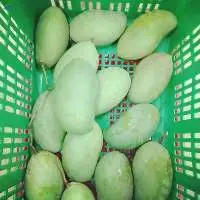
Thai sour mangoes, like mentioned above, are typically unripe or young mangoes. sour mangoes for their refreshing/tangy taste which usually come with a firm, crisp, crunchy texture which is very different from ripe mango. Sour mangoes can be consumed on their own, paired with seasoning/dips or turn into a dish.

SEASON
Sour mangoes typically, late May thru June.
Jun-17-22
Supplier From Amphoe Bang Phli, Samut Prakarn, Thailand
 Inquire Now  
PRODUCT INFO
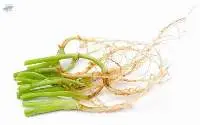
Coriander Root (Rak Phak Chi) is the root of the herb coriander, which is sometimes called cilantro. While many English-speaking countries discard the roots, they form an important part of many Asian cuisines. Coriander root is the fresh roots of the herb. Ground coriander is a mellow spice with a subtle, slightly earthy hint. Coriander root tastes more pungent and peppery and has a strong, pleasant aroma. In Thai food, coriander root is used as a critical component in many curry pastes and dips. Thais often crush coriander root in a pestle and mortar along with garlic and chilis to form the basis of chili dips.

SEASON
Coriander root is available year-round.

USES
The root is also a vitally important ingredient for creating the famous marinade that characterizes Thai grilled chicken. Thais are very against letting good food go to waste, and they quickly recognized that the roots taste great when they form the base of famous curry pastes, soups, dips, and marinades.

SEASONS
Coriander root is available year-round.
Jun-17-22

Broccoli

MOQ: Not Specified
Supplier From Amphoe Bang Phli, Samut Prakarn, Thailand
 Inquire Now  
PRODUCT INFO
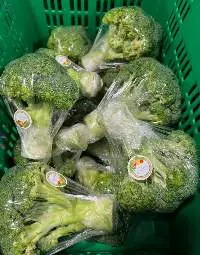
Broccoli consists of flowering heads that are harvested when the buds are unopened, small, and still green. The heads average 10 to 20 centimeters in diameter and grow on thick, fibrous stalks, emerging from a covering of large, leathery, dark green leaves. Broccoli heads are generally green, sometimes flushed with dark purple depending on the variety, and contain tiny, unopened buds attached to branching stems. The branching, segmented stems with the flower buds are known as florets, which connect into a larger, central, thick, and fibrous, pale green stem. The unopened buds have a crisp and tender consistency when raw, and if left to mature, the buds would produce bright yellow, four-petaled flowers. The thick, raw stems also have a crisp, crunchy, slightly chewy texture, and the leaves are edible but often contain a bitter, fibrous nature. When cooked, Broccoli develops a soft, semi-crunchy consistency and has vegetal, herbaceous, and earthy flavors with grassy, bittersweet nuances.
Broccoli is a versatile ingredient well-suited for both raw and cooked applications, including steaming, boiling, roasting, baking, frying, and sauteing. The heads, stems, and leaves are all edible and will contain varying textures and flavors. The heads and stems are the most common portion of the plant consumed and can be chopped and tossed fresh into salads, mixed with other ingredients into slaws, or served on appetizer plates with creamy sauces and dips. Broccoli can also be battered and fried into tempura, lightly cooked and mixed into grain bowls, tossed into pasta, stir-fried with other vegetables, steamed and served as a tender side dish, or blanched and combined into rice and noodle dishes. In addition to using the heads in larger pieces, cooked Broccoli florets can be pureed into soups, stirred into risotto, or baked into quiches. The thick stems can also be used in any preparation calling for Broccoli. Some chefs choose to peel the stems to develop a more tender consistency when cooked.

USES
Broccoli leaves are also edible but may contain a bitter flavor. The leaves can be prepared similarly to kale or Swiss chard. Broccoli pairs well with zucchini, cauliflower, bell pepper, mushrooms, roasted meats, including poultry, turkey, beef, and fish, other seafood, sauces such as oyster, soy, creamy dressing, and vinaigrettes, and cheeses such as parmesan, cheddar, feta, and goat. Unwashed, raw Broccoli will keep 4 to 7 days when stored in the refrigerator, and once cooked, it will keep up to 5 days. It can also be frozen for 6 to 8 months.

Season
Broccoli is available year-round, with a peak season in the late fall through early spring.
Jun-17-22
Supplier From Amphoe Bang Phli, Samut Prakarn, Thailand
Supplier Of Fresh Vegetables   |   Sauces   |   Dips   |   Carrot   |   Broccoli   |   Spinach   |   Bell Pepper   |   Basil   |   Lemon
 Inquire Now  
PRODUCT INFO
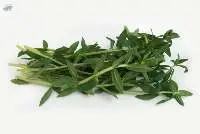
Finger grass is a branching herb comprised of straight, hollow stems and elongated lanceolate to elliptical leaves that grow in an opposite formation around the cylindrical stems. The leaves are slender, tapering to a point, and average 2 to 6 centimeters in length and .5 to 1 centimeter in width. The grey-green leaves are also smooth to the touch, thin, and pliable with finely serrated edges. The stems are thick in appearance but have a hollow center, creating a smooth, crisp, and watery texture. The pale green stems also have a light, succulent, and spongy consistency, lightly coated in fine hairs. Finger grass emits a refreshing, citrus, and herbal aroma and the stems and leaves have a vegetal, citrusy, and earthy, spice-filled flavor. Some consumers recognize the leaves as having a bright and acidic quality, filled with undertones of sweet cumin and curry flavor mixed with notes of lemon and dill. In addition to the leaves and stems, Finger grass seasonally produces tubular flowers that showcase pale pink, purple, to light blue hues.

USES
Finger grass has a bright, complex flavoring mainly used as a fresh finishing element on savory main dishes. The leaves should be washed and gently torn, chopped, or crushed to release their flavor, and they can be sprinkled into salads, minced into dips and marinades, or used as an edible garnish for roasted meats, light sauces, or grain dishes. In Southeast Asia, finger grass is frequently used in Vietnamese cuisine and Cambodian and Thai cuisine on a smaller scale. The leaves are traditionally served fresh in the center of the dinner table, along with other herbs and raw vegetables. These accompaniments are added to curries, stews, and soups such as pho, and each guest can determine how much of each herb is incorporated into their dish for custom flavor combinations. Finger grass can also be sauteed or steamed as a simple side dish or the stems can be roughly chopped and added to stir-fries. While more untraditional, some mixologists in Southeast Asia have begun muddling finger grass into a refreshing cocktail to modernize the herb. In Cambodia, finger grass is placed on the roof of houses and dehydrated for extended use as a dried herb. Finger grass pairs well with meats including poultry, beef, pork, and fish, other herbs such as lemongrass, basil, and mint, steamed rice, lemon, lime, bell peppers, peas, broccoli, water spinach, carrots, and peanuts. Whole, unwashed Finger grass is highly perishable and will only keep for a few days in the refrigerator when loosely wrapped in plastic or a damp paper towel. The herb should be used immediately for the best quality and flavor.

Season
Finger grass are available year-round in Southeast Asia.
Jun-17-22
Supplier From Amphoe Bang Phli, Samut Prakarn, Thailand
Supplier Of Fresh Vegetables   |   Milk   |   Sauces   |   Dips   |   Seeds   |   Onion   |   Tomato   |   Garlic   |   Ginger   |   Eggplant   |   Lemon   |   Coconut Milk
 Inquire Now  
PRODUCT INFO
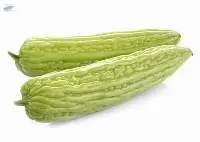
Bitter melons are small to medium gourds, averaging 6 to 30 centimeters in length, and have a long and slender, oblong shape with slightly tapered ends. The gourd's surface will vary depending on the specific type, ranging from deeply creased, smooth, pale green, and ridged to rough, dark green, and heavily textured with warts and bumps. The gourd's skin may also exhibit a waxy layer, and some rarer types of Bitter melon showcase a white hue. Underneath the thin skin, the flesh is crisp, watery, and pale green, encasing a central cavity filled with spongy pith and large, cream-colored seeds. Bitter melons are harvested when they are young and green, containing a sharp, astringent, and vegetal flavor. The gourds are also selected when they display a green coloring with a faint yellow hue, an indication of further maturity, rumored to contain a slightly milder, bitter, and acidic flavor.


USES
Bitter melons have an astringent, bitter flavor well suited for cooked preparations, including stir-frying, baking, saut�©ing, steaming, boiling, braising, and stewing. The melon's sharp flavor complements rich, fatty, and spicy ingredients and is often utilized in different culinary styles found within Asian cuisine. Bitter melons can be consumed raw, but the gourds should be deseeded, salted, and left for approximately 30 to 45 minutes to draw excess moisture and bitterness. Once the bitter flavor is lessened, the melons can be sliced for salads, chopped into dips and spreads, or blended into juices. Bitter melons are also traditionally blanched before use or salted to tame the astringent notes before cooking. The melons can be stirred into soups and curries, stuffed and baked as a main dish, stir-fried with vegetables and meat, or cooked and coated in rich sauces. Bitter melons can also be sliced and roasted as a simple side dish, cut and fried as a rice accompaniment, or pieces of the flesh can be dried and steeped as a healing and cleansing tea. In addition to the melons, the young leaves and shoots of the plants are edible and share the characteristic bitter flavor, used as an accent in salads and soups. Bitter melon pairs well with coconut milk, aromatics including lemongrass, ginger, garlic, and onions, chile peppers, tomatoes, green beans, eggplant, black beans, yogurt, pork, beef, and poultry, and seafood including fish, shrimp, crab, and scallops. Whole, unwashed Bitter melons will keep 3 to 5 days when wrapped in plastic or placed in a sealed container in the refrigerator's crisper drawer.

SEASONS
Bitter melons are available year-round, with a peak season in the summer.
6 Dips Suppliers
Short on time? Let Dips sellers contact you.
Jun-17-22
Supplier From Amphoe Bang Phli, Samut Prakarn, Thailand
Supplier Of Fresh Vegetables   |   Curry Powder   |   Milk   |   Dips   |   Seeds   |   Onion   |   Garlic   |   Carrot   |   Artichoke   |   Lemon   |   Shallots   |   Coconut Milk   |   Coconut Water   |   Ties
 Inquire Now  
PRODUCT INFO
Banana flowers have a starchy, fibrous consistency and a neutral, subtly bitter, and fruity flavor well suited for fresh and cooked preparations. The outer, dark-hued bracts should not be consumed, but they can be used as a decorative serving vessel. As each bract is removed, the small florets can be separated from their tough stamens and set aside for use with the flower's heart. Once the bracts have been peeled away to reveal a yellow-white hue, the heart can be sliced into pieces and incorporated into recipes. It is recommended to immerse slices of the Banana flower in salted lemon water or vinegar water for at least 20 to 30 minutes to extract some of the bitterness. Banana flowers can be added to fresh fruit and green salads, and younger flowers will have a sweeter flavor for raw preparations. They can also be minced into dips, dumplings, and pastes.

USES
Beyond fresh preparations, Banana flowers can be lightly steamed and served with dips, similar to an artichoke, boiled in coconut water and stir-fried, or incorporated into curries and soups. The flowers can also be fried into patties, soaked in flavoring, cooked like fish fillets, or sauteed into vegetable, rice, and noodle dishes. In Thailand, young Banana flowers are commonly served raw on the side with pad Thai. In Indonesian cuisine, Banana flowers are mixed with pork and hot sambal, cooked in a section of bamboo, and served as a festival or wake appetizer. In Brazil, Banana flowers are incorporated into pies, quiches, and cooked into various sweet and savory goods. There is also a famous pastry in the Brazilian state of Minas Gerais known as pastel de agnu that has its own festival. The festival annually occurs in the city of Itabirito and features food vendors, local growers, restaurants, and arts and crafts vendors, all centered around the famous pastry of the region. Pastel de agnu is comprised of Banana flowers stewed with meat and then fried into a dough-like puff. Banana flowers pair well with spices such as turmeric, curry powder, mustard seeds, cumin, and chile powder, aromatics including garlic, shallots, onions, lemongrass, and galangal, coconut milk, macadamia nuts, lime leaves, papaya, and carrots. Whole, raw Banana flowers should be immediately consumed for the best quality and flavor. The flowers can also be wrapped in plastic and stored in the refrigerator, or cut pieces can be placed in a sealed container in the fridge for 2 to 3 days. In addition to fresh Banana flowers, the buds can also be found canned or frozen for extended use.

SEASONS
Banana flowers are found year-round, varying in availability depending on climate, region, and hemisphere.
  • First page
  • Next
See what buyers and suppliers are discussing in Dips import export community