Please click here to check who's online and chat with them.

Find Verified De Husked Coconut Suppliers, Manufacturers and Wholesalers

Top Supplier Cities : Bangkok   -   Thailand  
Jun-17-22

Fresh Coconut

MOQ: Not Specified
Supplier From Amphoe Bang Phli, Samut Prakarn, Thailand
 Inquire Now  
PRODUCT INFO

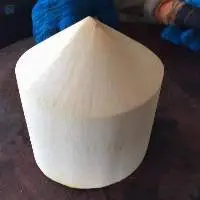
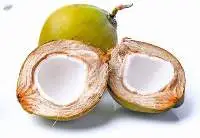
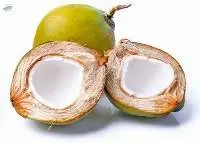
The coconut is a perennial plant belonging to the palm family ( Arecaceae ) and is the only living species of the genus Cocos. The coconut is a plant that can be used in a variety of ways, such as water and the pulp of young coconuts being eaten. The pulp of the mature fruit is grated and squeezed to make coconut milk. Coconut shells are used to invent things such as dippers, lanterns, etc. In addition, coconuts are classified as a kind of auspicious plant. According to the royal textbook of Brahmachat Has determined to plant coconuts in the east of the house. for prosperity. Young Coconuts are mainly used for the coconut water but the soft, sweet, delicate meat is also a real treat. They are harvested young and their green outer skin is pared away to a white cylindrical husk with a pointy, pencil-like tip. Inside the white husk is the familiar round coconut with its hard, fibrous shell, or the nut. Crack that open and you'll get to the sweet, refreshing coconut water.

SEASON
Coconuts are available year-round.
Nov-21-20

Young Coconut

MOQ: Not Specified
Supplier From Amphoe Bang Phli, Samut Prakarn, Thailand
 Inquire Now  
PRODUCT INFO
The coconut is a perennial plant belonging to the palm family ( Arecaceae ) and is the only living species of the genus Cocos. The coconut is a plant that can be used in a variety of ways, such as water and the pulp of young coconuts being eaten. The pulp of the mature fruit is grated and squeezed to make coconut milk. Coconut shells are used to invent things such as dippers, lanterns, etc. In addition, coconuts are classified as a kind of auspicious plant. According to the royal textbook of Brahmachat Has determined to plant coconuts in the east of the house. for prosperity.

SEASON
Coconuts are available year-round.
Jun-17-22

Young Coconut

MOQ: Not Specified
Supplier From Amphoe Bang Phli, Samut Prakarn, Thailand
 Inquire Now  
Young Coconut
Jun-17-22
Supplier From Amphoe Bang Phli, Samut Prakarn, Thailand
 Inquire Now  
PRODUCT INFO
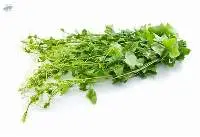
Coconut shoots are one of the most useful things. They also contain less fat and energy. Therefore, it is popular to make a menu of coconut shoots for weight loss. Because it has a sweet, crispy, delicious taste, plus it helps to lose weight well, not allergic to spinach for weight loss.

USES
If eating in each meal will have a special to eat deliciously, we would like to suggest a menu that includes coconut shoots with a delicious taste when used as an ingredient in curry, and then adds more crunch to the crunch. excellent food The more you chew, the more crunchy it becomes, and the more it makes people eat it without getting bored. The menu that we will recommend is a variety of styles of coconut shoots that are put into each menu. Because the taste is different, but even if it's different, there is a perfect balance that is not normal at all. The young coconut shoots are stir-fried with spicy flavor, adding more flavor to the coconut shoots that are so delicious that you can't stop eating them. With the colorful curry paste and the spicy flavor of the curry paste, when the coconut shoots are mixed together, it's perfect.

SEASONS
Coconut shoot is available year-round.
Jun-17-22
Supplier From Amphoe Bang Phli, Samut Prakarn, Thailand
Supplier Of Fresh Vegetables   |   Curry Powder   |   Milk   |   Dips   |   Seeds   |   Onion   |   Garlic   |   Carrot   |   Artichoke   |   Lemon   |   Shallots   |   Coconut Milk   |   Coconut Water   |   Ties
 Inquire Now  
PRODUCT INFO
Banana flowers have a starchy, fibrous consistency and a neutral, subtly bitter, and fruity flavor well suited for fresh and cooked preparations. The outer, dark-hued bracts should not be consumed, but they can be used as a decorative serving vessel. As each bract is removed, the small florets can be separated from their tough stamens and set aside for use with the flower's heart. Once the bracts have been peeled away to reveal a yellow-white hue, the heart can be sliced into pieces and incorporated into recipes. It is recommended to immerse slices of the Banana flower in salted lemon water or vinegar water for at least 20 to 30 minutes to extract some of the bitterness. Banana flowers can be added to fresh fruit and green salads, and younger flowers will have a sweeter flavor for raw preparations. They can also be minced into dips, dumplings, and pastes.

USES
Beyond fresh preparations, Banana flowers can be lightly steamed and served with dips, similar to an artichoke, boiled in coconut water and stir-fried, or incorporated into curries and soups. The flowers can also be fried into patties, soaked in flavoring, cooked like fish fillets, or sauteed into vegetable, rice, and noodle dishes. In Thailand, young Banana flowers are commonly served raw on the side with pad Thai. In Indonesian cuisine, Banana flowers are mixed with pork and hot sambal, cooked in a section of bamboo, and served as a festival or wake appetizer. In Brazil, Banana flowers are incorporated into pies, quiches, and cooked into various sweet and savory goods. There is also a famous pastry in the Brazilian state of Minas Gerais known as pastel de agnu that has its own festival. The festival annually occurs in the city of Itabirito and features food vendors, local growers, restaurants, and arts and crafts vendors, all centered around the famous pastry of the region. Pastel de agnu is comprised of Banana flowers stewed with meat and then fried into a dough-like puff. Banana flowers pair well with spices such as turmeric, curry powder, mustard seeds, cumin, and chile powder, aromatics including garlic, shallots, onions, lemongrass, and galangal, coconut milk, macadamia nuts, lime leaves, papaya, and carrots. Whole, raw Banana flowers should be immediately consumed for the best quality and flavor. The flowers can also be wrapped in plastic and stored in the refrigerator, or cut pieces can be placed in a sealed container in the fridge for 2 to 3 days. In addition to fresh Banana flowers, the buds can also be found canned or frozen for extended use.

SEASONS
Banana flowers are found year-round, varying in availability depending on climate, region, and hemisphere.
153 De Husked Coconut Suppliers
Short on time? Let De Husked Coconut sellers contact you.
Jun-17-22
Supplier From Amphoe Bang Phli, Samut Prakarn, Thailand
 Inquire Now  
PRODUCT INFO
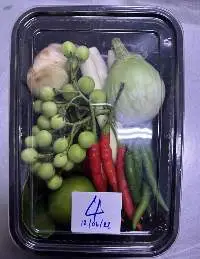
"Tom Kha Kai" is a spicy and sour hot soup with coconut milk in Thai cuisine.
"Tom Kha Kai" is sold containing fresh lemongrass, fresh galangal, fresh kaffir lime leaves, fresh red thai chiles, fresh thai eggplant, fresh pea eggplant.

USES
In Thailand, most tom kha kai recipes typically include coconut milk, galangal (sometimes substituted with ginger), kaffir lime leaves, lemongrass, Thai chili, coriander (or dill), straw mushrooms (or shiitake or other mushrooms), chicken, fish sauce, and lime juice. Fried chilies are sometimes added.
Jun-17-22

Young Tamarind

MOQ: Not Specified
Supplier From Amphoe Bang Phli, Samut Prakarn, Thailand
 Inquire Now  
PRODUCT INFO
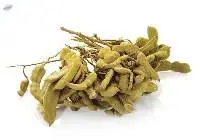
Young tamarind is a local tree. The pods are spherical, straight, curved, and the bark is thin green with a brownish tint. Juicy flesh, light green juice. Adjacent to the rind there are young seeds inside the flesh. Sour taste. Young tamarind pods have a thin, brown rind. The flesh is attached to the rind. and no hard seeds, firm flesh, chewy, slightly acidic and astringent taste. Can be eaten fresh by dipping with chili paste, salt chili or shrimp paste.

USES
The menu that cannot be lacking in young tamarind is Tamarind and Tom Klong The young tamarind must be scraped off the brown husks completely. leaving only the flesh in the fresh green therefore gradually used But the trick is easier than that. Bring the young tamarind to boil water for about 5 minutes before it can easily scrape off the skin.

Season
Young tamarind is available between Feb - Apr.
Jun-17-22
Supplier From Amphoe Bang Phli, Samut Prakarn, Thailand
 Inquire Now  
PRODUCT INFO
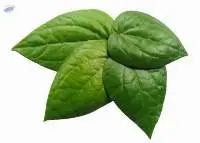
Betel Leaves are medium to large in size and oblong to heart-shaped, averaging 7-15 centimeters in length and 5-11 centimeters in width. The dark green leaves are flat, broad, and pliable and have a smooth, but slightly leathery texture. There is also a central vein the runs the length of the leaf with many smaller veins branching throughout. Each Betel Leaves tapers to a point on the non-stem end and grows on climbing vines. Betel Leaves are chewy and have a sharp, tangy, and peppery taste.Betel Leaves are used primarily for their medicinal properties and as wrappings for other ingredients. They are most commonly used as a wrapper for the areca nut or tobacco and when chewed they impart a peppery flavor. The leaf is also chewed along with other barks and leaves such as sweetened coconut, lime, cardamom, anise seeds, licorice, and fruit preserves.

USES
Betel Leaves can also be found as a street snack with chocolate syrup poured over them or used as an edible garnish for other dishes. Paan leaves pair well with dried shrimp, coconut, mint, garlic, ginger, chiles, carrots, peanuts, chocolate, and lime. Betel Leaves will keep up to three days when unwashed and stored in a plastic bag in the refrigerator.

SEASONS
Betel Leaves are available year-round.
Jun-24-22

Thai Avocado

MOQ: Not Specified
Supplier From Amphoe Bang Phli, Samut Prakarn, Thailand
 Inquire Now  
PRODUCT INFO
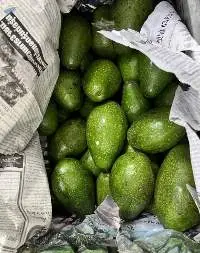
Avocado fruits are becoming more popular in Thailand. Apart from being consumed as fresh fruits for their palatability, food value with high protein, vitamin E and digestible fat content, their oil is used also in the cosmetic industry.


USE
Their rather neutral flavour profile allows the avocados to be paired with almost any ingredient and menu, both sweet and savoury. One of the proudly presented was ripe avocado chunks served with the refreshing coconut ice cream, with optional extra Japanese red bean topping.

Season
July marks the opening of the avocado season in Thailand and the best time of the year.
Jun-17-22
Supplier From Amphoe Bang Phli, Samut Prakarn, Thailand
 Inquire Now  
PRODUCT INFO
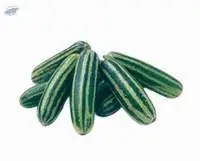
Melon Cucumber Laithai are used as fresh vegetables as well as cucumbers. It is commonly eaten fresh as a dipping vegetable. It tastes like cucumber but has a firmer texture (less water). It is also used in salads and curries as well as cucumbers. Including being able to pickle as a pickled melon as well, preferably pickled to have a sweet and slightly salty taste than pickled sour.


USES
Ripe Melon Cucumber Laithai are eaten in desserts or eaten as a fruit by blending melons into a drink. Thai melon blended or mixed with coconut milk. Besides making sweets Ripe melons can also be eaten directly like watermelons, but they are not as popular as watermelons because they are not as sweet. Including not as popular as melon (cantaloupe) because the taste is not as sweet and the meat is more messy.As usual, we usually eat melons cooked with coconut milk and called Thai melons. Or eat it with white sugar, it's delicious, but no matter how you eat it, melon has outstanding properties to treat disease. such as coughing from tuberculosis, constipation, and urinary tract infections, thus helping to alleviate such symptoms and diseases and have the opportunity to eventually recoverThe smell and taste of fresh Thai melon is also suitable for making Thai melon juice because it is easy to make, good smell and taste, beautiful color, high nutritional value. Because it is very high in vitamin A, it also contains a lot of vitamin C, phosphorus, calcium, etc.

Season
Melon Cucumber Laithai produces a good yield during From July to September, Thai melons can be planted in all regions of Thailand.
Jun-17-22
Supplier From Amphoe Bang Phli, Samut Prakarn, Thailand
 Inquire Now  
PRODUCT INFO
Yellow corn is a variety of sweet corn. Its ears are wrapped in tightly bound lime hued husks with silks and a tassel that extend out from the tip. The yellow kernels are packed in tight almost uniform rows. A single ear of corn can contain up to 400 kernels. Freshly harvested yellow corn at its peak ripeness is sweet, offering flavors of almond and sugar, the kernels so succulent, the skin pops as you bite into it. As the corn matures, the kernels lose their milky consistency giving way to a starchy and doughy consistency. At this point, the corn is considered a grain crop and is best suited for processing or feedstock.

USES
Yellow corn is a significant resource of Vitamin A. As corn kernels mutated from white to yellow, they acquired chemicals called cartenoids. Of these cartenoids is beta carotene, which produces Vitamin A. Very little attention has been emphasized on yellow corn's significant beta carotene levels until the early 21st Century. Yellow corn, easy to grow in developing regions of Africa and Latin America, where corn is heavily relied upon as a food source, could actually keep millions of children from going blind. Yellow corn is now being bred to have at least 10 times higher the amount of beta carotene than average sweet corn varieties.

SEASON
Yellow corn is available year-round.
Jun-17-22
Supplier From Amphoe Bang Phli, Samut Prakarn, Thailand
 Inquire Now  
PRODUCT INFO
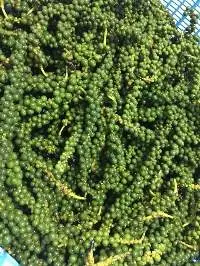
Young pepper (Prik Thai On) (scientific name: Piper nigrum) is a plant recognized as the king of pungent spices. and is a spice that gives it a spicy flavor Can be used to make dried pepper as a condiment. If the whole husk is dried, black pepper will be obtained because the rind will be black when dried. The white pepper is obtained by peeling off the bark first. It was found that both dried and fresh fruits were used for cooking. or dried and ground into a powder called ground pepper which pepper is a different plant species from chili (Chilli).

USES
In Asia, we use pepper in all its stages of development. Sprigs of very aromatic, young green berries appear in stir-fried dishes, curries, soups and dipping sauces. As pepper berries mature, they change from light green to dark green and then begin to turn red. Picked before fully matured, the peppercorns are dried, the outer peel turning black and shriveled, and this is the form most popular in the west. Fully ripened red berries are allowed to ferment briefly in a warm place, then their peel is rubbed off, revealing irregularly white seeds. For a refreshingly aromatic peppery taste, grind your own pepper when you need it. Use a pepper mill, mortar and pestle, or if you are grinding a large amount, a clean coffee grinder designated solely for grinding dry spices. Pre-ground pepper loses aroma and flavor over time.

SEASONS
Young peppercorn will bloom in May during the harvest season. will be around January.
Jun-17-22
Supplier From Amphoe Bang Phli, Samut Prakarn, Thailand
 Inquire Now  
PRODUCT INFO
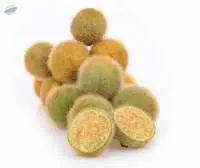
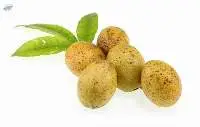
Bolo Maka (Ma-Uek) is small and round, approximately 1-2 centimeters in diameter. The tiny outer skin is initially green when immature, but then ripens to a yellow or orange and is covered in a fine layer of prickly hair. The inner pulp has many edible seeds and is also yellow or orange. Bolo maka is tangy and have a tropical, floral taste with a crunchy bite. Bolo maka grow in small clusters on a stout, vining perennial bush that reaches heights of just over one meter. The stems, leaves, and branches are also hairy, much like the fruit's outer skin. Bolo maka can be consumed in both raw and cooked applications. The thin exterior skin is edible once the hairy layer is shaved off and they are popularly eaten raw as an appetizer or snack. Many recipes may call just for the juicy, seedy pulp to add a touch of piquant sweet and sourness in sauces and curries. The fruit can be sliced in half and squeezed to release the inner pulp. Bolo maka is often used as a finishing condiment and paired with nam prik kapi, which is a Thai chili sauce made with shrimp paste and lime. Its sweet and sour flavor profile also compliments curries rich in coconut milk or a simple plate of rice. Bolo maka will keep up to a week when stored in the refrigerator.

USES
Bolo maka can be consumed in both raw and cooked applications. The thin exterior skin is edible once the hairy layer is shaved off and they are popularly eaten raw as an appetizer or snack. Many recipes may call just for the juicy, seedy pulp to add a touch of piquant sweet and sourness in sauces and curries. The fruit can be sliced in half and squeezed to release the inner pulp. Bolo maka is often used as a finishing condiment and paired with nam prik kapi, which is a Thai chili sauce made with shrimp paste and lime. Its sweet and sour flavor profile also compliments curries rich in coconut milk or a simple plate of rice.Bolo maka will keep up to a week when stored in the refrigerator.

SEASONS
Bolo maka is available year-round.
Jun-17-22
Supplier From Amphoe Bang Phli, Samut Prakarn, Thailand
Supplier Of Plum   |   Cakes   |   Milk   |   Ginger   |   Coconut Milk
 Inquire Now  
PRODUCT INFO
Hog Plum grow in dangling bunches and are small fruits, averaging 3 to 6 centimeters in diameter and 6 to 9 centimeters in length, with an oval to oblong shape. The skin is thin, tough, and semi-smooth with some russeting, ripening from green to golden yellow when mature. Underneath the surface, the flesh is firm, dense, crunchy, and pale green when unripe, developing an aqueous, softer consistency with a darker yellow hue when ripe. Hog Plum also contain a central yellow pit with many elongated fibers that extend into the flesh, creating a fibrous texture. Hog Plum have a sweet-tart flavor with subtle notes of musk, turpentine, mango, and pineapple. Hog Plum are an excellent source of vitamin C, which is an antioxidant that can boost the immune system, repair tissues within the skin, and increase collagen production. The fruits also contain vitamin A, iron, calcium, phosphorus, and fiber, which can help regulate the digestive tract.

USES
Hog Plum are best suited for both raw and cooked applications such as boiling and baking. The green, unripe fruits are the preferred stage for consumption as the flesh is crunchy and has a neutral flavor. When young, the flesh can be sprinkled with salt, shrimp paste, chile powder, or sugar and eaten raw, blended into smoothies, pressed into juice, sliced and added into green salads, or chopped and mixed into salsa. The fruits can also be pressed into an herbaceous juice that is popularly made into an alcoholic drink similar to cider. When ripe and golden yellow, the fruits can be coated in sugar and eaten for a sweet-tart snack. In addition to raw preparations, Hog Plum can be cooked into jams, preserves, and jellies, tossed into soups, curries, and stews, pickled for extended use, or cooked in sugar water and mashed to create an applesauce-like consistency. They can also be baked into cakes, pies, and tarts, and the leaves are used in some countries as a salad green, lightly sauteed, or steamed. Hog Plum pair well with other fruits such as grapefruit, pineapple, and passion fruit, ginger, spices such as cinnamon, cardamom, and vanilla, almonds, salted fish, seafood, coconut milk, and herbs such as parsley, mint, and coriander. The fruits continue to ripen after harvest and should mature at room temperature. Once ripe, they can be stored in the refrigerator for an additional five days. Hog Plum can also be dehydrated or canned in syrup for extended use.

Season
Hog Plum are available in the fall through winter.
Jun-17-22
Supplier From Amphoe Bang Phli, Samut Prakarn, Thailand
Supplier Of Herbs   |   Milk   |   Brown Sugar   |   Oils   |   Lemon
 Inquire Now  
PRODUCT INFO
Pandan leaves are medium to large in size and are elongated, narrow, and oblong in shape. There are two distinct Pandan plant shapes. If the plant is left undisturbed and the leaves are not harvested, it will develop into a small tree with large, long, and thin green leaves that can reach up to two meters in length. If the leaves are continuously harvested, the plant will stay low to the ground forming a shrub-like appearance with smaller, narrow green leaves growing up to one meter in length. The upright green leaves taper to a point at the tip, and when attached to their stems, Pandan leaves resemble the top of a pineapple plant. Pandan leaves have a unique and distinct grassy aroma when first crushed that mellows out to a subtle, herbal, and floral aroma. When cooked, Pandan leaves have a nutty, almond, rose-like, and slightly sweet flavor. Pandan leaves are rich in essential oils, glycosides, and alkaloids, and also contain traces of tannin and isoprene esters. They are traditionally used to reduce symptoms of pain and fevers and are used as a laxative.

USES
Pandan leaves are best suited for cooked applications such as boiling, steaming, sauteing and frying. They are used in both sweet and savory dishes and are boiled, pounded, bruised, or raked to bring out the flavor. Pandan leaves are often used to wrap meats or sticky rice and are cooked to add a sweet and nutty flavor. They are also wrapped and deep fried to create a crunchy exterior. In addition to savory preparations, Pandan leaves are also used to make desserts and drinks. They can be made into a paste with the juice extracted to make the well-known chiffon cake, and they can be cooked to make Kaya, or pandan-flavored coconut egg jam, which is a traditional Pandan dish still found today in Malaysia and Singapore. Pandan leaves can also be cooked with coconut to make nasi lemak rice or are tied into knots and used for flavoring. Pandan leaves pair well with turmeric, lemongrass, brown sugar, milk, meats such as fish, chicken, beef, and pork, and rice. They will keep for a couple of days when stored unwashed, wrapped in a damp paper towel and sealed in a plastic bag in the refrigerator. Pandan leaves can also be frozen for up to two months.

SEASON
Pandan leaves are available year-round.
Jun-17-22
Supplier From Amphoe Bang Phli, Samut Prakarn, Thailand
Supplier Of Fresh Brinjal   |   Milk   |   Soy Sauce   |   Seeds   |   Potato   |   Onion   |   Tomato   |   Garlic   |   Ginger   |   Eggplant   |   Basil   |   Coconut Milk   |   Ties
 Inquire Now  
PRODUCT INFO
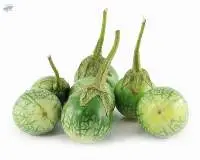
Thai eggplants can have an elongated, cylindrical shape to a small, globular shape, averaging 2-3 centimeters in diameter. The outer skin is smooth and glossy and ranges from dark green, light green, to white. The vivid green hues begin at the fruit's stem and then fade to a creamy white in a striping pattern. The inner flesh is pale green to white and contains many small, brown, edible seeds. Thai eggplants are crunchy and mild with a slightly bitter taste.


USES
Thai eggplants can be consumed in both raw and cooked applications such as grilling, frying, baking, pureeing, stewing, stuffing, and pickling. This eggplant is unique because unlike other eggplant varieties that require cooking, it can be used in raw preparations, such as salads and crudite. The seeds are edible but can be difficult to chew. In cooked applications, Thai eggplants are most commonly used in curries, and when cooked they become soft and soak up the sauce with ease. They can also be sliced and added to stir-fries or battered and fried into a tempura side dish. Thai eggplant pairs well with aromatics such as garlic, ginger, and onions, herbs such as basil, oregano, cilantro and parsley, nightshade family members including tomatoes, potatoes, and peppers, as well as coconut milk, soy sauce, shellfish, and poultry. Thai eggplants will keep up to three days when stored in a cool and dry place.

SEASON
Thai eggplants are available year-round.
Jun-17-22
Supplier From Amphoe Bang Phli, Samut Prakarn, Thailand
 Inquire Now  
PRODUCT INFO
Ivy gourd is a local vegetable with very high nutritional value. and what you see will be pleasing A health lover for sure is that ivy gourds contain beta-carotene. that reduces the rate risk of developing cancer and ischemic heart disease also provide calcium as well For those who have problems driving It's worth trying to eat because gourds contain fiber that helps the digestive system work well. Young shoots and young leaves of ivy gourds It is blanched and steamed as a dipping sauce with chili paste and used to cook as curry, vegetable soup. Some local villagers bring the young fruit of ivy gourds to pickle and eat it with chili paste or cook it as a curry. The young shoots of ivy gourds are a popular vegetable that Thai people eat. Available in fresh markets in every region of Thailand.

USES
The ivy gourds are also useful as follows: leaves, quenching heat poisoning, neutralizing fever, relieving heat, quenching boils, relieving burning pain, relieving itching, flowers, relieving itching, seeds, pounding mixed with coconut oil to cure scabies, vines, use the juice from the vine to drop the eyes to cure hay fever, red eyes, bruised eyes, watery eyes, eye inflammation. Detoxification, anti-inflammatory, brew with dizzy glass drinking water, roots, quench all poisons, cure blemish eyes, reduce fever, cure vomiting, latex, stem, leaf, root Cure diabetes, headache, eliminate all toxins

SEASON
Ivy gourd is available year-round.
Jun-17-22
Supplier From Amphoe Bang Phli, Samut Prakarn, Thailand
Supplier Of Fresh Vegetables   |   Milk   |   Seeds   |   Onion   |   Garlic   |   Lemon   |   Coconut Milk
 Inquire Now  
PRODUCT INFO
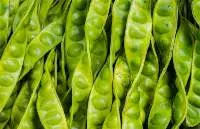
Peteh beans (Sator) pods are medium to large in size, averaging 30-45 centimeters in length, and are long, wide, ribbon-like, and sometimes twisted in shape. The green pods grow in clusters on tall trees, and when immature, the pods are flat and almost translucent. As they mature, the seeds begin to form within the pod causing protrusions, and the pod becomes tough, hard, and vibrant green. Inside the pod, there is a cream-colored, slippery film that encases the seeds and each pod can hold 15-20 seeds. The seeds are pale green and are similar in size to almonds. Peteh beans have an unusual smell, often compared to natural gas, and are crisp, soft, and tender with a rich and pungent flavor. Peteh beans (Sator) contain fiber, iron, calcium, potassium, vitamin C, riboflavin, and thiamin.

USES
Peteh beans (Sator) are best suited for cooked applications such as roasting, stir-frying, deep-frying, and sauteing. When young, the pods do not contain fully developed seeds and can be used whole in stir-fries or consumed raw, pickled, or fried. When mature, Peteh beans must be peeled before cooking and can be boiled in coconut milk or stir-fried with shrimp, curry paste, garlic, and chilies. It can also be roasted in the pods and eaten similar to edamame. To remove the seeds, carefully use a sharp knife to cut the pod or scrape the outer layer off into a bowl. Peteh beans can be dried, causing the seeds to turn black, and stored for extended use, or the beans can be pickled in a sour brine, creating a slightly rubbery texture without the loss of flavor. Peteh beans pairs well with chilies, garlic, onions, turmeric, lemongrass, kaffir lime leaves, shrimp paste, oyster sauce, shrimp, beef, pork, or poultry, and rice. The beans will keep for a week when stored in a cool and dry place and will keep for a couple of months when fermented.

SEASON
Peteh Bean is available year-round.
Jun-17-22

Snake Gourd

MOQ: Not Specified
Supplier From Amphoe Bang Phli, Samut Prakarn, Thailand
Supplier Of Fresh Vegetables   |   Seeds   |   Potato   |   Onion   |   Tomato   |   Garlic   |   Pumpkin   |   Cucumber   |   Zucchini   |   Ties
 Inquire Now  
PRODUCT INFO
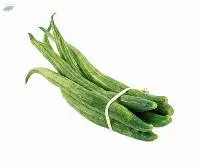
Snake gourds range from small to very large in size and are elongated, slender, curved, or straight. There are two different categories of Snake gourds. One type is extremely long with hard skin and is grown for ornamental purposes, and the other type ranges in size and is grown for eating and medicinal purposes. Snake gourds that are used for consumption have waxy green skin and are often speckled or striped with a lighter shade of green. The fruit is typically consumed when young, with longer varieties averaging 40-45 centimeters in length and smaller varieties 15-20 centimeters in length. The gourd may grow straight or in twisted curls and spirals. When Snake gourds are young, the seeds are fairly non-existent, the pulp around the seed mass is firm, and the flavor is mild and similar to a cucumber. As it matures, the rind becomes hard, turns red, and the flavor becomes bitter and gelatinous with many seeds. Snake gourds contain iron, magnesium, potassium, manganese, vitamins A, B, and C, fiber, calcium, and phosphorus.

USES
Snake gourds are best suited for cooked applications such as stir-frying, baking, stuffing, and boiling. They can be prepared and used like zucchini, sauteed and served as a side dish or added to dishes with other sauteed vegetables. They can also be added to sabzi, chopped into curries, stuffed and grilled, made into a chutney, fried, blended into soups, sliced into stir-fries, or pickled for extended use. When the gourd is mature, the seed mass within is scraped out and used like tomato paste in various Indian dishes. Snake gourds pair well with turmeric, cumin, coriander, mustard, red chiles, curry leaves, coconut, onion, garlic, potatoes, tomatoes, pumpkin, lentils, tofu, poultry, pork, and beef. They will keep for 2-3 weeks when stored in an airtight container in the refrigerator.

SEASONS
Snake gourds are available in the late summer through fall.
Jun-17-22
Supplier From Amphoe Bang Phli, Samut Prakarn, Thailand
Supplier Of Fresh Cut Flowers   |   Cakes   |   Eggs   |   Garlic   |   Ginger   |   Eggplant   |   Basil
 Inquire Now  
PRODUCT INFO
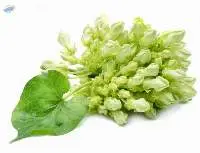
Cowslip Creeper flowers grow on long and slender, vining plants that bear dark green, heart-shaped leaves averaging 4 to 8 centimeters in diameter. The vines are tough, maturing from green to brown, and alongside each leaf node, a cluster of 10 to 20 flowers appear seasonally. Each flower averages 1 to 2 centimeters in diameter and bears five angular petals, forming a star shape. When young, the flowers are green, eventually developing a yellow-green hue at the base with solid yellow petals once the bud opens. The flowers also emit a strong and pleasant, citrus-like fragrance that is especially pungent in the evening when in bloom. Cowslip Creeper flowers are crisp, succulent, and tender with a mild, vegetal, subtly sweet, and earthy flavor.

USES
Cowslip Creeper flowers are a seasonal ingredient used in Filipino, Vietnamese, Chinese, Thai, and Indian cuisine. The flowers can be consumed raw, incorporated into salads for added texture, or utilized as an edible garnish to decorate cakes, desserts, and main dishes. In addition to fresh preparations, Cowslip Creeper flowers can withstand cooking and readily absorb accompanying flavors, providing a mild earthiness and subtle crisp consistency to dishes. The flowers can be battered and fried, tossed into soups and curries, or stir-fried with oyster sauce. In Thailand, Cowslip Creeper flowers are popularly boiled and dipped in chile paste. In the Philippines, the flowers are cooked into a vegetable dish known as pinakbet and frequently mixed into omelets. Cowslip Creeper flowers pair well with noodles, rice, meats such as pork, beef, and fish, shrimp, eggs, tofu, aromatics such as garlic, ginger, and holy basil, pandan juice, coconut, and vegetables such as mushrooms, long beans, squash, eggplant, and mung beans. The flowers should be immediately consumed for the best quality and flavor.

SEASONS
Cowslip Creeper flowers are available in the late spring through early fall.
153 De Husked Coconut Suppliers
Short on time? Let De Husked Coconut sellers contact you.
Explore De Husked Coconut related import export discussions