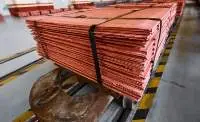
Copper Cathode is a high-purity electrolytically refined copper product containing 99.99% minimum copper (Cu).
Grade : LME Grade A Electrolytic Copper Cathode
Purity : 99.99% Cu Min (typical range 99.97 - 99.99%)
Standard plate size : Approximately 914 - 914 12 mm
Weight : 50 - 125 kg per cathode sheet
High electrical conductivity
Excellent thermal conductivity
Smooth surface with low impurity levels
260x260 mm (3 kg) with strong lock which support open and closing many times
Minimum order 1000 bags
Price is for 1000 bags is 30 USD. Shipping will be additional
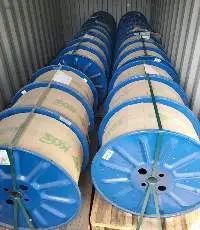
Stainless Steel Spring Wire, AISI 302 / EN 1.4310, diameter 0.500-0,800 mm, high tensile strength, supplied on industrial spools. Suitable for manufacturing springs, wire forms, precision components and various industrial applications. Material supplied with Inspection/Quality Certificate EN 10204 3.1.
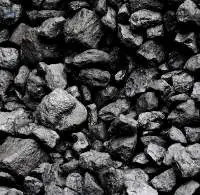
Bitumen, often referred to as asphalt, is a viscous, black, and sticky substance. It is a semi-solid form of petroleum and is primarily used as a binder in road construction. When mixed with aggregates, it forms asphalt concrete, the material commonly used for paving roads.
Primary Characteristics:
Appearance: Thick, black to dark brown substance.
Temperature Sensitivity: Becomes liquid when heated and returns to a semi-solid state upon cooling.
Water Resistance: Acts as a waterproofing agent, making it ideal for various sealing applications.
Adhesion: Excellent adhesive properties, allowing it to bind aggregates together effectively.
Grades & Types:
Bitumen comes in various grades, primarily determined by its viscosity and penetration value. Common types include:
Paving Grade Bitumen: Used in road construction.
Oxidized Bitumen: Produced by air blowing and has stiffer properties.
Cutback Bitumen: Bitumen diluted with solvents to reduce viscosity for specific applications.
Modified Bitumen: Bitumen altered with polymers to enhance its properties.
Applications:
Road Construction: Mainly used as a binder mixed with aggregates to pave roads.
Roofing: Used as a waterproofing agent in roofing felts.
Dams & Reservoirs: Acts as a waterproofing membrane.
Soundproofing: Used in soundproofing materials due to its insulating properties.
Advantages:
Durability: Offers a long-lasting paving solution, able to withstand various weather conditions.
Cost-effective: Provides a reliable and economical material for large-scale infrastructure projects.
Recyclable: Old bituminous roads can be reprocessed to produce new roads.
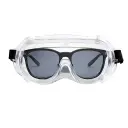
Protection goggles with vents
Closed protection goggles with valves and adjustable straps to fit most face types.
The lens has an anti fog coating to keep from fogging. Good for various environments and will provide you with a clear view.
Store in a clean room with no more than 80% relative humidity, no corrosive gases, cool, dry and well ventilated, away from direct sunlight and flames.
SKU: TR1082
Color - Transparent
MATERIAL - Polycarbonate (PC), Polyvinyl Chloride (PVC), Polyester fiber
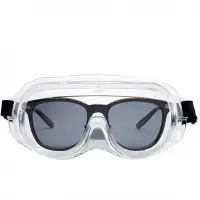
Protection goggles
Closed, air tight protection goggles with adjustable straps for better fit and comfort.
The lens has an anti fog coating to keep from fogging. Good for various environments and will provide you with a clear view.
Store in a clean room with no more than 80% relative humidity, no corrosive gases, cool, dry and well ventilated, away from direct sunlight and flames.
SKU: TR1081
Color - Transparent
Material - Polycarbonate (pc), Polyvinyl Chloride (pvc), Polyester Fiber
Floor stickers with laminated surface.
Can be used for social distancing to help customers to follow the distancing guidelines.
In optional size, shape and design.
Price include digital printing.
For other sizes, please contact for information and price offer.
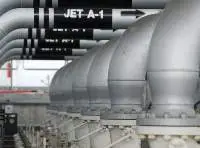
Jet Fuel A1 is a specialized type of kerosene designed for use in aircraft powered by gasturbine engines It meets stringent international specifications ensuring optimal performance and safety for aviation applications
Primary Characteristics
Appearance Clear to strawcolored liquid
Odor Characteristic petroleum or kerosene odor
Density Typically around 080 kgl at 15C
Flash Point Minimum of 38C 100F
Freezing Point Maximum of 47C 53F
Specifications
Jet Fuel A1 adheres to the stringent international standards set by organizations like ASTM American Society for Testing and Materials and DEF STAN UKs Defence Standard
Applications
Civil Aviation Preferred fuel for commercial airlines and most civil aircraft
Military While some military aircraft use Jet Fuel A1 others might utilize specialized fuel blends
Advantages
Stability Resistant to thermal breakdown ensuring safe operations in hightemperature environments like jet engines
Purity Contains minimal contaminants reducing the risk of engine deposits
Low Freezing Point Suitable for highaltitude flying where temperatures can be extremely cold
Gross Calorific Value (GCV) KWh/Nm3 11.131-12.647
LNG Density Kg/m3 430-478
Molecular Weight Kg/Kmol 16.52 - 18.88
Methane % mol 85.0 min 97.0 max
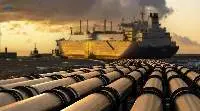
LNG stands for Liquefied Natural Gas, which is natural gas that has been cooled to a very low temperature (-162°C or -260°F) and condensed into a liquid state.
The process of liquefaction reduces the volume of natural gas by around 600 times, making it easier and more cost-effective to transport and store, particularly over long distances.
LNG is odorless, colorless, and non-toxic. It is typically transported in specialized cryogenic tanker ships, and upon reaching its destination, it can be regasified back into its gaseous state for distribution through pipelines to consumers.
LNG is used for a variety of purposes, including heating and electricity generation in residential, commercial, and industrial settings, as well as fuel for transportation, particularly in heavy-duty vehicles like trucks, ships, and buses.
Propane: 85% min. by liquid volume
Propylene: 5% max. by liquid volume
Butane & heavier HC: 2.5% max. by liquid volume
Sulfur: 120 ppm max. by weight
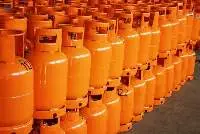
LPG stands for liquefied petroleum gas, also known as propane or butane. It is a flammable hydrocarbon gas that is commonly used as fuel for heating and cooking in homes, as well as for industrial applications, transportation, and agriculture.
LPG is a byproduct of crude oil refining and natural gas processing. It is a mixture of propane and butane gases, which are liquefied through pressurization and cooling. LPG is stored and transported in pressurized tanks and cylinders as a liquid, but when released into the atmosphere, it vaporizes into a gas.
LPG is a versatile fuel that has many advantages over other fossil fuels. It is clean-burning and produces fewer emissions than gasoline or diesel, making it a more environmentally friendly fuel option. It is also highly efficient, as it has a high energy content per unit volume, and can be easily transported and stored in liquid form.
LPG is widely used around the world, particularly in areas where natural gas pipelines are not available or where electricity is unreliable or expensive. It is commonly used in households for cooking and heating, and in vehicles as an alternative fuel to gasoline or diesel. LPG is also used in industrial applications such as manufacturing, agriculture, and chemical processing.