Please click here to check who's online and chat with them.

Find Verified Stones Slates Suppliers, Manufacturers and Wholesalers

Top Supplier Cities : -   Riyadh   Dammam  
Nov-03-22

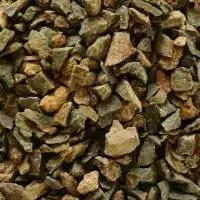
Bazalt Stone

MOQ: Not Specified
Supplier From Dammam, Saudi Arabia
 Inquire Now  
Bazalt Stone
Nov-03-22
Supplier From Dammam, Saudi Arabia
 Inquire Now  
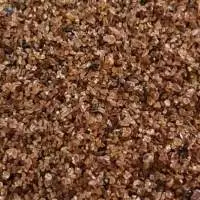
Garnet Stone(Decoration)
Apr-01-24

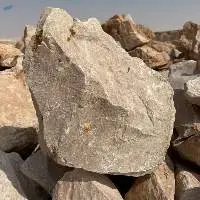
Limestone

MOQ: Not Specified
 Inquire Now  
Limestone
Nov-03-22

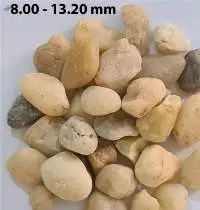
Quartz Pebbles

MOQ: Not Specified
Supplier From Dammam, Saudi Arabia
 Inquire Now  
Quartz Pebbles
Nov-03-22

Quartz Pebbles

MOQ: Not Specified
Supplier From Dammam, Saudi Arabia
 Inquire Now  
Quartz Pebbles
203 Stones Slates Suppliers
Short on time? Let Stones Slates sellers contact you.
Nov-03-22

White Sand

MOQ: Not Specified
Supplier From Dammam, Saudi Arabia
 Inquire Now  
Description
Packaging Size: 35 kg
Color: White
Packaging Type: PP Sack Bag
Density: 2.65 g/cc
Purity: 99%
Nov-03-22
Supplier From Dammam, Saudi Arabia
 Inquire Now  
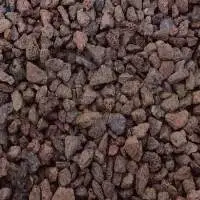
Volcanic Tuff/ Red Pumice
Nov-03-22

Pebbles

MOQ: Not Specified
Supplier From Dammam, Saudi Arabia
 Inquire Now  
Description

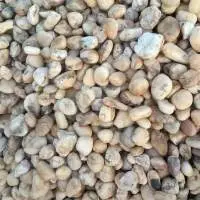
Fluid Systems Gravel and water filter pebble is composed of sub-angular, hard, durable, and dense grains of predominately siliceous material. Extracted from a clean glacial deposit, Fluid Systems Minerals Gravel and Pebbleâ??s physical properties make it among the finest available in the world for water filtration applications. Fluid Systems water filter gravel is washed, kiln dried, and screened to meet exact in g specifications with strict adherence to quality control. Sand and gravel make good water filters because they form permeable layers. When comparing the rate of flow between different filters, it is generally found that the tighter the spaces in the filter, the slower the flow of water. These small spaces cause tiny dirt particles to be trapped in the filter media.
Nov-03-22

Horse Track Sand

MOQ: Not Specified
Supplier From Dammam, Saudi Arabia
 Inquire Now  
Description
Sand is the most important ingredient for an equestrian surface; however, not every kind of sand is suitable for riding arenas. Quarries across the country will have different names for their sands, and particle size, gradation, mineralogy, and shape will vary. The qualities of your sand will greatly affect the performance of your surface, such as being tight, loose, or just right; soft or hard; and how much dust is produced. Becoming familiar with these characteristics will help you determine a solution for adding additives, improving an existing surface or building a new arena, and maintenance. Be sure to use the recommended specifications and sizes to determine what sand you will need .

Silica sand for horse tracks and equestrian arenas at BMS FACTORIES (Gharbalh industrial company ) 100% natural sand washed, sterilized and heat dried.It is distinguished by its natural color, practicality and high quality. Horse track sand is considered the best sand for its high porosity for rain water drainage, free from dust, impurities and bacteria. We manufacture all sizes of silica sand according to international specifications. silica sand for sports and landscaping at BMS FACTORIES for more information contact us

What type of sand is best for a horse arena?
High-quality equestrian grade silica sand should be sub-angular in grain shape, with a low clay and silt content. These important characteristics help to create a firm and highly stable arena surface, whilst also reducing dust and facilitating effective drainage. Using a silica sand that is not suitable for equestrian use is likely to result in an unsuccessful riding arena surface. Sand with a rounded grain shape is unable to compact sufficiently and creates a manege surface that rides deep; this greatly increases the risk of fatigue and injury to your horse.

How many tons of sand do I need?

For a square or rectangular area: Length in meter x Width in meter x Depth in meter. Take the total in meter cube and multiply by the sand density (Kg/meter cube) and the result would be in Kg. To change the unit to ton, take the result and divide it by 1000 as conversion to ton used in most countries. The result would be estimated amount of tons required.
Nov-03-22

Gravel

MOQ: Not Specified
Supplier From Dammam, Saudi Arabia
 Inquire Now  
Description
Gravel is used in Water Filtration with water treatment Filtration products Silica Sand, Anthracite, Activated Carbon, Birm, Pumice and Garnet in portable water treatment, surface water treatment, swimming pool water treatment, R.O. reverse Osmosis treatment plant and wastewater treatment also in conventional water treatment filters. Filter Gravel is an extremely effective filter media because of its ability to hold back precipitates containing impurities. Filter sand size, angularity and hardness are the important filter sand characteristics to ensure proper filtering. In slow sand filters, the gravel is normally on the bottom layer and is used as channels for filtered water to make it to the outlet lines. Sand will often plug the holes in the outlet pipe and the gravel helps prevent that. The primary role of the gravel in the bio-sand filter is to prevent clogging of the PVC pipe with sand. The first layer is sufficiently deep to cover the inlet to the pipe and should be large enough to keep the openings in the filter bottom free for the flow of water out of the filter, and the upper layer fine enough that the overlying filter sand will not sink into its pores.

Sand and gravel are used for road construction, for mixing with asphalt, as construction fill, and in the production of construction materials like concrete blocks, bricks, and pipes. It is also used to make roofing shingles, used on icy roads in the winter, for railroad ballast, and water filtration. The quarry is often where our gravel and other aggregates are excavated and where rocks such as sandstone and basalt are crushed down to size.
Nov-03-22
Supplier From Dammam, Saudi Arabia
 Inquire Now  
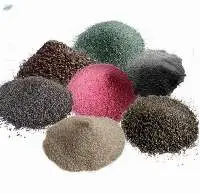
Sand blasting sand
Materials which can be Sandblasted:

Sandblasting Process
Glass
Stone
Metals
Wood
Plastics Steel
Brass
Aluminum
Silver
Materials Required for Sandblasting Process:

Abrasive Media grit size 80 grit around 0.007
Sand Produces free silica: cause of silicosis, a lung disease
Aluminum OxideLasts 30-40 X over sand.
Silicon Carbide Lasts at least 40-50X over sand.
Garnet
Glass Beads
Black Magic
Walnut Shells
Plastic Pellets

Description
Sandblasting is also known as abrasive blasting. Basically, it is the operation of forcibly propelling a stream of abrasive material against a surface. The sandblasting operation is done under high pressure to smooth a rough surface, roughen a smooth/Shape the surface to remove its contaminants. There are several variants of sandblasting process like bead blasting, Soda blasting and shot blasting. Before sandblasting, it is mandatory to know about its materials and the pros and cons. If your job profile is related to sandblasting or you owned a company that involved in the same process, you need to stay with us. In this article, we will discuss sand blasting machines materials and its pros and corns. But before it, let me also clear some of the details of its operation.

There are Two Types of Sandblasting Processes:

Water-Driven It is applied for reducing surface deterioration, most commonly water driven process is used for brick or concrete surfaces preparation.

Air-Driven This process is best suited for metal surfaces, to prevent moisture buildup and avoid water intrusion in the surface.

Sandblasting is the process of propelling abrasive by using the pressurized liquid or compressed gas as propellant. There are many generic terms for this process that is generally related to the sandblasting abrasive media used for this process. Here are the details of abrasive materials.
Nov-03-22

Quicklime

MOQ: Not Specified
Supplier From Dammam, Saudi Arabia
 Inquire Now  
Description
Industrial Raw Quicklime Mineral also known as calcium oxide CaO is a term commonly applied to several related materials. Pure lime is calcium oxide CaO formed by burning a form of calcium carbonate such as limestone or marble CaCO3. Calcium oxide is a key ingredient for the process of making cement. As a cheap and widely available alkali. About 50% of the total quicklime production is converted to calcium hydroxide before use. Both quick- and hydrated lime are used in the treatment of drinking water. Quicklime is used as Industrial Raw Materials with other industrial raw material products such as Silica Flour, Limestone, Aggregate, Talc, Volcanic Rock, Abrasives and Calcium Carbonate.

The quicklime products are often ground into a fine powder referred to as PULVERIZED QUICKLIME that is ideal for mixing with additives or other materials to result in specialized blended composites. Due to the chemical nature of some additives, the quicklime can become Fluidized, that is, having properties of being highly fluid. The fluidized quicklime is ideal for use with special material handling systems for optimum flowability and to avoid clogging. Quicklime can also be hydrated with water, in a process commonly referred to as slaking, resulting in HYDRATED QUICKLIME (or calcium hydroxide), a dry free-flowing powder product that is practical and efficient for many uses.

The relationship of quicklime and hydrated lime The word lime is also used to refer to calcium hydroxide and its chemical formula is Ca (OH) 2, and it is formed by the reaction of calcium oxide also with water. Calcium hydroxide is also known as hydrated lime, or hydrogenated lime while calcium oxide is known as quicklime. Both articles are rules.

There are a wide variety of uses for hydrated lime. It uses an auxiliary material for smelting in the production of iron. It is also used to purify aluminum, copper, and zinc, and remove the hardness of water by removing certain minerals from them. It also plays an important role in wastewater treatment. And we find many farmers spread lime in their fields to neutralize soil acidity. Homeowners also use it in their gardens to prevent algae growth. Lime helps hold soil in foundations of roads and runways. In the leather industry, it is used in tanneries to remove hair from animal hides. The mortar that is placed between the tiles or stones in the walls of buildings consists of a mixture of lime, sand, and water. It is also one of the most important components of gypsum, and one of the most important components of a type of cement called Portland cement.
GOLD Member
Feb-09-26

Wheat 11.5% P, 11.5% P

$231 - $239 / Metric Ton (CIF)
MOQ: 5000 MT  Metric Tonnes
Supplier From Riyadh, Saudi Arabia
 Inquire Now  
WHEAT 11.5 % SPECIFICATIONS

Moisture 13 % MAX
Protein 11.5 % MIN on 12% moisture basis
Falling Number 250 Second MIN
Dry Gluten 8% MIN ON 12% moisture basis
Gluten Index 75% MIN
Test Weight 77 KG/hl MIN
Extraneous Matter
a. Organic Extraneous Matter
b. Inorganic Extraneous Matter

1.5% MAX (After removal of ergot)
1.1% MAX (Animal or plant material)
0.4% MAX (Stones, glass, pieces of soil
and other mineral matter)

Harmful And/ Or Toxic Matter 0.4% MAX
Ergot 0.03% MAX
Broken Grains 4% MAX
Shriveled Grains (Shrunken Grains) 3% MAX
Immature Grains 0.5 % MAX
Black Point Grains 3% MAX
Other Cereals 1.7% MAX
Grains Attacked by Pests 1 .7% MAX
Sunn Pest Damaged 0.80% MAX
Unsound Grains
a. Heat Damaged Grain,
b. Mould Grains Excluding
Fusarium

0.8% MAX
0.2% MAX
0.60 % MAX
Total Impurities 10% MAX
Dockage 1.0% MAX
GOLD Member
Feb-09-26

Wheat 12.5% P, 12.5% P

$258 - $260 / Metric Ton (CIF)
MOQ: 5,000 MT  Metric Tonnes
Supplier From Riyadh, Saudi Arabia
 Inquire Now  
WHEAT 12.5% SPECIFICATIONS

Moisture 13 % MAX
Protein 12.5% MIN on 12% moisture basis
Falling Number 250 Second MIN
Dry Gluten 8% MIN ON 12% moisture basis
Gluten Index 75% MIN
Test Weight 77 KG/hl MIN
Extraneous Matter
a. Organic Extraneous Matter
b. Inorganic Extraneous Matter

1.5% MAX (After removal of ergot)
1.1% MAX (Animal or plant material)
0.4% MAX (Stones, glass, pieces of
soil and other mineral matter)
Harmful And/ Or Toxic Matter 0.4% MAX
Ergot 0.03% MAX
Broken Grains 4% MAX
Shriveled Grains (Shrunken Grains) 3% MAX
Immature Grains 0.5 % MAX
Black Point Grains 3% MAX
Other Cereals 1.7% MAX
Grains Attacked By Pests 1 .7% MAX
Sunn Pest Damaged 0.80% MAX
Unsound Grains
a. Heat Damaged Grain,
b. Mould Grains Excluding
Fusarium

0.8% MAX
0.2% MAX
0.60 % MAX
Total Impurities 10% MAX
Dockage 1.0% MAX
Nov-03-22

Marble Chips

MOQ: Not Specified
Supplier From Dammam, Saudi Arabia
 Inquire Now  
Description
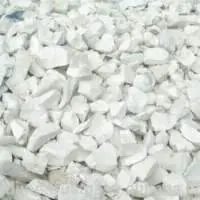
Marble Chips are metamorphic rocks formed by the alteration of limestone by heat and pressure. In its pure form, marble is a white stone with a
crystalline and sugary appearance, consisting of calcium carbonate CaCO3. Usually, marble contains other minerals, including quartz, graphite, pyrite, and iron oxides. It is used for its chemical properties in pharmaceuticals and agriculture. It is used for its optical properties in cosmetics, paint, and paper. They are used as Industrial Raw Materials with other industrial raw material products such as Silica Flour, Limestone, Aggregate, Quicklime, Talc, Volcanic Rock and Abrasives.

Marble is usually a light-colored rock. It is one of the most effective acid-neutralization materials. Being composed of calcite, marble has a hardness of three on the Mohs hardness scale. As a result, marble is easy to carve, and that makes it useful for producing sculptures and ornamental objects. After being sanded with progressively finer abrasives, marble can be polished to a high luster. This allows attractive pieces of marble to be cut, polished, and used as floor tiles, architectural panels, facing stone, window sills, stair treads, columns, and many other pieces of decorative stone. Marble chips work best when used in paths and patios as a substitute for gravel. Although gravel often is used as inorganic mulch around plants, marble chip mulch's reflected sunlight can be too intense for plants in full-sun locations. Today, marble is quarried all around the world and is used to create giant monuments, it is used in building, even down to applications as simple as kitchen counter tops. Itâ??s classified as a metamorphic stone, which means that it has changed composition over time from one type of rock to another.
Also used in:

Building Stone
Countertops and sinks
Floor tiles
Terrazzo marble chips mixed with concrete to form floors.
Tomb Stone
May-15-20

Lime Stone

$210
MOQ: Not Specified
Supplier From Saudi Arabia
 Inquire Now  
Some quantities of LIME with the highest measurements are burn-processed through kiln furnaces and utilizing high standard Swiss Technology at Saudi Plant Quick. LIME is burned at an average temperature of (1,100�° C) until it loses carbon dioxide by (44%) of its weight, leaving behind Calcium Oxide (Quicklime); which can be used immediately or milled to different degrees of finesse according to the market requirements.
Apr-07-20

Quartz

$0
MOQ: Not Specified
Sample Available
Supplier From Saudi Arabia
 Inquire Now  
Transparent Rock Crystal has many electronic uses; it is used as oscillators in radios, watches, and pressure gauges, and in the study of optics. Quartz is also used as an abrasive for sandblasting, grinding glass, and cutting soft stones.
Sep-25-23

Pebbles And Cobbles

$85
MOQ: Not Specified
Supplier From Riyadh, Saudi Arabia
 Inquire Now  
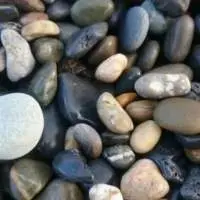
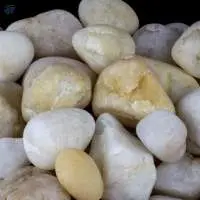
We have multi-color pebbles and cobbles. Specifically White, Brown, Gray, and black .
Including flint pebbles.
Sep-25-23

Pebbles And Cobbles

$85
MOQ: Not Specified
Supplier From Riyadh, Saudi Arabia
 Inquire Now  
We have multi-color pebbles and cobbles. Specifically White, Brown, Gray, and black .
Including flint pebbles.
Aug-05-23
 Inquire Now  
Off white color washed sands for beach.
No dust or clay.
Properly graded size to be comfortable to the sole.
High density sand not to be easily swept away by waves.
203 Stones Slates Suppliers
Short on time? Let Stones Slates sellers contact you.
Explore Stones Slates related import export discussions