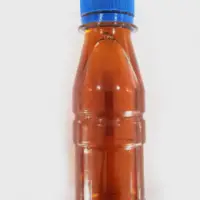
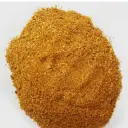
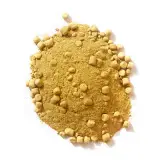
Adding a feed oil ingredient supplies the animal with essential fatty acids, needed for production and growth. The digestibility of the fatty acids however can vary between animal species and age groups. The effectiveness of including a fat or oil also depends on the total feed formulation.
Animal feed oil is a vegetable-based poultry feed energy supplement used in poultry feed formulation depending on the nutritional value of the other feed ingredients and the requirement of the animal. The fatty acid composition of fats and oils determines the nutritional and economical value in several ways. First of all, there is a need to supply the essential omega 3 and omega 6 fatty acids via the feed. This is in general limited to the polyunsaturated fatty acids linoleic and linolenic acid.
A minimum requirement for this is easily met by the addition of fat rich grains or grain by-products and lard or poultry fat in combination with plant oils like soybean oil. The ratio between unsaturated and saturated fatty acids in the complete animal feed oil influences the fat digestibility to a large extend. The degree of saturation of fatty acids strongly influences the melting temperature and therefore the ability to be emulsified in the gut lumen by bile acids
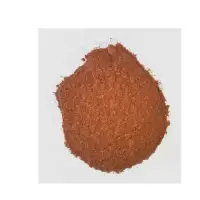
Rice polish is a by-product of rice obtained in the milling operation of brushing the grain to polish the kernel, after the hull and bran have been removed.
Rice polish can be used as a part of concentrates for dairy cattle, beef cattle and sheep. This is also the cheapest source of energy and protein for poultry feeding. The oil content of rice polish varies from 13-19%. The crude protein ranges from 13-16% and TDN from 70-90% depending on the oil content. Rice polish supplies as much TDN as maize. It is a good source of proteins, energy, vitamins and minerals for farm animals. It also contains better assortment of amino acids, particularly lysine and methionine, compared to other cereal grains, including maize and wheat.
The phosphorus content is high (1.30%) in rice polish and calcium content is low. Though much of the phosphorus exists as phytate phosphorus, rumen microorganism can digest phytate phosphorus. Rice polish contains factors which promote rancidity, especially under the warm humid climatic conditions that favour auto-oxidation. These include lipoxidases, which are enzymes that promote oxidation of unsaturated fatty acids. Rancid feeds are unpalatable and potentially toxic. Heat treatment may improve its utilization especially in non-ruminants by inactivating lipoxidases and trypsin inhibitors
Animal feed salt is an essential addition to any animal feed. Salt maintains the mineral balance of the animals at the right level and keeps your livestock healthy. It is advisable to opt for sea salt because this type of salt also contains additional essential minerals and trace elements.
Animals too need vitamins and minerals in their daily food supply. Sodium and chloride must not be lacking. Sodium is important for the functioning of the central nervous system, while chloride regulates the balance between acids and bases in the stomach. Together these two essential nutrients keep the fluid balance at the right level. A lack of salt in your animal feed is easily remedied by using animal feed salt as nutritional supplement. You can be certain that the animals are getting the necessary minerals. Salt deficiency can occur through feed that has too little sodium, unilateral fertilizer application of crops or low-quality grass or hay.
A lack of salt can have dire results for the health of your animals. Muscle cramps, a harsh coat and reduced appetite are just a few of the symptoms that occur. Animal feed salt can be provided as salt licks or added to the feed, but can also be used as preservative in grass and corn silage.
Sesame is a tropical and subtropical plant cultivated for its seeds, which yield about 50% of a high-quality edible oil. Sesame oil meal, the by-product of sesame oil extraction, is used as a feed ingredient. Sesame seeds have outstanding amounts of oil and they have a high polyunsaturated fatty acid (PUFA) content. Sesame oil contains about 47% oleic acid and 39% linoleic acid. It is rich in tocopherols and lignans (notably sesamin and sesamolin) that provide exceptional oxidative stability compared to other edible oils.
Several processes exist to extract sesame oil, depending on the end product required. The seed may be dehulled, cooked or roasted, and the oil extracted by mechanical pressure, resulting in a feed-grade, oil-rich sesame cake. Further extraction with solvent results in a feed-grade, low oil sesame flour. Sesame oil cake is the protein-rich by-product obtained after oil extraction.
Depending on the way oil has been extracted, sesame oil meal can be used as a feed for livestock, especially ruminants and poultry, from un-decorticated sesame seeds. It is a valuable source of protein for animals and unlike other oil meals, sesame oil meal is usually obtained by mechanical extraction only (rather by mechanical extraction followed by solvent extraction) and its residual oil content is high.
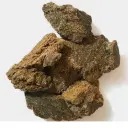
DDG crash corn is a by-product of the ethanol production process and has high nutrient feed valued suitable for the livestock. When ethanol plants produce ethanol, they use starch only from input grains like rice, corn, millets or wheat.
After starch extraction, the byproduct DDG crash corn contains protein, fiber, oil and essential amino acids suitable for livestock feed. This is an excellent animal feed as is containing high energy, mid-protein, and high digestible phosphorus content and this makes DDG crash corn a very attractive, partial replacement for some of the more expensive feed sources.
When DDG crash corn is added to properly formulated feeds, it results in excellent animal health, performance and food product quality. In dairy cow diets DDG crash corn can be included up to 20% and this result in greater milk production. When formulating diets containing DDG crash corn for lactating dairy cows, consideration should be given to type of forage, forage to concentrate ratio, crude fat content of DDG crash corn, and the need for supplemental crystalline lysine to achieve optimal performance.
DDG crash corn is relatively easy to digest and has high nutritional value. It has higher biological value than other gluten and has great health benefits for your livestock.
6 Citric Acid Suppliers
Short on time? Let Citric Acid sellers contact you.
Rice bran is a major by-product from rice processing. It consists of the fibrous outer layer of the grain, some hull, chipped grain and calcium carbonate which is added during milling process. Raw rice bran contains 13-19% oil which is removed by solvent extraction process leading to production of de-oiled rice bran.
This contains crude protein ranging from 13-16% and TDN 55-65%. De-oiled rice bran is a good source of proteins, vitamins and minerals. In addition, it also contains better assortment of amino acids, particularly lysine and methionine, compared to other cereal grains, including maize and wheat. The phosphorus content is high (1.30%) in de-oiled rice bran and calcium content is comparatively low. Though, much of the phosphorus exists as phytate phosphorus, rumen microorganism can digest phytate phosphorus.
Generally, rice bran contains variable quantities of hulls, which are high in silica making them very abrasive and extremely low digestibility. Our de-oiled rice bran product is carefully processed to ensure it is safe to eat and improve digestibility without much complications. Our supplies are extremely rich and premium in quality which is ideal for making cattle and poultry feed. De-oiled rice bran is the key to wholesome development of farm animals.