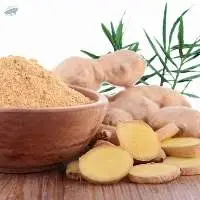
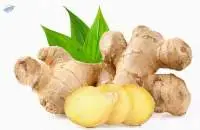
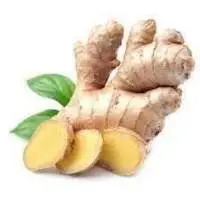
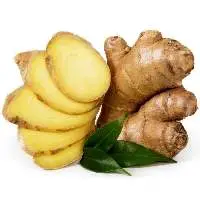
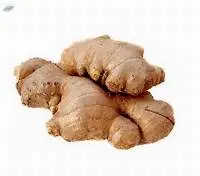
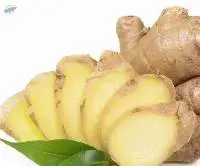
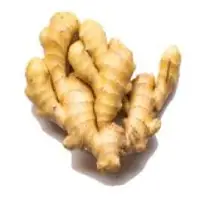
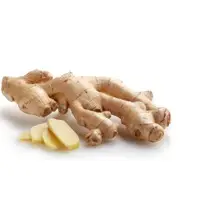
Ginger is obtained from a flowering plant originating in Southeast Asia. Including ginger in your diet can have numerous physical and psychological health benefits.
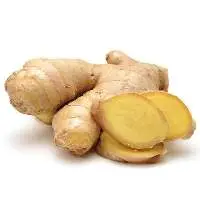
Ginger is among the healthiest (and most delicious) spices on the planet. It belongs to the Zingiberaceae family, and it's closely related to turmeric, cardamom, and galangal.
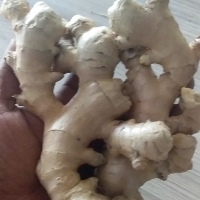
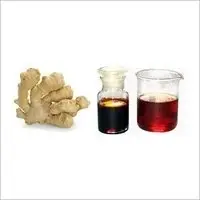
The rhizome (underground part of the stem) is the part commonly used as a spice. It's often called ginger root or, simply, ginger. Ginger can be used fresh, dried, powdered, or as an oil or juice. It's a very common ingredient in recipes. It's sometimes added to processed foods and cosmetics.
Ginger increases serotonin and dopamine levels. This can reduce inflammation, which may cause depression. It could also provide benefits for anxiety, depression, dementia, Alzheimer's disease and post-traumatic stress disorder. Ease stomach pains: Ginger can treat nausea and motion sickness.
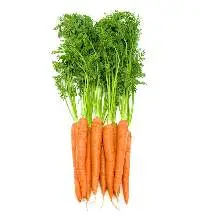
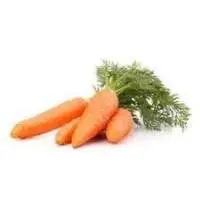
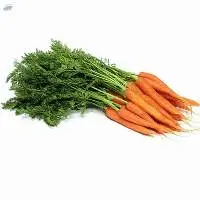
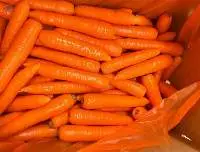
The carrot is a root vegetable often claimed to be the perfect health food, typically orange in color, though
purple, black, red, white, and yellow cultivars exist, all of which are domesticated forms of the wild carrot, Daucus carota, native to Europe and Southwestern Asia.
They're rich in beta-carotene, a compound your body changes into vitamin A, which helps keep your eyes healthy. And beta-carotene helps protect your eyes from the sun and lowers your chances of cataracts and other eye problems. Yellow carrots have lutein, which is also good for your eyes.
MOQ: 10 MT
Supplied from Vietnam, China, India, or Indonesia.
Ginger is a flowering plant . widely used as a spice and a folk medicinal .
it is herbaceous perennial which grows annual pseudo stems about 1 meter height bearing narrow leaf blades. the inflorescences bears pale yellow flower petals with a purple edges .
Ginger known as Zingiber officinale is the root of flowering plant. It is used as a spice for food, flavoring for beverages or in folk medicine. Ginger originated in South China and later spread all over Asia followed by the African continent. The spice was introduced to Europe from India in the 1st century AD. Today it is a very commonly used spice globally.
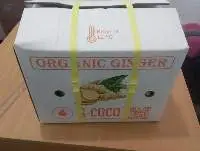
Variety: Organic/Common Color: Natural Our products are naturally grown and are used for various domestic as well as medicinal applications. As our products are procured from the trusted and most authentic vendors, our products are highly organic and fresh in nature. Our range of products is used in various application areas like hotels, restaurants, office canteens and homes for preparing different cuisines.
Ginger has been recommended to combat nausea associated with chemotherapy (Sharma and Gupta 1998; Grant and Lutz 2000). A follow-up study also indicated that 1 g of ginger might be effective in reducing the subjective severity of seasickness in naval cadets on the high seas.
Product Name Ginger
Specification
Cultivation Type Common & Organic
Form Fresh & Dry
Qnty 1X20' FCL > & 1X40' FCL >
Shipment Terms FOB / CIF / DDP / CRF
Payment Termes L/C , D/P , D/A , O/A
Orgin Port Colombo SriLanka
Packaging Terms 25 kg Bags Standard
Ã?Â
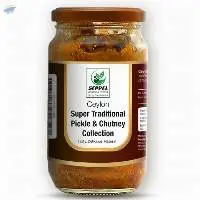
A� thick sauce of Sri lankan origin that contains fruits, vinegar, sugar, and spices and is used as a condiment .Chutneys are made in a wide variety of forms, such as a tomato relish, a ground peanut garnish, yogurt or curd, cucumber, spicy coconut, spicy onion or mint dipping sauce. Chutney can have a variety of flavors, but it is typically� spicy and fragrant. The sweetness of the fruit is usually balanced out by the added spices and vinegar.
Pickle ChutneyÃ?Â
Pickle refers to vegetables or fruit, sometimes cut into pieces, which have been kept in vinegar or salt water for a long time so that they have a strong, sharp taste. Chutney, on the other hand, is a spicy condiment of Indian origin, made of fruits or vegetables with vinegar, spices, and sugar
Please note that here with mentioned the retail price for 1kg ; could be negotiated wholesale price for bulk orders.
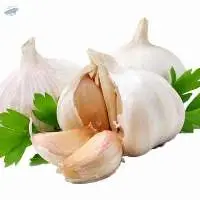
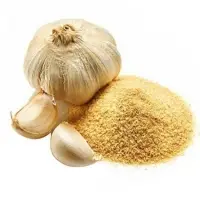
Garlic (Allium sativum) is a species in the onion genus, Allium. Garlic is native to Central Asia and northeastern Iran, and has long been a common seasoning worldwide, with a history of several thousand years of human consumption and use.
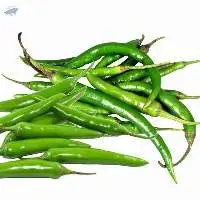
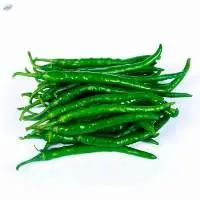
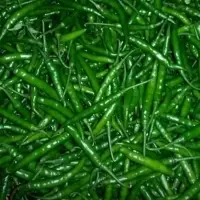
We can supply Fresh Green Chili from Sri Lanka. We collect the crop directly from the farmers who do the sustainable farming practices.
Packing can be arranged as per buyers request. Standard packing will be in 5kg/10kg corrugated/ Polystyrene cartons. Shipping Mode : Air /Sea (MOQ 500 KG per shipment for Air freight. Payment Term: T/T/LC/DA/DP.
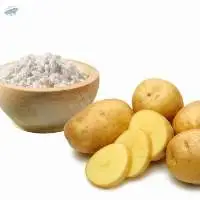
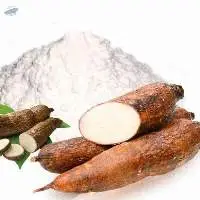
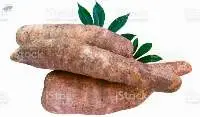
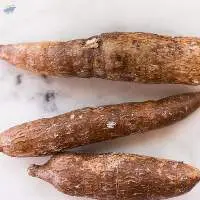
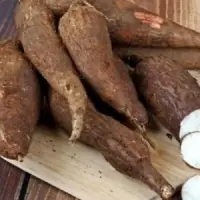
Our premium-grade Cassava from Sri Lanka is an essential material and ingredient for a lot of meals and cuisines. Our Cassava is sourced from the finest and well-maintained farms in Sri Lanka. Each of the Cassava is processed and manufactured thoroughly to ensure the safety and quality.
Tapioca is a starch extracted from the storage roots of the cassava plant. This species is native to the north region and central-west region of Brazil, but its use spread throughout South America. The plant was carried by Portuguese and Spanish colonisers to most of the West Indies and Africa and Asia.
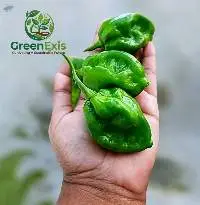
Fresh Scotch Bonnet Pepper -Premium Export Quality
We supply fresh, premium-quality Scotch Bonnet peppers grown in Sri Lanka under hygienic farming practices. Our peppers are carefully handpicked, sorted, and packed to ensure maximum freshness, vibrant color, and excellent flavor. Suitable for food processing, sauces, restaurants, wholesalers, and retail markets.
Product Details:
Product: Fresh Scotch Bonnet Pepper
Origin: Sri Lanka
Quality: Export Grade
Color: Green or Red (as requested)
Packaging: Customized according to buyer requirements
Shelf Life: 2-3 weeks under proper cold storage
Supply Capacity: Available year-round
Shipping Terms: FOB/CIF
Payment Terms: Negotiable
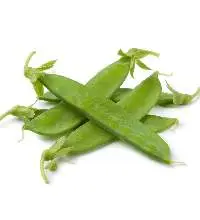
The snow pea is an edible-pod pea with flat pods and thin pod walls. It is eaten whole, with both the seeds and the pod, while still unripened. Snow peas are a crunchy and delicious vegetable. While they can be eaten raw, they take just minutes to cook.
The name "snow peas" may come from the vegetable's ability to withstand frost. They're generally planted no earlier in the spring than other pea varieties, and some gardeners keep them growing through autumn. Another theory behind the name refers to its white appearance in bright light.
Snow peas can be grown in open fields during cool seasons and can thus be cultivated during winter and spring seasons. Storage of the pea with films of polymethyl pentene at a temperature of 5 C and a concentration of oxygen and carbon dioxide of 5 kPa augments the shelf life, and internal and external characteristics of the plant.