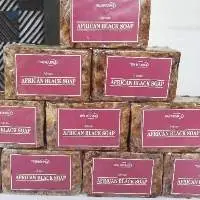
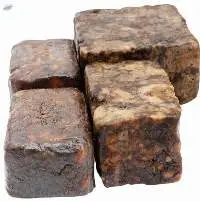
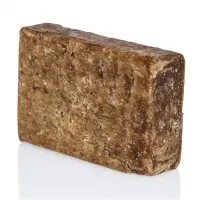
Soaps & Detergents Sourcing Guide: Explore the Global Market For Reliable Suppliers And Exporters
Soaps and detergents are cleaning agents that react when in contact with water. They remove dirt from the surface like human skin, floors, textile care, industrial application and other solids. The global soap and detergent market is driven by rising hygiene awareness, rapid urbanisation and increased disposable income, leading to higher global consumer demand.
Today, the global market includes a wide network of soap and detergent suppliers, soap and detergent exporters, manufacturers, wholesalers, traders, distributors, and dealers offering products ranging from bath soaps and liquid detergents to bulk laundry detergent and industrial cleaning solutions. For buyers, sourcing soaps and detergents globally presents excellent opportunities for private labelling, bulk procurement, retail distribution, and institutional supply at competitive prices.
What Are the Most Popular Soaps & Detergents Varieties in Global Demand?
Global buyers source soaps and detergents across personal care, household, and industrial segments. High-demand products include antibacterial soap, scented body soap, liquid soap, detergent cakes, detergent powder, liquid detergent, and bulk laundry detergent. There is also strong and growing international demand for organic soap suppliers, herbal soaps, handmade soap manufacturers, and eco-friendly cleaning products.
Retail-focused buyers prefer visually appealing packaged soaps, while institutional buyers such as hotels, hospitals, laundries, and factories prefer bulk soap and detergent at best price. Export-ready manufacturers offering consistent quality, customizable formulations, and compliant labelling are the most sought-after in global trade.
Popular Varieties of Soaps
| Category | Soap Variety | Form / Type | Common Use | Buyer & Importer Insights |
| Bath Soaps | Beauty Bath Soap | Solid Bar | Daily personal hygiene | High retail turnover; staple FMCG product |
| Hygiene Soaps | Antibacterial Soap | Bar / Liquid | Germ protection & hygiene | Strong post-pandemic demand; healthcare-driven |
| Premium Soaps | Herbal Soap | Solid Bar | Skin care & wellness | High-margin segment; popular in export markets |
| Organic Soaps | Organic Soap | Bar / Liquid | Chemical-free personal care | Requires certification; premium pricing |
| Baby Care | Baby Soap | Mild Bar / Liquid | Infant hygiene | Consistent demand; strict safety standards |
| Handmade Soaps | Handmade Soap | Cold-processed Bar | Boutique & gifting | Ideal for private label & branding |
| Specialty Soaps | Scented Body Soap | Bar / Liquid | Fragrance & lifestyle use | Fashion-driven; fast innovation cycles |
| Travel Hygiene | Paper Soap | Thin Sheets | Travel & hospitality | Lightweight; export-friendly |
| Institutional Use | Hospital Soap | Liquid | Medical & clinical hygiene | Requires compliance and bulk packaging |
| Dispensers | Liquid Hand Soap | Liquid | Commercial restrooms | High-volume institutional demand |
Popular Varieties of Detergent
| Category | Detergent Variety | Form / Type | Common Use | Buyer & Importer Insights |
| Laundry Care | Detergent Cake | Solid Bar | Hand-wash laundry | High demand in developing markets |
| Laundry Care | Laundry Detergent Powder | Powder | Household washing | Volume-driven category; price competitive |
| Laundry Care | Bulk Laundry Detergent | Powder | Commercial laundries | Ideal for wholesalers & institutions |
| Liquid Cleaners | Liquid Detergent | Liquid | Machine & hand wash | Rapid growth in urban markets |
| Dishwashing | Dishwashing Detergent | Liquid / Powder | Utensil cleaning | Stable year-round demand |
| Industrial Cleaning | Industrial Detergent | Liquid / Powder | Factories & plants | Contract-based sales; MSDS required |
| Hospitality | Hotel Laundry Detergent | Powder / Liquid | HoReCa operations | High repeat orders; bulk packaging |
| Specialty Cleaning | Enzyme Detergent | Powder / Liquid | Low-temperature washing | Growing demand in healthcare |
| Eco Cleaning | Bio Detergent | Powder / Liquid | Sustainable cleaning | Premium niche; eco-certifications needed |
| Institutional Use | Hospital Detergent | Liquid | Medical sanitation | Compliance-driven procurement |
Along with soaps and detergents, you can expand your business and deal in multiple related category products such as Detergent Chemicals, Baby Soap, Soap Dispenser, Paper Soap, Beauty Soaps, Herbal Soaps, Handmade Soaps, Dishwashers, Bleaching Chemicals, Bleaching Powder, Facial Bleach, Bathing Bars, Herbal Bath Products, Cleaning Chemicals.
What Are the Best Business Opportunities for Wholesale Soaps & Detergents Buyers?
The rapid urbanisation and increased disposable income among consumers have led to a growing demand for organic products and a conscious lifestyle, contributing to the rising demand for soaps and detergents and related products.
The soaps and detergents industry offers excellent scalability due to high repeat consumption and diverse end-use markets. Buyers can enter the market as soap and detergent retailers, wholesalers, distributors or traders, supplying to the households, the hospitality industry, factories, commercial laundries, etc.
Private labelling is one of the strongest growth opportunities. Buyers can collaborate with soap and detergent manufacturers or detergent cake manufacturers to launch their own branded products with customized fragrance, packaging, and formulations. Additionally, sourcing from detergent soap wholesale markets allows buyers to serve price-sensitive regions while maintaining healthy margins.
Global Soaps & Detergents Trade Overview: Top Exporters and Key Market Trends
The global soap and detergent trade is led by countries with strong chemical and FMCG manufacturing ecosystems. The global soaps and detergents market size is projected to reach USD 185 billion by 2030, at a compound annual growth rate of 6.5% (Source: Grand View Research).
Top Soap Exporters Worldwide:
| Country | Shipments |
| South Africa | 94,596 |
| Turkey | 94,158 |
| India | 76,311 |
Source: Volza
Top Detergent Exporters Worldwide:
| Country | Shipments |
| Vietnam | 83,875 |
| Turkey | 80,936 |
| United States | 39,848 |
Source: Volza
Key Soap and Detergent Market Trends:
- Growing consciousness and an eco-living lifestyle amongst consumers have led to demand for natural, environmentally friendly or organic products. Due to consumer preferences, manufacturers are focusing on using natural plant-based ingredients with biodegradable formulations using sustainable packaging.
- Heightened awareness of health and hygiene has paved the way for a mandate in repeat consumption patterns.
- Stricter hygiene regulations in the healthcare, hospitality and manufacturing industry has increased the demand for industrial-grade solutions.
How to Find Verified Soaps & Detergents Suppliers Near Me Or Globally?
Finding reliable suppliers is critical for consistent quality and long-term trade success. Buyers can attend international exhibitions such as Cosmoprof, Canton Fair, Interclean, and IndiaChem, where they can meet soap and detergent exporters, distributors, and dealers directly.
Another effective approach is using global B2B platforms like go4WorldBusiness, which connect buyers with verified soap and detergent suppliers, wholesalers, traders, and manufacturers. These platforms allow buyers to filter suppliers by country, certification, product type, and export experience. Searching online using keywords such as “wholesale soap and detergent suppliers near me”, “bath soap suppliers near me”, or “best soap & detergent suppliers” also helps identify regional sourcing options.
Frequently Asked Questions (FAQs)
1. What are the main soap and detergent exporting countries in the global market?
The top exporting countries are South Africa, Turkey and India based on the 2024-25 shipment data.
2. How is global demand for soap and detergent changing across different regions?
Demand is rising steadily, with higher consumption in Asia and Africa and premium growth in Europe and North America.
3. What are the key differences between trading industrial soap and detergent versus household soap and detergent?
Industrial products require bulk supply, MSDS, and compliance, while household soaps focus on branding, fragrance, and retail packaging.
4. How does private labelling impact soap and detergent global sourcing?
Private labelling allows better margins, brand control, and customized product offerings.
5. What certifications should a reliable soap and detergent supplier have for global trade?
ISO, GMP, MSDS/SDS, REACH, and eco-certifications are commonly required.
6. How to find bulk soap & detergent suppliers near me?
Wholesale markets, trade fairs, sourcing agents, and B2B platforms like go4worldbusiness are effective options.
7. What quality standards apply to exported soap and detergent products?
Products must meet country-specific cosmetic or chemical regulations, labelling laws, and safety standards such as BIS, EU REACH, or FDA (where applicable).
8. What shelf-life requirements apply to exported soap and detergent?
Most soaps and detergents have a shelf life of 24–36 months.
9. Do soap and detergent exporters need MSDS or SDS documents for international shipping?
Yes, MSDS/SDS documents are mandatory for international shipping.
10. What factors influence global soap and detergent pricing?
Pricing depends on raw materials, oil prices, formulation type, branding, packaging, certifications, and order volume.
11. What are the best packaging options for exporting soap and detergent?
Common options include cartons, shrink-wrapped bars, HDPE bottles, pouches, and drums for bulk or retail trade.
12. What challenges arise when shipping liquid soap and detergent internationally?
Key challenges include leakage risk, weight-based freight costs, and compliance with hazardous goods regulations.
13. How do I check for prohibited ingredients in soap and detergent products?
Review import country cosmetic regulations, ingredient lists, and request compliance declarations from suppliers.
14. Which HS Codes are used for importing soap and detergent?
HS Code 3401 is used for soaps and 3402 for detergents.
15. How can I verify if a soap and detergent supplier is environmentally responsible?
Check for eco-certifications, biodegradable formulations, cruelty-free claims, and ISO 14001 compliance.
16. What should I do if the received soap and detergent shipment is damaged?
Document the damage immediately, inform the supplier and logistics provider, and file a claim with photos and inspection reports.