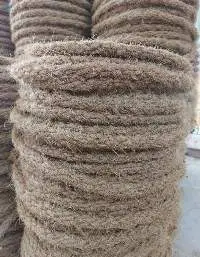
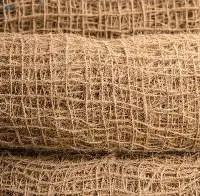
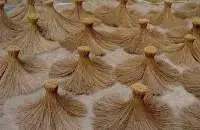
Raw coconut fiber is twisted into single or double yarns (two twisted fibers), then woven by loom into coir nets based on
specifications required by customers. Coir nets is mainly used to cover bare hills, road slopes and preventing erosion.
Specification
Length:5 - 25 cm
Colour:Brown
Moisture: 20% Maximum
Impurities & Dust :3% Maximum
Applications: For making Mattresses, Sofa, Seat Cover, Cushions, Door Mats
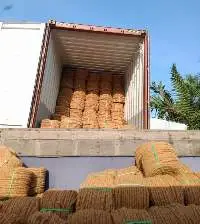
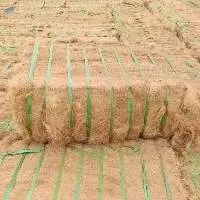
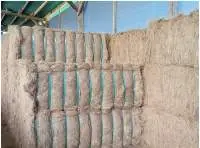
Packing: In Bales of 100 kg, plastic strapped machine compressed
Method of payment to be arranged by mutual agreement from the following options:
Preferable:
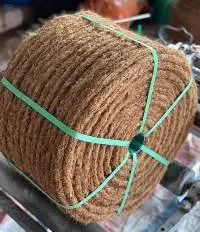
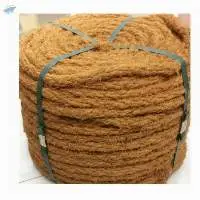
Coconut fibers are mainly used to create ropes. Since these types of coconut coir are natural and resist sea water, it's widely used to accessories in boats and fishing nets. Most of these ropes are really tough.
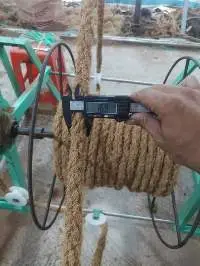
DIAMETER: 5,7,10,12,14,16,20 MM
Length: 100, 200, 1000, 2000 Meter
Color: Brown Natural
Made From: 100% Medium Tolong Fiber
Impurity: 2% Max
Moisture: 15% Max
Prevent soil washing.
Combine with the coco peat and coir tape to the greening of barren hills.
Use suitable for varieties of vines. Endurance on 06 months. After use can be applied to the roots to create moisture for the
soil.
Use on high-performance decorative artwork.
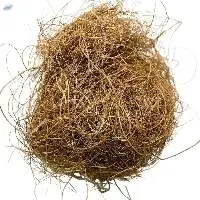
Coconut fibers is an eco - friendly material which are found between the hard, internal shell of the outer coat of a coconut. After fully mature coconuts are harvested, they are put into machines to separate the long bristle fibres underneath the skin of the nut. This process is called wet-milling. The coconut fiber is relatively waterproof, and is one of the few enviromental materials that are resistant to damage by seawater.
Specification;
Product name: Coconut fiber
Place of Origin: Vietnam
Color: Natural Brown
Material: Raw coconut husk
Feature: Environment Friendly
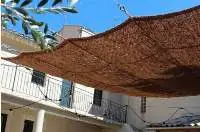
Coir Rope is made from 100% natural coconut fiber. It's used to wrap the stumps to keep the plants warm during the cold season. In addition, coconut ropes are also used for decoration and forcing tents
Coir rope is a product made from coconut fiber, which is organic and environmentally friendly. Using coir rope in decoration, agriculture ... will contribute to making our living environment cleaner and more environmentally friendly.
Size: 6mm, 8mm, 16-18mm, 30mm
Coir rope is a product made from coconut fiber, which is organic and environmentally friendly. Using coir rope in decoration, agriculture ... will contribute to making our living environment cleaner and more environmentally friendly.
Packaging & Delivery
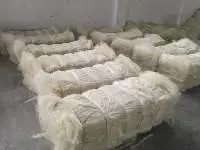
Packaging Details: BALES OF 100 AND 250 KG EACH
Port: MOMBASA PORT
Lead Time :
Quantity(Tons) 1 - 100 >100
Est. Time(day) 10 To be negotiated
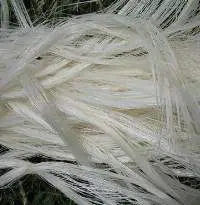
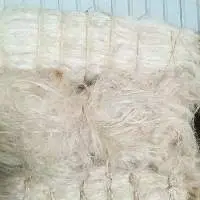
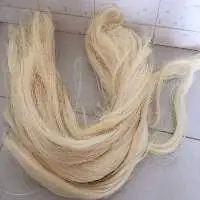
Plant Fibres Sisal (Agave sisalana) Sisal is a hard fibre extracted from the leaves of sisal plants which are perennial succulents that grow best in hot and dry areas. Sisal is an environmentally friendly fibre as it is biodegradable and almost no pesticides or fertilizers are used in its cultivation.
Sisal fibers (which can be up to three feet long) are sustainably harvested by hand from the leaves of the cactus plant. Sisal is not the same fiber as coir or jute. Sisalis stronger and more durable than other natural fibers. These qualities make Sisala preferred material for carpet and rugs.
Plant Fibres Sisal (Agave sisalana) Sisal is a hard fibre extracted from the leaves of sisal plants which are perennial succulents that grow best in hot and dry areas.Sisal is an environmentally friendly fibre as it is biodegradable and almost no pesticides or fertilizers are used in its cultivation
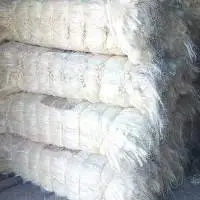
Material Raw Sisal Fiber
Fiber Length 110-130CM
Color natural white or mixed with natural cream
Moisture 10%-15%
Impurity 0-2% max
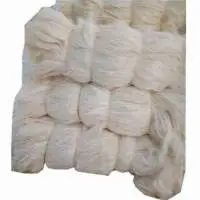
Packaging 100kgs/bale
Feature Anti-Bacteria, Anti-UV, Chemical-Resistant, Eco-Friendly, Flame Retardant, Radiation-Resistant
Use Concrete, Filling Material, Non-Woven Fabric, Spinning
Pattern Raw
Use Concrete, Filling Material, Non-Woven Fabric, Spinning
Length from 90 cm upwards.
Brushed fibre with minor defects in cleaning permissible. Free of tow, knots, barky or undecorticated fibre. Colour may vary from creamy-white to yellowish but a certain proportion of spotted or discolored fibre is permissible.