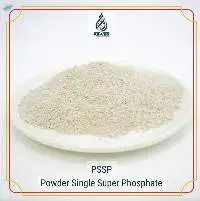
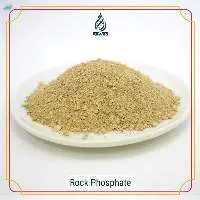
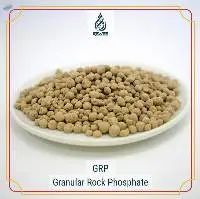
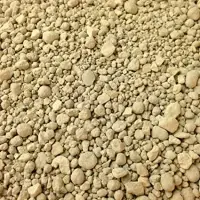
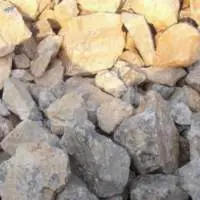
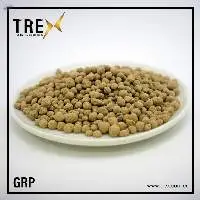
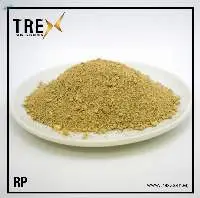
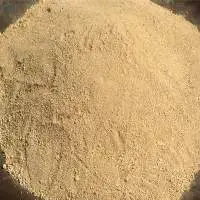
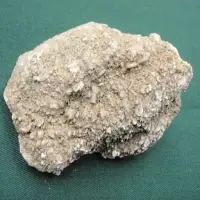
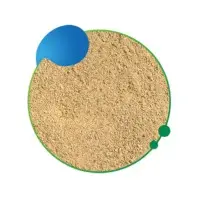
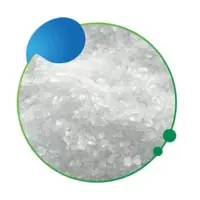
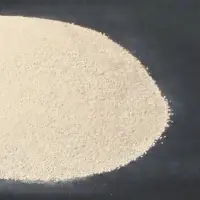
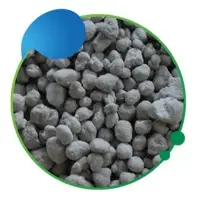
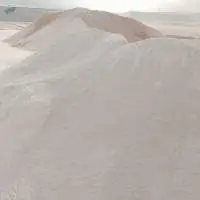
Excellent quality phosphate.
Description and quality G4.
The source is Syrian.
It is not subject to international sanctions.
And in anticipation, a Jordanian certificate of origin is attached with it.
Shipping is carried out from the port of Tripoli in Lebanon.
The price per ton is 130 USD plus shipping.
The daily delivery capacity from the source to the ship is 5000 tons per day
Mineral ore containing oxides of Phosphorous, Iron, Aluminum, Sodium, Magnesium, Silicon and small amounts fluorides with chemical formula Ca10F2(PO4)6.
Rock phosphate is an important mineral resource with numerous uses and applications in agriculture and the environment.
Rock phosphate used in the manufacture of detergents, animal feed, phosphate fertilizers.
Rock phosphate is used in combination with other nutrient sources to provide what the soil need, application rates depend on a variety of factors.
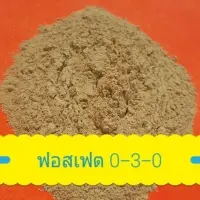
Rock phosphate in different concentrations 24%, 25%, 26%, 27%, 28%, 29% and 30% in grain size 0-3 mm.
We are pleased to offer our phosphate from our mines in Egypt
- Our Purity from 23% up to 31%
- Supply ability: 100.000 Metric Tons per month loaded Bulk , big bag or Bags 50kg or any other after agreement with the client.
- All of our materials certified by SGS
1544 Phosphate Rock Suppliers
Short on time? Let Phosphate Rock sellers contact you.
The phosphate of the Jordan Phosphate Mines Co. is considered of the highest quality phosphate in the world. Heavy metals ratio in the phosphate, which are harmful to the environment is less than the acceptable international standards. Therefore, Jordanian phosphate is considered environment friendly.
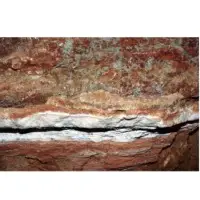
Phosphate rock is formed in oceans in the form of calcium phosphate, called phosphorite. It is deposited in extensive layers that cover thousands of square miles. Originally, the element phosphorus is dissolved from rocks.
Some of this phosphorus goes into the soil where plants absorb it; some is carried by streams to the oceans.
In the oceans the phosphorus is precipitated by organisms and sometimes by chemical reaction. Phosphorus-rich sediments alternate with other sediments . Phosphorus-rich beds usually have very few fossils; however, deposits in Florida and North Carolina contain a large amount of marine fossils.
Uses :
Some phosphate rock is processed to recover elemental phosphorus. Pure phosphorus is used to make chemicals for use in industry.The most important use of phosphate rock, though, is in the production of phosphate fertilizers for agriculture. Some is used to make calcium phosphate nutritional supplements for animals.
We do partnership with Egypt Mining Company and we are one of the major supplier for Egypt origin Rock Phosphate mainly to Indonesia Market with huge quantity supply availability in monthly basis. Based on market demand of nearby countries in Asia, we are penetrating our market territory to South East Asia market continuously.
Our Rock Phosphates have P2O5 28% min & P2O5 30% min. Based on different customer's requirement of usage, we can discuss detailed for different grade of P2O5%. As for assurance of the quality of our Rock Phosphate, it has already certified by ISO 9002 and ISO 14001.
Based on quantity requirement of customers, we arrange for Break Bulk shipments as well as packaging in Jumbo bags in containers also.
We will be very pleased to send detailed of any of your required information regarding with our Rock Phosphate including SGS inspection report for specification of our Rock Phosphate as soon as we received your kind enquiry and we assure that detailed discussion can bring forward between us for successful cooperation in the very near future.
Phosphate rock plays a pivotal role in the production of fertilizers, an indispensable resource for global agriculture aimed at bolstering crop growth and ensuring abundant food production. Its significance cannot be overstated, as it remains a fundamental cornerstone in the quest for sustainable and bountiful agricultural yields worldwide. As the premier global exporter of phosphate rock, our company proudly underscores its unparalleled expertise in ensuring the availability of this critical resource for the advancement of global agriculture.
Rock Phosphate aims to be the premier supplier of direct application phosphate to the global agricultural sector.
We are passionate about the benefit of direct application fertilizer to sustainable farming and agricultural practices.
A slow release phosphate fertilizer suitable for maintenance applications.
Direct Application Phosphate Rock breaks down under acid soil conditions to release phosphate to the soil over time
Phosphate release is enhanced in the presence of soil moisture.
Muriate of potash (MOP) is most commonly called potash or potassium chloride (KCL), it is the third largest crop nutrient group, next to nitrogen and phosphorous.
Muriate of potash (MOP) is most commonly called potash or potassium chloride (KCL), it is the third largest crop nutrient group, next to nitrogen and phosphorous.
MOP has a high nutrient concentration and is therefore relatively price competitive with other forms of potassium. The chloride content of MOP can also be beneficial where soil chloride is low. Recent research has shown that chloride improves yield by increasing disease resistance in crops.
Rock Phosphate aims to be the premier supplier of direct application phosphate to the global agricultural sector.
We are passionate about the benefit of direct application fertilizer to sustainable farming and agricultural practices.
A slow release phosphate fertilizer suitable for maintenance applications.
Direct Application Phosphate Rock breaks down under acid soil conditions to release phosphate to the soil over time
Phosphate release is enhanced in the presence of soil moisture.
Can be safely mixed with elemental sulphur, dolomite or magnesium oxide
GSSP is a straight phosphatic multi-nutrient fertilizer which contains 14.5% water soluble P2O5,
12% sulphur, 21% calcium and some other essential micro nutrients in small proportions. GSSP, which is a poor farmer’s fertilizer (price-wise), is an option to optimise the use of phosphatic fertilizers. It also helps to treat sulphur deficiency in soils (40% Indian soil is sulphur deficient) as well for further enhancement of yields at the least cost.