Jute (including kenaf) was an important foreign exchange earner for the producing countries during '60s. Even during the '70s, jute was an important commodity for most of the producing countries. However, during the '80s, bulk handling techniques and synthetic substitutes entered the market and jute started losing its predominant position in the market.
Jute (including kenaf) was an important foreign exchange earner for the producing countries during '60s. Even during the '70s, jute was an important commodity for most of the producing countries. However, during the '80s, bulk handling techniques and synthetic substitutes entered the market and jute started losing its predominant position in the market.
Jute (including kenaf) was an important foreign exchange earner for the producing countries during '60s. Even during the '70s, jute was an important commodity for most of the producing countries. However, during the '80s, bulk handling techniques and synthetic substitutes entered the market and jute started losing its predominant position in the market
Jute (including kenaf) was an important foreign exchange earner for the producing countries during '60s. Even during the '70s, jute was an important commodity for most of the producing countries. However, during the '80s, bulk handling techniques and synthetic substitutes entered the market and jute started losing its predominant position in the market.
Jute (including kenaf) was an important foreign exchange earner for the producing countries during '60s. Even during the '70s, jute was an important commodity for most of the producing countries. However, during the '80s, bulk handling techniques and synthetic substitutes entered the market and jute started losing its predominant position in the market.
Jute (including kenaf) was an important foreign exchange earner for the producing countries during '60s. Even during the '70s, jute was an important commodity for most of the producing countries. However, during the '80s, bulk handling techniques and synthetic substitutes entered the market and jute started losing its predominant position in the market.
Jute (including kenaf) was an important foreign exchange earner for the producing countries during '60s. Even during the '70s, jute was an important commodity for most of the producing countries. However, during the '80s, bulk handling techniques and synthetic substitutes entered the market and jute started losing its predominant position in the market.
Jute (including kenaf) was an important foreign exchange earner for the producing countries during '60s. Even during the '70s, jute was an important commodity for most of the producing countries. However, during the '80s, bulk handling techniques and synthetic substitutes entered the market and jute started losing its predominant position in the market.
GRADES OF MESHTA/ KENAF FIBER
a) Meshta Special
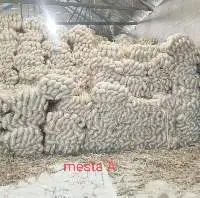
b) Meshta-A
c) Meshta-B
d) Meshta-C
e) Meshta-SMR
f) Special Meshta Cutting(SMC)
g) Special Meshta Cutting (OMC)
TOSSA LONG JUTE
a) Bangla Tossa Special
b) Bangla Tossa A
c) Bangla Tossa B
d) Bangla Tossa C
e) Bangla Tossa D
f) Bangla Tossa E
g) Bangla Tossa Rejection
h) Bangla Tossa Cutting A
i) Bangla Tossa Cutting B
For jute yarn/twine: count-4lbs to 500lbs, form single and up to 8ply.
For jute bags:std.Binola, b.Twill, potato bags, coffee bags, rice bags and bags for various commodities.
For jute cloths:hessian cloths of various quality and carpet backing cloths(cbc).
Quality available: Sacking, Hessian, CB, CRM, CRT and CRX quality.
Count available: 4.8 lbs to 56 lbs
Ply available: 1 ply to 8 ply
Packing: Precision wound on Paper or Wooden Conical Spool or Coreless 10 x 10 x 1.5 inches.
9 to 10 kg spool. Pallet or Truss packing. Also packing available as per Buyer's desire.
Payment Term : 50% payment in advance by SWIFT transfer, balance 50% within 7
working days after you receive scan copy of B/L.
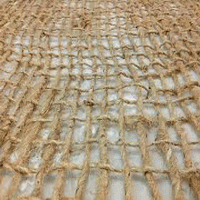
Geo Jute Soil Saver made from 100% biodegradable and Eco-friendly jute fiber. This is very good for river bank and other erosion purpose.
Specification: Width: 48 inches, Weight: 1.22 Lbs per yard, Porter & Shots: 6.5 x 4.5 per 10 CM, Packing: 600 Yards per bale (75 yards x 8 cuts) Or 75 yards per Roll.
Jute Sliver has been used in different industry. Recently its demand increases in automobile industry, which enables them to design the interior using eco-friendly jute sliver. We can provide supreme quality and different size of Jute Sliver as per your requirement. Contact us to get more information on jute sliver.
The basic difference between woven and knit fabric is the yarn that they are composed of. Knit fabric is made up of single yarn, looped continuously to produce braided look. However, multiple yarns comprise of woven fabric that are wound in such a way that they create criss-cross pattern.