Please click here to check who's online and chat with them.

Find Verified Potash Mobilizing Bacteria Suppliers, Manufacturers and Wholesalers

Top Supplier Cities : -   Colombo   Kandy  
GOLD Member
May-25-26
Supplier From Colombo, CMB, Sri Lanka
 Inquire Now  
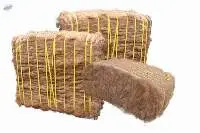
Fiber / Erosion Control / Coir Bale Fibre
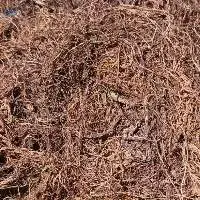
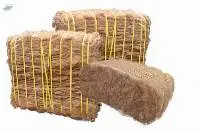
Coir Bale Fibre is obtained from natural coconut husks and is widely used in various industries due to its durability, eco-friendliness, and versatility. It is graded into mattress fibre, mixed fibre, and Omat fibre based on fiber length and quality. The fiber is processed, cleaned, and compressed into dry bales for easy storage and transportation. Bales are produced by compressing the fiber using plastic strapping, ensuring easy handling. Each bale weighs approximately 100-110kg. The production process incorporates modern technology to enhance quality and productivity.

Benefits
Eco-Friendly & Biodegradable: 100% natural, renewable, and sustainable.
Strong & Durable: Coarse, resilient, and long-lasting.
Moisture & Water Retention: Ideal for agricultural applications.
Resistant to Rot & Decay: Naturally resistant to fungus and bacteria.
Heat & Sound Insulation: Excellent insulation properties for industrial use.
Easy to Transport & Store: Compressed into bales for efficient logistics.

Uses
Mattress & Upholstery Industry: Used as a filling material for mattresses, cushions, and sofas.
Agriculture & Horticulture: Used for mulching, hydroponics, and soil conditioning.
Erosion Control: Used in coir geotextiles, coir logs, and mats for soil stabilization.
Rope & Brush Manufacturing: Used for making coir ropes, mats, and brooms.
Industrial Applications: Used in car seats, insulation panels, and soundproofing materials.
GOLD Member
May-25-26
Supplier From Colombo, CMB, Sri Lanka
 Inquire Now  
Fiber / Industrial Range / Coir Bale Fibre
Coir Bale Fibre is obtained from natural coconut husks and is widely used in various industries due to its durability, eco-friendliness, and versatility. It is graded into mattress fibre, mixed fibre, and Omat fibre based on fiber length and quality. The fiber is processed, cleaned, and compressed into dry bales for easy storage and transportation. Bales are produced by compressing the fiber using plastic strapping, ensuring easy handling. Each bale weighs approximately 100-110kg. The production process incorporates modern technology to enhance quality and productivity.

Benefits
Eco-Friendly & Biodegradable: 100% natural, renewable, and sustainable.
Strong & Durable: Coarse, resilient, and long-lasting.
Moisture & Water Retention: Ideal for agricultural applications.
Resistant to Rot & Decay: Naturally resistant to fungus and bacteria.
Heat & Sound Insulation: Excellent insulation properties for industrial use.
Easy to Transport & Store: Compressed into bales for efficient logistics.

Uses
Mattress & Upholstery Industry: Used as a filling material for mattresses, cushions, and sofas.
Agriculture & Horticulture: Used for mulching, hydroponics, and soil conditioning.
Erosion Control: Used in coir geotextiles, coir logs, and mats for soil stabilization.
Rope & Brush Manufacturing: Used for making coir ropes, mats, and brooms.
Industrial Applications: Used in car seats, insulation panels, and soundproofing materials.
VERIFIED
Jan-13-23

Sri-Lankan Nutmeg

MOQ: Not Specified
Sample Available
Supplier From Colombo, Western Province, Sri Lanka
 Inquire Now  
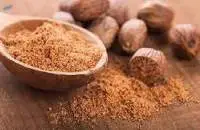
Nutmeg (Myristica fragrans )

Nutmeg, Myristica fragrance, is a tropical evergreen tree in the family Myristicaceae grown for its seeds which are used as spices.
Nutmeg and Mace are two separate spices derived from the fruit of tree Myristica fragrans. The seed is shiny dark brown and oval in shape.
Nutmeg is a rich source of antioxidants, which help protect against the signs of aging and serious conditions such as cancer, heart disease, and liver disease and also has been shown to have antibacterial effects against potentially harmful strains of bacteria.
VERIFIED
Apr-05-23
Supplier From Colombo, WP, Sri Lanka
 Inquire Now  
Himalayan salt is mined from the Salt Range mountains, the southern edge of a fold-and-thrust belt that underlies the Pothohar Plateau south of the Himalayas in Pakistan.
Himalayan salt comes from a thick layer of Ediacaran to early Cambrian evaporites of the Salt Range Formation. This geological formation consists of crystalline halite intercalated with potash salts, overlain by gypsiferous marl and inter-layered with beds
of gypsum and dolomite with infrequent seams of oil shale that accumulated between 600 and 540 million years ago. These strata and the overlying Cambrian to Eocene sedimentary rocks were thrust southward over younger sedimentary rocks, and eroded to create the Salt Range. The salt, which often has a pinkish tint due to trace minerals, is primarily used as a food additive to replace refined table salt but is also used for cooking and food presentation, decorative lamps and spa treatments.

Himalayan salt is a table salt. Analysis of a range of Khewra salt samples showed them to be between 96% and 99% sodium chloride, with trace presence of calcium, iron, zinc, chromium, magnesium, and sulphate, all at varying safe levels below 1%.

MOQ 5MT

Supplied from Pakistan.

 
VERIFIED
Apr-05-23
Supplier From Colombo, WP, Sri Lanka
 Inquire Now  
Himalayan salt is mined from the Salt Range mountains, the southern edge of a fold-and-thrust belt that underlies the Pothohar Plateau south of the Himalayas in Pakistan.
Himalayan salt comes from a thick layer of Ediacaran to early Cambrian evaporites of the Salt Range Formation. This geological formation consists of crystalline halite intercalated with potash salts, overlain by gypsiferous marl and inter-layered with beds
of gypsum and dolomite with infrequent seams of oil shale that accumulated between 600 and 540 million years ago. These strata and the overlying Cambrian to Eocene sedimentary rocks were thrust southward over younger sedimentary rocks, and eroded to create the Salt Range. The salt, which often has a pinkish tint due to trace minerals, is primarily used as a food additive to replace refined table salt but is also used for cooking and food presentation, decorative lamps and spa treatments.

Himalayan salt is a table salt. Analysis of a range of Khewra salt samples showed them to be between 96% and 99% sodium chloride, with trace presence of calcium, iron, zinc, chromium, magnesium, and sulphate, all at varying safe levels below 1%.

MOQ 5MT

Supplied from Pakistan.

 
38 Potash Mobilizing Bacteria Suppliers
Short on time? Let Potash Mobilizing Bacteria sellers contact you.
Nov-21-24
Supplier From Colombo, Sri Lanka
 Inquire Now  
Simply Pure Glycerin based Aqua soap for sensitive skin is a mild and gentle way to cleanse with the antibacterial properties of Tea Tree to:

Improve the skin barrier function
Help improve skin's outer layer
Help relieve dry skin
Kill bacteria that develops into acne

Directions :
Lather up in your hands and gently apply on your face and body. Rinse off as with any wash and keep the soap in a dry environment

Ingredients:
Purified coconut oil, Propylene glycol, Glycerin, Cane Sugar, Cocamide diethanalamine, Sorbitol, Stearic acid, Sodium Laureth sulphate, Sodium Benzoate, and fragrance.

This step in your skin care routine
VERIFIED
Apr-12-23

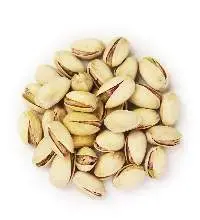
Pistachio

MOQ: 10  Metric Tonnes
Supplier From Colombo, WP, Sri Lanka
 Inquire Now  
Pistachio, (Pistacia vera) is, a small tree of the cashew family (Anacardiaceae), and its edible seeds, are grown in dry lands in warm or temperate climates. While the pistachio tree is believed to be indigenous to Iran. It is widely cultivated from Afghanistan to the Mediterranean region and in California.

The seed kernels can be eaten fresh or roasted and are commonly used in a variety of desserts, including baklava, halvah, and ice cream. They are also used for yellowish-green coloring in confections. The seeds are high in protein, fat, dietary fiber, and vitamin B6. Pistachios are bursting with fiber, minerals, and unsaturated fat that can help keep your blood sugar,
blood pressure, and cholesterol in check. Their fiber and protein can make you feel fuller for longer. This fiber can also have a positive effect on your gut by aiding "good" bacteria.

MOQ: 10 MT

Supplied from Turkey or Iran.
VERIFIED
Dec-29-22

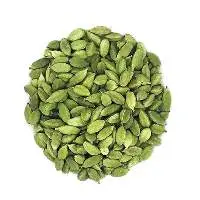
Green Cardamom

MOQ: 2 MT  
Sample Available
Supplier From Colombo, WP, Sri Lanka
 Inquire Now  
Green cardamom, also known as true cardamom or choti elaichi in Hindi, is a spice from Elettaria cardamomum, a plant that belongs to the ginger family (Zingiberaceae). Producers harvest its small, green seeds and pods which carry sweet yet pungent flavors reminiscent of eucalyptus before they are completely mature.

The spice is a staple for sweet and savory Indian cuisine delicacies, most notably masala chai. It lower blood pressure, improve breathing, and maaid weight loss. What\'s more, animal and test-tube studies show that cardamom may help fight tumors, improve anxiety, fight bacteria and protect your liver, though the evidence in these cases is less strong.

People use cardamom seeds and pods in curries, desserts, and meat dishes, as well as in beverages, such as coffee and chai tea.

MOQ: 2 MT

We supply the best green cardamoms from our affiliated suppliers from India.
Mar-28-12
 Inquire Now  
Dealers in mobile phone accessories such as i phone charger, black berry charger, data cable, card readers, hands free and many more.

It can be by size or weight.
Nov-21-24

Gracilaria Verrucosa

$5
MOQ: 1 KG  Kilograms
Sample Available
Supplier From Colombo, Sri Lanka
 Inquire Now  
Gracilaria verrucosa, a type of red algae, is widely recognized for its nutritional and functional benefits. Here's a breakdown of its advantages:

1. Nutritional Benefits
Rich in Minerals: Contains calcium, magnesium, potassium, iron, and iodine, which are essential for various bodily functions.
Vitamins: Includes vitamins A, C, E, and some B-complex vitamins, which support overall health.
High Protein Content: Provides essential amino acids necessary for muscle repair and metabolic processes.
2. Skin Health
Hydration and Moisturization: Helps retain moisture, improving skin texture and elasticity.
Soothing Properties: Reduces inflammation and irritation, making it suitable for sensitive or acne-prone skin.
Antioxidant-Rich: Protects against free radical damage, helping to delay signs of aging.
3. Hair Health
Strengthens Hair: Enhances hair structure and reduces breakage due to its high mineral content.
Improves Scalp Condition: Its moisturizing properties help combat dryness and flakiness.
Promotes Growth: Nutrients like zinc and iron support healthy hair growth.
4. Digestive Health
High Fiber Content: Aids digestion, improves gut health, and supports regular bowel movements.
Prebiotic Effect: Encourages the growth of beneficial gut bacteria.
5. Immune System Support
Antibacterial and Antiviral Properties: Helps the body fight infections and boosts overall immunity.
Rich in Antioxidants: Strengthens the immune response by reducing oxidative stress.
6. Heart Health
Cholesterol Management: May help reduce bad cholesterol (LDL) levels.
Blood Pressure Regulation: Potassium in Gracilaria can help maintain healthy blood pressure levels.
7. Weight Management
Low in Calories and Fat: Suitable for weight-conscious individuals.
Promotes Fullness: Fiber content helps control appetite by making you feel full for longer.
8. Bone and Joint Health
Calcium and Magnesium: Support strong bones and may alleviate joint discomfort.
Anti-Inflammatory Effects: Can help reduce inflammation associated with arthritis or joint pain.
9. Industrial and Cosmetic Applications
Agar Source: Gracilaria is a primary source of agar, used as a thickener and gelling agent in food, cosmetics, and pharmaceuticals.
Skincare and Haircare: Acts as a stabilizer and moisturizing agent in personal care products.
VERIFIED
May-19-23

Himalayan Pink Salt

MOQ: 5  Metric Tonnes
Supplier From Colombo, WP, Sri Lanka
 Inquire Now  
Himalayan salt is mined from the Salt Range mountains, the southern edge of a fold-and-thrust belt that underlies the Pothohar Plateau south of the Himalayas in Pakistan. Himalayan salt comes from a thick layer of Ediacaran to early Cambrian evaporites of the Salt Range Formation. This geological formation consists of crystalline halite intercalated with potash salts, overlain by gypsiferous marl and inter-layered with beds of gypsum and dolomite with infrequent seams of oil shale that accumulated between 600 and 540 million years ago. These strata and the overlying Cambrian to Eocene sedimentary rocks were thrust southward over younger sedimentary rocks, and eroded to create the Salt Range. The salt, which often has a pinkish tint due to trace minerals, is primarily used as a food additive to replace refined table salt but is also used for cooking and food presentation, decorative lamps and spa treatments.

Himalayan salt is a table salt. Analysis of a range of Khewra salt samples showed them to be between 96% and 99% sodium chloride, with trace presence of calcium, iron, zinc, chromium, magnesium, and sulphate, all at varying safe levels below 1%.

MOQ: 5 MT

Supplied from Pakistan.
VERIFIED
Apr-23-23
Supplier From Colombo, WP, Sri Lanka
 Inquire Now  
Himalayan salt is mined from the Salt Range mountains, the southern edge of a fold-and-thrust belt that underlies the Pothohar Plateau south of the Himalayas in Pakistan. Himalayan salt comes from a thick layer of Ediacaran to early Cambrian evaporites of the Salt Range Formation. This geological formation consists of crystalline halite intercalated with potash salts, overlain by gypsiferous marl and inter-layered with beds of gypsum and dolomite with infrequent seams of oil shale that accumulated between 600 and 540 million years ago. These strata and the overlying Cambrian to Eocene sedimentary rocks were thrust southward over younger sedimentary rocks, and eroded to create the Salt Range. The salt, which often has a pinkish tint due to trace minerals, is primarily used as a food additive to replace refined table salt but is also used for cooking and food presentation, decorative lamps and spa treatments.

Himalayan salt is a table salt. Analysis of a range of Khewra salt samples showed them to be between 96% and 99% sodium chloride, with trace presence of calcium, iron, zinc, chromium, magnesium, and sulphate, all at varying safe levels below 1%.

MOQ: 5 MT

Supplied from Pakistan.
VERIFIED
Apr-22-23
Supplier From Colombo, WP, Sri Lanka
 Inquire Now  
Himalayan salt is mined from the Salt Range mountains, the southern edge of a fold-and-thrust belt that underlies the Pothohar Plateau south of the Himalayas in Pakistan.
Himalayan salt comes from a thick layer of Ediacaran to early Cambrian evaporites of the Salt Range Formation. This geological formation consists of crystalline halite intercalated with potash salts, overlain by gypsiferous marl and inter-layered with beds
of gypsum and dolomite with infrequent seams of oil shale that accumulated between 600 and 540 million years ago. These strata and the overlying Cambrian to Eocene sedimentary rocks were thrust southward over younger sedimentary rocks, and eroded to create the Salt Range. The salt, which often has a pinkish tint due to trace minerals, is primarily used as a food additive to replace refined table salt but is also used for cooking and food presentation, decorative lamps and spa treatments.

Himalayan salt is a table salt. Analysis of a range of Khewra salt samples showed them to be between 96% and 99% sodium chloride, with trace presence of calcium, iron, zinc, chromium, magnesium, and sulphate, all at varying safe levels below 1%.

MOQ 5MT

Supplied from Pakistan.
VERIFIED
Apr-17-23
Supplier From Colombo, WP, Sri Lanka
 Inquire Now  
Himalayan salt is mined from the Salt Range mountains, the southern edge of a fold-and-thrust belt that underlies the Pothohar Plateau south of the Himalayas in Pakistan.
Himalayan salt comes from a thick layer of Ediacaran to early Cambrian evaporites of the Salt Range Formation. This geological formation consists of crystalline halite intercalated with potash salts, overlain by gypsiferous marl and inter-layered with beds
of gypsum and dolomite with infrequent seams of oil shale that accumulated between 600 and 540 million years ago. These strata and the overlying Cambrian to Eocene sedimentary rocks were thrust southward over younger sedimentary rocks, and eroded to create the Salt Range. The salt, which often has a pinkish tint due to trace minerals, is primarily used as a food additive to replace refined table salt but is also used for cooking and food presentation, decorative lamps and spa treatments.

Himalayan salt is a table salt. Analysis of a range of Khewra salt samples showed them to be between 96% and 99% sodium chloride, with trace presence of calcium, iron, zinc, chromium, magnesium, and sulphate, all at varying safe levels below 1%.

MOQ 5MT

Supplied from Pakistan.

 
Jun-17-14
Supplier From Colombo, Westen, Sri Lanka
 Inquire Now
Nov-10-08

Acma

$115
MOQ: Not Specified
 Inquire Now  
Allwooden

Indujal
Nov-24-21
Supplier From Colombo, Western Province, Sri Lanka
 Inquire Now
Mar-28-12
Supplier From Colombo, Sri Lanka
 Inquire Now
Dec-02-22
Supplier From Colombo, Western, Sri Lanka
 Inquire Now
Jan-25-14
Supplier From Colombo, Sri Lanka
 Inquire Now
38 Potash Mobilizing Bacteria Suppliers
Short on time? Let Potash Mobilizing Bacteria sellers contact you.
Explore Potash Mobilizing Bacteria related import export discussions