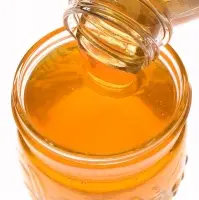
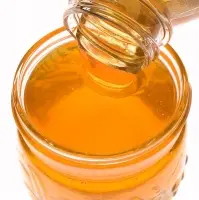
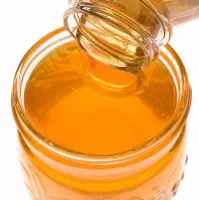
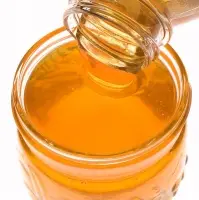
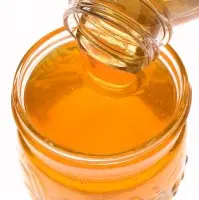
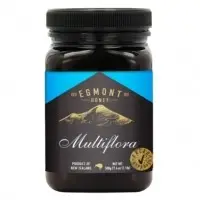
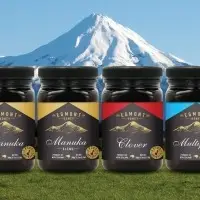
Manuka Honey is a unique New Zealand honey from the Manuka tree (Leptospermum Scoparium), a native of New Zealand. Manuka Honey is widely regarded as the finest honey in the world with its unique properties being widely regarded by scientists and consumers alike.
THE UMF Quality Mark
The UMF quality mark and grading system appraises natural markers found in Manuka Honey, and assures purity and quality. Please see the UMF website at www.umfha.org.nz .
To receive a UMF grading, the honey must contain the following markers:
Dihydroxyacetone (DHA) DHA is a compound naturally present in Manuka flower nectar, and is a precursor to the development of MGO.
Methylglyoxal (MGO) MGO is a naturally occurring unique chemical marker that is abundant in high quality Manuka honey. MGO is responsible for the antibacterial properties of honey which have been shown to be very effective when applied to non-healing and infected wounds in clinical situations.
Leptosperin – This is a naturally-occurring compound found only in the nectar of Manuka and some closely-related plants.
WHAT IS THE UMF GRADING SYSTEM BASED ON?
The UMF grading system is currently related to the level of methylglyoxal MGO found in the honey for example:
Manuka Honey is a unique New Zealand honey from the Manuka tree (Leptospermum Scoparium), a native of New Zealand. Manuka Honey is widely regarded as the finest honey in the world with its unique properties being widely regarded by scientists and consumers alike.
The UMF Quality Mark
The UMF quality mark and grading system appraises natural markers found in Manuka Honey, and assures purity and quality. Please see the UMF website at www.umfha.org.nz .
To receive a UMF grading, the honey must contain the following markers:
Dihydroxyacetone (DHA) DHA is a compound naturally present in Manuka flower nectar, and is a precursor to the development of MGO.
Methylglyoxal (MGO) MGO is a naturally occurring unique chemical marker that is abundant in high quality Manuka honey. MGO is responsible for the antibacterial properties of honey which have been shown to be very effective when applied to non-healing and infected wounds in clinical situations.
Leptosperin This is a naturally-occurring compound found only in the nectar of Manuka and some closely-related plants.
What is the umf grading system based on?
The UMF grading system is currently related to the level of methylglyoxal MGO found in the honey for example:
Manuka Honey is a unique New Zealand honey from the Manuka tree (Leptospermum Scoparium), a native of New Zealand. Manuka Honey is widely regarded as the finest honey in the world with its unique properties being widely regarded by scientists and consumers alike.
THE UMF Quality Mark
The UMF quality mark and grading system appraises natural markers found in Manuka Honey, and assures purity and quality. Please see the UMF website at www.umfha.org.nz .
To receive a UMF grading, the honey must contain the following markers:
Dihydroxyacetone (DHA) DHA is a compound naturally present in Manuka flower nectar, and is a precursor to the development of MGO.
Methylglyoxal (MGO) MGO is a naturally occurring unique chemical marker that is abundant in high quality Manuka honey. MGO is responsible for the antibacterial properties of honey which have been shown to be very effective when applied to non-healing and infected wounds in clinical situations.
Leptosperin This is a naturally-occurring compound found only in the nectar of Manuka and some closely-related plants.
WHAT IS THE UMF GRADING SYSTEM BASED ON?
The UMF grading system is currently related to the level of methylglyoxal MGO found in the honey for example:
Manuka Honey is a unique New Zealand honey from the Manuka tree (Leptospermum Scoparium), a native of New Zealand. Manuka Honey is widely regarded as the finest honey in the world with its unique properties being widely regarded by scientists and consumers alike.
THE UMF Quality Mark
The UMF quality mark and grading system appraises natural markers found in Manuka Honey, and assures purity and quality. Please see the UMF website at www.umfha.org.nz .
To receive a UMF grading, the honey must contain the following markers:
Dihydroxyacetone (DHA) DHA is a compound naturally present in Manuka flower nectar, and is a precursor to the development of MGO.
Methylglyoxal (MGO) – MGO is a naturally occurring unique chemical marker that is abundant in high quality Manuka honey. MGO is responsible for the antibacterial properties of honey which have been shown to be very effective when applied to non-healing and infected wounds in clinical situations.
Leptosperin – This is a naturally-occurring compound found only in the nectar of Manuka and some closely-related plants.
WHAT IS THE UMF GRADING SYSTEM BASED ON?
The UMF grading system is currently related to the level of methylglyoxal MGO found in the honey for example:
Manuka Honey is a unique New Zealand honey from the Manuka tree (Leptospermum Scoparium), a native of New Zealand. Manuka Honey is widely regarded as the finest honey in the world with its unique properties being widely regarded by scientists and consumers alike.
THE UMF Quality Mark
The UMF quality mark and grading system appraises natural markers found in Manuka Honey, and assures purity and quality. Please see the UMF website at www.umfha.org.nz .
To receive a UMF grading, the honey must contain the following markers:
Dihydroxyacetone (DHA) –DHA is a compound naturally present in Manuka flower nectar, and is a precursor to the development of MGO.
Methylglyoxal (MGO) MGO is a naturally occurring unique chemical marker that is abundant in high quality Manuka honey. MGO is responsible for the antibacterial properties of honey which have been shown to be very effective when applied to non-healing and infected wounds in clinical situations.
Leptosperin – This is a naturally-occurring compound found only in the nectar of Manuka and some closely-related plants.
WHAT IS THE UMF GRADING SYSTEM BASED ON?
The UMF grading system is currently related to the level of methylglyoxal MGO found in the honey for example:
Manuka Honey is a unique New Zealand honey from the Manuka tree (Leptospermum Scoparium), a native of New Zealand. Manuka Honey is widely regarded as the finest honey in the world with its unique properties being widely regarded by scientists and consumers alike.
THE UMF QUALITY MARK
The UMF quality mark and grading system appraises natural markers found in Manuka Honey, and assures purity and quality. Please see the UMF website at www.umfha.org.nz .
To receive a UMF grading, the honey must contain the following markers:
Dihydroxyacetone (DHA) – DHA is a compound naturally present in Manuka flower nectar, and is a precursor to the development of MGO.
Methylglyoxal (MGO) – MGO is a naturally occurring unique chemical marker that is abundant in high quality Manuka honey. MGO is responsible for the antibacterial properties of honey which have been shown to be very effective when applied to non-healing and infected wounds in clinical situations.
Leptosperin – This is a naturally-occurring compound found only in the nectar of Manuka and some closely-related plants.
WHAT IS THE UMF GRADING SYSTEM BASED ON?
The UMF grading system is currently related to the level of methylglyoxal MGO found in the honey for example:
Manuka Honey is a unique New Zealand honey from the Manuka tree (Leptospermum Scoparium), a native of New Zealand. Manuka Honey is widely regarded as the finest honey in the world with its unique properties being widely regarded by scientists and consumers alike.
THE UMF Quality Mark
The UMF quality mark and grading system appraises natural markers found in Manuka Honey, and assures purity and quality. Please see the UMF website at www.umfha.org.nz .
To receive a UMF grading, the honey must contain the following markers:
Dihydroxyacetone (DHA) – DHA is a compound naturally present in Manuka flower nectar, and is a precursor to the development of MGO.
Methylglyoxal (MGO) – MGO is a naturally occurring unique chemical marker that is abundant in high quality Manuka honey. MGO is responsible for the antibacterial properties of honey which have been shown to be very effective when applied to non-healing and infected wounds in clinical situations.
Leptosperin – This is a naturally-occurring compound found only in the nectar of Manuka and some closely-related plants.
WHAT IS THE UMF GRADING SYSTEM BASED ON?
The UMF grading system is currently related to the level of methylglyoxal MGO found in the honey for example:
Manuka Honey is a unique New Zealand honey from the Manuka tree (Leptospermum Scoparium), a native of New Zealand. Manuka Honey is widely regarded as the finest honey in the world with its unique properties being widely regarded by scientists and consumers alike.
THE UMF Quality Mark
The UMF quality mark and grading system appraises natural markers found in Manuka Honey, and assures purity and quality. Please see the UMF website at www.umfha.org.nz .
To receive a UMF grading, the honey must contain the following markers:
Dihydroxyacetone (DHA) DHA is a compound naturally present in Manuka flower nectar, and is a precursor to the development of MGO.
Methylglyoxal (MGO) – MGO is a naturally occurring unique chemical marker that is abundant in high quality Manuka honey. MGO is responsible for the antibacterial properties of honey which have been shown to be very effective when applied to non-healing and infected wounds in clinical situations.
Leptosperin – This is a naturally-occurring compound found only in the nectar of Manuka and some closely-related plants.
WHAT IS THE UMF GRADING SYSTEM BASED ON?
The UMF grading system is currently related to the level of methylglyoxal MGO found in the honey for example:
Manuka Honey is a unique New Zealand honey from the Manuka tree (Leptospermum Scoparium), a native of New Zealand. Manuka Honey is widely regarded as the finest honey in the world with its unique properties being widely regarded by scientists and consumers alike.
The umf quality mark
The UMF quality mark and grading system appraises natural markers found in Manuka Honey, and assures purity and quality. Please see the UMF website at www.umfha.org.nz .
To receive a UMF grading, the honey must contain the following markers:
Dihydroxyacetone (DHA) DHA is a compound naturally present in Manuka flower nectar, and is a precursor to the development of MGO.
Methylglyoxal (MGO) MGO is a naturally occurring unique chemical marker that is abundant in high quality Manuka honey. MGO is responsible for the antibacterial properties of honey which have been shown to be very effective when applied to non-healing and infected wounds in clinical situations.
Leptosperin – This is a naturally-occurring compound found only in the nectar of Manuka and some closely-related plants.
WHAT IS THE UMF GRADING SYSTEM BASED ON?
The UMF grading system is currently related to the level of methylglyoxal MGO found in the honey for example:
Manuka Honey is a unique New Zealand honey from the Manuka tree (Leptospermum Scoparium), a native of New Zealand. Manuka Honey is widely regarded as the finest honey in the world with its unique properties being widely regarded by scientists and consumers alike.
THE UMF Quality Mark
The UMF quality mark and grading system appraises natural markers found in Manuka Honey, and assures purity and quality. Please see the UMF website at www.umfha.org.nz .
To receive a UMF grading, the honey must contain the following markers:
Dihydroxyacetone (DHA) –DHA is a compound naturally present in Manuka flower nectar, and is a precursor to the development of MGO.
Methylglyoxal (MGO) MGO is a naturally occurring unique chemical marker that is abundant in high quality Manuka honey. MGO is responsible for the antibacterial properties of honey which have been shown to be very effective when applied to non-healing and infected wounds in clinical situations.
Leptosperin – This is a naturally-occurring compound found only in the nectar of Manuka and some closely-related plants.
WHAT IS THE UMF GRADING SYSTEM BASED ON?
The UMF grading system is currently related to the level of methylglyoxal MGO found in the honey for example:
WOOD FLUFF PULP WHOLESALE
Wood Fluff Pulp For Sale. We are able to supply you with continuously stable quality and a large variety of tailormade fluff pulp grades for various end uses. Our sustainably produced fluff pulp is a perfect choice.
Technical Specification for Wood fluff Pulp Treated
Chemical and Physical Properties Methods (Modified) Treated
Pulp Styly
Virgin
Basic Weight, g/m�² ISO 536* 815
Apparent density, Kg/m�³ ISO 534:1988* 490
Moisture ISO 287* 8
ISO brightness, % ISO 2470:1999* 87
Acetone soluble matter, % EN ISO 14453:1998 0.25
pH ISO 6588 6
Thickness, mm ISO 534:1988* 1.66
Burst Strenght (Mullen) kPa ISO 2759:2001* 465
Burst Index, kPam�²/g ISO 2759:2001*