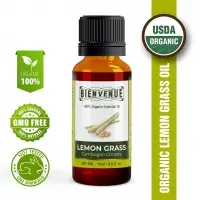
Lemongrass Essential Oil blends well with essential oils in the citrus, wood, mint and herbaceous families. Like Geranium Essential Oil and Peppermint Essential Oil, Lemongrass Essential Oil can easily overpower a blend, Lemongrass Essential Oil can be helpful when carefully used in very-very low dilution by those that are challenged with acne-prone skin
Botanical Name-West Indian: Cymbopogon citratusrn
East Indian: Cymbopogon flexuosusrnrn
Common Method of Extraction-Steam Distillation
Plant Part Typically Used-Grass
Color-Pale Yellow to Vivid Yellow
Consistency-Thin Strength of Initial
Aroma-Strong
Aromatic Description-Fresh, lemony, earthy.
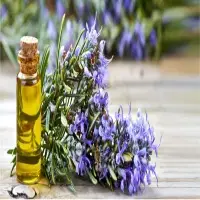
Rosemary has an excellent reputation for oily skin/acne, scalp and hair care, and i have repeatedly read that rosemary oil can be helpful with alopecia (hair loss). Rosemary is quite stimulating and is heralded for help in memory retention and staying focused and alert. Rosemary is a good choice for blends for driving long distances and for long study sessions.
Appearance colorless to pale yellow clear liquid
Specific gravity 0.89800 to 0.92200 @ 25.00 �c
Refractive index 1.46600 to 1.47000 @ 25.00 �c
Boiling point 175.00 to 176.00 �c. @ 760.00 mm hg
Saponification value 1.50
Vapor pressure 2.000000 mm/hg @ 20.00 �c
Flash point 114.00 �f. Tcc
Shelf life 24 month(s) or longer if stored properly
Storage store in cool, dry place in tightly sealed containers, protected from heat and light
Color colorless to pale yellow liquid
Solubility 10 vols 80 alcohol
Density 0.894-0.912 (2525 c)
Practically insoluble in water
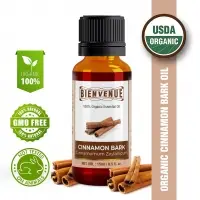
Cinnamon Bark Essential Oil is steam distilled from the bark of the cinnamon tree. The bark oil is generally preferred over Cinnamon Leaf Essential Oil. However, oil distilled from cinnamon bark tends to be much more costly than that distilled from the leaves. Aromatically, Cinnamon Bark Essential Oil is much richer in aroma than ground cinnamon. Cinnamon Bark Oil tends to be warming, stimulating and energizing. It blends well with many other essential oils especially oils in the wood, spice, citrus and mint families
Appearance Dark Yellow Clear Oily Liquid
Specific Gravity 1.01000 To 1.03000 @ 25.00 �c
Pounds/gallon 8.404 To 8.571
Refractive Index 1.57300 To 1.59100 @ 20.00 �c
Boiling Point 249.00 �c. @ 760.00 Mm Hg
Flash Point 160.00 �f. Tcc
Odor Type Spicy
Odor Sweet, Cinnamic, Spicy Warm, Woody And Aromatic
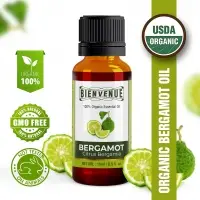
Bergamot Essential Oil is one of my favorite citrus oils to enjoy in the diffuser and to mindfully use in topical applications. The aroma of Bergamot Essential Oil is reminiscent to that of orange, but it is wonderfully more complex. It almost seems to possess an underlying floral characteristic to it. Drinkers of Early Gray tea are especially familiar with the flavor and aroma of bergamot as the oil is used to flavor the tea. Bergamot Essential Oil may be helpful in use during periods of depression, sadness or grief, and it is known for its ability to help combat oily skin and acne.
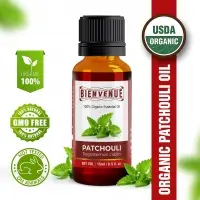
Patchouli Oil is a wonderful staple to keep on hand. It is helpful for most all skin types ranging from dry, cracked skin all the way to helping to regulate oily skin and acne. Those with eczema, psoriasis and dandruff have said that patchouli is especially helpful for them. Emotionally, Patchouli Essential Oil is calming and grounding. Spiritually, it has been used alone or in blends during prayer and meditation.
Botanical Name Pogostemon cablin
Common Method of Extractio Steam Distilled
Plant Part Typically Use Leaves
Color Patchouli Essential Oil Deep Golden Brown
Consistency Medium - Thick
Perfumery Note Base
Strength of Initial Aroma Medium
Aromatic Description Rich, earthy, woody aroma with a nearly hidden fruity note.
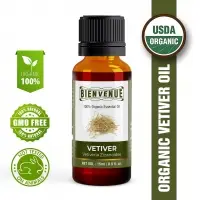
The aroma of Vetiver Essential Oil is strong on its own. A little goes a long way. Many prefer to use it sparingly in blends so as not to overpower the other essential oils in the blend. Spiritually, I find Vetiver Essential Oil to be especially grounding. As it is also quite calming, it is a good choice for meditation and prayer.
Botanical Name-Vetiveria zizanoides
Common Method of Extraction-Steam Distilled
Plant Part Typically Used-Root
Color - -Golden/Dark Brown
Consistency-Thick. Strength of Initial
Aroma-Bold Aromatic
Description for Vetiver Essential Oil-Woody, smoky, earthy, herbaceous and spicy.
Patchouli Oil is a wonderful staple to keep on hand. It is helpful for most all skin types ranging from dry, cracked skin all the way to helping to regulate oily skin and acne. Those with eczema, psoriasis and dandruff have said that patchouli is especially helpful for them. Emotionally, Patchouli Essential Oil is calming and grounding. Spiritually, it has been used alone or in blends during prayer and meditation.
Botanical Name Pogostemon cablin
Common Method of Extractio Steam Distilled
Plant Part Typically Use Leaves
Color Patchouli Essential Oil Deep Golden Brown
Consistency Medium - Thick
Perfumery Note Base
Strength of Initial Aroma Medium
Aromatic Description Rich, earthy, woody aroma with a nearly hidden fruity note.
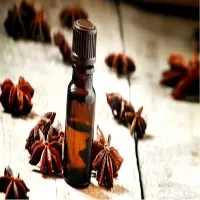
Anise Essential Oil May Also Be Helpful In Aromatherapy Blends That Are Intended To Help Digestion And Muscular Aches Or Pains. Star Anise Oil (illicium Verum) Is Sometimes Confused With Anise Oil (pimpinella Anisum) Because Both Have Similar Names, Both Possess A Similar Aroma And Both Have Similar, But Not Completely Identical Propertiesodor Crushed Fruit Odor, Sweet Aromatic Taste
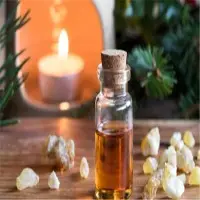
Frankincense Essential Oil Is Distilled From Frankincense Resin. It Tends To Smell Sweeter, Cleaner And Fresher Than The Resin, And More People Prefer The Aroma Of Frankincense Essential Oil To That Of The Resin When It's Being Burned As Incense
Appearance Colorless To Pale Yellow Clear Liquid
Specific Gravity 0.86000 To 0.89000 @ 25.00 °c
Pounds/gallon 7.156 To 7.406
Refractive Index 1.46600 To 1.47700 @ 20.00 °c
Optical Rotation -0.05 To 0.00
Boiling Point 137.00 To 141.00 °c. @ 760.00 Mm Hg
Flash Point 96.00 °f. Tcc
Shelf Life 24 Month(s) Or Longer If Stored Properly
Storage Store In Cool, Dry Place In Tightly Sealed Containers, Protected From Heat And Light
Rose Otto Essential Oil Is Lighter In Color And Thinner In Viscosity Than Rose Co2 Extract Or Rose Absolute. At Cooler Temperatures, Rose Otto Can Solidify. This Does Not Hurt The Integrity Of The Oil. Aromaweb's Working With Thicker Oils Article Provides Tips On How To Re-liquefy The Oil.
Appearance Pale Yellow To Orange Red Clear Oily Liquid
The aroma of Vetiver Essential Oil is strong on its own. A little goes a long way. Many prefer to use it sparingly in blends so as not to overpower the other essential oils in the blend. Spiritually, I find Vetiver Essential Oil to be especially grounding. As it is also quite calming, it is a good choice for meditation and prayer.
Botanical Name-Vetiveria zizanoides
Common Method of Extraction-Steam Distilled
Plant Part Typically Used-Root
Color - -Golden/Dark Brown
Consistency-Thick. Strength of Initial
Aroma-Bold Aromatic
Description for Vetiver Essential Oil-Woody, smoky, earthy, herbaceous and spicy.
White Camphor Essential Oil is a rectified oil. To produce the oil, crude camphor is collected from the trees and is steam distilled into fractions, namely white camphor, brown camphor, yellow camphor and blue camphor it is crucial that you purchase it from a highly reputable source, and be certain that you are obtaining White Camphor Essential Oil. Brown Camphor Oil and Yellow Camphor Oil contain significant quantities of the toxic constituent safrole and are not safe for use.
Botanical Name Cinnamomum camphora
Common Method of Extraction Steam Distilled
Plant Part Typically Used Wood
Color Clear
Consistency Thin
Perfumery Note Middle
Strength of Initial Aroma Strong
Aromatic Description Fresh, intense, woody. Its aroma is somewhat eucalyptus-like due to its high cineole content.
Its underlying vanilla note reminds me of Benzoin Absolute. Amyris Essential Oil is sometimes used in place of Sandalwood Essential Oil, but the aroma and strength of both essential oils is quite different. Amyris Essential Oil is sometimes used as a natural fixative.rnrnIn small dilutions, Amyris Essential Oil is said to act as an aphrodisiac. Its rich, warm woody aroma also complements masculine blends.rnReminiscent of benzoin, Amyris Essential Oil includes sweet, warm, vanilla notes with a woody, cedar-like character.
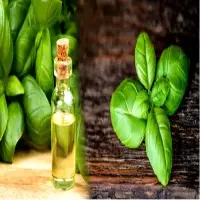
Basil Essential Oil is amongst the oils that I immediately think of when I want an oil that can help stimulate my mind and allow me to focus on the task at hand. Basil Essential Oil is an energizing oil and is best used during the morning and daytime hours.rnrnThe chemical composition of Basil Essential Oil can vary greatly between varieties, batches and suppliers. Ideally, look for Basil Essential Oil that has a a significant percentage of Linalool and that is weak in Methyl Chavicol (Estragole), a suspected carcinogen. Basil Oils that are higher in Linalool tend to have a more appealing aroma. Additionally, Linalool is said to act as an insect repellent.
Botanical Name: Ocimum basilicum
Common Method of Extraction: Steam Distilled
Part Typically Used: Leaves and Flowers/Buds
Color: Clear
Consistency: Thin
Strength of Initial Aroma: Medium
Aromatic Description: Sweet, herbaceous, licorice-like, slightly camphorous
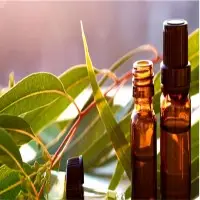
Eucalyptus Essential Oil is probably most well known for its wonderful benefits for respiratory applications including helping to ease congestion and pressure, colds, flu, fever and bronchitis. It's also a great essential oil to use in massage or other topical blends to ease muscular pain and arthritis.rnEucalyptus Essential Oil primarily consists of the oxide 1,8 cineole (also known as eucalyptol or just cineole). The cineole content is what is primarily responsible for giving Eucalyptus globulus its aroma and key therapeutic benefits for respiratory health and pain relief.
Botanical Name-Eucalyptus globulus
Common Method of Extraction-Steam Distilled
Plant Part Typically Used-Leaves
Color-Clear
Consistency-Thin Strength of Initial
Aroma-Strong
Aromatic Description-Fresh, medicinal, woody, earthy.
Cypress Essential Oil blends well with a number of essential oils including other woody oils, mint oils, the citrus oils, especially grapefruit, and it is beautiful when blended in low dilution with florals.
Lemongrass Essential Oil blends well with essential oils in the citrus, wood, mint and herbaceous families. Like Geranium Essential Oil and Peppermint Essential Oil, Lemongrass Essential Oil can easily overpower a blend, Lemongrass Essential Oil can be helpful when carefully used in very-very low dilution by those that are challenged with acne-prone skin
Botanical Name-West Indian: Cymbopogon citratusrn
East Indian: Cymbopogon flexuosusrnrn
Common Method of Extraction-Steam Distillation
Plant Part Typically Used-Grass
Color-Pale Yellow to Vivid Yellow
Consistency-Thin Strength of Initial
Aroma-Strong
Aromatic Description-Fresh, lemony, earthy.
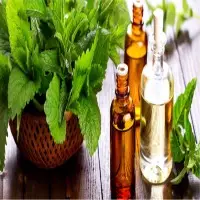
Peppermint Essential Oil is stimulating and is a good choice for inclusion in blends intended to help enhance alertness and stamina. The aroma of Peppermint Essential Oil is familiar and pleasant to most. Peppermint Oil is very intense and is far more concentrated than most other steam distilled essential oils. At low dilutions, it is fresh, minty and quite uplifting. Its a favorite around Christmas and the holidays, but is also popular year round.
Botanical Name-
Mentha piperita
Common Method of Extraction-Steam Distilled
Plant Part Typically Used-Leaves and Flowers/Buds
Color-Clear with a Yellow Tinge
Consistency-Thin Strength of Initial
Aroma-Strong
Aromatic Description-Minty, reminiscent of peppermint candies, but more concentrated. More fragrant than spearmint.
Rosemary has an excellent reputation for oily skin/acne, scalp and hair care, and i have repeatedly read that rosemary oil can be helpful with alopecia (hair loss). Rosemary is quite stimulating and is heralded for help in memory retention and staying focused and alert. Rosemary is a good choice for blends for driving long distances and for long study sessions.
Appearance colorless to pale yellow clear liquid
Specific gravity 0.89800 to 0.92200 @ 25.00 °c
Refractive index 1.46600 to 1.47000 @ 25.00 °c
Boiling point 175.00 to 176.00 °c. @ 760.00 mm hg
Saponification value 1.50
Vapor pressure 2.000000 mm/hg @ 20.00 °c
Flash point 114.00 °f. Tcc
Shelf life 24 month(s) or longer if stored properly
Storage store in cool, dry place in tightly sealed containers, protected from heat and light
Color colorless to pale yellow liquid
Solubility 10 vols 80 alcohol
Density 0.894-0.912 (2525 c)
Practically insoluble in water
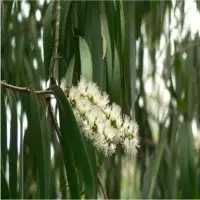
Cajeput is a small tree with a soft, thick, spongy, ash-colored bark and scattered branches, with the slender twigs often drooping likethe weeping willow (Salix babylonica). The leaves are from 3 to 5 inches long, and very aromatic when bruised. Cajeput Essential Oil is a must-have oil to keep on hand for cold and flu season, especially for use in the diffuser. When well diluted, it can be used topically, but there is some indication that it may cause skin irritation.
Botanical Name Melaleuca leucadendron / Melaleuca cajuputi
Common Method of Extraction Steam Distilled
Plant Part Typically Used Leaves
Color Clear with a Yellow Tinge
Consistency Thin
Perfumery Note Middle
Strength of Initial Aroma Medium
Aromatic Description Fresh, campherous aroma with a fruity note.