Please click here to check who's online and chat with them.

Find Verified Sesame Seeds Suppliers, Manufacturers and Wholesalers

Top Supplier Cities : Lagos   Abuja   -  
VERIFIED
May-25-18

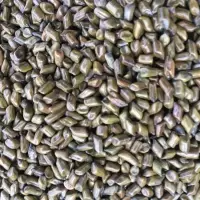
Cassia Sesame Tora Seeds

$300 - $310
MOQ: 25  Meters
Sample Available
Supplier From Kano, Nigeria
 Inquire Now  
Cassia Sesame Tora Seeds :
Our clean cassia sesame tora is dark brown and Nigerian origin
VERIFIED
Apr-25-25
 Inquire Now  
Key Specfications - High oil content (>45%), cleaned and sorted, suitable for oil production and food industries, moisture content â?¤8%, shelf life 12 months
Jun-12-26
Supplier From kano, Kano, Nigeria
 Inquire Now
Mar-22-21

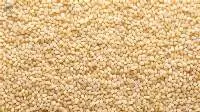
Sesame Seed

$1.20K
MOQ: Not Specified
 Inquire Now  
Origin: Nigeria
Type: Unhulled Natural Sesame Seeds

Specifications
Purity: Minimum of 98%
Admixture: Maximum of 2%
Oil Content: Minimum of 50%
Moisture Content: Maximum of 10%
Inspection: SGS
Oct-18-23

Sesame Seeds

$2.50K - $2.80K
MOQ: Not Specified
Supplier From Kano, Kano, Nigeria
 Inquire Now  
Quality: 99.8% purity.
Moisture Content: Between 4% to 7%.
Extraneous Matter: Limited to 2%.
Infestation: Zero.
Admixture: Restricted to 3-4%.
27 Sesame Seeds Suppliers
Short on time? Let Sesame Seeds sellers contact you.
Jun-12-19

Sesame Seeds

$1.90K
MOQ: Not Specified
Supplier From Kano, Kano, Nigeria
 Inquire Now  
Sesame Seeds
Generally, we are able to provide seeds that meet the below specifications:- Purity: 99% (Machine Cleaned) Moisture: 6-9% max
Admixture: 1-2% max Oil content: 50% min
FFA: 1-2% max.
Inspection: SGS, Euro 1 or other (By default we offer the Nigerian Ministry of Health Inspection Certificate and Phytosanitary Certificate)
Mar-03-25

Sesame Seeds

$2.20K
MOQ: Not Specified
Supplier From Kano, kano, Nigeria
 Inquire Now  
Premium-grade sesame seeds, ideal for culinary and oil extraction purposes. Rich in nutrients, thoroughly cleaned, and packaged to maintain freshness.
Dec-05-25
Supplier From Kano, Kano, Nigeria
 Inquire Now
May-08-20
Supplier From Kano, Kano, Nigeria
 Inquire Now
Jun-18-19

Sesame Seeds

$1.60K
MOQ: Not Specified
Supplier From Kano, Nigeria
 Inquire Now  
SESAME SEEDS IN SUDAN

SESAME (Sesamum indicum L.) is one of the worlds oldest spice and oil-seed crop grown mainly for its seeds that contain approximately 50% oil and 25% protein. The world production is estimated at 4 million tones.

SESAME has important agricultural attributes. It is adapted to tropical and temperate conditions, grows well on stored soil moisture with minimal irrigation or rainfall and can produce good yield under high temperature.

Sudan produces a large percentage of the world total annual exports. Sesame in the Sudan is raise almost entirely under rain fed conditions, mainly in the Southern, Kordofan , Kasala, white and blue Nile states.

USES OF SESAME

Oil Industry
Confectionery and Biscuit industry
Tahini a traditional Middle Eastern
Sesame paste.
Dip and spread manufacturers add ingredients such as chickpeas and eggplant to Tahini and call the product Homus and Baba Gnnouj
Bakery industry
Halva industry Halva is a popular sweet made by mixing approximately 50% Tahini with boiled wiped sugar and other ingredients


PRODUCTION AREAS IN SUDAN STATES

Sennar, White Nile, Blues Nile, Kassala, Gadarif, Kordofan and Darfur States. Today, India and China are the worlds largest producers of sesame, followed by Sudan, Myanmar, Mexico, Nigeria, Venezuela, Turkey, Uganda and Ethiopia


SEASON OF PRODUCTION IN SUDAN

Begin in October


SESAME SPECIFICATION

Sudan exports three recognized grade: white Sesame seed- Brown/red sesame seed Mixed Sesame seed


WHITE SESAME

Oil Content Min. 48%

Admixture Max.1 -3 %

Purity Min. 99%

Foreign matter Max. 1%

FFA Max. 2%

Other color seeds Max. 2%


MIXED SESAME

Oil content 50%

Moisture cont max. 3%

Moisture Conl. Max. 6%

Admixture max. 3%

BROWN (RED) SESAME

Oil Content Min. 52%

Admixture Max.2 %

Purity Min. 99%

Foreign matter Max. 3%

FFA Max. 3%

Other color seeds Max. 3%


BROWN (RED) SESAME


Oil Content Min. 52%

Admixture Max.2 %

Purity Min. 99%

Foreign matter Max. 3%

FFA Max. 3%

Other color seeds Max. 3%


PACKING AND EXPORT

Packing is done in 50 KG PP bags, and exported in 20 feet containers which will carry 19 metric tons.
Oct-03-26
Supplier From Kano, Nigeria
 Inquire Now
Oct-16-12
Supplier From Kano, Nigeria
 Inquire Now
Mar-03-25
Supplier From Kano, kano, Nigeria
 Inquire Now
Nov-11-26
Supplier From Kano, kano, Nigeria
 Inquire Now
Nov-28-16
Supplier From Kano, Nigeria
 Inquire Now
Dec-05-16
Supplier From Kano, Nigeria
 Inquire Now
Oct-16-23
Supplier From Kano, Kano, Nigeria
 Inquire Now
Nov-12-26
Supplier From Kano, Nigeria
 Inquire Now
Mar-11-19
Supplier From Kano, Kano, Nigeria
 Inquire Now
VERIFIED
Apr-07-25
Supplier From Kano, Nigeria
 Inquire Now
Dec-22-22
Supplier From Kano, Kano, Nigeria
 Inquire Now
Jun-23-24
Supplier From Kano, Kano, Nigeria
 Inquire Now
Nov-11-26
Supplier From Kano, Kano State, Nigeria
 Inquire Now
VERIFIED
Aug-30-10
Supplier From Kano, Nigeria
 Inquire Now
VERIFIED
Jun-20-12
Supplier From Kano, Nigeria
 Inquire Now
Nov-12-26
Supplier From Kano, Nigeria
 Inquire Now
Jan-28-21
Supplier From Kano, Nigeria
 Inquire Now
Supplier Of Recycled Plastic   |   Zinc   |   Lead   |   Mica   |   Lead Ore   |   Zinc Ore   |   Tin Ore   |   Sesame Seeds   |   Soybean   |   Pepper   |   Red Chilli   |   Fresh Ginger   |   Cashew Nuts   |   Peanuts   |   Groundnuts   |   Fresh Hibiscus   |   Hibiscus   |   Arabic Gum   |   Charcoal   |   Coal   |   Dry Red Chilli
27 Sesame Seeds Suppliers
Short on time? Let Sesame Seeds sellers contact you.
  • First page
  • Next
See what buyers and suppliers are discussing in Sesame Seeds import export community

Frequently Asked Questions (FAQs)


1. What are the main types of sesame seeds traded internationally?

The most commonly traded sesame seeds are white hulled sesame, brown and black sesame seeds.

2. Which countries are the largest exporters of sesame seeds?

The largest exporters of sesame seeds by shipment are India, Pakistan and Nigeria.

3. What is the best time to source sesame seeds?

The best time is immediately after harvest, typically October to January, when supply is high, and sesame seeds wholesale prices are most competitive. Quality and availability are also better during this period.

4. What is the difference between hulled and natural sesame seeds?

Hulled sesame seeds have the outer shell removed and are lighter in color, ideal for bakery and confectionery. Natural (unhulled) sesame seeds retain the husk, offering higher fibre and stronger flavor.

5. How do I verify the quality of sesame seeds before purchasing?

Check lab test reports, request pre-shipment inspection, and review parameters like moisture, purity, oil content, and absence of contaminants from verified sesame seed suppliers.

6. What are the standard quality requirements for sesame seeds?

Export-quality sesame seeds typically require 98–99.95% purity, =7% moisture, uniform color, and compliance with food safety regulations of the importing count

7. Do buyers require ETO or steam sterilisation for sesame seeds?

Many buyers, especially in Europe and the US, prefer steam sterilisation to reduce microbial load. ETO treatment may be required based on destination regulations and buyer specifications.

8. What certifications should I look for in a sesame seed supplier?

Reliable sesame seed exporters should hold ISO 22000, HACCP, FSSAI, APEDA, and for specific markets, Organic, Kosher, or Halal certifications.

9. Which regions import the highest volumes of sesame seeds for food processing and retail markets?

Major importers include Europe, China, Japan, South Korea, the Middle East, and the USA, driven by demand from the bakery, oil processing, and retail food sectors.

10. What moisture, purity, and oil content levels are standard for export-quality sesame seeds?

Standard export specifications include =7% moisture, 98–99.95% purity, and 48–52% oil content, depending on the origin and variety.

11. How long is the shelf life of sesame seeds during international transportation?

Sesame seeds generally have a 12–24 month shelf life when stored in cool, dry conditions and packed in moisture-resistant export packaging.

12. What are the requirements for importing sesame seeds to the European market?

EU imports require compliance with EFSA norms, low pesticide residues, microbiological safety, proper labelling, and often steam sterilisation and traceability documents.