Please click here to check who's online and chat with them.

Find Verified Ammonium Nitrate Suppliers, Manufacturers and Wholesalers

Feb-13-25

Ammonium Sulphate

$0
MOQ: Not Specified
Sample Available
Supplier From North York, Ontario, Canada
 Inquire Now  
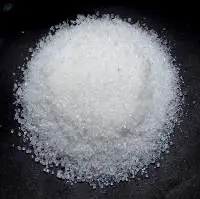
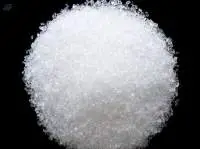
We offer Ammonium Nitrate in Granular and Crystalline forms.

Ammonium Sulphate Physical State ; Powder Color : White crystalline powder Cas No. 7783-20-2 Arsenic (As) ; NMT 0.00002% Calcium (Ca) : NMT 0.001% Magnesium (Mg) : NMT 0.0005% Non-volatile substances : NMT 0.01% Active Ingredient ; (NH4)2SO4% Assay : Min 99.5% PH Value ; Min. 4.5 Chloride : NMT 0.0003% Nitrates : PNMT 0.001% Iron ; NMT 0.0002% Heavy Metals (as Pb) ; NMT 0.0002% Phosphate (PO4) ; NMT 0.0005%

The primary use of Ammonium Sulphate is as a fertilizer for alkaline soils. In the soil the ammonium ion is released and forms a small amount of acid, lowering the pH balance of the soil, while contributing essential nitrogen for plant growth. The main disadvantage to the use of Ammonium Sulphate is its low nitrogen content relative to Ammonium Nitrate, which elevates transportation costs. It is also used as an agricultural spray adjuvant for water soluble insecticides, herbicides, and fungicides.
Feb-19-25

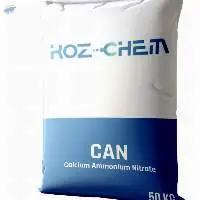
Calcium Ammonium Nitrate

$0
MOQ: Not Specified
Sample Available
Supplier From North York, Ontario, Canada
 Inquire Now  
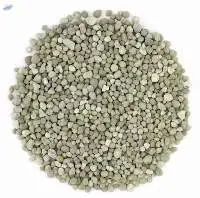
Appearance white granule
Particle size 2-4mm
Purity 99% min
Nitrogen 15.5% min
Nitrate Nitrogen 14.1%-14.4%
Ammoniacal Nitrogen 1.1%-1.3%
Calcium 19% min
Moisture 0.8% max
Water insoluble matter 0.2% max
Nitric 0.05% max
Iron 0.005% max
PH 5.6-6.8
Nov-13-23

Calcium Nitrate

$135
MOQ: 500  Metric Tonnes
Sample Available
Supplier From Johannesburg, Gauteng, South Africa
 Inquire Now  
Product Description
Product: EcoGrow Calcium Nitrate Granules: Sustainable Crop Nourishment

Molecular formula: 5Ca(NO3)2â?¢NH4â?¢NO3â?¢10H2O
Molecular weight: 1080.71

Description: Some essential characteristics:
1. Balanced nutrient content: CAN contains a combination of nitrogen (present in nitrate and ammonium forms) and calcium in suitable proportions, providing both macronutrients critical for plant nutrition. This balance is crucial for maximizing nutrient availability and utilization by plants.
2. High solubility: CAN readily dissolves in water, ensuring quick nutrient availability to plants. This solubility allows for faster absorption by crop root systems and availability in the soil solution, resulting in efficient and rapid nutrient uptake.
3. pH effects: CAN is a moderately acidic fertilizer product, which can help in neutralizing overly alkaline soils. This characteristic also aids in enhancing nutrient availability to plants, as certain nutrients are more readily accessible in slightly acidic soil conditions.
4. Controlled-release properties: The nitrogen component in CAN is released gradually over a period of time, contributing to extended availability and sustained nutrient supply throughout the plant's growth stages. This controlled-release feature minimizes losses due to leaching, volatilization, or denitrification and improves fertilizer efficiency.
5. Convenient handling and storage: CAN is a stable fertilizer product, with no particular handling or storage precautions needed. It can be easily blended with other fertilizer materials and remains physically stable over time, ensuring convenience in logistics and application processes.
6. Environmental impact: CAN is considered a responsible and environmentally friendly fertilizer choice due to its reduced potential for nutrient runoff, minimized emissions of greenhouse gases, and lower risk of groundwater contamination compared to some other nitrogen-based fertilizers.

Product Specification
Specifications Index
Calcium Ammonium Nitrate Calcium Ammonium Nitrate + Boron 0.3%
Crystal Water% 12-16 -----------------
Total Nitrogen% 15.5 15.5
Nitrate Nitrogen% 14-14.4 14.4
Ammonium Nitrogen 1.1-1.3 1.1
Calcium% 18.5 18
Calcium Oxide% 25.5 25
Water Insoluble% 0.2 0.2
PH Value 5-7 5-7
Particle Size(mm) 2-4 4-7 2-4

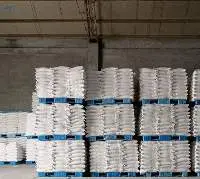
Storage and transportation: sealed in a cool and dry warehouse. Packaging must be sealed in the process of transportation to prevent rain and sun exposure.

Package: 5/ 25/50kg plastic woven bag or paper bag with PE inner bag. or according to the requirements of customers.
Nov-13-23

Ammonium Nitrate

$150
MOQ: 23  Metric Tonnes
Sample Available
Supplier From Johannesburg, Gauteng, South Africa
 Inquire Now  
Urea Ammonium Nitrate/UAN 28%-32% Solution/Liquid

Product Description

This UAN liquid fertilizer adopts imported raw material, and it's produced with professional technology,Three nitrogen forms in one.High enriched &block dissolve,Rich nutrition and quick absorption,trace elements. In addition, It has better absorption and can further enhance the resistance of crops & improve crop yield and quality.

Product Features
Water solubility:100% water-soluble,no impurities,especially for irrigating, drip irrigation and foliar spraying.It can be with other fertilizer or pesticide.
Utilization rate:90% and more which is 5 times of traditional product.Effectively reduce the loss of ammonia & water pollution.
Three form nitrogen in one,more persistent absorption to ensure crop quality.
Property: clear liquid with slight ammonia odor
Item


Index

Appearance


Colourless liquid,

light spicy smell of ammonia


Colourless liquid,

light spicy smell of ammonia

Total N content %


30-30.3


32-32.3

Ammonium Nitrate %


40-44


42--47

Urea %


31-34


34-37

Moisture %


29-22


24-16

Free ammonium % â?¤


0.05


0.05

Solubility (0-2�°C)%


100


100

PH ( in 10% AN solution)


6.0-7.5


6.0-7.5

Crystalization temperature


0�°C


0�°C

Density(25)


1.3(1.30-1.31)


1.3(1.315-1.325)

Heavy metal


4ppm


4ppm
Nov-22-23

High Quality Liquid Nh3 Anhydrous Ammonia

$450
MOQ: 500  Metric Tonnes
Sample Available
Supplier From Johannesburg, Gauteng, South Africa
 Inquire Now  
Ammonia gas (NH3) is a colorless gas with a strong, pungent odor. It consists of one nitrogen atom bonded to three hydrogen atoms. Ammonia is highly soluble in water, and it forms a strongly basic solution known as ammonium hydroxide when dissolved in water.

Here are some key points about ammonia gas:

Production: Ammonia is produced on a large scale for various industrial applications. The most common method of production is the Haber-Bosch process, which involves reacting nitrogen gas (N2) from the air with hydrogen gas (H2) under high pressure and temperature in the presence of a catalyst.

Uses: Ammonia gas has numerous applications across different industries. Some common uses of ammonia include:

Fertilizer: Ammonia is a vital component in the production of nitrogen-based fertilizers, such as ammonium nitrate and urea. It provides an essential source of nitrogen for plant growth.

Refrigeration: Ammonia has excellent thermodynamic properties, making it a popular choice as a refrigerant in industrial refrigeration systems. It is also used in absorption refrigeration systems.

Cleaning: Ammonia is an effective cleaning agent, particularly for removing grease and stains. It is often found in household cleaning products like glass cleaners and floor cleaners.

Industrial Processes: Ammonia is used as a raw material or intermediate in the production of various chemicals, including plastics, fibers, dyes, and pharmaceuticals.

Water Treatment: Ammonia is employed in water treatment processes to control pH levels and remove contaminants like heavy metals.

Safety Precautions: While ammonia has diverse applications, it is important to handle it with caution due to its toxic and corrosive nature. Prolonged exposure to high concentrations of ammonia gas can irritate the respiratory system and cause severe eye, nose, and throat irritation. It is crucial to use proper ventilation and personal protective equipment (PPE) when working with or near ammonia.

Storage and Transportation: Ammonia is typically stored and transported in pressurized containers or as a liquefied gas under refrigeration. Safety regulations and guidelines govern the storage, handling, and transportation of ammonia to minimize the risk of accidents.

Please note that if you have any specific questions or need more detailed information about a particular aspect of ammonia gas, feel free to ask!
Ammonia is a colorless liquid with a strong pungent odor and is corrosive.
Ammonia is an important chemical raw material. In order to facilitate transportation and storage, liquid ammonia is usually obtained by pressurizing or cooling gaseous ammonia.

Specification:
Specification Company Standard
NH3 â?¥ 99.8%
Residue < 0.2%
167 Ammonium Nitrate Suppliers
Short on time? Let Ammonium Nitrate sellers contact you.
Nov-22-23

Urea Ammonium Nitrate

$300
MOQ: Not Specified
Supplier From Johannesburg, Gauteng, South Africa
 Inquire Now  
UAN 32% Solution is a nitrogen fertilizer solution composed of urea and ammonium nitrate.

UAN 32% Solution can be used on just about all crops. It is widely used for side-dressing cotton, vegetables, corn, beets and other crops. Sprinkler applied UAN 32% Solution is used for tree crops such as almonds, for cereal grains, potatoes and for manyother crops.

The nitrogen in soil applied UAN 32% Solution is rapidly available to plants. The nitrate portion (one-quarter of the total N) is immediately available as soon as it reaches the root zone. The urea portion (one-half of the total N) moves freely with the soil water until it is hydrolyzed by the urea enzyme forming ammoniacal nitrogen. After the hydrolysis of urea three-quarters of the total nitrogen is ammoniacal nitrogen and it is held to the clay particles in the soil and not subject to leaching. This ammoniacal nitrogen is available to plants. Ammoniacal nitrogen is converted to nitrate by soil organisms, usually within a few weeks after application.

Item Technical Requirement
Urea content(H2NCONH2),/ % 31.8~33.2
Density(20�°C)/(kg/m3) 1087.0~1093.0
Refractive index ,20�°C 1.3814~1.3843
Freezing Point, �°C -11�±1
Alkalinity (NH3), % â?¤ 0.2
Biuret(C2H5N3O2), % â?¤ 0.3
HCHO, mg/kg â?¤ 5
Undissolved Substance/ mg/kg â?¤ 20
Phosphate(PO4)/ mg/kg â?¤ 0.5
Na , mg/kg â?¤ 0.5
Fe, mg/kg â?¤ 0.5
Cu, mg/kg â?¤ 0.2
Zn, mg/kg â?¤ 0.2
Cr, mg/kg â?¤ 0.2
Ni, mg/kg â?¤ 0.2
Al, mg/kg â?¤ 0.5
Mg, mg/kg â?¤ 0.5
Na, mg/kg â?¤ 0.5
K, mg/kg â?¤ 0.5
Note Infra-red spectrum determination on the nature.
Nov-22-23

Good Quality Anhydrous Ammonia

$600
MOQ: 500  Metric Tonnes
Sample Available
Supplier From Johannesburg, Gauteng, South Africa
 Inquire Now  
Ammonia gas (NH3) is a colorless gas with a strong, pungent odor. It consists of one nitrogen atom bonded to three hydrogen atoms. Ammonia is highly soluble in water, and it forms a strongly basic solution known as ammonium hydroxide when dissolved in water.

Here are some key points about ammonia gas:

Production: Ammonia is produced on a large scale for various industrial applications. The most common method of production is the Haber-Bosch process, which involves reacting nitrogen gas (N2) from the air with hydrogen gas (H2) under high pressure and temperature in the presence of a catalyst.

Uses: Ammonia gas has numerous applications across different industries. Some common uses of ammonia include:

Fertilizer: Ammonia is a vital component in the production of nitrogen-based fertilizers, such as ammonium nitrate and urea. It provides an essential source of nitrogen for plant growth.

Refrigeration: Ammonia has excellent thermodynamic properties, making it a popular choice as a refrigerant in industrial refrigeration systems. It is also used in absorption refrigeration systems.

Cleaning: Ammonia is an effective cleaning agent, particularly for removing grease and stains. It is often found in household cleaning products like glass cleaners and floor cleaners.

Industrial Processes: Ammonia is used as a raw material or intermediate in the production of various chemicals, including plastics, fibers, dyes, and pharmaceuticals.

Water Treatment: Ammonia is employed in water treatment processes to control pH levels and remove contaminants like heavy metals.

Safety Precautions: While ammonia has diverse applications, it is important to handle it with caution due to its toxic and corrosive nature. Prolonged exposure to high concentrations of ammonia gas can irritate the respiratory system and cause severe eye, nose, and throat irritation. It is crucial to use proper ventilation and personal protective equipment (PPE) when working with or near ammonia.

Storage and Transportation: Ammonia is typically stored and transported in pressurized containers or as a liquefied gas under refrigeration. Safety regulations and guidelines govern the storage, handling, and transportation of ammonia to minimize the risk of accidents.

Please note that if you have any specific questions or need more detailed information about a particular aspect of ammonia gas, feel free to ask!
Nov-13-23

Diammonium Phosphate

$185
MOQ: 500  Metric Tonnes
Sample Available
Supplier From Johannesburg, Gauteng, South Africa
 Inquire Now  
Diammonium phosphate, also known as diammonium hydrogen phosphate (DAP), is a compound fertilizer containing nitrogen and phosphorus.
DAP is a high-efficiency fertilizer widely used in vegetables, fruits, rice and wheat. It is also used in animal feed, food, printing and plate making, medicine, fire prevention, electronic tubes and other industries.
Diammonium phosphate, also known as diammonium hydrogen phosphate (DAP), is a compound fertilizer containing two nutrients, nitrogen and phosphorus.

1,Diammonium phosphate is a high-concentration nitrogen and phosphorus compound fertilizer based on phosphorus, which is suitable for the vast majority of crops and is also suitable for use in various soils. It can be used in a wide range of fields and can be used as base fertilizer or topdressing.

2,Diammonium phosphate can be used to fertilize a variety of soil types in paddy field and dry land, suitable for rice, wheat, corn, sweet potato, peanut, rape, peanut and other crops, especially for sugarcane, water chestnuts and other hydrogen-loving and phosphorous crops.

3,Diammonium phosphate can be combined with ammonium bicarbonate, urea, ammonium chloride, potassium chloride, ammonium nitrate and other fertilizers, avoid mixed application with ammonium sulfate and calcium superphosphate and other acidic fertilizers, the effect is better after use, and promote the growth of plants.

Appearance
Brown/Yellow granular

(NH4)2HPO4%>=
99%

P2O5
46.00%

N
18% min;

SIZE
1-4mm 90%MIN

Moisture
2%max
Jun-15-22
 Inquire Now  
CAS Number 7631-99-4
Sodium nitrate is the chemical compound with the formula NaNO
This alkali metal nitrate salt is also known as Chile saltpeter (large deposits of which were historically mined in Chile) to distinguish it from ordinary saltpeter, potassium nitrate. The mineral form is also known as nitratine, nitratite or soda niter.

Sodium nitrate is a white deliquescent solid very soluble in water. It is a readily available source of the nitrate anion (NO3), which is useful in several reactions carried out on industrial scales for the production of fertilizers, pyrotechnics, smoke bombs and other explosives, glass and pottery enamels, food preservatives (esp. meats), and solid rocket propellant. It has been mined extensively for these purposes.Most sodium nitrate is used in fertilizers, where it supplies a water soluble form of nitrogen. Its use, which is mainly outside of the Western World, is attractive since it does not alter the pH of the soil. Another major use is as a complement to ammonium nitrate in explosives. Molten sodium nitrate and its solutions with potassium nitrate have good thermal stability (up to 600C) and high heat capacities. These properties are suitable for thermally annealing metals and for storing thermal energy in solar applications.

Food
Sodium nitrate is also a food additive used as a preservative and color fixative in cured meats and poultry; it is listed under its INS number 251 or E number E251. It is approved for use in the EU, US and Australia and New Zealand. Sodium nitrate should not be confused with sodium nitrite, which is also a common food additive and preservative used, for example, in deli meats.

Thermal storage
Sodium nitrate has also been investigated as a phase-change material for thermal energy recovery, owing to its relatively high melting enthalpy of 178 J/g. Examples of the applications of sodium nitrate used for thermal energy storage include solar thermal power technologies and direct steam generating parabolic troughs.
The output of our company can reach 200-500 metric tons per month, and the output can be increased upon request.The net weight of each bag is 50 kg, 40 inch FCL has 500-600 bags,25tons
Nov-23-22
 Inquire Now  
Anticaking Agent Powder for Water Soluble Fertilizers.
OAN 507 is specially designed to prevent the caking of water-soluble fertilizers which contain Potassium Nitrate, Ammonium Nitrate etc. as raw materials. It has also shown good results with Potassium Nitrate, Ammonium Chloride Ammonium Nitrate
Oct-07-25
 Inquire Now  
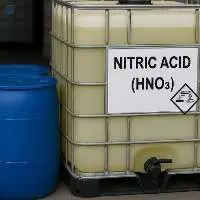
We supply high-purity Nitric Acid (HNO3) suitable for various industrial, agricultural, and chemical applications. The product is manufactured and handled under strict safety and quality standards to ensure consistent purity and performance.

Technical Specifications:
Chemical Formula: HNO3
Appearance: Clear to pale yellow liquid with a sharp, acidic odor
Concentration: 55%-68%
Purity: 99.5% (by weight)
Density: 1-1.5 g/cm3 (at 20C)
Boiling Point: 83C
Highly corrosive and reactive oxidizing agent

Applications:
Fertilizer manufacturing (ammonium nitrate)
Explosives and propellant industries
Metal treatment and etching processes
Production of dyes, pharmaceuticals, and specialty chemicals
Laboratory and analytical reagent use

Key Features:
High concentration and purity
Stable formulation for industrial use
Reliable bulk supply and consistent quality
Available in customized concentrations on request

Packaging:
30 L / 35 L HDPE carboys
200 L drums
1000 L IBC tanks or ISO tank containers

Supply Capacity:
Available in bulk quantities for export and long-term contracts

Price:
Negotiable depending on purity, packaging, and delivery destination
Sep-13-22

Fertilizer

$742
MOQ: Not Specified
Supplier From Budapest, Hungary
 Inquire Now  
Fertilizer for sale! Calcium ammonium nitrate (CAN); NH4NO3 (75-80%) + CaMg(CO3)2 (25-20%) ;

For sale per week: with 20 trucks, approximately 460 MT, less can be at least 4 trucks!

Price valid until midnight Saturday 09.10! Price 742 Usd/Ton, delivered to Budapest, remittance and loading after inspection! In 1000 kg big-bag packaging. HUF 293,000/Mt

IDENTIFICATION OF THE SUBSTANCE AND OF THE COMPANY

1.1 Product identifier

Substance name Limestone ammonium nitrate
Trade name Calcium ammonium nitrate (CAN)
Substance type inorganic preparation (mixture)
Molecular formula NH4NO3 + CaMg(CO3)2
This substance is not classified according to Annex I of Directive 67/548/EEC
REACH registration No 01-2119490981-27-0051
UFI ENXM-SD9F-8V20-FC07
Dec-05-23

Calcium Ammonium Nitrate

$280
MOQ: 10  Metric Tonnes
Sample Available
Supplier From Dover, Delaware, United States
 Inquire Now  
Chemical Property: Calcium Ammonium Nitrate (CAN) is a compound with the chemical formula Ca(NO3)2�·NH4NO3�·10H2O. It is a complex fertilizer that contains calcium, ammonium, and nitrate ions. The formula indicates the presence of calcium ions (Ca2+), ammonium ions (NH4+), nitrate ions (NO3^-), and water molecules (H2O) in the crystal structure. CAN is typically found as white granules or prills and is water-soluble. Application in Fertilizer: Calcium Ammonium Nitrate is widely used in agriculture as a fertilizer and has several applications: Nitrogen Source: CAN is a nitrogen fertilizer that provides a balanced supply of both ammonium and nitrate nitrogen. The ammonium component releases nitrogen gradually, while the nitrate component is more quickly available for plant uptake. Calcium Supply: CAN also supplies calcium, an essential secondary nutrient for plants. Calcium is important for cell wall structure, root development, and overall plant growth. Balanced Nutrition: The combination of nitrogen and calcium in CAN provides balanced nutrition for plants, supporting their growth, yield, and overall health. Root Development: Calcium supports healthy root development, which in turn improves nutrient and water uptake by plants. Nitrate-Nitrogen Uptake: The nitrate component in CAN helps promote efficient nitrogen uptake by plants, particularly during periods of active growth. Acidic Soil Amendment: CAN's ammonium content can contribute to lowering soil pH, making it useful for crops that prefer slightly acidic soil conditions. Fruit and Vegetable Production: CAN is often used for crops such as fruits, vegetables, and ornamentals that require a balanced nutrient profile to achieve optimum growth and quality. Field and Horticultural Crops: CAN is suitable for both field crops (such as grains and oilseeds) and horticultural crops (such as fruits, vegetables, and flowers). Environmental Considerations: The balanced nitrogen release in CAN can help mitigate nitrogen loss through leaching and volatilization compared to some other nitrogen fertilizers. Fertilizer Blends: CAN can be blended with other fertilizers to create custom formulations that suit specific crop and soil nutrient requirements. It's important to use Calcium Ammonium Nitrate according to recommended guidelines to avoid overuse and potential nutrient imbalances. Soil testing and understanding specific crop needs can help determine appropriate application rates for optimal results while minimizing environmental impacts.
Aug-02-21

Nitric Acid 98%

$2.50K
MOQ: 19  Tons (US)
Sample Available
Supplier From Bangkok, Krung Thep Maha Nakhon, Thailand
Supplier Of Nitric Acid   |   Yam   |   Acids   |   Toluene   |   Glycerin   |   Ammonia   |   Ammonium Nitrate   |   Ties
 Inquire Now  
Nitric Acid Uses
Like ammonia, one of the main uses of nitric acid is in preparation of fertilizers. Nitric acid is also a good oxidizing agent and is used for manufacturing of other inorganic compounds. However, this chemical compound has a lot of other uses. It finds its applications in industries as well as in our everyday life. Let�¢??s look at some of them below.

Industrial Uses of Nitric Acid
Nitric Acid in Fertilizers
Nitric Acid in Daily Life
Industrial Uses of Nitric Acid
Nitric acid is the building block chemical for the production of many other chemical compounds. It is used in manufacturing several types of polymers like polyamides and polyurethane. Nitric acid is also commonly used as rocket propellants in the aerospace industry. It is also used for manufacturing nitrogen-based compounds like nylon as well as most of the explosives like trinitrotoluene (T.N.T.), nitroglycerin, amongst others.

Other uses include, production of nitrate salts, making dyes, coal tar products and drugs. It is also used mostly for the purification of precious metals like platinum, gold, and silver.

Nitric Acid in Fertilizers
In fertilizer production, Nitric acid is used for manufacturing different types of nitrogenous fertilizers like calcium nitrate, ammonium nitrate, etc. Nitric acid is key component which is also a by product of Ammonia.

Uses in Daily Life
The most common use of Nitric acid is found in schools where it is often utilized as a laboratory reagent. Diluted nitric acid is used in wood works to fabricate maple and pine wood and make them look aged. It is also used in food industries and helps in cleaning food and equipments, etc.

More significantly, nitric acid is also used to spot test alkaloids like LSD. Another test known as Colorimetric test which requires nitric acid is used to differentiate between morphine and heroin.

These are some popular uses of nitric acid. To know more about properties, structure of acids and bases you can keep visiting BYJU�¢??S or download our app for interesting content and learning experience.
Oct-05-22

Ammonium Nitrate

$1.00K
MOQ: 100  Metric Tonnes
Supplier From Johannesburg, Gauteng, South Africa
 Inquire Now  
We are a leading supplier of electroplating chemicals, industrial polishing and welding consumables, water treatment, powder coating, fertilizers. We stock and carry an extensive range of ready to use chemicals. We deal with so many different chemicals and we would like you to contact us for more information about our different chemicals and products.
Oct-05-22

Calcium Ammonium Nitrate

$1.00K
MOQ: 100  Metric Tonnes
Supplier From Johannesburg, Gauteng, South Africa
 Inquire Now  
We are a leading supplier of electroplating chemicals, industrial polishing and welding consumables, water treatment, powder coating, fertilizers. We stock and carry an extensive range of ready to use chemicals. We deal with so many different chemicals and we would like you to contact us for more information about our different chemicals and products.
Oct-05-22

Ammonium Nitrate Solution

$1.00K
MOQ: 100  Metric Tonnes
Supplier From Johannesburg, Gauteng, South Africa
 Inquire Now  
We are a leading supplier of electroplating chemicals, industrial polishing and welding consumables, water treatment, powder coating, fertilizers. We stock and carry an extensive range of ready to use chemicals. We deal with so many different chemicals and we would like you to contact us for more information about our different chemicals and products.
Nov-06-25
Supplier From Kazakhstan
 Inquire Now
Sep-30-25
Supplier From China
 Inquire Now
Dec-06-24

Ammonia (Nh)

MOQ: Not Specified
Supplier From Dubai, United Arab Emirates
 Inquire Now  
Product Description:
We supply high-quality Ammonia (NHâ??) for a wide range of industrial and agricultural applications. Our Ammonia is produced and packaged under strict quality standards to ensure maximum efficiency and safety.

Key Features:

Purity: 99.9% and above

Applications:
Fertilizer production (e.g., urea, ammonium nitrate)
Refrigeration systems
Industrial chemicals and cleaning agents
Textile manufacturing and pulp processing
167 Ammonium Nitrate Suppliers
Short on time? Let Ammonium Nitrate sellers contact you.
See what buyers and suppliers are discussing in Ammonium Nitrate import export community