Please click here to check who's online and chat with them.

Find Verified Anhydrous Ammonia Suppliers, Manufacturers and Wholesalers

GOLD Member
Oct-10-24

99.5% Liquid Ammonia Anhydrous Ammonia

$1.20K
MOQ: 27  Metric Tonnes
Supplier From North York, Ontario, Canada
 Inquire Now  
CAS : 7664-41-7
HS Code : 2814100000

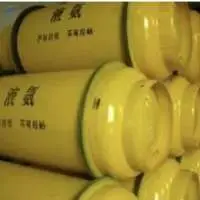
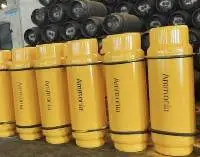
Packing : Cylinder or tank truck filling

Application

Liquid ammonia, also known as anhydrous ammonia, is colorless liquid and has a strong pungent odor. As an important chemical raw material, ammonia is usually pressurized or cooled to obtain liquid ammonia in order to facilitate transportation and storage. Ammonia soluble in water, soluble in water to form ammonium ion NH4+, hydroxide ion OH-, is an alkaline alkaline solution. Liquid ammonia is mostly stored in pressure cylinders or steel tanks, and can not coexist with acetaldehyde, acrolein, boron and other substances. Liquid ammonia is widely used in industry, is corrosive and volatile, so its chemical accident rate is very high.
GOLD Member
Oct-05-22

Anhydrous Ammonia 99.5%

$1.00K
MOQ: 100  Metric Tonnes
Supplier From Johannesburg, Gauteng, South Africa
 Inquire Now  
We are a leading supplier of electroplating chemicals, industrial polishing and welding consumables, water treatment, powder coating, fertilizers. We stock and carry an extensive range of ready to use chemicals. We deal with so many different chemicals and we would like you to contact us for more information about our different chemicals and products.
GOLD Member
Aug-30-22

Ammonia

MOQ: Not Specified
Supplier From Boca Raton, FL, United States
 Inquire Now  
Ammonia is a chemical comprising of nitrogen and hydrogen. It is designated in chemical notation as NH3. Ammonia is extremely soluble in water and is frequently used as a water solution called aqua ammonia. Ammonia chemically combines with water to form Ammonium hydroxide.

Anhydrous ammonia which is essentially pure (over 99 percent) ammonia. "Anhydrous" is a Greek word meaning "without water;" therefore, anhydrous ammonia is ammonia without water. Refrigerant grade anhydrous ammonia is a clear, colorless liquid or gas, free from visible impurities. It is at least 99.95 percent pure ammonia. Water content be above 33 parts per million (ppm) and oil cannot have a content above 2 ppm. Preserving the purity of the ammonia is essential to ensure proper function of the refrigeration system.

99.95% pure
colorless : liquid/gas
Capacity - 3500 ton/day
GOLD Member
Aug-30-22

Urea 46

MOQ: Not Specified
Supplier From Boca Raton, FL, United States
 Inquire Now  
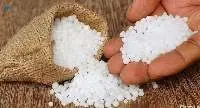
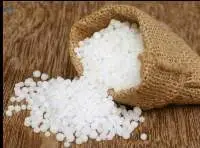
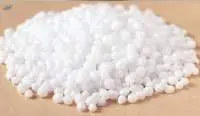
Urea is a white crystalline substance with the chemical formula CO(NH2)2; it is highly water soluble and contains 46% nitrogen. Urea is considered an organic compound because it contains carbon. It was the first organic compound every synthesized by chemists; this was accomplished in the early 1800s by German
chemists. Urea is made by reacting carbon dioxide (CO2) with anhydrous ammonia (NH3) under 3,000 psi pressures and at 350 degrees F.

46%
nitrogen
granulated
Capacity - 5060 ton/day

Urea has a number of advantages over other nitrogen fertilizers. Urea is safe to ship and
handle, it is less corrosive to equipment, it has a higher analysis than any other dry nitrogen
fertilizer and it can beused on virtually all crops. Urea can be stored and distributed through
conventional systems. It can be applied in many different ways from sophisticated aerial
application equipment to a farm spreading urea by hand.
Urea is also highly water soluble so it moves readily into the soil. The high analysis means a reduced transportation and application cost per pound of nitrogen.

TRANSPORTATION
BULK
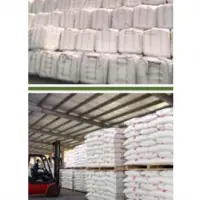
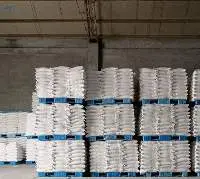
The easier and less expensive way of shipping Urea is using Bulk Shipments.
TANK
Anhydrous Ammonia needs special tanks to be transported.
VERIFIED
Aug-25-23

Urea Granular & Urea Prilled

$470
MOQ: 100  Metric Tonnes
Sample Available
Supplier From Dubai, Dubai, United Arab Emirates
 Inquire Now  
Urea, or Carbamide (NH2COONH4), is a synthetic nitrogen-rich fertilizer with a 46-0-0 NPK ratio, essential for crop nutrition. Manufactured from anhydrous ammonia, it's known for its high solubility, neutrality, and low toxicity, making it ideal for agricultural use.
Produced via a high-pressure reaction between ammonia and carbon dioxide, urea is both cost-effective and widely used in the agriculture and chemical industries. It breaks down in soil to nourish plants effectively.
Safety Note:
Handle with care to avoid skin and eye irritation or respiratory issues. Urea is generally safe but can produce toxic vapors when heated excessively.
26 Anhydrous Ammonia Suppliers
Short on time? Let Anhydrous Ammonia sellers contact you.
VERIFIED
Oct-04-23

Urea

$390
MOQ: Not Specified
Supplier From Ahmedabad, Gujarat, India
 Inquire Now  
Urea, also known as carbamide, is an organic compound with chemical formula CO(NH2)2. This amide has two NH2 groups joined by a carbonyl (C=O) functional group. Urea serves an important role in the metabolism of nitrogen-containing compounds by animals and is the main nitrogen-containing substance in the urine of mammals. It is a colorless, odorless solid, highly soluble in water, and practically non-toxic (LD50 is 15 g/kg for rats).[5] Dissolved in water, it is neither acidic nor alkaline. The body uses it in many processes, most notably nitrogen excretion. The liver forms it by combining two ammonia molecules (NH3) with a carbon dioxide (CO2) molecule in the urea cycle. Urea is widely used in fertilizers as a source of nitrogen and is an important raw material for the chemical industry. Urea is used to treat dry/rough skin conditions (e.g., eczema, psoriasis, corns, callus) and some nail problems (e.g., ingrown nails). It may also be used to help remove dead tissue in some wounds to help wound healing. Urea is known as a keratolytic. Urea is an inexpensive form of nitrogen fertilizer with an NPK (nitrogen-phosphorus-potassium) ratio of 46-0-0. Although urea is naturally produced in humans and animals, synthetic urea is manufactured with anhydrous ammonia. Although urea often offers gardeners the most nitrogen for the lowest price on the market, special steps must be taken when applying urea to the soil to prevent the loss of nitrogen through a chemical reaction. Nitrogen Content Wt % : Min 46 Biuret Content Wt % : Max 1.0 Moisture Wt% : Max 0.3 Particle Size (1-2.4mm) % :Min 90 Or 2-4 Mm Granular Urea Urea Formaldhide (UF) % : Max 0.4 Packing : 50 Kg Bags / Bulk Urea
Nov-17-20
 Inquire Now  
Urea is an inexpensive form of nitrogen fertilizer with a NPK (nitrogen, phosphorous, and potassium) ratio of 0-46-0. Although urea is produced naturally in humans and animals, synthetic urea is synthesized with anhydrous ammonia
Feb-08-23

Urea

MOQ: Not Specified
Supplier From Ajman, Ajman, United Arab Emirates
 Inquire Now  
Urea, also known as carbamide, is an organic compound with chemical formula CO(NH2)2. This amide has two NH2 groups joined by a carbonyl (C=O) functional group.

Urea serves an important role in the metabolism of nitrogen-containing compounds by animals and is the main nitrogen-containing substance in the urine of mammals. It is a colorless, odorless solid, highly soluble in water, and practically non-toxic (LD50 is 15 g/kg for rats).[5] Dissolved in water, it is neither acidic nor alkaline. The body uses it in many processes, most notably nitrogen excretion. The liver forms it by combining two ammonia molecules (NH3) with a carbon dioxide (CO2) molecule in the urea cycle. Urea is widely used in fertilizers as a source of nitrogen and is an important raw material for the chemical industry.

Urea is used to treat dry/rough skin conditions (e.g., eczema, psoriasis, corns, callus) and some nail problems (e.g., ingrown nails). It may also be used to help remove dead tissue in some wounds to help wound healing. Urea is known as a keratolytic.

Urea is an inexpensive form of nitrogen fertilizer with an NPK (nitrogen-phosphorus-potassium) ratio of 46-0-0. Although urea is naturally produced in humans and animals, synthetic urea is manufactured with anhydrous ammonia. Although urea often offers gardeners the most nitrogen for the lowest price on the market, special steps must be taken when applying urea to the soil to prevent the loss of nitrogen through a chemical reaction.

Nitrogen Content Wt % : Min 46

Biuret Content Wt % : Max 1.0

Moisture Wt% : Max 0.3

Particle Size (1-2.4mm) % :Min 90 Or 2-4 Mm Granular Urea

Urea Formaldhide (UF) % : Max 0.4

Packing : 50 Kg Bags / Bulk Urea
May-16-22

Anhydrous Ammonia, Liquid Ammonia

$587.23
MOQ: 27  Metric Tonnes
Supplier From Lahore, Punjab, Pakistan
 Inquire Now  
anhydrous ammonia, Payment Terms : T/T, Bank or Wire Transfer Upfront Upon Proforma Invoice
Pricing, Total or Minimum order Quantity , Quality and Delivery time get back to us so we can provide all those for you if interested.
Regular others also have added advantages, Bulk orders as well. anhydrous ammonia, I
Nov-22-23

High Quality Liquid Nh3 Anhydrous Ammonia

$450
MOQ: 500  Metric Tonnes
Sample Available
Supplier From Johannesburg, Gauteng, South Africa
 Inquire Now  
Ammonia gas (NH3) is a colorless gas with a strong, pungent odor. It consists of one nitrogen atom bonded to three hydrogen atoms. Ammonia is highly soluble in water, and it forms a strongly basic solution known as ammonium hydroxide when dissolved in water.

Here are some key points about ammonia gas:

Production: Ammonia is produced on a large scale for various industrial applications. The most common method of production is the Haber-Bosch process, which involves reacting nitrogen gas (N2) from the air with hydrogen gas (H2) under high pressure and temperature in the presence of a catalyst.

Uses: Ammonia gas has numerous applications across different industries. Some common uses of ammonia include:

Fertilizer: Ammonia is a vital component in the production of nitrogen-based fertilizers, such as ammonium nitrate and urea. It provides an essential source of nitrogen for plant growth.

Refrigeration: Ammonia has excellent thermodynamic properties, making it a popular choice as a refrigerant in industrial refrigeration systems. It is also used in absorption refrigeration systems.

Cleaning: Ammonia is an effective cleaning agent, particularly for removing grease and stains. It is often found in household cleaning products like glass cleaners and floor cleaners.

Industrial Processes: Ammonia is used as a raw material or intermediate in the production of various chemicals, including plastics, fibers, dyes, and pharmaceuticals.

Water Treatment: Ammonia is employed in water treatment processes to control pH levels and remove contaminants like heavy metals.

Safety Precautions: While ammonia has diverse applications, it is important to handle it with caution due to its toxic and corrosive nature. Prolonged exposure to high concentrations of ammonia gas can irritate the respiratory system and cause severe eye, nose, and throat irritation. It is crucial to use proper ventilation and personal protective equipment (PPE) when working with or near ammonia.

Storage and Transportation: Ammonia is typically stored and transported in pressurized containers or as a liquefied gas under refrigeration. Safety regulations and guidelines govern the storage, handling, and transportation of ammonia to minimize the risk of accidents.

Please note that if you have any specific questions or need more detailed information about a particular aspect of ammonia gas, feel free to ask!
Ammonia is a colorless liquid with a strong pungent odor and is corrosive.
Ammonia is an important chemical raw material. In order to facilitate transportation and storage, liquid ammonia is usually obtained by pressurizing or cooling gaseous ammonia.

Specification:
Specification Company Standard
NH3 â?¥ 99.8%
Residue < 0.2%
Apr-26-23
Supplier From Dubai, United Arab Emirates
 Inquire Now  
Liquid ammonia / anhydrous ammonia (NH3) is an important chemical raw material with a wide range of applications. Liquid ammonia can be used as a refrigerant. It is mainly used to produce nitric acid, urea and other chemical fertilizers, and can also be used as a raw material for medicine and pesticides. In the defense industry, it is used to make propellants for rockets and missiles.

Application: Agriculture Industry, Pharmaceutical Industry, Textile Industry, Refrigerant, Defense Industry etc.

Packing: 100Ltr Cylinder, 800Ltr Cylinder, ISO Tank


Item Specification
Purity: 99.5 %
Oil (Max): 0.02 %
Moisture (Max): 0.5 %
Residue On Evaporation % By Volume: 0.05 %
Pyridine: Nil
Napthanlene: Nil
Phosphic: Passes Test
Sulphur Compounds: Passes Test
Nov-22-23

Good Quality Anhydrous Ammonia

$600
MOQ: 500  Metric Tonnes
Sample Available
Supplier From Johannesburg, Gauteng, South Africa
 Inquire Now  
Ammonia gas (NH3) is a colorless gas with a strong, pungent odor. It consists of one nitrogen atom bonded to three hydrogen atoms. Ammonia is highly soluble in water, and it forms a strongly basic solution known as ammonium hydroxide when dissolved in water.

Here are some key points about ammonia gas:

Production: Ammonia is produced on a large scale for various industrial applications. The most common method of production is the Haber-Bosch process, which involves reacting nitrogen gas (N2) from the air with hydrogen gas (H2) under high pressure and temperature in the presence of a catalyst.

Uses: Ammonia gas has numerous applications across different industries. Some common uses of ammonia include:

Fertilizer: Ammonia is a vital component in the production of nitrogen-based fertilizers, such as ammonium nitrate and urea. It provides an essential source of nitrogen for plant growth.

Refrigeration: Ammonia has excellent thermodynamic properties, making it a popular choice as a refrigerant in industrial refrigeration systems. It is also used in absorption refrigeration systems.

Cleaning: Ammonia is an effective cleaning agent, particularly for removing grease and stains. It is often found in household cleaning products like glass cleaners and floor cleaners.

Industrial Processes: Ammonia is used as a raw material or intermediate in the production of various chemicals, including plastics, fibers, dyes, and pharmaceuticals.

Water Treatment: Ammonia is employed in water treatment processes to control pH levels and remove contaminants like heavy metals.

Safety Precautions: While ammonia has diverse applications, it is important to handle it with caution due to its toxic and corrosive nature. Prolonged exposure to high concentrations of ammonia gas can irritate the respiratory system and cause severe eye, nose, and throat irritation. It is crucial to use proper ventilation and personal protective equipment (PPE) when working with or near ammonia.

Storage and Transportation: Ammonia is typically stored and transported in pressurized containers or as a liquefied gas under refrigeration. Safety regulations and guidelines govern the storage, handling, and transportation of ammonia to minimize the risk of accidents.

Please note that if you have any specific questions or need more detailed information about a particular aspect of ammonia gas, feel free to ask!
Apr-24-23

Monel Alloy 400

$35.00K - $40.00K
MOQ: 200KG  Metric Tonnes
Sample Available
 Inquire Now  
Monel 400 (UNS N04400, NCu30) The structure of Monel 400 alloy is a high-strength single-phase solid solution. It is a corrosion-resistant alloy with the largest amount, the widest application and excellent comprehensive performance. This alloy has excellent corrosion resistance in hydrofluoric acid and fluorine gas medium, and also has excellent corrosion resistance to hot concentrated lye. At the same time, it is also resistant to corrosion by neutral solutions, water, sea water, atmosphere, organic compounds, etc. An important feature of this alloy is that it generally does not produce stress corrosion cracks and has good cutting performance.
The alloy has excellent corrosion resistance in fluorine gas, hydrochloric acid, sulfuric acid, hydrofluoric acid and their derivatives. At the same time, it is more corrosion resistant than copper-based alloys in seawater.
â?² Acid medium: M400 is corrosion-resistant in sulfuric acid with a concentration of less than 85%. M400 is one of the very few important materials in durable hydrofluoric acid.
â?² Water corrosion: M400 alloy not only has excellent corrosion resistance under most water corrosion conditions, but also pitting corrosion and stress corrosion are rarely found, and the corrosion rate is less than 0.25mm/a.
â?² High temperature corrosion: The maximum temperature of M400 continuous work in the air is generally around 600�°C, and in high temperature steam, the corrosion rate is less than 0.026mm/a.
â?² Ammonia: Due to the high nickel content of Monel 400 alloy, it can resist corrosion under anhydrous ammonia and ammoniation conditions below 585�°C.
American standard designation: UNS N04400, Specifications: ASTM B164, ASTM B127, ASTM B165, ASTM B725, ASTM B163, ASTM B366, ASTM B164, ASTM B564, ASTM B164, AMS 4574, AMS 4675, AMS 4730, AMS 4731, AMS 4544, AMS 4574, AMS 4675, AMS 4730, AMS 4731, AMS 4544.
German standard designation: W.Nr. 2.4360, Specifications: DIN 17743, DIN 17750, DIN 17752, DIN 17753, DIN 17754.
Japanese standard designation: JIS NW4400, Specifications: JIS G4902, JIS G4903, JIS G4904, JIS G4905, JIS G4906, JIS G4907.
Chinese standard designation: NS111, Specifications: GB/T 2054, GB/T 2055, GB/T 2056, GB/T 2057, GB/T 2058, GB/T 2059, GB/T 2060, GB/T 2061.

We can provide the following the form:Monel alloy 400 coil; Monel alloy 400 strip;Monel alloy 400 plate; Monel alloy 400 sheets; Monel alloy 400 tube; Monel alloy 400 pipe;
Monel alloy 400 flat; Monel alloy 400 bar

GB: NS111 ;JIS:NW4400;UNS:N04400;W.Nr:2.436

This alloy is mainly used for
1. Seamless water pipes and steam pipes in power plants
2. Sea water exchanger and evaporator
3. Sulfuric acid and hydrochloric acid environment
4. Crude oil distillation
5. The pump shaft and propeller of the equipment used in seawater
6. The nuclear industry is used to manufacture equipment for uranium refining and isotope separation
7. Manufacture of pumps and valves used in the production of hydro
Apr-25-23

Monel Alloy 400

$35.00K - $40.00K
MOQ: 200KG  Metric Tonnes
Sample Available
 Inquire Now  
Monel 400 (UNS N04400, NCu30) The structure of Monel 400 alloy is a high-strength single-phase solid solution. It is a corrosion-resistant alloy with the largest amount, the widest application and excellent comprehensive performance. This alloy has excellent corrosion resistance in hydrofluoric acid and fluorine gas medium, and also has excellent corrosion resistance to hot concentrated lye. At the same time, it is also resistant to corrosion by neutral solutions, water, sea water, atmosphere, organic compounds, etc. An important feature of this alloy is that it generally does not produce stress corrosion cracks and has good cutting performance.
The alloy has excellent corrosion resistance in fluorine gas, hydrochloric acid, sulfuric acid, hydrofluoric acid and their derivatives. At the same time, it is more corrosion resistant than copper-based alloys in seawater.
â?² Acid medium: M400 is corrosion-resistant in sulfuric acid with a concentration of less than 85%. M400 is one of the very few important materials in durable hydrofluoric acid.
â?² Water corrosion: M400 alloy not only has excellent corrosion resistance under most water corrosion conditions, but also pitting corrosion and stress corrosion are rarely found, and the corrosion rate is less than 0.25mm/a.
â?² High temperature corrosion: The maximum temperature of M400 continuous work in the air is generally around 600�°C, and in high temperature steam, the corrosion rate is less than 0.026mm/a.
â?² Ammonia: Due to the high nickel content of Monel 400 alloy, it can resist corrosion under anhydrous ammonia and ammoniation conditions below 585�°C.
American standard designation: UNS N04400, Specifications: ASTM B164, ASTM B127, ASTM B165, ASTM B725, ASTM B163, ASTM B366, ASTM B164, ASTM B564, ASTM B164, AMS 4574, AMS 4675, AMS 4730, AMS 4731, AMS 4544, AMS 4574, AMS 4675, AMS 4730, AMS 4731, AMS 4544.
German standard designation: W.Nr. 2.4360, Specifications: DIN 17743, DIN 17750, DIN 17752, DIN 17753, DIN 17754.
Japanese standard designation: JIS NW4400, Specifications: JIS G4902, JIS G4903, JIS G4904, JIS G4905, JIS G4906, JIS G4907.
Chinese standard designation: NS111, Specifications: GB/T 2054, GB/T 2055, GB/T 2056, GB/T 2057, GB/T 2058, GB/T 2059, GB/T 2060, GB/T 2061.

We can provide the following the form:Monel alloy 400 coil; Monel alloy 400 strip;Monel alloy 400 plate; Monel alloy 400 sheets; Monel alloy 400 tube; Monel alloy 400 pipe;Monel alloy 400 flat; Monel alloy 400 bar

GB:NS111;JIS:NW4400;UNS:N04400;W.Nr:2.436

This alloy is mainly used for
1. Seamless water pipes and steam pipes in power plants
2. Sea water exchanger and evaporator
3. Sulfuric acid and hydrochloric acid environment
4. Crude oil distillation
5. The pump shaft and propeller of the equipment used in seawater
6. The nuclear industry is used to manufacture equipment for uranium refining and isotope separation
7. Manufacture of pumps and valves used in the production of hydrochlo
Nov-13-23

Anhydrous Ammonia

$195
MOQ: 500  Metric Tonnes
Sample Available
Supplier From Johannesburg, Gauteng, South Africa
 Inquire Now  
Product Description

Welded steel gas cylinders from our company are made of excellent steel plates and designed , manufactured and inspected according with GB5100, GB17673. Also they are conformity with some international standard such as ISO,DOT,BS,JIS,DIN,TUV and so on. Our cylinder can be refilled with various kinds of low pressure liquid gas such as liquid Cl2, anhydrous ammonia, sulfur dioxide, freon, ethylene etc. they are widely applied in many industries department such as chemical industries, medical, pesticide, metallurgy, paper manufacturing, rubber, plastic, textile, printing and dyeing, food, water purification, light industry, electricity, fire-fighting and so on.

Ammonia is a colorless gas. It may be compressed and cooled to a colorless liquid. Ammonia is the compound formed by the chemical combination of the gaseous elements nitrogen and hydrogen. Ammonia is a highly reactive chemical, forming ammonium salts in reactions with inorganic and organic acids. Industrial ammonia is used for a wide variety of applications in varying quantities.

Product Name Ammonia
Chemical Formula NH3
Hazard Class 2.3
Molecular Weight 17.031
Boiling Point (C) -33.43
Boiling Point (F) -241.17
UN 1005
Density(kg/m³) 0.728
Density(lb/ft³) 0.044


Process:
Industrial ammonia is purified by a filter into the electronic grade ultra-high purity ammonia. Annual output of ultra-high purity ammonia gas is 10,000 tons.
Application:
Ammonia(NH3)is used in
1. metal treating operations as nitriding, carbo-nitriding, bright annealing, furnace brazing, sintering, sodium hydride descaling, atomic hydrogen welding, and other applications where protective atmospheres are required
2. hydrogenation of fats and oils as a convenient source of hydrogen
3.manufacturing of alkalis, ammonium salts, dyes, pharmaceuticals, cuprammonium rayon, and nylon
4. rubber industry for stabilization of raw latex to prevent coagulation during transportation and torage
5. as a catalyst in the phenol-formaldehyde condensation and also in the urea-formaldehyde condensation to make synthetic resin
6.produce proteins and can be used to improve the protein content of low quality hay
7.semiconductor industry
8.production of blue and white LEDs (Light Emitting Diods)
9.In the field of novel optoelectronic materials, it is an important base material for GAN preparation by MOCVD technology.High purity ammonia or the preparation of nitrogen trifluoride, silicon nitride, the basic material, is the production of super high nitrogen raw gas.In addition, liquid ammonia is widely used in the semiconductor industry, the metallurgical industry, as well as other industries and scientific research that need to protect the atmosphere.
Jan-14-26
Supplier From Saudi Arabia
 Inquire Now
Feb-27-25

Ammonia

MOQ: Not Specified
Supplier From Sheridan, Wyoming, United States
 Inquire Now  
Commodity
Refrigerated Anhydrous Ammonia
ORIGIN: Algeria
Manufacturer
Algerian National Company
PACKING
Bulk Refrigerated -33C
ANNUAL CAPACITY
360,000 MT/year

Pleased contact us directly for price, shipping quantity, etc...
Below present our general procedures for the purchase and sale of sugar of Brazilian origin:
1- Buyer issues a Letter of Intention (LOI) addressed to Seller;
2- Seller issues a Soft Corporate Offer (SCO);
3- If Buyer accepts SCO, signs and seals SCO and then sends to Seller;
4- Seller issues Full Corporate Offer (FCO);
5- Buyer signs and seals FCO and issues an Irrevocable Corporate Purchase Order (ICPO), addressed to Seller;
6- Seller issues draft of Sale and Purchase Agreement (SPA) to be discussed and commented;
7- SPA is signed by Seller and Buyer;
8- Buyer issues draft of the Payment Instrument (SBLC/DLC) for approval by Seller�?�´s Bank;
9- If Seller�?�´s Bank accepts, Buyer issues the bank guarantee (SBLC/DLC);
10- Seller issues Performance Bond (PB) 2%;
11- Seller prepares the product and export documents;
12- Buyer receives the export documents by mail;
13- Buyer makes payment 100% to Seller's Bank through transfer bank (Swift Message MT-103);
14- Shipping;
15- Seller sends the original export documents to Buyer;

NOTES:
The financial instrument (SBLC / DLC) must be issued by the Top 50 Bank in the world ranking.
May-28-23

Technical Grade Urea

$850
MOQ: Not Specified
Supplier From Ankleshwar, Gujarat, India
 Inquire Now  
Urea, also known as carbamide, is an organic compound with chemical formula CO(NH2)2. This amide has two NH2 groups joined by a carbonyl (C=O) functional group. Urea serves an important role in the metabolism of nitrogen-containing compounds by animals and is the main nitrogen-containing substance in the urine of mammals. It is a colorless, odorless solid, highly soluble in water, and practically non-toxic (LD50 is 15 g/kg for rats).[5] Dissolved in water, it is neither acidic nor alkaline. The body uses it in many processes, most notably nitrogen excretion. The liver forms it by combining two ammonia molecules (NH3) with a carbon dioxide (CO2) molecule in the urea cycle. Urea is widely used in fertilizers as a source of nitrogen and is an important raw material for the chemical industry. Urea is used to treat dry/rough skin conditions (e.g., eczema, psoriasis, corns, callus) and some nail problems (e.g., ingrown nails). It may also be used to help remove dead tissue in some wounds to help wound healing. Urea is known as a keratolytic. Urea is an inexpensive form of nitrogen fertilizer with an NPK (nitrogen-phosphorus-potassium) ratio of 46-0-0. Although urea is naturally produced in humans and animals, synthetic urea is manufactured with anhydrous ammonia. Although urea often offers gardeners the most nitrogen for the lowest price on the market, special steps must be taken when applying urea to the soil to prevent the loss of nitrogen through a chemical reaction. Nitrogen Content Wt % : Min 46 Biuret Content Wt % : Max 1.0 Moisture Wt% : Max 0.3 Particle Size (1-2.4mm) % :Min 90 Or 2-4 Mm Granular Urea Urea Formaldhide (UF) % : Max 0.4 Packing : 50 Kg Bags / Bulk Urea
May-28-23

Technical Grade Urea

$850
MOQ: Not Specified
Supplier From Ankleshwar, Gujarat, India
 Inquire Now  
Urea, also known as carbamide, is an organic compound with chemical formula CO(NH2)2. This amide has two NH2 groups joined by a carbonyl (C=O) functional group. Urea serves an important role in the metabolism of nitrogen-containing compounds by animals and is the main nitrogen-containing substance in the urine of mammals. It is a colorless, odorless solid, highly soluble in water, and practically non-toxic (LD50 is 15 g/kg for rats). Dissolved in water, it is neither acidic nor alkaline. The body uses it in many processes, most notably nitrogen excretion. The liver forms it by combining two ammonia molecules (NH3) with a carbon dioxide (CO2) molecule in the urea cycle. Urea is widely used in fertilizers as a source of nitrogen and is an important raw material for the chemical industry. Urea is used to treat dry/rough skin conditions (e.g., eczema, psoriasis, corns, callus) and some nail problems (e.g., ingrown nails). It may also be used to help remove dead tissue in some wounds to help wound healing. Urea is known as a keratolytic. Urea is an inexpensive form of nitrogen fertilizer with an NPK (nitrogen-phosphorus-potassium) ratio of 46-0-0. Although urea is naturally produced in humans and animals, synthetic urea is manufactured with anhydrous ammonia. Although urea often offers gardeners the most nitrogen for the lowest price on the market, special steps must be taken when applying urea to the soil to prevent the loss of nitrogen through a chemical reaction. Nitrogen Content Wt % : Min 46 Biuret Content Wt % : Max 1.0 Moisture Wt% : Max 0.3 Particle Size (1-2.4mm) % :Min 90 Or 2-4 Mm Granular Urea Urea Formaldhide (UF) % : Max 0.4 Packing : 50 Kg Bags / Bulk Urea
May-09-11

Lpg Cylinders

MOQ: Not Specified
Supplier From Pune, Maharashtra, India
 Inquire Now  
We Bharattanks dot com, gas tank installation dot com are an ISO-9001 company and largest exporter of gas equipments . We manufacture equipments for storage and distribution of LPG , Chlorine, propane , ammonia, ethylene oxide, Carbon dioxide, Nitrogen, Oxygen, Hydrogen, Propylene , Ethanol, CNG , Biofuel , Surge vessels , argon, sulphurdi oxide, Pressure Vessels & Pressure Equipments, lpg semitrailer transport tank ,LIN, LOX, Lar, LNG cryogenic transport tanks, and other gas tanks. We also manufacturer of lpg mounded vessels , LPG terminal , Lpg sphere, GLP , Auto gas components, Auto gas station, Ambient air vaporizer, Fuel tank, anhydrous ammonia storage & transport tank, Lpg Bulk Installation and ammonia cylinder filling plants on turnkey basis.
26 Anhydrous Ammonia Suppliers
Short on time? Let Anhydrous Ammonia sellers contact you.
See what buyers and suppliers are discussing in Anhydrous Ammonia import export community