Please click here to check who's online and chat with them.

Find Verified Aluminum Oxide Suppliers, Manufacturers and Wholesalers

Top Supplier Cities : -   Mumbai   New Delhi  
VERIFIED
Jul-24-23

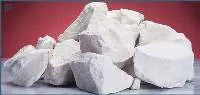
Quick Lime

MOQ: 20 Feet Container  
 Inquire Now  
Calcium Oxide (Lime) is made by thermal decomposition of high purity limestone above 900�°C, the process is called calcinations or lime burning. It is also referred to as burnt lime or quick lime.

Price: INR 5,000/- to 20,000/-
Jan-21-12
Supplier From Jodhpur, Rajasthan, India
 Inquire Now
VERIFIED
Aug-01-21

Kutki

MOQ: Not Specified
Supplier From Jodhpur, Rajasthan, India
 Inquire Now  
Botanical Name - Picrorhiza kurroa

Category - Medicinal


Form - Dry

Part Used - Roots, Rhizomes

General Information - Picrorhiza kurroa Royle ex Benth. commonly known as Kutki, belongs to family Scrophulariaceae. It is found in the Himalayan regions of China, Pakistan, India, Bhutan and Nepal. It is considered as an important medicinal plant which is mostly used in the traditional medicinal system for asthama, jaundice, fever, malaria, snake bite and liver disorders Different pharmacological activities of P. kurroa include anti-microbial, anti-oxidant, anti-bacterial, anti-mutagenic, cardio-protective, hepato-protective, anti-malarial, anti-diabetic, anti-inflammatory, anti-cancer, anti-ulcer and nephro-protective activities were recorded from this plant.

Phytochemicals - P. kurroa include anti-microbial, anti-oxidant, anti-bacterial, anti-mutagenic, cardio-protective, hepato-protective, anti-malarial, anti-diabetic, anti-inflammatory, anti-cancer, anti-ulcer and nephro-protective activities were recorded from this plant.
Sep-19-18
Supplier From Jodhpur, India
 Inquire Now
Jan-25-20
Supplier From Jodhpur, Rajasthan, India
 Inquire Now
56 Aluminum Oxide Suppliers
Short on time? Let Aluminum Oxide sellers contact you.
Jul-20-18
Supplier From Jodhpur, Rajasthan, India
 Inquire Now
Apr-01-18
Supplier From Jodhpur, Rajasthan, India
 Inquire Now
VERIFIED
Jul-31-21

Lavender

MOQ: Not Specified
 Inquire Now  
Botanical Name - Lavendula


Category - Aromatic


Form - Dry


Part Used - FLower


General Information - "Lavandula (common name lavender) is a genus of 47 known species of flowering plants in the mint family, Lamiaceae. It is native to the Old World and is found in Cape Verde and the Canary Islands, and from Europe across to northern and eastern Africa, the Mediterranean, southwest Asia to southeast India.

Many members of the genus are cultivated extensively in temperate climates as ornamental plants for garden and landscape use, for use as culinary herbs, and also commercially for the extraction of essential oils. The most widely cultivated species, Lavandula angustifolia, is often referred to as lavender, and there is a color named for the shade of the flowers of this species. Despite its use over centuries in traditional medicine and cosmetics, there is no high-quality clinical evidence that lavender has any effects on diseases or improves health."


Phytochemicals - Some 100 individual phytochemicals have been extracted from lavender oil, including major contents of linalyl acetate (30-55%), linalool (20-35%), tannins (5-10%), and caryophyllene (8%), with lesser amounts of sesquiterpenoids, perillyl alcohols, esters, oxides, ketones, cineole, camphor, beta-ocimene, limonene, caproic acid, and caryophyllene oxide. The relative amounts of these compounds vary considerably among lavender species.
Jun-01-10
Supplier From Jodhpur, Rajasthan, India
 Inquire Now
May-29-21
Supplier From Jodhpur, Rajasthan, India
 Inquire Now
VERIFIED
May-17-16
Supplier From Jodhpur, Rajasthan, India
 Inquire Now
Oct-04-20

Biocide

$1.50
MOQ: Not Specified
Supplier From Jodhpur, Rajasthan, India
 Inquire Now  
We have all types of non-oxidizing and oxidizing biocides/ algaecide , which works on a wide pH range
Jan-15-21
Supplier From Jodhpur, Rajasthan, India
 Inquire Now
Feb-04-09

Hydrated Lime

MOQ: Not Specified
 Inquire Now  
Hydrated lime

% of available lime as ca(oh)296+1+94+93+92+90+85+80+75+70+65

40kgs
Sep-02-09
Supplier From Jodhpur, Rajasthan, India
 Inquire Now
VERIFIED
Jul-31-21

Chamomile

MOQ: Not Specified
Supplier From Jodhpur, Rajasthan, India
 Inquire Now  
Botanical Name - Matricaria Chamomilla

Category - Aromatic/Medicinal

Form - Dry

Part Used - Flower

General Information - Chamomile (Matricaria chamomilla L.) is one of the important medicinal herb native to southern and eastern Europe. It is also grown in Germany, Hungary, France, Russia, Yugoslavia, and Brazil. It was introduced to India during the Mughal period, now it is grown in Punjab, Uttar Pradesh, Maharashtra, and Jammu and Kashmir. The essential oil present in the flower heads contains azulene and is used in perfumery, cosmetic creams, hair preparations, skin lotions, tooth pastes, and also in fine liquors. The dry flowers of chamomile are also in great demand for use in herbal tea, baby massage oil, for promoting the gastric flow of secretion, and for the treatment of cough and cold. The use of herbal tea preparations eliminated colic in 57% infants. Because of its extensive pharmacological and pharmaceutical properties, the plant thus possesses great economic value and is in great demand in the European countries.


Phytochemicals - German chamomile is a natural source of blue oil (essential oil). The flowers and flower heads are the main organs of the production of essential oil. It is remarkable that chamomile flower oil mainly consists of sesquiterpene derivatives (75- 90%) but only traces of monoterpenes. The oil contains up to 20% polyynes. The principal components of the essential oil extracted from the flowers are (E)-Ã?-farnesene (4.9- 8.1%), terpene alcohol (farnesol), chamazulene (2.3- 10.9%), -bisabolol (4.8 - 11.3%), and bisabolol oxides A (25.5 - 28.7%) and -bisabolol oxides B (12.2- 30.9%), which are known for their antiinflammatory, antiseptic, antiplogistic, and spasmolytic properties. Among the various major constituents, Ã?-bisabolol and chamazulene have been reported to be more useful than others. Chamazulene is an artifact formed from matricine, which is naturally present in the flowers during hydrodistillation or steam distillation. The color of the oil determines its quality. Blue color of the oil is due to sesquiterpene. The chamazulene content of the various chamomiles depends on the origin and age of the material. It decreases during the storage of the flowers.
Jun-01-10

Calcium Hydroxide

MOQ: Not Specified
Supplier From Jodhpur, Rajasthan, India
 Inquire Now  
All grades of hydratred lime from 70% to 96% grade.

40 kgs and one ton jumbo bages.
Jan-18-23
Supplier From Jodhpur, Rajasthan, India
 Inquire Now
Feb-04-09
Supplier From Jodhpur, Rajasthan, India
 Inquire Now
Jul-06-21
Supplier From Jodhpur, Rajasthan, India
 Inquire Now
Apr-03-23
Supplier From Jodhpur, Rajasthan, India
 Inquire Now
VERIFIED
Jul-31-21

Chamomile

MOQ: Not Specified
Supplier From Jodhpur, Rajasthan, India
 Inquire Now  
Botanical Name - Matricaria Chamomilla


Category - Aromatic/Medicinal


Form - Dry


Part Used - Flower


General Information - Chamomile (Matricaria chamomilla L.) is one of the important medicinal herb native to southern and eastern Europe. It is also grown in Germany, Hungary, France, Russia, Yugoslavia, and Brazil. It was introduced to India during the Mughal period, now it is grown in Punjab, Uttar Pradesh, Maharashtra, and Jammu and Kashmir. The essential oil present in the flower heads contains azulene and is used in perfumery, cosmetic creams, hair preparations, skin lotions, tooth pastes, and also in fine liquors. The dry flowers of chamomile are also in great demand for use in herbal tea, baby massage oil, for promoting the gastric flow of secretion, and for the treatment of cough and cold. The use of herbal tea preparations eliminated colic in 57% infants. Because of its extensive pharmacological and pharmaceutical properties, the plant thus possesses great economic value and is in great demand in the European countries.

Phytochemicals- German chamomile is a natural source of blue oil (essential oil). The flowers and flower heads are the main organs of the production of essential oil. It is remarkable that chamomile flower oil mainly consists of sesquiterpene derivatives (75 - 90%) but only traces of monoterpenes. The oil contains up to 20% polyynes. The principal components of the essential oil extracted from the flowers are (E)-�²-farnesene (4.9 - 8.1%), terpene alcohol (farnesol), chamazulene (2.3 - 10.9%), �±-bisabolol (4.8 - 11.3%), and bisabolol oxides A (25.5 - 28.7%) and �±-bisabolol oxides B (12.2 - 30.9%), which are known for their antiinflammatory, antiseptic, antiplogistic, and spasmolytic properties. Among the various major constituents,-bisabolol and chamazulene have been reported to be more useful than others. Chamazulene is an artifact formed from matricine, which is naturally present in the flowers during hydrodistillation or steam distillation. The color of the oil determines its quality. Blue color of the oil is due to sesquiterpene. The chamazulene content of the various chamomiles depends on the origin and age of the material. It decreases during the storage of the flowers.
Jun-03-24
Supplier From Jodhpur, Rajasthan, India
 Inquire Now
Jun-11-18
Supplier From Jodhpur, Rajasthan, India
 Inquire Now
VERIFIED
Aug-01-21

Guruchi

MOQ: Not Specified
Supplier From Jodhpur, Rajasthan, India
 Inquire Now  
Botanical Name - Tinospora cordifolia

Category - Medicinal

Form - Fresh/Dry

Part Used - Stem

General Information - Tinospora cordifolia commonly named as Guduchi in Sanskrit belonging to family Menispermaceae is a genetically diverse, large, deciduous climbing shrub with greenish yellow typical flowers, found at higher altitude. In racemes or racemose panicles, the male flowers are clustered and female are solitary. The flowering season expands over summers and winters.


Phytochemicals - A variety of active components derived from the plant like alkaloids, steroids, diterpenoid lactones, aliphatics, and glycosides have been isolated from the different parts of the plant body, including root, stem, and whole plant. Recently, the plant is of great interest to researchers across the globe because of its reported medicinal properties like anti-diabetic, anti-periodic, anti-spasmodic, anti-inflammatory, anti-arthritic, anti-oxidant, anti-allergic, anti-stress, anti-leprotic, anti-malarial, hepatoprotective, immunomodulatory and anti-neoplastic activities.
Feb-21-07
Supplier From Jodhpur, Rajsthan, India
 Inquire Now
VERIFIED
Jul-31-21

Curry Leaves

MOQ: Not Specified
Supplier From Jodhpur, Rajasthan, India
 Inquire Now  
Botanical Name - Murraya koenigii

Category - Spices/Medicinal

Form - Dry

Part Used - Leaves

General Information - Murraya koenigii (L.) Spreng or its common name curry leaf tree is a small strong smelling perennial shrub commonly found in forests as undergrowth. It was originally cultivated in India for its aromatic leaves and for ornament is normally used for natural flavoring in curries and sauces. Originated in Tarai regions of Uttar Pradesh, India. It is now widely found in all parts of India and it adorns every house yard of southern India and also it is now cultivated and distributes throughout the world.

Phytochemicals - This plant is known to be the richest source of carbazole alkaloids. It has been reported by authors that carbazole alkaloids present in M.koenigii (L.) Spreng and display various biological activities such as anti-tumor, anti-oxidative, anti-mutagenic and anti-inflammatory activities. The fresh leaves of Murraya koenigii contain 61.77- 66.2% of moisture, 2.1-12.5%of protein, 14.6-18.97% of total sugar, 9.7-13.06% of total ash, 1.35-1.82% of acid insoluble ash, 1.35-1.82% of alcohol soluble extractive and water extractive value ranges between 27.33-33.45%.
Sep-05-23
Supplier From Jodhpur, Rajasthan, India
 Inquire Now
Dec-30-16
Supplier From Jodhpur, Rajasthan, India
 Inquire Now
VERIFIED
Aug-01-21

Sesame

MOQ: Not Specified
Supplier From Jodhpur, Rajasthan, India
 Inquire Now  
Botanical Name - Sesamum indicum

Category - Medicinal

Form - Dry

Part Used - Seeds

General Information - Sesame (Sesamum indicum L.) is herbaceous annual plant belonging to the Pedaliaceae family. Sesame seed is also known as benniseed (Africa), benne (Southern United States), gingelly (India), gengelin (Brazil), sim-sim, semsem (Hebrew) and tila (Sanskrit). It is one of the worldâ??s important and oldest oilseed crops and has been used extensively for thousands of years as a seed of worldwide significance for edible oil, paste, cake, confectionary purposes and flour due to its highly stable oil contents, nutritious protein (rich in methionine, tryptophan and valine) and savory nutty roasted flavor.

Phytochemicals- S. indicum contained significant amounts of flavonoids while the seeds possessed the highest flavonoids levels. Flavonoids belong to a group of polyphenolics compounds. Polyphenols are plant compounds with a high level of antioxidant activity. This activity is due to their ability to ad-sorb, neutralize and quench free radicals. The high content of flavonoids in this plant (4.98-16.12%) might be responsible for its usefulness as a food and herbal drug. Phenols are known as important plant constituents that protect plants from oxidant damage due to their hydroxyl group. The levels of phenol contents in all the parts of S. indicum (0.13-0.016%) were very low.
Jan-14-22
Supplier From Jodhpur, Rajasthan, India
 Inquire Now
Sep-21-21
Supplier From Jodhpur, Rajasthan, India
 Inquire Now
Dec-04-08

Emery Grain

$265
MOQ: Not Specified
Supplier From Jodhpur, Rajasthan, India
 Inquire Now  
Emery grain

50 kgs. Hdpp bag
Jan-21-23

Blast Room

$125.00K
MOQ: Not Specified
Supplier From Jodhpur, Rajasthan, India
 Inquire Now  
blast room is used in all casting material like sand blasting, iron casting, aluminum casting and auto parts casting and all other casting material
Aug-26-23
Supplier From Jodhpur, Rajasthan, India
 Inquire Now
Jan-10-19
Supplier From Jodhpur, Rajasthan, India
 Inquire Now
Nov-09-04
Supplier From Jodhpur, Rajasthan, India
 Inquire Now
May-02-19
Supplier From Jodhpur, Rajasthan, India
 Inquire Now
VERIFIED
Jul-31-21

Moringa Seeds

MOQ: Not Specified
Supplier From Jodhpur, Rajasthan, India
 Inquire Now  
Botanical Name - Moringa oleifera

Category - Medicinal

Form - Dry

Part Used - Leaves, Pods

General Information - Moringa oleifera is a perennial tree, still considered as among underutilized plant and falls under Moringa ceae family. The plant is also known as Drumstick, Sahjan or Sohanjana in India. All plant parts are having remarkable range of some functional and nutraceutical properties (Singh et al, 2012) make this plant diverse biomaterials for food and allied uses. The leaves, flowers and fruits of this plant are used in the preparation of several delicacies in Indian subcontinent. Associated with high nutritional value of its edible portions pave a way in making this plant more popular as an important food source in order to combat protein energy malnutrition problem prevailed in most of the under developed and developing countries of the world.


Phytochemicals - All parts of the Moringa tree (leaves, seeds, roots and flowers) are suitable for human and animal consumption. The leaves, which are rich in protein, minerals, carotene and antioxidant compounds, are used not only for human and animal nutrition but also in traditional medicine. The seeds, instead, have attracted scientific interest as M. oleifera seed kernels contain a significant amount of oil (up to 40%) with a high-quality fatty acid composition (oleic acid > 70%) and, after refining, a notable resistance to oxidative degradation. The oil is known commercially as Ben oil or Behen oil. Its properties make it suitable for both human consumption and commercial purposes. Indeed, Moringa oil could be a good substitute for olive oil in the diet as well as for non-food applications, like biodiesel, cosmetics, and a lubricant for fine machinery. Moreover, after oil extraction, the seed cake can be used in waste water treatment as a natural coagulant or as an organic fertilizer to improve agricultural productivity.
VERIFIED
Jul-31-21

Velvet Bean

MOQ: Not Specified
Supplier From Jodhpur, Rajasthan, India
 Inquire Now  
Botanical Name - Mucuna prurita/Mucuna pruriens


Category - Medicinal


Form - Dry


Part Used - Seeds


General Information - The genus Mucuna, belonging to the Fabaceae family, sub family Papilionaceae, includes approximately 150 species of annual and perennial legumes. Among the various under-utilized wild legumes, the velvet bean Mucuna pruriens is widespread in tropical and sub-tropical regions of the world. Mucuna pruriens (Fabaceae) is an established herbal drug used for the management of male infertility, nervous disorders, and also as an aphrodisiac. It has been shown that its seeds are potentially of substantial medicinal importance. The ancient Indian medical system, Ayurveda, traditionally used M. pruriens, even to treat such things as Parkinson's disease. M. pruriens has been shown to have anti-parkinson and neuroprotective effects, which may be related to its anti-oxidant activity.

Phytochemicals - "Mucuna spp. have been reported to contain the toxic compounds L-dopa and hallucinogenic tryptamines, and anti-nutritional factors such as phenols and tannins . Due to the high concentrations of L-dopa (4 - 7%), velvet bean is a commercial source of this substance, used in the treatment of Parkinson's disease. The toxicity of unprocessed velvet bean may explain why the plant exhibits low susceptibility to insect pests. Velvet bean is well known for its nematicidic effects; it also reportedly possesses notable allelopathic activity, which may function to suppress competing plants.
Despite its toxic properties, various species of Mucuna are grown as a minor food crop. Raw velvet bean seeds contain approximately 27% protein and are rich in minerals. During the 18th and 19th centuries, Mucuna was grown widely as a green vegetable in the foothills and lower hills of the eastern Himalayas and in Mauritius. Both the green pods and the mature beans were boiled and eaten. In Guatemala and Mexico, M. pruriens has for at least several decades been roasted and ground to make a coffee substitute; the seeds are widely known in the region as Nescafe in recognition of this use."
Apr-21-01
Supplier From Jodhpur, Rajasthan, India
 Inquire Now
Feb-08-22

Copper Slag

$0.04
MOQ: Not Specified
Supplier From Jodhpur, Rajasthan, India
 Inquire Now  
Copper slag is a by-product produced during
the smelting of copper, which is then processed into
abrasive products. Typically it is composed of Ferro
silicate material and oxides formed when the
molten slag is quenched in cold water. This cooling
process fractures the slag into coarse, angular particles
making it an ideal choice in many applications. It is a
low-cost expendable abrasive suited for open blast
cleaning and due to its low silica content, it does not
pose the health hazards created by silica sand. Its
sharp, hard particles can provide a fast cleaning action
and an excellent surface profile. Applications of Copper
Slag include abrasive blasting, building materials,
landfilling, road construction, abrasive tools, cutting
tools, tiles, glass, and roofing granules.
May-28-22
Supplier From Jodhpur, Rajasthan, India
 Inquire Now
VERIFIED
Jul-31-21

Flax Seed

MOQ: Not Specified
Supplier From Jodhpur, Rajasthan, India
 Inquire Now  
Botanical Name - Linum usitatissimum

Category - Medicinal


Form - Dry


Part Used - Seeds

General Information - Linum usitatissimum (Linn.), commonly known as flaxseed or linseed, belongs to the family Linaceae. The flax plant is not a new crop and is native to West Asia and the Mediterranean coastal lands, Asia Minor, Egypt, Algeria, Tunis, Spain, Italy, and Greece; in all these areas, only fiber flax is cultivated. In south-west Asia, including Turkestan, Afghanistan, and India, only oil types are grown. In North America, flaxseed is the preferred term for flax used for human consumption, whereas Europeans use the term linseed for edible flax. Historical records indicate that flaxseed dates back to around 9000â??8000 BC in Turkey, Iran, Jordan, and Syria. Flaxseed is grown in approximately 50 countries, most of which are in the Northern hemisphere. In 2002, Canada was the largest producer of flaxseed, accounting for approximately 33% of the 2 million metric tons produced, followed by China (20%), United States (16%) and India (11%).

Phytochemicals - Flaxseed is well-known for the content of chemical compounds with specific biological activity and functional properties: polyunsaturated fatty acids (PUFA) omega-3 family, soluble dietary fibers, lignans, proteins and carbohydrates. However, it is constituted by few levels of adverse health compounds such as Cadmium, protease inhibitors and cyanogenic compounds. Flaxseed is emerging as an important functional food ingredient because provides oil rich in omega-3, digestible proteins, and lignans. In addition to being one of the richest sources of �±-linolenic acid oil and lignans, flaxseed is an essential source of high quality protein and soluble fiber and has considerable potential as a source of phenolic compounds. Flaxseed has nutritional and functional properties. In fact the content of compounds such as polyunsaturated fatty acids, essential amino acids, vitamin E, lignans and dietary fibers makes flaxseed a source to satisfy basic needs in the human diet and health maintenance. Healthy properties are related to anti-inflammatory, anti-oxidant, anti-carcinogenic activities and to the lowering of cholesterol, the decrease of cardiovascular disease and the prevention of diabetes.
Nov-27-21

Sand Blasting Machine

$1.20K
MOQ: Not Specified
 Inquire Now  
Sandblasting is a way of smoothing and cleaning a hard surface by forcing solid particles on the surface of the workpiece at high speeds by using compressed air from the air compressor.

With aggressive blasting, the sand moved against a surface. With shot blasting, on the other hand, small metal balls or beads are propelled or moved against a texture. The beads are often made of stainless steel, copper, aluminum, or zinc. In this case, all of these metals are harder than sand, making shot blasting even more effective than its aggressive blasting equivalent.
Oct-12-15
Supplier From Jodhpur, Rajasthan, India
 Inquire Now
Jun-09-08

China Clay

MOQ: Not Specified
Supplier From Jodhpur, Rajasthan, India
 Inquire Now  
Available for domestic & export markets

Our products

1. Asbestos / asbestine 18. Heena
2. Aluminium silicate 19. Kaynite
3. Activated calcium carbonate 20. Lime stone
4. Activated bleaching earch 21. Precipitated calcium carbonate
5. Bentonite (sodium) 22. Precipitated silica
6. Bentonite (calcium) 23. Plaster of paris
7. Barium sulphate 24. Potas feldspar
8. Calcite 25. Rock poshphate
9. China clay 26. Soda feldspar
10. Calcind china clay 27. Seena (harble indiuse)
11. Calcind dolomite 28. Silica sand
12. Dolomite 29. Silicons earth (ditomatislous earth)
13. Dolomite clay 30. Vermiculate
14. Fullers earth 31. Wallostonite
15. Gypsum (marin) 32. Whiting p
16. Gypsum (rock) s s white 33. Zinc oxide
17. Hydrated lime 34. Zeolighte


Calcium fluorite (caf2)30% to 98% rock phosphate +30%
Interior decorated pables & colour stones

Old and new hdpe & jambo bag
VERIFIED
Aug-01-21

Ashoka Tree

MOQ: Not Specified
 Inquire Now  
Botanical Name - Saraca asoca

Category - Medicinal

Form - Dry

Part Used - Bark, Seed, Flowers

General Information - Ashok or Ashoka (which is a Sanskrit term meaning one without sorrow or grief) also called Ashokbriksh and botanically known as Saraca asoca (Roxb.) W. J. de Wilde or Saraca indica L. is among the most ancient medicinal plants known in India. It belongs to the family Caesalpiniaceae. Saraca asoca (Roxb.) has been regarded as a universal panacea in old Indian Ayurvedic texts and has especially been used to manage gynaecological complications and infections besides treating haem-morhagic dysentery, uterine pain, bacterial infections, skin problems, tumours, worm infestations, cardiac and circulatory problems. Almost all parts of the plant are considered pharmacologically valuable. Extensive folkloric practices and ethnobotanical appli-cations of this plant have even lead to the availability of several commercial S. asoca formulations recom-mended for different indications though adulteration of these remains a pressing concern. Though a wealth of knowledge on this plant is available in both the classical and modern literature. The tree is found mainly throughout India, especially in West Bengal, Assam, Odisha, Tamil Nadu, Karnataka, Kerala, Andhra Pradesh, Meghalaya and Maharashtra9. It is also widely distributed across the Western Ghats (both South and Central), the Sahyadri region and throughout the Himalayas.

Phytochemicals- "Bark of S. asoca is the most important organ for its medicinal value. It is known to contain flavonoids, tannins, steroids, volatile oil, glycosides, steroidal gly-cosides such as Beta-sitosterol glucoside, reducing sugars, and many compounds of potassium, sodium, cal-cium, aluminum, strontium, calcium, iron, magnesium and phosphate. Powdered bark also carries cellular species such as tracheids, stone, parenchyma, sieve tubes and other cells.

leaves of S. asoca have remained the next best investigated plant tissue from the metabolic profile standpoint. They have been reported to contain alkaloids, steroids, flavonoids, tannins, saponins, terpenoids, poly-phenolics, glycosides and many car bohydrates.

The flower s of S. asoca have been shown to contain tan-nins, flavonoids, saracasin, saracadin, waxy substances, carbohydrates, proteins and steroids

Seeds of S. asoca have been reported to contain various fatty acids such as oleic, linoleic, palmitic and stearic acids; sterols such as catechol and epicatechol; and a fla-vonoid, leucocyanidin.

Fruits have been previously reported for the presence of various fatty acids such as oleic, linoleic, palmitic and stearic acids; sterols like catechol and epicatechol, and a flavonoid, leucocyanidin."
Aug-28-21
Supplier From Jodhpur, Rajasthan, India
 Inquire Now
56 Aluminum Oxide Suppliers
Short on time? Let Aluminum Oxide sellers contact you.
Explore Aluminum Oxide related import export discussions