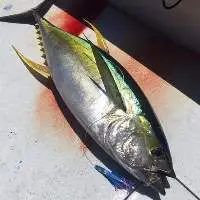
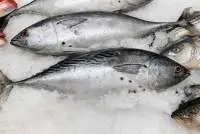
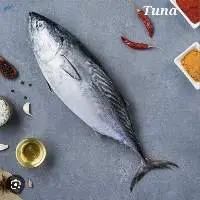
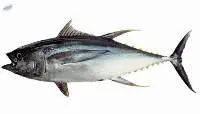
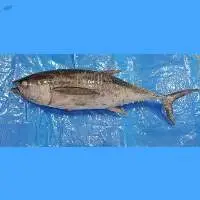
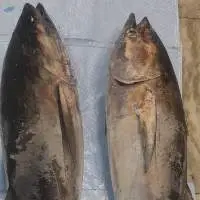
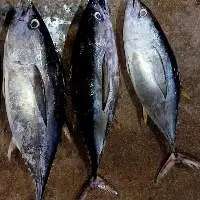
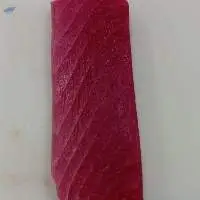
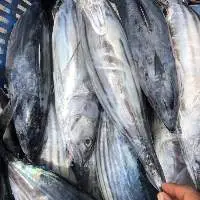
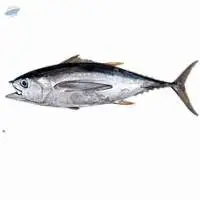
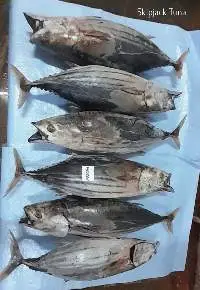
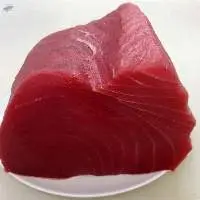
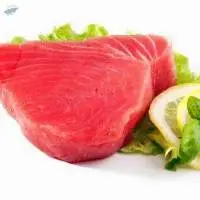
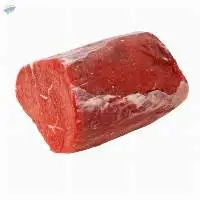
Yellowfin Tuna and Skipjack Tuna are among the most commercially important tuna species in the seafood industry. Yellowfin tuna is known for its firm texture, rich flavor, and high-quality meat, making it ideal for steaks, sashimi, and canned products. Skipjack tuna, on the other hand, is smaller in size with a stronger flavor and is widely used in canned tuna production. Both tuna varieties are rich in protein, omega-3 fatty acids, and essential nutrients. They are carefully processed and frozen to maintain freshness and meet international seafood quality standards.
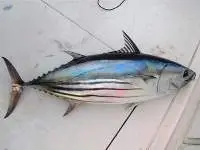
Skipjack Tuna (Katsuwonus Pelamis)
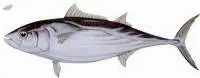
Skipjack Tuna is an average sized fish and is also known by multiple names like balaya, aku, arctic bonito, mush mouth, oceanic bonito, striped tuna, or victor fish. Normally it can grow up to 1 metre in length and can be seen in tropical and warm waters. It is for this reason that the Skipjack Tuna is much preferred by the fisheries.
Skipjack Tuna moves around in large shoals of fish around 50000 at a time. It is also seen to feed upon molluscs, crustaceans and cephalopods. Since it is a liked prey for the larger fishes many people use it as a bait to catch some of them. Normally its weight can lie in the range 8-10 kgs but its maximum weight has been recorded at around 34 kgs.
Considered as an important commercial fish you would find it sold in multiple ways like smoked, salted, canned and frozen. Maldives, France, Spain, Malaysia, Sri Lanka, and Indonesia are some countries where the Skipjack Tuna can be found in abundance. The Skipjack Tuna may have traces of mercury in its body hence its consumption is not recommended for pregnant women. Also known as Katsuo the Skipjack Tuna is an active part of Japanese cuisine.