Agar organic hair oil repairs, softens and strengthens dry, brittle, frizzy, overworked hair. Encourages healthier hair growth for a longer and thicker hair, helps prevent hair loss, repairs dry and damaged hair and scalp. Renew, Repair and Replenish.
Agarwood oud oil also has analgesic and anti-inflammatory properties that relieve pain and reduce inflammation which is common in arthritis and rheumatism.
It also detoxifies your body from unwanted toxins such as excess fats, salts, water, urea and uric acid.
Botanical Name : Cymbopogon Flexuosus
HS Code : 33012942
CAS No. : 8007-02-1
FEMA No.: 2624
Country of Origin : India
Distillation Method : Steam Distillation
Color and Appearance : Yellowish clear free flowing liquid
Odour : Strong, Sharp, Fresh Grassy Lemon type, Herbaceous like odour
Refractive Index at 270C : 1.470 to 1.490
Specific Gravity at 270C : 0.878 to 0.895
Optical Rotation : -30 to +10
Solubility : Insoluble in Water
Assay By G.C.
Main Ingredients: Citral 70%
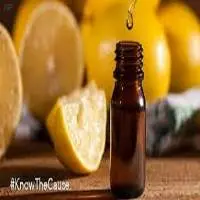
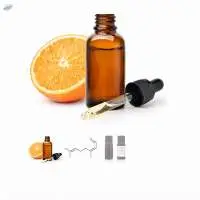
Limonene is a colorless liquid aliphatic hydrocarbon classified as a cyclic monoterpene, and is the major component in the oil of citrus fruit peels. The D-isomer, occurring more commonly in nature as the fragrance of oranges, is a flavoring agent in food manufacturing.
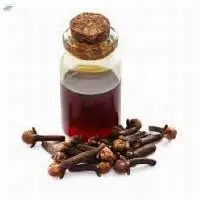
Description. Eugenol, also called clove oil, is an aromatic oil extracted from cloves that is used widely as a flavoring for foods and teas and as an herbal oil used topically to treat toothache and more rarely to be taken orally to treat gastrointestinal and respiratory complaints.
Amyris essential oil has a very tenacious, complex odor that quickly fades out to a subdued woody-balsamic aroma; it is valued as a well-known fixative, especially in soaps,1 and finds extensive application as a mild blender in numerous types of perfumes.
11101 Essential Oils Suppliers
Short on time? Let Essential Oils sellers contact you.
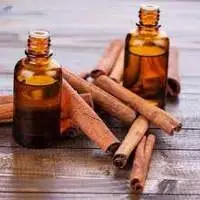
It is a spice loaded with antioxidants such as polyphenols. Cinnamon Oleoresin contains different phytochemicals such as Cinnamaldehyde, Eugenol, Camphor, etc., attributing it to various pharmacological virtues. Cinnamon Oleoresin prevents microbial growth and works as an excellent preservative.
Product Specification
Botonical Name Elettaria cardamomum
Color & Odor Brown clear liquid with Herbal Characterestic Cardamom
Solubility Soluble in water, insoluble in oil
Flash Point 215 degree Fahrenheit
Product Description
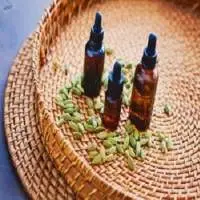
Cardamom oleoresin is obtained from the dried cardamom pods. The greenish to brown semi solid liquid has a great potential to become prime ingredient for not only as food preservative but also flavor enhancer. The oleoresin is full with triglyceride and steroid components. It is non-toxic, non-irritant and nonsensitizing.
Common Names:
Cardamom, Cardomomi, Musore
Constituents:
Volatile oil content: 14% Chemical compounds: Alpha Terpinyl Acetate, Cineol, Linalol, Linalyl Acetate and Limonene
Uses:
Extensively used as a domestic spice, especially in India, Europe, Latin America and Middle Eastern countries. The oleoresin is employed in some carminative, stomachic and laxative preparations. Widely used as a fragrance component in soaps, cosmetics and perfumes especially oriental types. Important flavor ingredient particularly in curry and spice products.
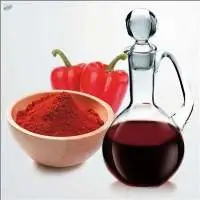
It is mainly used as a coloring and flavoring component in food products such as such as sausage, dressings, dry soluble seasonings, food coatings and snack food seasonings. It is an oil soluble extract and blends well with dry liquid carriers such as salt, dextrose, edible oil, lecithin and benzyl alcohol.
Product Specification
Grade A
Solubility Soluble in vegetable oil
Feature Used to treat diarrhoea ,They are economical ,Require lesser storage space
Packaging Type 1 kg , 5 kg , 15 kg,40 kg , 200 kg Barrel .
Boiling Point 215 Degree
Flash Point 115 degree Fahrenheit
Country of Origin Made in India
Minimum Order Quantity 1 Unit
Product Description
Our company has earned accolades in offering Cumin Seed Oleoresin 10% VOC to the clients. This product is known for its high quality. This product is highly appreciated by clients in the market. This product is to be used for flavouring of various perfumes and food products. This product is offered in high-quality oleoresin cumin to most valued customers who are situated all-round the nation.
Additional Information
Delivery Time 4-5 Days
Packaging Details 100 ml / 250 ml / 1 kg / 5 kg
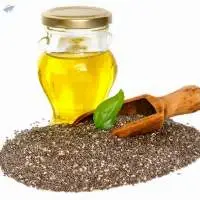
Chia seed oil is a popular ingredient in skin care products due to its high fatty acid content. The oil is particularly rich in omega-3 in the form of alpha-linolenic acid (ALA), omega-6, and smaller amounts of other healthy fats, such as oleic acid and stearic acid ( 1 , 2 , 3
What is Anethol used for?
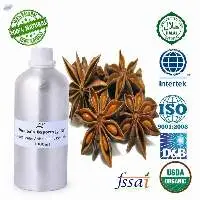
Abstract. Anethole is the main fragrance and bioactive compound of anise, fennel, and star anise spices and more than other 20 plant species. It is widely used as flavor agent in food industry and other industries, in cosmetics, perfumery, and pharmaceuticals.
Citral is an acyclic monoterpene aldehyde, and being a monoterpene, it is made of two isoprene units. Citral is a collective term which covers two geometric isomers that have their own separate names; the E-isomer is named Geranial (trans-Citral) or Citral A. The Z-isomer is named Neral (cis-Citral) or Citral B.
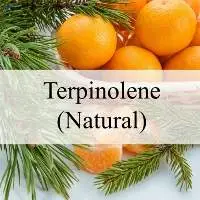
Terpinolene is a p-menthadiene with double bonds at positions 1 and 4(8). It has a role as a sedative, an insect repellent, a plant metabolite and a volatile oil component. ChEBI. Terpinolene is a natural product found in Xylopia aromatica, Eupatorium cannabinum, and other organisms with data available.
Terpinen-4-ol is an isomer of terpineol with the chemical formula C10H18O. A primary constituent of tea tree oil, it is obtained as an extract from the leaves, branches, and bark of Melaleuca alternifolia Cheel.
MeSH: terpinenol-4
Chemical formula: C10H18O
Molar mass: 154.253
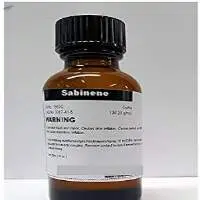
Definition of sabinene
: a liquid bicyclic unsaturated terpene hydrocarbon C10H16 found especially in savin oil that is the isomer of thujene containing a double bond outside of the rings; 4(10)-thujene.
Gurjun Balsam essential oil produced by steam distillation of resin gum from the Dipterocarpus turbinatus tree in Indonesia is prized in natural perfumery as an inexpensive fixative. Gurjun Balsam has the ability to round out rough edges and bring aromatic notes together in a seamless cohesive manner.
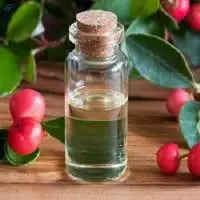
Wintergreen oil is made by steam processing of warmed, water-soaked wintergreen leaves. The leaves and oil are used to make medicine. Wintergreen is used for headache and other types of pain, fever, gas (flatulence), and other conditions, but there is no good scientific evidence to support these uses.
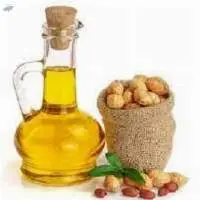
Arachis oil is a refined oil from peanuts Arachis hypogaea. It is primarily used as a laxative and given as an enema. It lubricates and softens impacted feces.
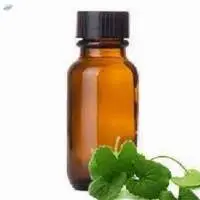
The botanical name of the Gotu Kola (Centella) Oil is Centella asiatica and extracted from the Leaves by the process of Cold Pressed method. The other names of Gotu Kola (Centella) are Centella, Asiatic Pennywort, Brahmi Gotu Kola and Indian Water Navel Wort.
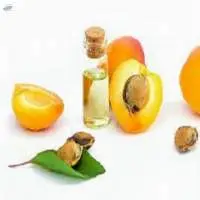
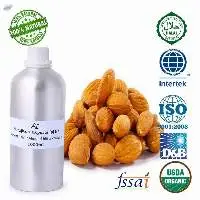
Apricot oil or apricot kernel oil is pressed from the kernels of the Prunus armeniaca (apricot). Apricot kernels have an oil content of 40-50%. The oil is similar to almond oil and peach oil, both of which are also extracted from the kernels of the respective fruit.
Sweet Almond Oil is a mild natural oil that promotes smooth, youthful, blemish-free skin by boosting collagen production, keeping it hydrated and supple, and by protecting it against the potential damage caused by UV radiation.
What is aloe vera oil?
Image result for ALOE VERA OIL description
Aloe vera hair oil is basically created by combining aloe gel with a carrier oil. To obtain this infusion, you could use any carrier oil which is good for hair such as olive oil, jojoba oil, castor or coconut oil. The most popular choice for this happens to be coconut oil.
Is aloe vera an essential oil?
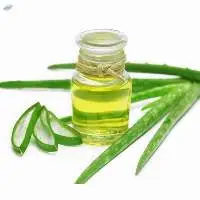
Aloe vera oil is made by soaking aloe vera leaves or gel in a carrier oil, which extracts many of the active ingredients and nutrients. For this reason, the oil isn't a true essential oil, but it is extremely potent and popular for topical applications and herbal remedies.
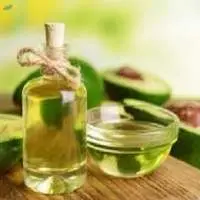
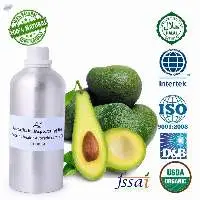
Avocado oil is the natural oil pressed from the pulp of an avocado. Almost 70% of avocado oil consists of heart-healthy oleic acid, a monounsaturated omega-9 fatty acid ( 1 , 2 , 3 ). This fatty acid is also the main component of olive oil and is believed to be partly responsible for its health benefits.
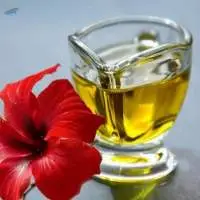
Hibiscus oil (Gudhal oil) is extracted from the flowers of the hibiscus Plant. hibiscus oil is a bright summery, exotic plant that has uses in medicine, beauty and hair care. Hibiscus flower is known for hair growth from dormant follicles. This helps to thicken your hair and add volume.
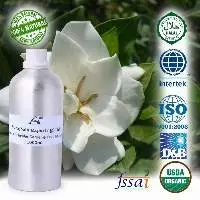
Gardenia plants from which the oil is extracted are prized for the strong sweet scent of their flowers that resemble white roses. Gardenia oil finds application in the perfumery industry for making romantic scents, perfumes and others.
It is a cross between citronella and palmarosa. It's origin is in India and it is widely grown in the southern parts of the country. The jamrosa oil is extracted from the highly aromatic jamrosa grass. This medium sized grass is of hybrid origin, being a cross between the palmarosa and citronella.
Camphor oil is the oil extracted from the wood of camphor trees and processed by steam distillation. It can be used topically to relieve pain, irritation, and itching. Camphor is also used to relieve chest congestion and inflammatory conditions. It has a strong odor and taste and is easily absorbed through the skin.
Cassia Oil is a dark brown, free-flowing liquid, with a strong, spicy, warm resinous odour. Cassia oil majorly contains cinnamic aldehyde, Eugenol and other terpenoids. The product is majorly used in beverages, pharmaceuticals and oral care.
Catnip Oil is made by steam distillation of Catnip Plant. It is commonly known as Cat Mint. Catnip tea's biggest health benefit is the calming effect that it can have on the body. Catnip contains nepetalactone, which is similar to the valepotriates found in a commonly used herbal , valerian.
Cinnamon oil is derived from the bark or leaves of several types of trees, including the Cinnamomum verum tree and the Cinnamomum cassia tree. Most commercially available cinnamon oil is derived from the Cinnamomum cassia tree and is called cassia cinnamon.
Armoise oil is extracted from Artemisia vulgaris of the Asteraceae (Compositae) family and is also known as Mugwort. This aromatic perennial herb has red-purple stems and deeply cut, dark green leaves with white undersides.
SKIN BENEFITS- Angelica Root essential oil has a sharp, green, herbaceous aroma with peppery overtones. It is well used by aromatherapists for its protective, soothing and rejuvenating effect on the skin, mind and body.
Anise Essential Oil possesses the distinctive aroma of black licorice. Although you may not be a fan of black licorice, a single drop or two of Anise Seed Essential Oil can dramatically enhance an otherwise dull blend. It can be useful in diffuser and inhaler blends intended to help ease bronchitis, colds and the flu.
Arnica is used topically for a wide range of conditions, including bruises, sprains, muscle aches, wound healing, superficial phlebitis, joint pain, inflammation from insect bites, and swelling from broken bones. More recent studies suggest it may also be helpful in the treatment of burns.
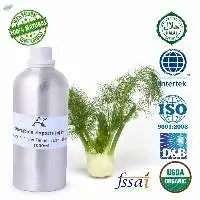
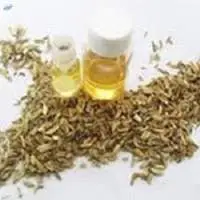
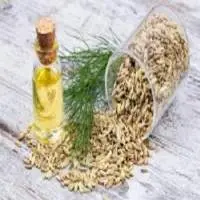
Fennel oil is obtained by steam distillation of the dried fruits of Foeniculum vulgare. The oil is pale yellow to brownish-yellow in colour. The product has a characteristic sweet, green, earthy, spicy note. Anethole and fenchone are major components in Fennel oil.
Fir needle essential oil is extracted through a process of steam distillation from fir needles. It is known for its fresh, woody, earthy, sweet aroma. The soothing nature of fir needle essential oil helps to ease up your pain while relaxing muscles.
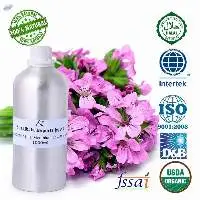
Geranium essential oil is derived by steam distillation of the leaves of Pelargonium graveolens, a plant species native to South Africa. According to folklore, it was used for a wide range of health conditions. Geranium oil is grown in many regions, including Europe and Asia.
Lavandin essential oil, while similar to Lavender, is not a true lavender. It is a cross between lavender (Lavandula angustifolia) which grows at higher altitudes and spike lavender (Lavandula latifolia) which grows lower on the hillsides. It has a very sweet and floral aroma similar to "true" Lavender.
Juniper Leaf Essential Oil is steam distilled from the wildcrafted fragrant needles of the Juniperus communis evergreen tree growing wild in the forests of India. Its uplifting and energizing aroma is wonderfully suited for inclusion in room sprays and diffuser formulations.
Fennel oleoresin is attributed with being an antiseptic, expectorant, carminative, laxative, diuretic, stimulant, stomachic. It is commonly used in food processing industry as a spice.
What is fennel oil?
Fennel oil is obtained by steam distillation of the dried fruits of Foeniculum vulgare. The oil is pale yellow to brownish-yellow in colour. The product has a characteristic sweet, green, earthy, spicy note. Anethole and fenchone are major components in Fennel oil
Fennel oil is a remedy for digestive complaints such as flatulence, constipation, colic, nausea, vomiting, anorexia, dyspepsia and hiccups. It is also used in cases of obesity, as it promotes that 'full feeling' and has a diuretic effect that helps to disperse cellulite
It is primarily used as perfume oil and can be used as a perfume base for floral blends. Mimosa maceration can uplift, energize while relaxing. It makes a great aphrodisiac. Mist onto bed sheets or pillows and add to a warm bath to enhance sensuality in the bedroom.
Green Tea Seed Oil is a light, non-greasy carrier oil that is quickly absorbed by the skin. It is rich in vitamins, minerals, and antioxidants, making it beneficial for an array of skin types, including acne-prone, aging, dry, and combination skin.
Macadamia oil is a clear, light-yellow liquid that comes from pressed macadamia nuts. It is a healthful oil that people use for cooking, and there may also be health benefits of using pure oil to moisturize the skin and condition the hair. Macadamia nuts grow on macadamia trees, which are native to Australia.
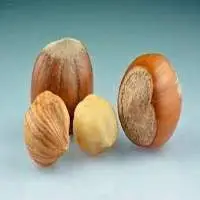
The hazelnut is the fruit of the hazel, small, round, cinnamon coloured shell and white-yellowish flesh, sweet flavoured and rich in oil. The fruit is consumed raw, roasted or as an ingredient for different product processing, mainly nougat and chocolate.
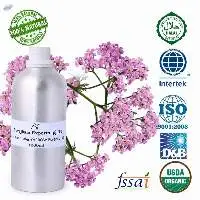
Description / Color / Consistency: A thin, clear, greenish to dark blue liquid. Aromatic Summary / Note / Strength of Aroma: A top note with a medium aroma, Yarrow is sweet and herbaceous, with spicy tones. Blends With: Angelica Root, Cedarwood, Pine, Myrrh, and Chamomile.
How would you describe orange fruit?
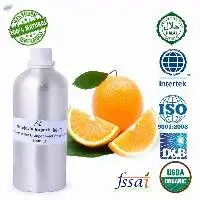
An orange has a tough shiny orange skin that holds acid in outside layer. Inside, the fruit is divided into "segments", which have thin tough skins that hold together many little sections with juice inside. There are usually ten segments in an orange, but sometimes there are more or less.
What does sweet orange taste like?
The orange has a sweet-tart taste and is commonly peeled and eaten fresh, or squeezed for its juice. It has a thick, bitter rind that is usually discarded, but can be used in cooking. The outermost layer of the rind can be scraped off to make zest, having a similar flavor to the flesh.
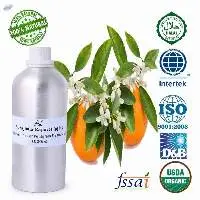
Petitgrain oil is taken from the tree's twigs and leaves and steam distilled to produce a refreshing, floral, and herbaceous essential oil. Neroli essential oil is derived from the blossoms of the bitter orange tree, and bitter orange essential oil comes from the rinds of the fruit through the process of expression.
11101 Essential Oils Suppliers
Short on time? Let Essential Oils sellers contact you.