Mustard Seeds are small, round oil-rich seeds obtained from the mustard plant (Brassica species). They are widely used as a spice and condiment in cooking, known for their pungent aroma and sharp, slightly spicy flavor when crushed or heated.
Key Specifications
Product Type : Whole Mustard Seeds
Varieties : Yellow Mustard, Brown Mustard, Black Mustard
Color : Yellow, golden brown, to dark brown/black
Shape: Small, round seeds
Aroma & Flavor: Pungent, sharp, and slightly spicy
Moisture Content : Less than 8 - 10%
Purity: 99% clean, machine sorted or sortex cleaned
Oil Content: Approx. 35%- 45% (rich in natural oil)
Storage Conditions: Cool, dry place away from moisture and sunlight
Applications: Cooking, pickles, seasoning, spice blends, oil extraction, food processing, export
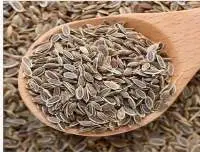
Dill Seeds have a much more potent flavor, similar to a combination of anise and celery. The flat, yellow flowers umbels of late summer give way to the seeds in fall. Dill seed has a camphorous, slightly bitter flavor and has a delicate flavor.Dill seeds are antioxidants and these plant compounds have been associated with a reduced risk of heart disease, stroke, and some forms of cancer.
Dill seed are aromatic spice seeds widely used in culinary applications, pickling, seasoning blends, and traditional herbal preparations. They have a slightly bitter, warm, and citrus-like flavor and are commonly used in Indian, European, and Middle Eastern cuisines.
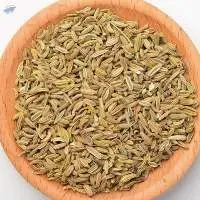
Ajwain (Carom Seeds) is a highly aromatic spice obtained from the seeds of the Trachyspermum ammi plant. Known for its strong, thyme-like aroma and pungent flavor, ajwain is widely used in Indian, Middle Eastern, and Asian cuisines.
Key Specifications
Product Type : Whole Ajwain Seeds (Carom Seeds)
Botanical Name : Trachyspermum ammi
Color : Grayish-green to brown
Shape : Small, oval-shaped ridged seeds
Aroma & Flavor : Strong, pungent, thyme-like, and slightly bitter
Moisture Content : Less than 8 - 10%
Purity : 99% - 99.5% machine-cleaned or sortex cleaned
Essential Oil Content: Approx. 2% - 5%
Active Compound : Thymol
Shelf Life : 12- 24 months
Storage Conditions : Cool, dry place away from moisture and direct sunlight
Applications: Cooking, spice blends, snacks, bakery products, pickles, herbal medicines, food processing, export
Toothpaste
In Kerala, India, charcoal from Rice husks (Umikari in Malayalam) were universally used for over centuries in cleaning teeth, before toothpaste replaced it.
Brewing
Rice hulls can be used in brewing beer to increase the lautering ability of a mash.
Fertilizer and substrate
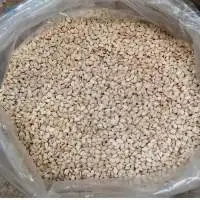
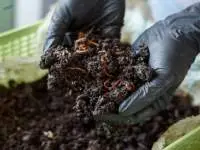
Rice hulls can be composted, but their high lignin content can make this a slow process. Sometimes earthworms are used to accelerate the process. Using vermicomposting techniques, hulls can be converted to fertilizer in about four months.
Rice hulls that are parboiled (PBH) are used as a substrate or medium for gardening, including certain hydrocultures. The hulls decay over time. Rice hulls allow drainage, and retain less water than growstones. It has been shown that rice hulls do not affect plant growth regulation.
Juice extraction
Rice hulls are used as a "press aid" to improve extraction efficiency of apple pressing.
Pet food fiber
Rice hulls are an inexpensive byproduct of human food processing, serving as a source of fiber that is considered a filler ingredient in pet foods.
Pillow stuffing
Rice hulls are used as pillow stuffing. The pillows are loosely stuffed and considered therapeutic as they retain the shape of the head.
Insulating material
Rice hulls themselves are a class A thermal insulating material because they are difficult to burn and less likely to allow moisture to propagate mold or fungi.It is also used as roofing after mixing it with mud and water.
Particle boards and cardboard
Rice hulls are also used to make particle boards and cardboard. The silica in rice husk make the particle boards less attractive to termites.
Toothpaste: In Kerala, India, charcoal from Rice husks (Umikari in Malayalam) were universally used for over centuries in cleaning teeth, before toothpaste replaced it.
Brewing: Rice hulls can be used in brewing beer to increase the lautering ability of a mash.
Fertilizer and substrate: Rice hulls can be composted, but their high lignin content can make this a slow process. Sometimes earthworms are used to accelerate the process. Using vermicomposting techniques, hulls can be converted to fertilizer in about four months.
In Kerala, India, charcoal from Rice husks (Umikari in Malayalam) were universally used for over centuries in cleaning teeth, before toothpaste replaced it.
Brewing
Rice hulls can be used in brewing beer to increase the lautering ability of a mash.
Fertilizer and substrate
Rice hulls can be composted, but their high lignin content can make this a slow process. Sometimes earthworms are used to accelerate the process. Using vermicomposting techniques, hulls can be converted to fertilizer in about four months.
Rice hulls that are parboiled (PBH) are used as a substrate or medium for gardening, including certain hydrocultures. The hulls decay over time. Rice hulls allow drainage, and retain less water than growstones. It has been shown that rice hulls do not affect plant growth regulation.
Juice extraction
Rice hulls are used as a \"press aid\" to improve extraction efficiency of apple pressing.
Pet food fiber
Rice hulls are an inexpensive byproduct of human food processing, serving as a source of fiber that is considered a filler ingredient in pet foods.
Pillow stuffing
Rice hulls are used as pillow stuffing. The pillows are loosely stuffed and considered therapeutic as they retain the shape of the head.
Insulating material
Rice hulls themselves are a class A thermal insulating material because they are difficult to burn and less likely to allow moisture to propagate mold or fungi.It is also used as roofing after mixing it with mud and water.
Particle boards and cardboard
Rice hulls are also used to make particle boards and cardboard. The silica in rice husk make the particle boards less attractive to termites.
In Kerala, India, charcoal from Rice husks (Umikari in Malayalam) were universally used for over centuries in cleaning teeth, before toothpaste replaced it.
Brewing
Rice hulls can be used in brewing beer to increase the lautering ability of a mash.
Fertilizer and substrate
Rice hulls can be composted, but their high lignin content can make this a slow process. Sometimes earthworms are used to accelerate the process. Using vermicomposting techniques, hulls can be converted to fertilizer in about four months.
Rice hulls that are parboiled (PBH) are used as a substrate or medium for gardening, including certain hydrocultures. The hulls decay over time. Rice hulls allow drainage, and retain less water than growstones. It has been shown that rice hulls do not affect plant growth regulation.
Juice extraction
Rice hulls are used as a "press aid to improve extraction efficiency of apple pressing.
Pet food fiber
Rice hulls are an inexpensive byproduct of human food processing, serving as a source of fiber that is considered a filler ingredient in pet foods.
Pillow stuffing
Rice hulls are used as pillow stuffing. The pillows are loosely stuffed and considered therapeutic as they retain the shape of the head.
Insulating material
Rice hulls themselves are a class A thermal insulating material because they are difficult to burn and less likely to allow moisture to propagate mold or fungi.It is also used as roofing after mixing it with mud and water.
Particle boards and cardboard
Rice hulls are also used to make particle boards and cardboard. The silica in rice husk make the particle boards less attractive to termites.
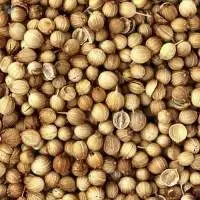
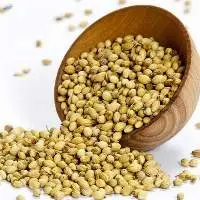
Coriander is a widely used spice obtained from the dried seeds of the Coriandrum sativum plant. Coriander seeds are used whole or ground into powder for curries, spice blends, pickles, sauces, and food processing applications.
Key Specifications
Product Type : Whole Coriander Seeds
Color : Light brown to yellowish-brown
Shape : Round, ribbed seeds
Aroma: Mild, fresh, citrusy, and aromatic
Flavor: Warm, slightly sweet, nutty, and citrus-like
Moisture Content: Less than 10 - 12%
Purity : 99% - 99.5% machine-cleaned or sortex cleaned
Essential Oil Content: Approx. 0.2% - 1.5%
Shelf Life: 12 - 24 months
Storage Conditions: Store in a cool, dry place away from moisture and direct sunlight
Applications: Cooking, spice blends, pickles, food processing, herbal products, pharmaceuticals, export
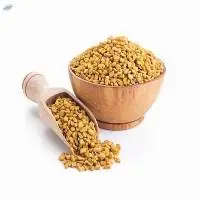
Fenugreek Seeds are small, golden-brown seeds obtained from the Trigonella foenum-graecum plant. They are widely used as a spice, herbal ingredient, and medicinal seed due to their slightly bitter taste and strong aroma.
Key Specifications
Product Type : Whole Fenugreek Seeds
Botanical Name : Trigonella foenum-graecum
Color : Golden yellow to light brown
Shape : Small, hard, angular seeds
Aroma & Flavor: Strong, bitter, and slightly sweet aftertaste
Moisture Content: Less than 8 - 10%
Purity : 99% - 99.5% machine-cleaned or sortex cleaned
Oil Content: Approx. 6%- 8%
Protein Content: Rich source of plant protein
Shelf Life: 12 - 24 months
Storage Conditions: Cool, dry place away from moisture and sunlight
Applications: Cooking, pickles, spice blends, herbal medicine, food processing, animal feed, export
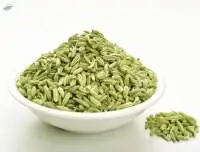
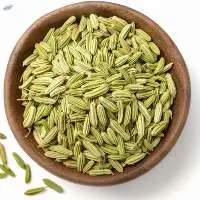
Fennel (Saunf) is an aromatic spice obtained from the dried seeds of the Foeniculum vulgare plant. Fennel seeds are commonly used as a mouth freshener, digestive aid, and key ingredient in spice blends, bakery products, pickles, and traditional medicines.
Key Specifications
Product Type : Whole Fennel Seeds
Varieties : Green Fennel, Bold Fennel, Scooter Fennel
Color : Light green to yellowish green
Shape : Oval, ridged seeds
Aroma & Flavor : Sweet, aromatic, and slightly licorice-like
Moisture Content : Less than 10 - 12%
Purity : 99%- 99.5% machine-cleaned or sortex cleaned
Volatile Oil Content: Approx. 1- 4%
Shelf Life: 12- 24 months
Storage Conditions: Cool, dry place away from sunlight and moisture
Applications: Cooking, mouth fresheners, bakery, spice blends, beverages, pharmaceuticals, food processing, export
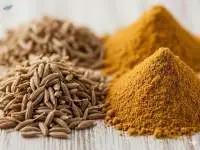
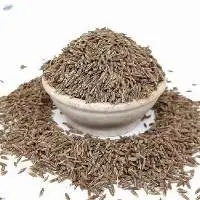
Cumin Seed is a popular spice derived from the dried seeds of the Cuminum cyminum plant. It is widely used in cooking for its warm, earthy aroma and slightly peppery, nutty flavor. Cumin seeds are an essential ingredient in Indian, Middle Eastern, Mexican, and Mediterranean cuisines.
Key Specifications
Product Type: Whole Cumin Seeds
Varieties: European Cumin, Indian Cumin (Jeera), Persian Cumin
Color: Brownish yellow to greenish brown
Shape: Small, elongated, ridged seeds
Aroma & Flavor: Warm, earthy, slightly bitter, and nutty
Moisture Content: Less than 10 - 12%
Volatile Oil Content: Approx. 2 - 5% (varies by grade)
Purity: 99% - 99.5% clean, machine-cleaned or sortex cleaned
Storage Conditions: Cool, dry place away from sunlight and moisture
Applications: Cooking, spice blends, pickles, bakery, pharmaceuticals, food processing, export
India is the largest producer, consumer and exporter of Cumin Seed. is the dried, pulverized fruit of one or more varieties of chili pepper. Chili powder is very commonly seen in traditional Latin American, west Asian and east European cuisines. It is used in soups, tacos, enchiladas, fajitas, curries and meat.
Cumin, commonly known as cumin seed, is a popular spice widely used in cooking, seasoning, and spice blends around the world. It has a warm, earthy flavor and strong aroma, making it an essential ingredient in Indian, Middle Eastern, Mexican, and Asian cuisines.
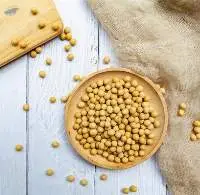
Our main supply source for soybeans and other grains is Brazil and other Latin Countries., Competitive prices are offered, certificates of origin and quality compliance are provided, with each shipment. We are aware of the recently ruled imports of soybeans in some, countries and we comply with all imposed import-export standards accordingly. SPECIFICATION as per buyers requirement.