![Pashmina Handcrafted Ladies Shawls And Scarf]()
A pashmina shawl is a luxury textile product meticulously handcrafted from the fine undercoat wool of the Changthangi goat, native to the high-altitude regions of Ladakh, India. The key characteristics and detailed description of a genuine pashmina shawl are:
Material: Made from pure pashmina wool, which has fibers measuring only 12-16 microns in diameter finer than human hair giving the shawl unmatched softness, lightness, and a delicate drape.
Texture and Feel: Feels incredibly soft to the touch, feather-light, and luxurious, yet provides remarkable warmth due to the wool's natural insulating properties.
Warmth & Breathability: Pashmina shawls are highly insulating and breathable; they keep the wearer warm in cold climates and comfortable in milder weather, thanks to the natural crimp and moisture-wicking attributes of pashmina fibers.
Craftsmanship: Traditionally handwoven using time-honored techniques. The wool is hand-spun with simple tools, often naturally dyed, and then woven by skilled artisans. Many shawls feature intricate hand embroidery (such as Kani, Sozni, and Aari), with delicate floral or paisley motifs. Creating one embroidered pashmina shawl can take several weeks or even months.
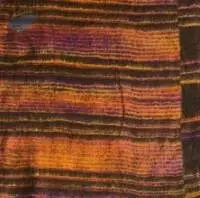
Appearance: Authentic pashmina shows a natural sheen and slight irregularities in weave, evidencing its handmade origin. Shawls are usually available in natural hues or vibrant colors, sometimes adorned with detailed embroidery or classic Kashmiri patterns.
Sizes: Common sizes include standard shawl (about 80" x 40"), stole (80" x 28"), or gents shawl (100" x 50").
Durability: Despite its fine texture, pashmina is strong andâ??if cared for properly can last for decades, sometimes becoming valuable family heirlooms.
Cultural Value: Rooted in Kashmiri culture, pashmina shawls have historically symbolized elegance, luxury, and status, cherished by royalty and dignitaries across the world.
Eco-friendly and Handmade: Being 100% natural, biodegradable, and artisan-crafted, each pashmina supports sustainable practices and preserves centuries-old heritage skills.
Exclusivity: The rarity of the raw material, extremely limited annual yield, and exhaustive manual production process contribute to the high price and exclusivity of genuine pashmina shawl