Overview
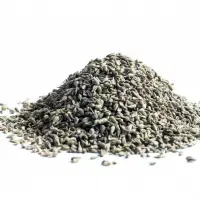
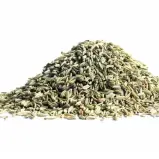
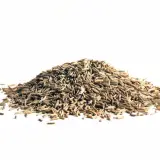
Anise Seed is related to cumin and fennel. It is an annual plant that is indigenous to the Eastern Mediterranean region and cultivated in parts of the world. It is very often used in Middle Eastern cooking, particularly in dishes that contain vegetables as the basis of the flavours. Anise Seed is not related to star anise.
Common Uses
The licoricey taste of Anise Seed is most commonly used to make liqueurs such as Ouzo, Anisete and Pernod. It is widely used in cake baking and cookies, such as Italian biscotti. Citrus fruits in its fresh form are elevated with a sprinkle of Anise Seeds. It complements dark breads and is often used in chutneys.
Recommended Storage
The most important point is that dried herbs and spices can never go bad if they are kept dry. Yes, the potency is lost, but it will still influence the flavor of your cooking.
Seeds, roots, leaves and flowers last longer than crushed or ground herbs and spices. When you are preparing to store your dry herbs and spices it is vital that they are completely dry. A good indication is to rub it with your finger to check if it crumbles. As oxygen degrades dried herbs and spices over time, you should store them in airtight containers. Glass jars with sealable lids are perfect, and so are metal tins. Plastic won't do for long terms storage. Sunlight also degrades dried herbs and spices; therefore, it should be stored in a dark cabinet that is both cool and dry. If your spice rack is near the stove or cooker, steam will degrade your herbs and spices each time you open the container while cooking. When buying in bulk, you should always store only some of the dried herbs and spices in a glass or metal container. Each time you open it, it is exposed to the elements. When buying in bulk it is useful to label your containers with the purchase date and discard date.
Overview
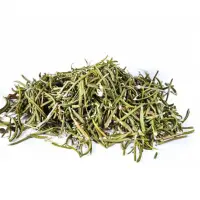
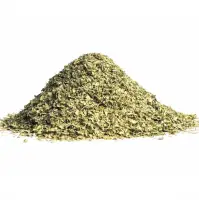
The spiky leaves of Rosemary are perhaps as old as time. It has been used for flavouring of wines, waters and of course edible dishes too. Hotels often go the rustic route by placing a small bundle of rosemary and lavender on pillows, whereas rustic restaurants stick a handful of rosemary in a tiny pot as table decoration. This evergreen shrub is relatively easy to grow, and it is processed in the Middle East.
Common Uses
The perfect culinary marriage is lamb and rosemary. Every chef will confess to that. Rosemary is also used to add flavour to chicken dishes, especially stuffing, and its pine like taste is perfect in sausages too. It most definitely elevates vegetable stews, vegetable roasts and tomato dishes. Rosemary is often used in breads and even sweet baked goods.
Recommended Storage
The most important point is that dried herbs and spices can never go bad if they are kept dry. Yes, the potency is lost, but it will still influence the flavor of your cooking.
Seeds, roots, leaves and flowers last longer than crushed or ground herbs and spices. When you are preparing to store your dry herbs and spices it is vital that they are completely dry. A good indication is to rub it with your finger to check if it crumbles. As oxygen degrades dried herbs and spices over time, you should store them in airtight containers. Glass jars with sealable lids are perfect, and so are metal tins. Plastic won't do for long terms storage. Sunlight also degrades dried herbs and spices; therefore, it should be stored in a dark cabinet that is both cool and dry. If your spice rack is near the stove or cooker, steam will degrade your herbs and spices each time you open the container while cooking. When buying in bulk, you should always store only some of the dried herbs and spices in a glass or metal container. Each time you open it, it is exposed to the elements. When buying in bulk it is useful to label your containers with the purchase date and discard date.
Overview
Fennel essential oil is used for various health aids such as the aid of constipation, digestive issues such as heartburn and bloating, and colic in infants.
Common Uses
Fennel oil is known to be very potent and should always be diluted before use. The strong aroma is also very overpowering in its raw form. It is suggested to add a few drops of the essential oil to boiled water and consume it. When giving it to infants, a very limited amount should be used each time.
Fennel essential oil can also be used in baking of breads for the aroma.
Recommended Storage
The ideal storage of essential oils is to keep it refrigerated, as the fridge keeps the components that make up the oils at their optimal levels. If you don't have space in the fridge, you can keep it in a cool, dark place. Essential oils have a shelf life of one to five years. You should however replace essential oils after three years to gain the most benefits out of the essential oils.
Overview
Dry lemon is sundried until all its water content is dried up. It is used whole, sliced or ground and a very popular spice in Middle Eastern cooking as a souring agent.
Common Uses
Dry lemon is used for its acidity in chutneys, soups and stews. In the Middle East it is even ground into dough for flatbreads. It is used in meat dishes as well as bean-based dishes. The powder can also be added to rice. It is an essential ingredient in Persian cooking.
Recommended Storage
The most important point is that dried herbs and spices can never go bad if they are kept dry. Yes, the potency is lost, but it will still influence the flavor of your cooking.
Seeds, roots, leaves and flowers last longer than crushed or ground herbs and spices. When you are preparing to store your dry herbs and spices it is vital that they are completely dry. A good indication is to rub it with your finger to check if it crumbles. As oxygen degrades dried herbs and spices over time, you should store them in airtight containers. Glass jars with sealable lids are perfect, and so are metal tins. Plastic won't do for long terms storage. Sunlight also degrades dried herbs and spices; therefore, it should be stored in a dark cabinet that is both cool and dry. If your spice rack is near the stove or cooker, steam will degrade your herbs and spices each time you open the container while cooking. When buying in bulk, you should always store only some of the dried herbs and spices in a glass or metal container. Each time you open it, it is exposed to the elements. When buying in bulk it is useful to label your containers with the purchase date and discard date.
Overview
Fennel Seed is a small elongated seed that is both used whole or ground and is identified by its licoricey flavour. It is native to the Mediterranean region, but also grown and processed in the Middle East. In India, it is most welcoming to receive a bowl of fennel seeds with small sugar crystals after a meal is paid for. It freshens the breath and leaves the mouth with that licoricey smell.
Common Uses
Fennel seeds can be used whole or ground in a wide array of meat and fish dishes. It also adds unique flavours to vegetarian dishes such as dahls, grain pilafs and vegetable curries. Italian cuisine benefits from fennel seeds by adding it to breads and meaty stews. It is not only limited to savoury dishes, no, fruit salads with a sprinkle of fennel seeds makes for quite a taste sensation. Homemade crackers with a sprinkle of fennel seed is quite delicious too.
Recommended Storage
The most important point is that dried herbs and spices can never go bad if they are kept dry. Yes, the potency is lost, but it will still influence the flavor of your cooking.
Seeds, roots, leaves and flowers last longer than crushed or ground herbs and spices. When you are preparing to store your dry herbs and spices it is vital that they are completely dry. A good indication is to rub it with your finger to check if it crumbles. As oxygen degrades dried herbs and spices over time, you should store them in airtight containers. Glass jars with sealable lids are perfect, and so are metal tins. Plastic won't do for long terms storage. Sunlight also degrades dried herbs and spices; therefore, it should be stored in a dark cabinet that is both cool and dry. If your spice rack is near the stove or cooker, steam will degrade your herbs and spices each time you open the container while cooking. When buying in bulk, you should always store only some of the dried herbs and spices in a glass or metal container. Each time you open it, it is exposed to the elements. When buying in bulk it is useful to label your containers with the purchase date and discard date.
Overview
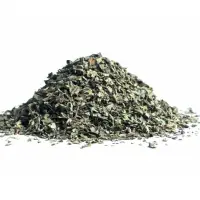
The use of parsley has been recorded in history since the Roman times. Since then, until now, it serves as a garnish to almost every savoury dish. It is cultivated worldwide, and although the leaves variate from one region to the next, the taste remains very similar. North Africa and the Middle East are mass processors of parsley in its dry form.
Common Uses
Parsley in its dry form can be added to mixed herbs spices used in meat rubs, vinaigrettes, bean dishes and vegetable soups. It complements egg dishes, roasted vegetables and herb breads very well. Most Italian dishes are enhanced with parsley in the form of mixed herbs blends. Parsley is often described as the perfect experimental herb as it more commonly adds flavour than overpowers due to its subtle aroma and flavour and can handle long cooking times.
Recommended Storage
The most important point is that dried herbs and spices can never go bad if they are kept dry. Yes, the potency is lost, but it will still influence the flavor of your cooking.
Seeds, roots, leaves and flowers last longer than crushed or ground herbs and spices. When you are preparing to store your dry herbs and spices it is vital that they are completely dry. A good indication is to rub it with your finger to check if it crumbles. As oxygen degrades dried herbs and spices over time, you should store them in airtight containers. Glass jars with sealable lids are perfect, and so are metal tins. Plastic won't do for long terms storage. Sunlight also degrades dried herbs and spices; therefore, it should be stored in a dark cabinet that is both cool and dry. If your spice rack is near the stove or cooker, steam will degrade your herbs and spices each time you open the container while cooking. When buying in bulk, you should always store only some of the dried herbs and spices in a glass or metal container. Each time you open it, it is exposed to the elements. When buying in bulk it is useful to label your containers with the purchase date and discard date.
Common Uses
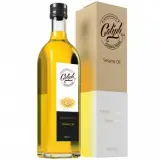
Sesame essential oil can be added to foods such as Asian inspired stews, soups and stir fries. It can also be added to breads to uplift that distinct nutty taste. The regular intake of Sesame oil also promotes healthy bones and it is known to promote good mouth hygiene. A daily intake of Sesame oil also promotes regular bowel movements.
Recommended Storage
The ideal storage of essential oils is to keep it refrigerated, as the fridge keeps the components that make up the oils at their optimal levels. If you don't have space in the fridge, you can keep it in a cool, dark place. Essential oils have a shelf life of one to five years. You should however replace essential oils after three years to gain the most benefits out of the essential oils
Overview
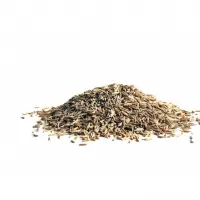
It is said that Caraway seeds are the oldest and longest used spice in Europe, dating back to Egypt in 1552BC. Caraway seeds are cultivated from a slender biennial plant that is native to the Middle Eastern, Asian and Central European regions. It is thus also widely used in these regions cooking, whether whole or ground. This herb's use can be found in many historical writings.
Common Uses
Caraway seeds are most importantly used in flavouring rye breads, biscuits, bread sticks, cakes and cheeses. It is an essential ingredient of soda bread. It is used in pickling and during the fermenting process of dishes such as sauerkraut. In North India, a curry wouldn't be perfect without its addition, nor would harissa pastes in North Africa. Caraway seeds are furthermore the main ingredients in liqueurs such as schnapps and aquavit. It is also a flavour booster for root vegetables and potatoes.
Recommended Storage
The most important point is that dried herbs and spices can never go bad if they are kept dry. Yes, the potency is lost, but it will still influence the flavor of your cooking.
Seeds, roots, leaves and flowers last longer than crushed or ground herbs and spices. When you are preparing to store your dry herbs and spices it is vital that they are completely dry. A good indication is to rub it with your finger to check if it crumbles. As oxygen degrades dried herbs and spices over time, you should store them in airtight containers. Glass jars with sealable lids are perfect, and so are metal tins. Plastic won't do for long terms storage. Sunlight also degrades dried herbs and spices; therefore, it should be stored in a dark cabinet that is both cool and dry. If your spice rack is near the stove or cooker, steam will degrade your herbs and spices each time you open the container while cooking. When buying in bulk, you should always store only some of the dried herbs and spices in a glass or metal container. Each time you open it, it is exposed to the elements. When buying in bulk it is useful to label your containers with the purchase date and discard date.
Overview
Basil is a native herb of the Middle East and very widely used in both is region's cuisine as well as Mediterranean dishes. Egypt and Turkey are the main producers and processors of basil. Its strong, pungent taste compliments many dishes, both savoury and sweet, and is a perfect marriage to tomato dishes. Basil is one of the most legendary herbs, sold in large quantities.
Common Uses
Basil is one of the most widely used herbs and is essential to Mediterranean and Arabic Cuisine. In its dry form, it is perfect in soups, vinaigrettes, grains, marinades, egg dishes and breads. Tomato dishes are taken to a whole new level when dried basil is added. This herb also complements both chicken and meat dishes by adding it to the overall spice mix. A sprinkle of dried basil is a perfect finishing touch to a pasta dish.
Recommended Storage
The most important point is that dried herbs and spices can never go bad if they are kept dry. Yes, the potency is lost, but it will still influence the flavor of your cooking.
Seeds, roots, leaves and flowers last longer than crushed or ground herbs and spices. When you are preparing to store your dry herbs and spices it is vital that they are completely dry. A good indication is to rub it with your finger to check if it crumbles. As oxygen degrades dried herbs and spices over time, you should store them in airtight containers. Glass jars with sealable lids are perfect, and so are metal tins. Plastic won't do for long terms storage. Sunlight also degrades dried herbs and spices; therefore, it should be stored in a dark cabinet that is both cool and dry. If your spice rack is near the stove or cooker, steam will degrade your herbs and spices each time you open the container while cooking. When buying in bulk, you should always store only some of the dried herbs and spices in a glass or metal container. Each time you open it, it is exposed to the elements. When buying in bulk it is useful to label your containers with the purchase date and discard date.
Overview
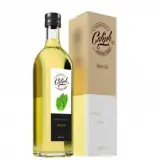
Mint oil is a very common flavouring in baking of both sweet and savoury dishes. It is added to chocolaty desserts, breads, stews and even in teas. Mint oil is perhaps one of the most popular essential oils when it comes to health benefits, with its soothing and healing properties.
Common Uses
Mint oil is used for muscle pain relief and muscle spasms. By adding a few drops to the affected area and massaging it, it brings instant relief to muscle pains. Stomach pain can also be relieved by consuming some mint oil, by dropping a few drops on the tongue. Many essential oils are great bug repellents. It can be used in a diffuser or rubbed on the skin. Mint oil is also a great substance for sunburn relief as it is a natural coolant. By massaging some mint essential oil, mixed with lotion or coconut oil, on the skin, one will feel instant cooling. The other health benefits include cold and flu remedies, soothing of sore throats, chest rubs for coughs and an aid to reduce fever.
Recommended Storage
The ideal storage of essential oils is to keep it refrigerated, as the fridge keeps the components that make up the oils at their optimal levels. If you don't have space in the fridge, you can keep it in a cool, dark place. Essential oils have a shelf life of one to five years. You should however replace essential oils after three years to gain the most benefits out of the essential oils.
Overview
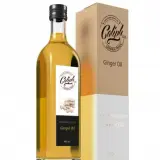
Not many people are keen on grating fresh ginger into recipes as it may leave behind some of the stocky substance. Ginger essential oil is therefore a very handy substitute for cooking with ginger.
Common Uses
Ginger oil can be used in baking such as banana breads, ginger biscuits, fruit pies and so forth. It can also be added to tea with a slice of lemon.
The health benefits of ginger essential oil are also plenty. Ginger is known to aid with nausea, sore gut and cramps. It also reliefs the symptoms of bloating and discomfort of the gut.
Ginger oil can also be used in a diffuser to create a spicy aroma in the house.
Recommended Storage
The ideal storage of essential oils is to keep it refrigerated, as the fridge keeps the components that make up the oils at their optimal levels. If you don't have space in the fridge, you can keep it in a cool, dark place. Essential oils have a shelf life of one to five years. You should however replace essential oils after three years to gain the most benefits out of the essential oils
Overview
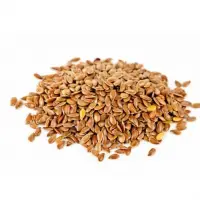
Flaxseeds are considered one of the world's first super foods and have been consumed for over 6000 years. These seeds are packed with fibre, fatty acids, and fights cancer, cardiovascular problems. It is easily considered one of the healthiest foods on the planet.
Common Uses
Flaxeeds on their own aren't necessarily the most exciting meal, but it makes great breakfast dishes. It can be cooked like one would cook oatmeal and served the same way. It can also be added in smoothies to add a nutty flavor. Flaxseeds are also added to breads and salads. In the Middle East, these seeds are added to meat dishes to create a substantial meal.
Recommended Storage
The most important point is that dried herbs and spices can never go bad if they are kept dry. Yes, the potency is lost, but it will still influence the flavor of your cooking.
Seeds, roots, leaves and flowers last longer than crushed or ground herbs and spices. When you are preparing to store your dry herbs and spices it is vital that they are completely dry. A good indication is to rub it with your finger to check if it crumbles. As oxygen degrades dried herbs and spices over time, you should store them in airtight containers. Glass jars with sealable lids are perfect, and so are metal tins. Plastic won't do for long terms storage. Sunlight also degrades dried herbs and spices; therefore, it should be stored in a dark cabinet that is both cool and dry. If your spice rack is near the stove or cooker, steam will degrade your herbs and spices each time you open the container while cooking. When buying in bulk, you should always store only some of the dried herbs and spices in a glass or metal container. Each time you open it, it is exposed to the elements. When buying in bulk it is useful to label your containers with the purchase date and discard date.
Overview
The Cumin Seed plant is related to parsley and is indigenous to the Mediterranean region. These seeds have pungent lemon flavours to them and are most often used in ground form. It is a very fundamental ingredient in Middle Eastern and Indian cooking and makes it a favourite seasoning in several ethnic cuisines.
Common Uses
Ground cumin seeds are very often used in Spanish, Mexican, Middle Eastern and Mediterranean cookpots. It is added in bean stews, vegetable stews, lentils, dahls and tomato-based sauces. In Europe cumin seeds are very regularly added to breads, such as breadsticks and cornbread. In India it is almost always a component of a good curry in fact it is part of garam masala. Cumin can also be used to flavour cheeses.
Recommended Storage
The most important point is that dried herbs and spices can never go bad if they are kept dry. Yes, the potency is lost, but it will still influence the flavor of your cooking.
Seeds, roots, leaves and flowers last longer than crushed or ground herbs and spices. When you are preparing to store your dry herbs and spices it is vital that they are completely dry. A good indication is to rub it with your finger to check if it crumbles. As oxygen degrades dried herbs and spices over time, you should store them in airtight containers. Glass jars with sealable lids are perfect, and so are metal tins. Plastic won't do for long terms storage. Sunlight also degrades dried herbs and spices; therefore, it should be stored in a dark cabinet that is both cool and dry. If your spice rack is near the stove or cooker, steam will degrade your herbs and spices each time you open the container while cooking. When buying in bulk, you should always store only some of the dried herbs and spices in a glass or metal container. Each time you open it, it is exposed to the elements. When buying in bulk it is useful to label your containers with the purchase date and discard date
EUR edible wheat 600.000 tons
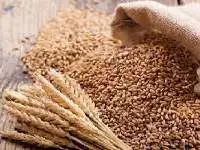
We sell Wheat to serious buyers all over the world at competitive prices. offer fresh wheat that is a perfect choice for wholesome nutrition. Wheat Grains are a staple food used to make flour for leavened, flat, steamed breads, Biscuits, cookies, cakes, breakfast cereal, pasta, noodles, couscous and for fermentation to make and other alcoholic beverages. The wheat seeds offered by us are of superior quality the wheat seeds are provided in quality packaging and are customized as per the requests of the clients. Wheat are used in various culinary dishes and made available by us at the most.
Now e.g. you have 600,000 tons of table wheat in stock! Our own photo of our wheat is attached!Ã? For sale Edible Wheat Eur1 quality .Ã? MOQ 12.500 MTonn delivered to any seaport. Minimum 26% gluten content, autumn variety, 2021 year, Thunder wheat, preferred by bakeries, confectioners. From our Slovak-German company. So the origin of the wheat: Eu!Ã?Â
We can deliver the requested amount� 12.500 -130.000 Mt/month or Year� to the� any sea Port ,� with our own ships .� We deliver in bulk. (Wheat delivered in 50 kg bags costs considerably more ! )
Our soft pricesÃ? CIF RijekaÃ? :Ã? Wheat edible EUR 1quality ;Ã?Â
Cif : 354 USDÃ? Ã?Â
NGMO edible Wheat brasilian; Barley� ; Feed corn Delivery time 10 days with our own ships 12.500-100.000 Mt.
Need from the buyer : ICPO, POF.Ã?Â
and fresh loi.
FOB 385
Cif 355 USD/ Mt
Payment: DLC,SBLC Transferable, divorsable
You are ready please send us your consignee details listed below; in order for us to prepare your Purchase Contract
After receipt of payment we shall immediately move forward to pack and ship your goods
You are ready� please send us your consignee details listed below; in order for us to prepare your Purchase Contract
Company Name:
Company Address:
Phone Number:
Representative:
Name:
Product Name:
Product Quantity:
Packing Preference:
Discharge Port (City, Country):
We look forward to establishing and strengthening our business relationship with you.
For price and other details please share LOI and company profile. Payment Term - LC.
Please inquire about current prices.
Thank you and have a blessed day.
Overview
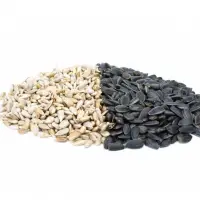
Sunflower Seeds are a unique food source. It provides a healthy source of essential oils and an excellent source of fibre. It is perhaps the most commonly available seed on the market.
Common Uses
Sunflower seeds can be eaten whole while raw or cooked. It is often added to the top of breads and even cakes. Sunflower seeds are found in trail mixes and breakfast foods. In the Middle East, it is consumed as a snack whether salted or unsalted.
Recommended Storage
The most important point is that dried herbs and spices can never go bad if they are kept dry. Yes, the potency is lost, but it will still influence the flavor of your cooking.
Seeds, roots, leaves and flowers last longer than crushed or ground herbs and spices. When you are preparing to store your dry herbs and spices it is vital that they are completely dry. A good indication is to rub it with your finger to check if it crumbles. As oxygen degrades dried herbs and spices over time, you should store them in airtight containers. Glass jars with sealable lids are perfect, and so are metal tins. Plastic won't do for long terms storage. Sunlight also degrades dried herbs and spices; therefore, it should be stored in a dark cabinet that is both cool and dry. If your spice rack is near the stove or cooker, steam will degrade your herbs and spices each time you open the container while cooking. When buying in bulk, you should always store only some of the dried herbs and spices in a glass or metal container. Each time you open it, it is exposed to the elements. When buying in bulk it is useful to label your containers with the purchase date and discard date.