Frequently Asked Questions (FAQs)
1. What are the main types of sesame seeds traded internationally?
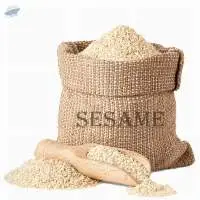
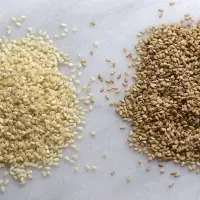
The most commonly traded sesame seeds are white hulled sesame, brown and black sesame seeds.
2. Which countries are the largest exporters of sesame seeds?
The largest exporters of sesame seeds by shipment are India, Pakistan and Nigeria.
3. What is the best time to source sesame seeds?
The best time is immediately after harvest, typically October to January, when supply is high, and sesame seeds wholesale prices are most competitive. Quality and availability are also better during this period.
4. What is the difference between hulled and natural sesame seeds?
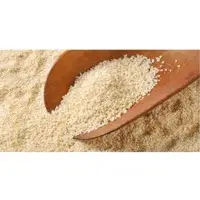
Hulled sesame seeds have the outer shell removed and are lighter in color, ideal for bakery and confectionery. Natural (unhulled) sesame seeds retain the husk, offering higher fibre and stronger flavor.
5. How do I verify the quality of sesame seeds before purchasing?
Check lab test reports, request pre-shipment inspection, and review parameters like moisture, purity, oil content, and absence of contaminants from verified sesame seed suppliers.
6. What are the standard quality requirements for sesame seeds?
Export-quality sesame seeds typically require 98–99.95% purity, =7% moisture, uniform color, and compliance with food safety regulations of the importing count
7. Do buyers require ETO or steam sterilisation for sesame seeds?
Many buyers, especially in Europe and the US, prefer steam sterilisation to reduce microbial load. ETO treatment may be required based on destination regulations and buyer specifications.
8. What certifications should I look for in a sesame seed supplier?
Reliable sesame seed exporters should hold ISO 22000, HACCP, FSSAI, APEDA, and for specific markets, Organic, Kosher, or Halal certifications.
9. Which regions import the highest volumes of sesame seeds for food processing and retail markets?
Major importers include Europe, China, Japan, South Korea, the Middle East, and the USA, driven by demand from the bakery, oil processing, and retail food sectors.
10. What moisture, purity, and oil content levels are standard for export-quality sesame seeds?
Standard export specifications include =7% moisture, 98–99.95% purity, and 48–52% oil content, depending on the origin and variety.
11. How long is the shelf life of sesame seeds during international transportation?
Sesame seeds generally have a 12–24 month shelf life when stored in cool, dry conditions and packed in moisture-resistant export packaging.
12. What are the requirements for importing sesame seeds to the European market?
EU imports require compliance with EFSA norms, low pesticide residues, microbiological safety, proper labelling, and often steam sterilisation and traceability documents.